
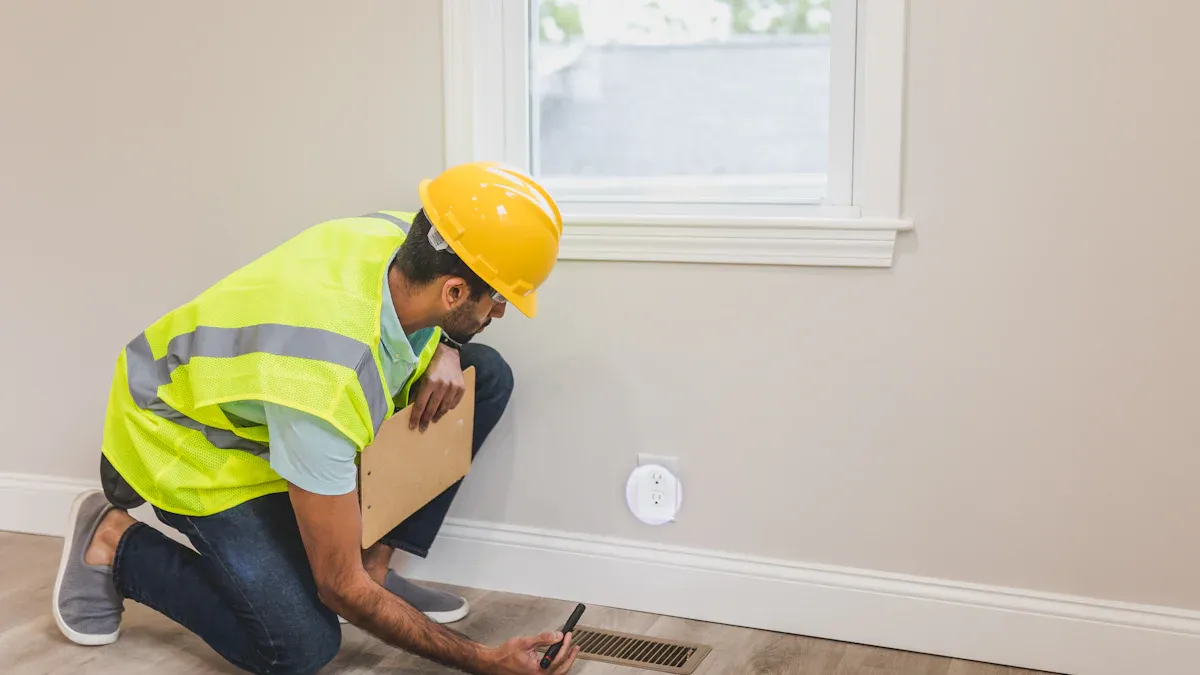
Safety compliance plays a crucial role in the automatic sliding door installation steps. It minimizes risks associated with improper installations, such as accidents or operational failures. Neglecting safety measures can lead to injuries, costly repairs, and legal liabilities. For instance, a case study involving GEZE automatic door drives highlights how CE compliant automatic door installation enhances accessibility for residents with disabilities, ensuring safe navigation through buildings.
Following a structured installation process, including an automatic door sensor installation tutorial, not only ensures compliance but also promotes long-term cost savings. Adhering to commercial automatic door installation safety rules and utilizing an automatic door controller wiring guide optimizes performance and longevity, reducing breakdowns and providing warranties for ongoing maintenance. Additionally, conducting a post-installation automatic door performance test is essential to verify that the system operates as intended.
Key Takeaways
- Prioritize safety compliance during installation to minimize risks and enhance functionality.
- Conduct a thorough site assessment to evaluate traffic flow, emergency egress needs, and local building codes.
- Select the right type of sliding door and materials based on durability, aesthetics, and safety requirements.
- Use essential tools and high-quality materials to ensure effective installation and long-term performance.
- Perform regular maintenance and testing to ensure the automatic sliding doors operate safely and efficiently.
Site Assessment
Evaluating the Installation Location
Before installing automatic sliding doors, assess the installation location thoroughly. Consider several factors that influence the effectiveness and safety of the door system. The following table outlines key factors to evaluate:
| Factor | Description |
|---|---|
| Traffic Flow | Assess daily vehicle and pedestrian traffic to determine the best type of automatic door system. |
| Emergency Egress Needs | Ensure the installation allows for safe and quick exits in emergencies. |
| Hardware Integration | Verify proper integration of locks, closers, and panic bars for functionality and security. |
| Door Size and Frame Type | Measure door opening dimensions and identify frame type for appropriate system selection. |
| Fire Ratings and ADA Compliance | Confirm compliance with fire safety regulations and ADA for safety and accessibility. |
| Local Building Codes | Understand and comply with local building codes to avoid legal issues. |
Measuring Doorway Dimensions
Accurate measurements are crucial for a successful installation. Follow these recommended methods to measure doorway dimensions effectively:
- Measure the width of the door opening from right to left at three different heights and select the smallest dimension.
- For the opening width, subtract 0.79 inches from both the left and right sides of the smallest measurement.
- To measure the height, if the floor is finished and the threshold cannot be embedded, subtract 0.08 to 0.12 inches for expansion joints from the height from the floor to the lintel.
- Order the door with the lowest possible threshold if feasible.
Identifying Power Sources
Automatic sliding doors require a reliable power source for operation. Ensure the following components are in place:
| Component | Description |
|---|---|
| Power Supply | Connects to the automatic door system to provide necessary electrical power. |
| Control Unit | Manages the operation of the door based on sensor input. |
| Sensors and Switches | Detect user presence and ensure safety by stopping or reversing the door. |
By conducting a thorough site assessment, installers can ensure that the automatic sliding doors function safely and efficiently, meeting both user needs and regulatory requirements.
Door Selection
Choosing the Right Type of Sliding Door
Selecting the appropriate type of automatic sliding door is essential for ensuring safety and functionality. Installers should consider various criteria when making this choice. The table below outlines key factors to evaluate:
| Criteria | Description |
|---|---|
| Access control / free egress | Must meet requirements for egress without special knowledge or effort. |
| Egress requirements | Must unlatch with one motion and be operable without tight grasping or twisting. |
| Glazing options | Consider the type of glazing based on building type and safety requirements. |
| Cycle testing | Ensure the door can withstand the expected usage frequency. |
| Additional features | Evaluate any special locking arrangements or sensor-based operations needed for specific applications. |
Understanding Material Options
Material selection significantly impacts the durability and maintenance of automatic sliding doors. Different materials offer unique advantages and disadvantages. The following table summarizes these aspects:
| Material Type | Advantages | Disadvantages |
|---|---|---|
| Aluminum | Lightweight, corrosion-resistant, low maintenance, design flexibility | Thermal conductivity, higher cost |
| Wood | Aesthetic appeal, insulation properties, customizability | Requires maintenance, higher cost, environmental impact |
| Vinyl | Affordability, energy efficiency, low maintenance | Limited design options, durability concerns |
| Steel | Strength and security, durability | Heavy, corrosion risk, higher cost |
Considering Aesthetic and Functional Needs
Aesthetic appeal and functionality play crucial roles in the selection process. Installers should identify specific needs based on intended use and foot traffic volume. Consider the following factors:
- Assess space and installation options to maximize efficiency.
- Determine desired functionality, including automation and safety features.
- Evaluate long-term value and maintenance needs.
By carefully selecting the right type of sliding door and materials, installers can ensure that the doors meet both aesthetic and functional requirements while adhering to safety compliance standards.
Tools and Materials Needed
Essential Tools for Installation
Proper installation of automatic sliding doors requires specific tools to ensure safety and efficiency. Installers should gather the following essential tools:
- Measuring tape & laser level
- Hammer drill + wall plugs
- Screwdrivers & Allen keys
- Wire stripper & multimeter
- Rubber mallet
- Impact driver
- Anchors, screws, and mounting bolts
These tools facilitate accurate measurements, secure fittings, and effective electrical connections. Using the right tools minimizes the risk of errors during installation, which can lead to safety hazards.
Recommended Materials for Durability
Selecting high-quality materials is vital for the long-term performance of automatic sliding doors. The following materials are recommended to enhance durability:
- Frame Materials: The choice of frame material significantly impacts the door’s strength and resistance to environmental factors. Aluminum frames offer excellent durability and corrosion resistance.
- Seals and Weatherstripping: Effective seals made from rubber provide flexibility and durability. PVC options are also available for cost-effectiveness and ease of installation.
- Thresholds: Aluminum thresholds are recommended for their durability and resistance to corrosion. Wood thresholds provide a natural aesthetic but require regular maintenance to prevent deterioration.
By utilizing the right tools and materials, installers can ensure that automatic sliding doors function effectively and maintain their integrity over time. This approach not only enhances safety compliance but also contributes to the overall satisfaction of users.
Automatic Sliding Door Installation Steps
Preparing the Installation Area
Before beginning the installation of automatic sliding doors, it is essential to prepare the installation area thoroughly. This preparation ensures safety and compliance with industry standards. Installers should take the following steps:
- Assess structural supports, including headers, jambs, and frames.
- Verify dimensions and ensure the wall opening is plumb, level, and square.
- Ensure compliance with safety and accessibility requirements, including sensor coverage and clear opening widths.
- Conduct safety checks during installation, such as obstruction detection and photocell alignment.
Taking these preparatory steps minimizes risks and enhances the overall effectiveness of the installation process.
Installing the Track System
The track system is a critical component of automatic sliding doors. Proper installation ensures smooth operation and longevity. Follow these best practices when installing the track system:
- Measure Accurately Before Ordering: Obtain precise width, height, and clearance measurements before placing an order. Even a small error can lead to alignment problems or costly adjustments later.
- Choose the Right Type for Your Entrance: Match the door style to the amount of traffic and available space. For example, a busy hotel lobby may require a bi-parting door, while a small side entrance might work better with a single sliding door.
- Prepare a Clean and Level Track Area: The track must sit on a flat, stable surface. Dirt, uneven flooring, or debris will cause the door to move roughly and wear out parts faster.
- Plan for Power and Backup Supply: Ensure a reliable electrical source is available where the door will be installed. If your property often faces power cuts, consider a backup battery.
- Work with Experienced Installers: A professional installer will know how to align sensors, adjust motor settings, and test safety features.
Following these steps during the installation of the track system will help ensure that the automatic sliding doors function correctly and safely.
Mounting the Door Panels
Mounting the door panels requires careful attention to safety and alignment. Installers should adhere to the following safety precautions:
| Safety Precaution | Description |
|---|---|
| Personal Protective Gear | Always wear gloves, goggles, and a mask or dust shield during installation to protect against injuries. |
| Lift and Position Panels Evenly | Use a partner to lift panels to prevent accidents and ensure proper alignment before securing. |
| Check for Obstruction-Free Operation | Ensure that the installation area is clear of debris and that tracks are smooth for safe operation. |
| Use Proper Brackets and Hardware | Only use the recommended mounting brackets and screws to ensure stability and safety during use. |
By following these guidelines, installers can effectively mount the door panels, ensuring they operate smoothly and safely. Proper installation is crucial for the overall performance of the automatic sliding door system.
Connecting the Automatic Mechanism
Connecting the automatic mechanism is a critical step in the automatic sliding door installation steps. This process involves integrating the electrical components that control the door’s operation. Installers must follow specific guidelines to ensure a safe and efficient connection.
-
Power Connection:
- Begin by connecting the power supply to the control unit. Ensure that the voltage matches the specifications provided by the manufacturer.
- Use a multimeter to verify the voltage before making any connections. This step prevents damage to the system.
-
Wiring the Sensors:
- Install the sensors according to the manufacturer’s instructions. These sensors detect user presence and ensure the door operates safely.
- Connect the wiring from the sensors to the control unit. Follow the color-coded wiring diagram provided in the installation manual. This ensures proper functionality.
-
Testing the Mechanism:
- After making all connections, conduct a preliminary test of the automatic mechanism. Activate the door using the control unit to check for smooth operation.
- Observe the door’s response to sensor activation. The door should open and close without hesitation.
-
Adjusting Settings:
- Adjust the settings on the control unit as needed. Most units allow for sensitivity adjustments for the sensors. Set these according to the expected traffic flow.
- Ensure that the door stops and reverses when it detects an obstruction. This feature is crucial for user safety.
-
Final Checks:
- Conduct a final inspection of all connections. Ensure that there are no loose wires or exposed connections.
- Secure all wiring with appropriate clips or conduits to prevent wear and tear over time.
By carefully connecting the automatic mechanism, installers can ensure that the sliding doors operate efficiently and safely. This step is vital for compliance with safety standards and enhances the overall user experience.
Safety Checks
Testing Door Functionality
Testing the functionality of automatic sliding doors is essential for ensuring safety and compliance. Installers should conduct a series of tests to verify that the doors operate smoothly and respond correctly to user interactions. The following steps outline the testing process:
- Initial Activation: Activate the door using the control unit. Observe the door’s movement to ensure it opens and closes without hesitation.
- Sensor Response: Walk towards the door to check if the sensors detect movement and trigger the opening mechanism. The door should respond promptly.
- Weight Test: Place a lightweight object in the door’s path to simulate an obstruction. The door should stop and reverse direction immediately upon contact.
- Continuous Operation: Run the door through multiple cycles to assess its performance over time. This helps identify any potential issues that may arise with extended use.
By following these steps, installers can confirm that the automatic sliding door functions properly, enhancing safety for all users.
Ensuring Proper Sensor Placement
Proper sensor placement is critical for maximizing safety and compliance in automatic sliding door systems. Installers must consider several factors when positioning sensors:
- Door Size and Weight: Larger doors require more sensitive sensors to ensure they respond effectively to user presence.
- Traffic Levels: High-traffic areas necessitate fast-reacting sensors to accommodate frequent use.
- Environmental Conditions: Factors such as sunlight can affect sensor performance, so installers should position sensors to minimize interference.
- Budget and Energy Efficiency: While advanced sensors may have higher upfront costs, they often provide long-term savings through improved energy efficiency.
According to ANSI A156.10, sliding doors for one-way traffic must have sensors that hold the door open or return it to the open position when approached from the non-intended side. The activating zones must extend at least 24 inches from the door’s face and be effective within 5 inches of the door. Adhering to these guidelines ensures compliance with safety standards and enhances user safety.
Conducting Emergency Stop Tests
Conducting emergency stop tests is vital for verifying the safety features of automatic sliding doors. Installers should follow these recommended procedures:
- Clean the Sensors: Ensure that sensors are free from dust and debris to maintain accurate detection.
- Test Using an Object: Simulate an obstacle by placing an object in the door’s path. Observe the door’s response to ensure it stops or reverses as intended.
- Test Pressure Sensors: Apply weight to the door to check its reaction. The door should stop immediately upon detecting pressure.
- Test Each Sensor Individually: Cover one sensor at a time to confirm that each functions correctly. This step helps identify any faulty sensors.
- Check Sensor Sensitivity: Use smaller objects to test and adjust sensitivity settings as needed. Proper sensitivity ensures that the door responds appropriately to various obstacles.
- Conduct Regular Functionality Tests: Schedule and document routine tests to maintain performance and safety over time.
By implementing these emergency stop tests, installers can ensure that the automatic sliding doors operate safely and effectively, providing peace of mind for users.
Compliance Verification
Understanding Local Safety Codes
Installers must understand local safety codes to ensure compliance during automatic sliding door installations. These codes govern the safety and functionality of door systems in commercial buildings. One key standard is BS EN 16005, which focuses on the safety of power-operated pedestrian doorsets. This standard ensures safe use for staff, customers, and the general public. Adhering to these regulations minimizes risks associated with improper installations.
| Standard Code | Description |
|---|---|
| BS EN 16005 | Governs the safety in use of power-operated pedestrian doorsets, ensuring safe use for staff, customers, and the general public. |
Documenting Compliance Procedures
Proper documentation is essential for demonstrating compliance with safety regulations. Installers should maintain records of the following:
- Periodic maintenance must be conducted at least once a year by an authorized service company, and this maintenance must be documented in writing.
- Older doors can be inspected and assessed against the EN 16005 standard, with documentation of any deviations identified.
- Manuals must be provided during the delivery and commissioning of the door, meeting the conditions outlined in the standard.
These records serve as proof of compliance and help identify any necessary adjustments or repairs.
Final Inspection and Approval
A final inspection is crucial before the automatic sliding doors become operational. Installers should conduct a thorough review to ensure all components function correctly and meet safety standards. Failure to comply with these standards can lead to serious consequences, including:
- Non-compliance can lead to safety hazards such as entrapment and impact injuries.
- Malfunctioning doors may result in severe consequences, including property damage.
- Injuries and fatalities could occur due to lack of adherence to safety standards.
After completing the inspection, installers should obtain approval from relevant authorities. This step confirms that the installation meets all safety requirements and is ready for public use.
Safety compliance is vital for the successful installation of automatic sliding doors. Adhering to established standards not only reduces the risk of accidents but also enhances the doors’ overall functionality.
Tip: Following the outlined steps carefully ensures a smooth installation process and long-term performance.
If uncertainty arises during installation, consulting professionals is highly recommended. Professional installers provide precise alignment and ensure compliance with safety regulations.
| Compliance Aspect | Impact on Performance |
|---|---|
| Adherence to safety standards | Reduces the risk of accidents and enhances overall functionality of the doors. |
| UL 10C or EN 1155 certification | Ensures fire resistance and egress speed, crucial for safety in emergencies. |
By prioritizing safety and seeking expert guidance, installers can create a secure environment for all users.
FAQ
What are the benefits of automatic sliding doors?
Automatic sliding doors enhance accessibility, improve traffic flow, and provide convenience. They also reduce energy costs by minimizing air exchange and can be equipped with safety features to protect users.
How often should automatic sliding doors be maintained?
Installers recommend annual maintenance by a qualified technician. Regular inspections ensure optimal performance, identify potential issues, and maintain compliance with safety standards.
Can I install automatic sliding doors myself?
While DIY installation is possible, professional installation is advisable. Experts ensure proper alignment, wiring, and compliance with safety regulations, reducing risks associated with improper installation.
What safety features should I look for in automatic sliding doors?
Key safety features include motion sensors, emergency stop functions, and safety edges. These components help prevent accidents and ensure safe operation for all users.
Are automatic sliding doors energy-efficient?
Yes, automatic sliding doors are energy-efficient. They minimize air leakage, maintain indoor temperatures, and reduce heating and cooling costs, making them an environmentally friendly choice for commercial spaces.