
Automatic sliding door operators are essential in modern architecture, significantly improving accessibility and efficiency. By 2026, the market for these systems is expected to reach $2.73 billion, with a growth rate of 5.6% CAGR. This growth is driven by the rising demand for commercial sliding doors that enable smooth entry and exit. Innovations in sliding door drive technology, including microwave sensor automatic doors and AI-driven solutions, have greatly enhanced the responsiveness and energy efficiency of these operators. Additionally, high load sliding door systems provide superior functionality for a variety of applications, ensuring that accessibility remains a key focus in architectural design while also serving as an automatic door energy saving solution.
Key Takeaways
- Automatic sliding doors enhance accessibility and efficiency in various settings, making entry and exit smoother for everyone.
- These doors can significantly reduce energy costs by minimizing air leakage, helping maintain indoor temperatures.
- Safety features like motion sensors and obstacle detection ensure safe operation, making them suitable for all users.
- Customization options allow businesses and homeowners to tailor doors to their specific needs, enhancing functionality and aesthetics.
- Investing in automatic sliding doors can lead to long-term savings through reduced energy bills and lower maintenance costs.
Applications of Automatic Sliding Door Operators
Retail and Commercial Spaces
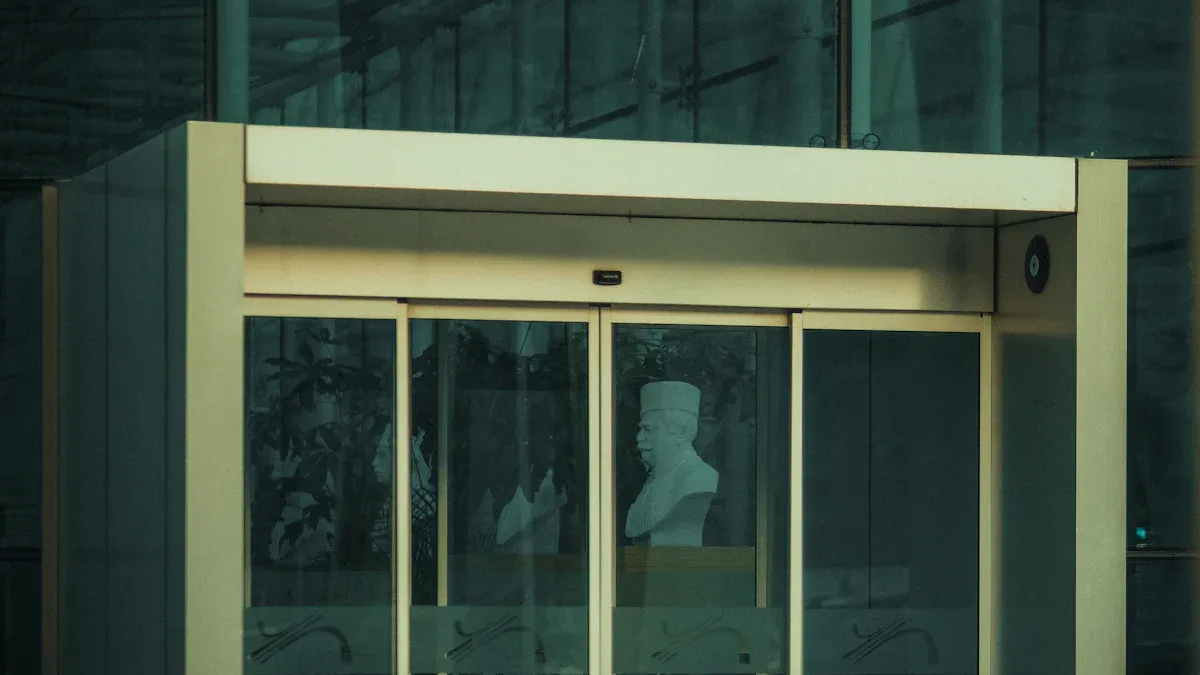
Automatic sliding door operators play a crucial role in enhancing customer experience in retail and commercial environments. These systems facilitate smooth entry and exit, which is vital for high-traffic areas. The following table highlights common applications in this sector:
| Application Area | Description |
|---|---|
| Retail Stores | Widely used for customer access and convenience in shopping environments. |
| Food Stores | Facilitates easy entry and exit for customers, enhancing the shopping experience. |
| Shopping Centers | Ideal for high-traffic areas, allowing smooth flow of customers. |
Automatic sliding door operators significantly improve pedestrian flow. They reduce congestion during peak hours, leading to faster throughput and less waiting time for customers. The moderate speed of these doors ensures smooth access without delays. Additionally, advanced sealing systems minimize air leakage, maintaining consistent indoor temperatures. This energy efficiency can potentially reduce a building’s carbon footprint by up to 50% compared to traditional doors.
Healthcare Facilities
In healthcare settings, automatic sliding door operators contribute to infection control and accessibility. These doors reduce touchpoints, which is crucial for preventing germ transmission. Touchless wave plates allow staff to open doors without physical contact, minimizing germ transfer. The following points illustrate their benefits:
- Automatic doors enhance hygiene by being touch-free and easier to clean than traditional barriers.
- Telescoping doors provide wider openings in limited spaces, improving accessibility.
- Pressurized automatic doors help maintain sterile environments by preventing the passage of bacteria and dust.
Regulatory compliance is also essential in healthcare. The 2021 I-Codes mandate adherence to specific standards for automatic doors, ensuring safety and functionality. Signage stating “IN EMERGENCY, SLIDE TO OPEN” is required for automatic sliding doors, further emphasizing their importance in emergency situations.
Transportation Hubs
Automatic sliding door operators are vital in managing passenger flow and security at transportation hubs. They facilitate smooth movement in terminals, ticketing areas, and boarding gates. The following points highlight their significance:
- These doors help reduce congestion and improve accessibility for travelers.
- High-performance automatic door solutions optimize passenger flow and enhance security.
- Automated doors are designed to operate effectively in extreme weather conditions, ensuring safety and security.
The integration of advanced sensors improves functionality by detecting large groups and accommodating them efficiently. This capability is essential for maintaining a seamless passenger experience in busy environments.
Hospitality Sector
Automatic sliding door operators significantly enhance guest experience and operational efficiency in the hospitality sector. Hotels and resorts benefit from these systems in various ways:
- Improved Accessibility: Automatic doors facilitate entry for individuals with mobility challenges, ensuring that all guests can navigate the premises comfortably.
- Enhanced Security: These doors can integrate with secure locks and access control systems, providing an added layer of safety for guests and staff.
- Convenience: In high-traffic areas, automatic sliding doors reduce the need for manual operation, allowing guests to enter and exit seamlessly.
- Energy Efficiency: By minimizing air infiltration and heat loss, these systems help lower HVAC costs, contributing to overall energy savings.
- Space Efficiency: Automatic sliding doors operate within the door frame, saving valuable floor space in busy environments.
- Noise Reduction: Their silent operation minimizes distracting noise levels, creating a more pleasant atmosphere for guests.
In hotels, various types of automatic sliding door operators are popular. These include:
- Sliding Doors: Commonly used for their space-saving design.
- Swing Doors: Ideal for wider openings, often found in various commercial settings.
- Revolving Doors: Used in high-traffic areas for efficient traffic flow.
- Folding Doors: A space-saving option suitable for limited spaces.
- Telescopic Doors: Provide wider openings while maintaining a compact design.
The integration of these systems not only enhances the aesthetic appeal of hotel entrances but also improves the overall guest experience.
Residential Use
The adoption of automatic sliding door operators in residential settings is steadily increasing. Homeowners appreciate the convenience and modern appeal these systems offer. The benefits of using automatic sliding doors in residential buildings include:
- Improved Accessibility: These doors provide hands-free convenience, making it easier for individuals with mobility challenges to enter and exit.
- Reduced Energy Costs: By limiting air infiltration, automatic sliding doors help maintain indoor temperatures, leading to lower energy bills.
- Increased Security: Many systems come with integrated locking mechanisms, enhancing home security.
- Durability and Low Maintenance: Automatic sliding doors are designed for longevity and require minimal upkeep.
- Modern Appeal: Their sleek design elevates property value and enhances user experience.
However, challenges exist. The initial cost of installation can be higher than traditional doors, and the installation process may be complex. Regular maintenance and potential repair costs should also be considered.
Despite these challenges, the adoption rate of automatic sliding door operators in residential settings remains lower than in commercial applications. The commercial sector leads the market due to a greater demand for efficiency and accessibility, particularly in environments like retail stores and office buildings.
Performance Comparison of Automatic Sliding Door Operators
Brand A Overview
Brand A offers a range of automatic sliding door operators known for their compact design and advanced features. Their systems are suitable for various applications, including offices, shops, and cafes. The following table summarizes the key specifications of Brand A’s automatic sliding door operators:
| Feature/Specification | Description |
|---|---|
| Compact size | Exquisite and modern design with optimum functionality |
| Control system | Intelligent microprocessor with self-learning and self-checking functions |
| Programming | Simple to program and monitor |
| Environment adaptability | Adjustable to accommodate various environments |
| Safety | Reverse opening if an obstruction is detected |
| User-friendliness | Space-efficient and easy to use |
| Durability | High safety, durability, and flexibility |
| Applications | Suitable for offices, shops, cafes, clubs, etc. |
| Maintenance | Easy to maintain, adjust, and repair |
| Performance | High performance at an attractive price |
| Mechanical configuration | Logical layout and optimal mechanical configuration |
| Backup power | Can use backup batteries during power outages |
| Door style | Single-leaf and double-leaf options |
| Door leaf weight | Up to 150 kg for single-leaf and 300 kg for double-leaf |
| Door leaf width | Ranges from 600-1200mm for single-leaf and 500-1100mm for double-leaf |
| Opening speed | Adjustable between 100-500 mm/s |
| Closing speed | Adjustable between 100-500 mm/s |
| Creep speed | Adjustable between 30-100 mm/s |
| Motor | 24V brushless DC motor |
| Hold open time | Adjustable from 0-9 seconds |
| Safety feature | Reverse upon obstruction |
| Power supply | AC220V, 50Hz-60Hz |
| Operating temperature | -20°C to 50°C |
Brand A’s operators stand out for their user-friendly design and high adaptability, making them a popular choice in various commercial settings.
Brand B Overview
Brand B focuses on energy efficiency and reliability, positioning itself as a durable option in the market. Their automatic sliding door operators are designed to perform well under demanding conditions. The following table compares Brand B’s energy efficiency and reliability with its competitors:
| Brand | Energy Efficiency | Reliability |
|---|---|---|
| Brand A | High (SEER > 20) | High |
| Brand B | Moderate | Very High (Durable) |
| Brand C | High (SEER > 20) | High |
Brand B’s operators are particularly noted for their robust construction, ensuring long-term performance. They are ideal for environments where reliability is paramount, such as hospitals and transportation hubs.
Brand C Overview
Brand C distinguishes itself with unique selling points that enhance its appeal. Their automatic sliding door operators feature a modular design, allowing for maximum opening width. This design optimizes clear openings for various door arrangements. The following table highlights the key features of Brand C’s operators:
| Feature | Description |
|---|---|
| Modular Design | Allows for maximum opening width, optimizing clear openings for various door arrangements. |
| Ease of Installation | Supplied completely assembled in the appropriate support beam, ensuring quick setup. |
| Integration Capabilities | Can be integrated with existing door systems or adapted to drive a wide range of pre-existing doors. |
Brand C’s focus on ease of installation and integration makes it a preferred choice for projects requiring quick deployment and adaptability.
Key Performance Metrics
Evaluating the performance of automatic sliding door operators involves several key metrics. These metrics help determine the effectiveness and reliability of the systems in various applications. The most important performance metrics include:
- Opening and Closing Speed: This metric measures how quickly the doors open and close. Faster speeds enhance accessibility and improve traffic flow in busy environments.
- Cycle Life: This refers to the number of times the door can open and close before requiring maintenance. A higher cycle life indicates greater durability and reliability.
- Energy Efficiency: This metric assesses how much energy the door consumes during operation. Energy-efficient models contribute to lower operational costs and reduced environmental impact.
- Smooth Operation: The ability of the door to operate smoothly without jerks or stutters is crucial for user experience. Smooth operation minimizes wear and tear on the system.
- Noise Levels: Quiet operation is essential, especially in settings like healthcare facilities and hospitality venues. Low noise levels enhance the overall environment for users.
These metrics provide a comprehensive overview of the performance capabilities of automatic sliding door operators, allowing businesses to make informed decisions when selecting the right system for their needs.
User Feedback and Ratings
User feedback plays a significant role in assessing the reliability and effectiveness of automatic sliding door operators. Reviews from various brands highlight their strengths and weaknesses. Here are some insights based on user ratings:
- Horton Automatics: Users appreciate the heavy-duty stainless steel and tempered glass doors. The advanced safety features receive high praise for their effectiveness in busy environments.
- Stanley Access Technologies: Customers value the rugged tracks, rollers, and hardware designed to withstand harsh weather conditions. This durability makes them a preferred choice for outdoor applications.
- Besam: Users commend the high-grade materials and innovative designs that enhance energy efficiency and durability. Many report satisfaction with the long-term performance of these systems.
Overall, user feedback indicates that the choice of an automatic sliding door operator significantly impacts operational efficiency and user satisfaction. Brands that prioritize durability, safety, and energy efficiency tend to receive higher ratings from customers.
Criteria for Selecting Automatic Sliding Door Operators
Efficiency and Speed
When selecting an automatic sliding door operator, efficiency and speed are paramount. These factors directly impact building operations and user experience. A well-designed operator can adapt to environmental changes, enhancing operational efficiency. Customizable speeds allow for adjustments based on traffic patterns, ensuring smooth entry and exit.
| Trend | Description |
|---|---|
| Intelligent Control | Modern operators adapt to environmental changes, improving operational efficiency and safety. |
| Energy Efficiency | Optimized designs reduce energy consumption while maintaining precise control. |
| Safety Enhancements | Features like obstacle detection and emergency stop improve safety in various scenarios. |
Safety Features
Safety features are critical in the selection process. Automatic sliding door operators must comply with industry standards to ensure user safety. Essential safety features include:
| Safety Feature | Description |
|---|---|
| Presence and Motion Sensors | Detects motion and standing individuals to prevent unexpected closures. |
| Safety Beams | Infrared beams at low levels protect against entrapment, especially for vulnerable individuals. |
| Obstacle Detection and Auto-Reverse | Stops and reverses the door when an obstruction is detected to avoid injury or damage. |
| Manual Override and Emergency Break-Out | Allows manual operation during power failure or emergencies for safe evacuation. |
| Backup Power Supply | Ensures continued operation during outages, crucial for high-risk areas like hospitals. |
| Audible and Visual Alerts | Provides alarms or warning lights for increased user awareness in commercial environments. |
Durability and Maintenance
Durability and maintenance are vital for long-term performance. The average lifespan of automatic sliding doors ranges from 10 to 15 years, influenced by usage and environmental factors. Regular maintenance is essential for extending this lifespan.
- High-quality, durable products are necessary for long-term performance.
- Regular inspections and timely repairs can prevent costly breakdowns.
Selecting an automatic sliding door operator involves careful consideration of these criteria to ensure optimal performance and safety.
Aesthetic Considerations
Aesthetic considerations play a significant role in the selection of automatic sliding door operators. These doors not only serve functional purposes but also contribute to the overall design of a building. Architects and designers prioritize aesthetics to create inviting and cohesive environments. Here are some key factors to consider:
- Design Compatibility: The door’s design should align with the architectural style of the building. For instance, sleek glass doors complement modern structures, while wooden finishes may suit traditional designs.
- Color and Finish Options: Manufacturers offer various colors and finishes. This variety allows for customization, enabling doors to blend seamlessly with surrounding elements.
- Visibility and Transparency: Transparent doors enhance visibility, creating an open and welcoming atmosphere. They allow natural light to flow into spaces, reducing the need for artificial lighting.
- Branding Opportunities: Businesses can use automatic sliding doors as branding tools. Custom logos or graphics on the doors can reinforce brand identity and enhance customer engagement.
Tip: When selecting automatic sliding doors, consider how their design will impact the overall aesthetic of the space. A well-chosen door can elevate the look and feel of any environment.
Compatibility with Existing Structures
Compatibility with existing structures is crucial when installing automatic sliding door operators. Ensuring that new systems integrate smoothly with current architecture minimizes disruption and maximizes functionality. Key considerations include:
- Structural Integrity: Assess the building’s framework to determine if it can support the weight and operation of automatic doors. Reinforcements may be necessary in older buildings.
- Space Requirements: Evaluate the available space for installation. Automatic sliding doors require sufficient clearance for smooth operation. This consideration is especially important in tight areas.
- Existing Door Systems: If retrofitting, ensure that the new operators can integrate with existing door frames and hardware. Compatibility reduces installation costs and time.
- Regulatory Compliance: Check local building codes and regulations. Compliance ensures safety and functionality, particularly in public spaces.
By addressing aesthetic considerations and compatibility, stakeholders can select automatic sliding door operators that enhance both the functionality and visual appeal of their spaces.
Cost Considerations for Automatic Sliding Door Operators
Initial Investment vs. Long-term Savings
Investing in an automatic sliding door operator involves weighing initial costs against potential long-term savings. Here are some key points to consider:
- Initial costs for automatic sliding doors typically range from $2,000 to $5,000 for basic systems. Advanced options can exceed $10,000.
- Long-term savings primarily stem from energy efficiency. These doors open and close quickly, minimizing air escape and helping maintain conditioned air.
- Reduced heating and cooling costs contribute to lower energy bills throughout the door’s lifespan.
- The durable construction of these doors leads to lower maintenance costs over time, enhancing the return on investment.
Installation Costs
Installation costs can vary based on the type of automatic sliding door operator chosen. Typical costs include:
- Swing door openers: Cost between $350 to $715.
- Sliding door openers: Typically range from $2,000 to $10,000.
- Professional installation: Costs around $600-$1,000 per opener.
Investing in professional installation ensures that the system operates efficiently and meets safety standards.
Maintenance Expenses
Maintenance expenses are crucial for ensuring the longevity of automatic sliding door operators. Regular upkeep can prevent costly repairs and extend the lifespan of the system. Consider the following:
- Routine inspections help identify potential issues before they escalate.
- Maintenance costs are generally lower for automatic sliding doors due to their durable construction.
- Investing in quality systems can lead to fewer repairs and lower overall maintenance expenses.
By understanding these cost considerations, businesses can make informed decisions about automatic sliding door operators that align with their budget and operational needs.
Return on Investment Analysis
Investing in automatic sliding door operators offers significant returns for businesses and homeowners alike. The analysis of return on investment (ROI) involves evaluating both direct and indirect benefits.
-
Energy Savings: Automatic sliding doors minimize air leakage, which leads to reduced heating and cooling costs. Businesses can save up to 30% on energy bills compared to traditional doors. This energy efficiency contributes to a quicker ROI.
-
Increased Traffic Flow: These doors enhance accessibility, allowing for smoother entry and exit. Retailers often experience higher customer traffic due to the convenience of automatic doors. Increased foot traffic can lead to higher sales and revenue.
-
Reduced Labor Costs: Automatic doors require less manual operation. This reduction in labor needs can lower staffing costs, especially in high-traffic environments. Businesses can allocate resources more efficiently.
-
Enhanced Safety and Security: Automatic sliding doors come equipped with advanced safety features. These features reduce the risk of accidents and injuries, potentially lowering insurance premiums. A safer environment also fosters customer trust and loyalty.
-
Long-Term Durability: Quality automatic sliding door operators are designed for longevity. Their robust construction minimizes maintenance costs over time. Investing in durable systems can lead to fewer repairs and replacements, further enhancing ROI.
Tip: When calculating ROI, consider both tangible and intangible benefits. While energy savings and reduced labor costs are quantifiable, improved customer experience and safety also contribute to long-term success.
Future Trends in Automatic Sliding Door Technology
Smart Technology Integration
The integration of smart technology into automatic sliding door operators is transforming the industry. Innovations such as IoT-enabled features enhance connectivity and functionality. The following table outlines key trends in this area:
| Trend/Innovation | Description |
|---|---|
| IoT-enabled features | Integration of Internet of Things for enhanced connectivity and functionality. |
| Enhanced energy efficiency | Focus on energy-saving technologies to reduce operational costs. |
| Improved user convenience | Systems designed for ease of use, reflecting consumer preferences for convenience. |
| Contactless solutions | Increased demand for systems that allow entry without physical contact, promoting hygiene. |
| Biometric security | Use of fingerprint and facial recognition for secure access. |
| Gesture-controlled systems | Technology that allows doors to open with hand gestures, enhancing convenience and hygiene. |
| Automated sliding glass walls | Innovations in design that facilitate seamless transitions between indoor and outdoor spaces. |
These advancements not only improve user experience but also align with modern expectations for convenience and hygiene.
Sustainability and Energy Efficiency
Sustainability remains a priority in the design of automatic sliding door operators. Manufacturers focus on features that enhance energy efficiency. Key strategies include:
- Automatic sliding doors minimize air exchange, crucial for maintaining energy efficiency in buildings.
- Tight seals and weather stripping improve insulation, further reducing energy costs.
- Advanced sensors detect movement accurately, ensuring doors open only when needed, minimizing heat loss or gain.
- Low-power brushless DC motors reduce electricity consumption, leading to lower utility bills for businesses.
- Features like double-glazed, thermally broken frames and integrated airlocks help maintain internal temperatures, further reducing heating and cooling costs.
- Modern operators can connect with building management systems (BMS) for centralized control, enhancing operational efficiency.
These features contribute to lower operational costs and a reduced environmental impact.
Enhanced Security Features
Security is a growing concern in the design of automatic sliding door operators. Manufacturers are incorporating advanced security features to address these concerns. Innovations include:
- Integrated fingerprint and face ID systems enhance security and convenience.
- Gesture-controlled interior doors promote hygiene and ease of use.
- Biometric systems provide secure access while minimizing the risk of unauthorized entry.
These enhancements ensure that automatic sliding door operators not only facilitate access but also protect users and property.
Customization Options
Automatic sliding door operators offer a range of customization options to meet diverse needs and preferences. Businesses and homeowners can tailor these systems to enhance functionality, aesthetics, and security. Here are some key customization options:
-
Door Materials: Customers can choose from various materials, including glass, aluminum, and wood. Each material offers unique benefits, such as durability, aesthetics, and energy efficiency.
-
Control Systems: Operators can integrate advanced control systems, allowing for features like:
- Remote Access: Control doors from a distance using mobile apps or key fobs.
- Sensor Technology: Utilize motion sensors or touchless activation for hands-free operation.
-
Design Features: Customization extends to design elements, including:
- Color and Finish: Select from a wide range of colors and finishes to match the building’s exterior or interior design.
- Glass Options: Choose between clear, frosted, or tinted glass to enhance privacy and aesthetics.
-
Safety Enhancements: Additional safety features can be integrated, such as:
- Emergency Stop Buttons: Allow users to halt door operation quickly in emergencies.
- Obstacle Detection Sensors: Prevent accidents by detecting obstructions in the door’s path.
| Customization Area | Options Available |
|---|---|
| Door Materials | Glass, Aluminum, Wood |
| Control Systems | Remote Access, Sensor Technology |
| Design Features | Color, Finish, Glass Options |
| Safety Enhancements | Emergency Stop Buttons, Obstacle Detection Sensors |
Tip: When selecting customization options, consider the specific needs of your environment. Tailoring the door system can significantly enhance user experience and operational efficiency.
By exploring these customization options, stakeholders can create automatic sliding door solutions that align with their unique requirements and enhance overall functionality.
Automatic sliding door operators serve diverse applications across retail, healthcare, transportation, hospitality, and residential sectors. Their performance metrics, including speed, energy efficiency, and safety features, significantly impact user experience.
When selecting an automatic sliding door operator, consider efficiency, safety, durability, and aesthetic compatibility. Future advancements will likely focus on smart technology integration and sustainability, enhancing functionality and user convenience.
Tip: Prioritize systems that align with specific operational needs and environmental considerations for optimal performance.
FAQ
What are the main benefits of automatic sliding door operators?
Automatic sliding door operators enhance accessibility, improve traffic flow, and reduce energy costs. They minimize touchpoints, promoting hygiene, and provide convenience for users, especially in high-traffic areas.
How do automatic sliding doors improve energy efficiency?
These doors minimize air leakage by sealing tightly when closed. Their quick opening and closing mechanisms help maintain indoor temperatures, reducing heating and cooling costs significantly.
Are automatic sliding doors safe for all users?
Yes, automatic sliding doors incorporate safety features like motion sensors and obstacle detection. These systems prevent accidents and ensure safe operation for all users, including those with mobility challenges.
Can automatic sliding doors be customized?
Absolutely! Many manufacturers offer customization options, including materials, colors, and control systems. This flexibility allows businesses and homeowners to tailor doors to their specific needs and aesthetic preferences.
What maintenance do automatic sliding doors require?
Regular maintenance includes inspections, cleaning, and lubrication of moving parts. Routine checks help identify potential issues early, ensuring the doors operate smoothly and prolonging their lifespan.