
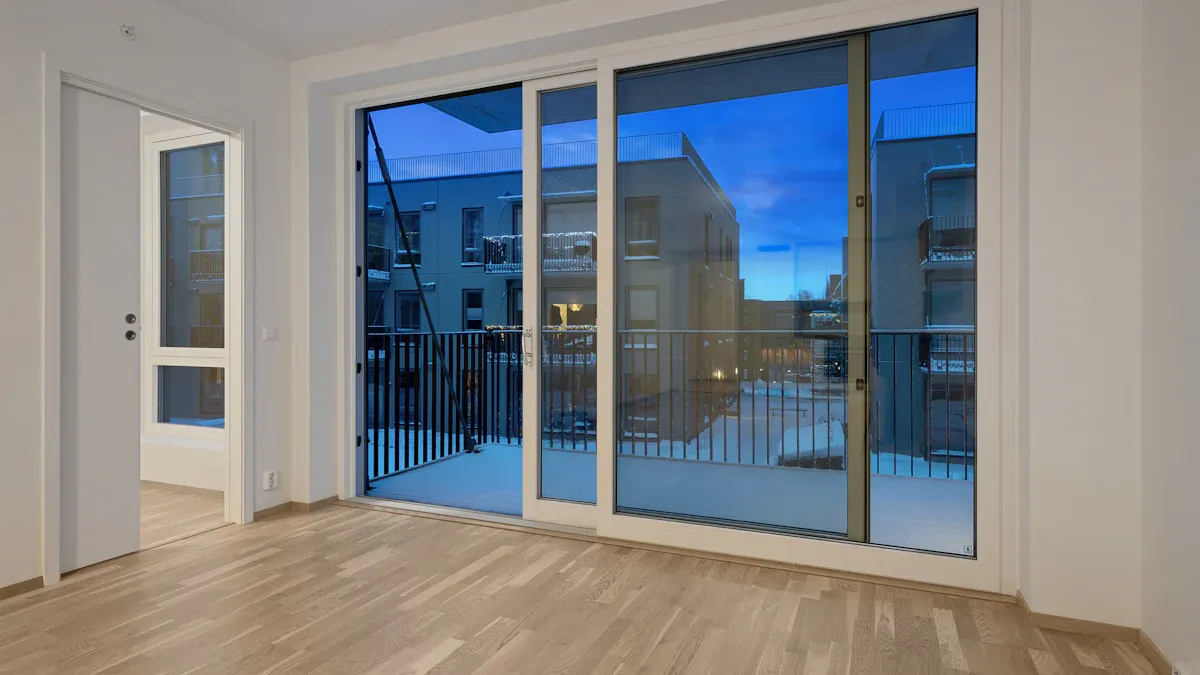
An automatic sliding door operator system consists of several key components that work together to ensure smooth and efficient operation. These components include the operator mechanism, sliding door sensors, control systems, power supply, and safety features. Understanding these door operator components is crucial for ensuring functionality and safety in high-traffic environments. A well-maintained system can last between 15 to 20 years, highlighting the importance of regular maintenance and knowledge of how each component contributes to the overall performance of the Door Operator System. Additionally, the Smart Automatic Door System utilizes advanced technology to enhance user experience. When considering the technology behind these systems, one might wonder, “How do presence sensors differ from motion sensors?” Furthermore, it is essential to know, “What sensors are used in automatic sliding door operators?” as they play a vital role in the system’s efficiency and safety.
Key Takeaways
- Automatic sliding door systems consist of key components like motors, sensors, and control systems that work together for smooth operation.
- Regular maintenance, including inspections and cleaning, is essential to prolong the lifespan of automatic sliding doors, which can last 15 to 20 years.
- Different types of sensors, such as infrared and microwave, play a crucial role in detecting movement and ensuring safety by preventing accidents.
- Control systems manage door functions and can be customized for specific needs, enhancing both convenience and security.
- Safety features, including emergency backups and proximity sensors, are vital for protecting users and ensuring doors operate safely in high-traffic areas.
Operator Mechanism
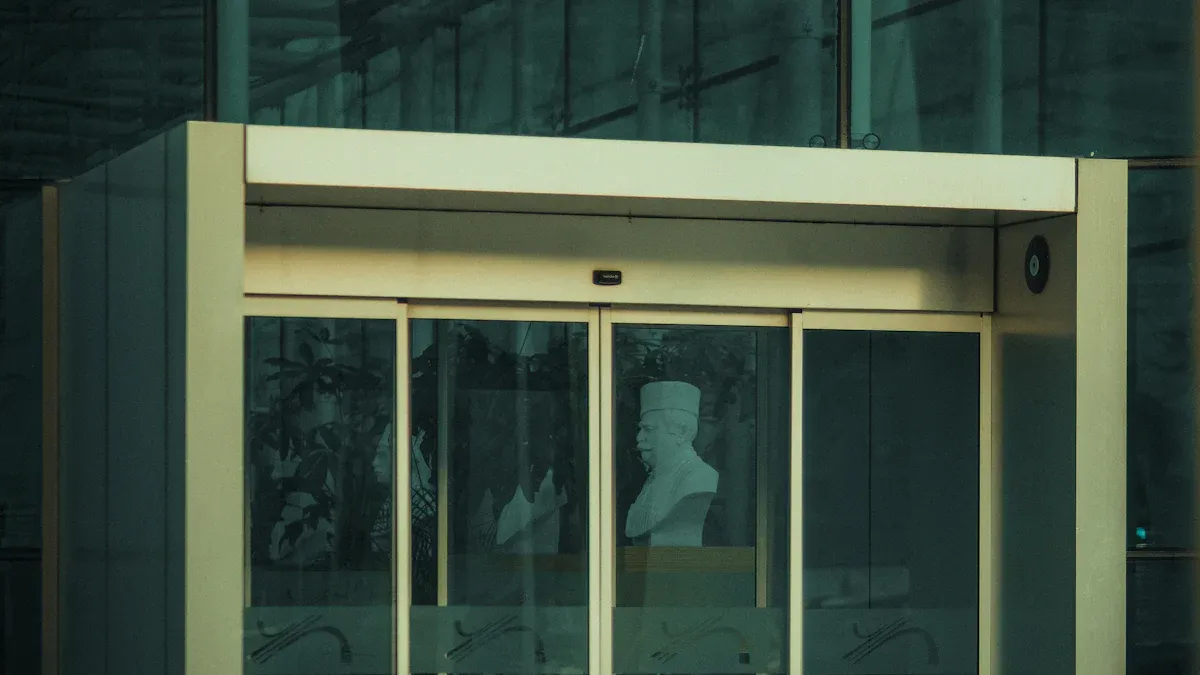
The operator mechanism serves as the heart of an automatic sliding door operator system. It consists of several components that work together to facilitate the opening and closing of the door. Understanding how these components function is essential for anyone involved in the installation or maintenance of automatic sliding doors.
The primary components of the operator mechanism include:
| Component | Function |
|---|---|
| Motor | Provides the main force for opening and closing, controlling acceleration and deceleration. |
| Tracks | Constrain the spreader and wheel system to ensure movement in a specific direction. |
| Spreader and Wheel System | Hangs door leaves and drives them under dynamic traction. |
| Synchronous Belt | Transmits power from the motor to draw the spreader and wheel system. |
| Guiding System | Ensures orientation and positioning of the door leaves, preventing swinging during operation. |
The materials used in constructing these operator mechanisms significantly impact their reliability and performance. For instance, the ASSA ABLOY SL300 operator utilizes robust materials, ensuring durability in various environments. Common materials include high-quality metals and plastics that withstand wear and tear.
Automatic sliding door systems typically consist of several key elements, including door panels, door jambs, and a top header that houses the DC motor drive unit, control assembly, belt, and door carriage rollers. Each of these components plays a vital role in the overall functionality of the door operator system.
Different types of operator mechanisms are available for automatic sliding doors, each designed for specific applications. These include:
| Type of Door | Description |
|---|---|
| Sliding Doors | Operate by sliding open and closed along a track; ideal for limited space. |
| Swing Doors | Swing open and closed on hinges; suitable for wider openings. |
| Revolving Doors | Consist of rotating panels; used for high-traffic areas and energy efficiency. |
| Folding Doors | Fold open and closed like an accordion; space-saving solution for wider openings. |
| Telescopic Doors | Use overlapping panels for a wider opening; ideal where space is limited. |
Understanding the operator mechanism and its components is crucial for ensuring the effective operation of automatic sliding doors in various settings.
Sensors
Sensors play a critical role in the operation of automatic sliding door operator systems. They detect the presence of individuals or objects and trigger the door to open or close accordingly. Understanding the various types of sensors and their functionalities is essential for optimizing the performance of these systems.
The following table outlines the primary sensor types used in automatic sliding door systems:
| Sensor Type | Functionality |
|---|---|
| Infrared Sensors (IR) | Emit infrared light beams; detect interruptions to trigger door opening. |
| Microwave Sensors | Emit microwave signals; detect changes in reflections to trigger door opening. |
| Ultrasonic Sensors | Emit ultrasonic waves; detect changes in wave patterns to trigger door opening. |
| Pressure Sensors | Use pressure-sensitive mats to detect weight and signal door opening. |
| Motion Sensors | Utilize technologies like PIR or microwave to detect motion and trigger door opening. |
Among these sensors, infrared and ultrasonic sensors are commonly compared due to their distinct functionalities. The following table highlights their differences:
| Feature | Infrared Sensors | Ultrasonic Sensors |
|---|---|---|
| Working Principle | Reflects light waves | Reflects sound waves |
| Performance in Darkness | Cannot work in the dark | Can work in dark environments |
| Sensitivity to Environmental Factors | Sensitive to light and fluctuating conditions | Insensitive to light, dust, and other obstructions |
| Edge Definition | Better at defining edges of an area | Not as good at defining edges |
| Application Suitability | Ideal for indoor applications with controlled lighting | Suitable for various applications including outdoor use |
The response time of sensors significantly impacts the efficiency of automatic sliding doors. A sensor’s response time refers to how quickly it detects a signal and triggers the door’s action. Factors influencing response time include sensor type, sensitivity, and environmental conditions. For instance, highly sensitive sensors can quickly detect small movements, enhancing overall convenience.
Control Systems
Control systems are essential for the effective operation of automatic sliding door operator systems. They manage various functions, ensuring that doors open and close smoothly based on user needs and environmental conditions. Understanding the main functions of these control systems helps in appreciating their role in the overall performance of the door operator components.
The following table outlines the primary functions of control systems in automatic sliding door operator systems:
| Function | Description |
|---|---|
| Control Unit | Manages the operation of the motor and other components. |
| Sensor Integration | Determines door actions based on sensor inputs. |
| Customization | Allows for programmable settings for tailored operation. |
Control systems also oversee overall operations, including timers for automatic opening and closing. They may integrate access control systems for enhanced security and incorporate safety features to prevent accidents.
Microcontroller-based control systems significantly improve the performance of automatic sliding doors. These systems utilize various components to enhance functionality. The table below highlights some key components and their functions:
| Component | Function |
|---|---|
| AT89S51 Microcontroller | Processes sensor data and controls door operations. |
| Infrared Sensors (IR) | Detects human presence to open the door automatically. |
| H-bridge Driver IC | Controls motor movement for door operations. |
By utilizing advanced technology, control systems ensure that automatic sliding doors operate efficiently and safely. They adapt to user needs while maintaining a high level of security and convenience.
Power Supply
The power supply is a crucial component of an automatic sliding door operator system. It provides the necessary energy for the system to function effectively. A reliable power supply ensures that the door operates smoothly and responds promptly to user commands.
Automatic sliding doors typically require specific voltage and current to operate efficiently. The following table outlines the voltage and current requirements for different types of systems:
| System Type | Voltage Requirement | Current Requirement |
|---|---|---|
| Sliding Door Operators for Blast Resistant Doors | 230VAC single phase | N/A |
| Commander Automatic Door Opener | 120VAC, 60Hz | 1 amp |
In addition to standard power supplies, backup systems play a vital role in maintaining door functionality during power outages. The following points highlight how backup power supply systems contribute to continuous operation:
- Uninterruptible Power Supply (UPS): This system provides battery backup and converts stored power for door operation.
- Automatic Switchover: The UPS instantly switches to backup power during outages, ensuring seamless operation.
- Continuous Charging: The UPS keeps the battery charged while in use, ready for future outages.
Understanding the power supply’s role in the overall operation of door operator components is essential for ensuring reliability and safety. Regular maintenance of the power supply system can prevent unexpected failures and prolong the lifespan of the automatic sliding door operator system.
Safety Features
Safety features are vital in automatic sliding door operator systems. They protect users and ensure the doors operate safely in various conditions. Understanding these features helps maintain a secure environment, especially in high-traffic areas.
The following table outlines key safety features integrated into these systems:
| Emergency Feature | Description |
|---|---|
| Emergency Power Backup | Ensures doors operate during power outages for safe evacuations. |
| Battery-Powered Systems | Allows doors to function during extended power disruptions. |
| Manual Release Mechanisms | Enables manual operation in emergencies when power is unavailable. |
| Fire Alarm Integration | Keeps doors open during fire emergencies for unimpeded evacuation. |
| Proximity Sensors | Detects individuals nearby to keep doors open, preventing accidents. |
| Mechanical Locks and Latches | Secures doors in emergencies to prevent unauthorized access. |
Safety sensors play a crucial role in preventing accidents. They detect obstacles and ensure the door does not close on individuals or objects. The following list highlights common safety sensors used in these systems:
- Infrared (IR) Sensors: Detect obstacles in the door’s path.
- Microwave Sensors: Identify objects nearby using reflected signals.
- Ultrasonic Sensors: Use sound waves for detection in low-light conditions.
- Contact Sensors: Recognize pressure from obstacles to stop the door’s movement.
- Vision Sensors and Cameras: Analyze surroundings for enhanced detection.
- Motion Sensors: Detect movement near the door for timely responses.
Monitoring safety sensors is essential to ensure their functionality. Regular checks help identify faults, preventing potential injuries. The table below summarizes the requirements for monitoring safety sensors:
| Requirement | Description |
|---|---|
| Monitoring of Safety Sensors | Safety sensors must be monitored to ensure functionality and communication with the automatic door control system. |
| Fault Detection | If a fault is detected, the automatic operator will not function until the issue is resolved. |
| Frequency of Monitoring | Monitoring must occur at least once before each closing cycle. |
| Purpose | The intent is to reduce the risk of injury or entrapment due to malfunctioning safety devices. |
Incorporating these safety features into automatic sliding door operator systems significantly reduces the risk of accidents and enhances user safety.
In summary, an automatic sliding door operator system comprises several essential components, including the motor, sensors, control systems, and safety features. Each component plays a vital role in ensuring the door operates efficiently and safely. For instance, the motor provides the necessary power, while sensors detect movement and obstacles, enhancing user safety.
Regular maintenance is crucial for the longevity and performance of these systems. Conducting inspections every few months can prevent minor issues from escalating into significant problems. Facility managers should prioritize understanding these door operator components to troubleshoot effectively and maintain optimal functionality.
FAQ
What maintenance is required for automatic sliding doors?
Regular inspections every few months are essential. Check the motor, sensors, and safety features. Clean tracks and lubricate moving parts to ensure smooth operation.
How do sensors detect motion?
Sensors use various technologies, such as infrared or microwave signals, to detect movement. They trigger the door to open when they sense an object or person nearby.
Can automatic sliding doors operate during power outages?
Yes, many systems include backup power supplies, such as uninterruptible power supplies (UPS). These systems ensure doors remain operational during power disruptions.
What types of automatic sliding doors are available?
Common types include sliding, swing, revolving, folding, and telescopic doors. Each type serves different applications based on space and traffic needs.
How do safety features enhance user protection?
Safety features, such as proximity sensors and emergency power backups, prevent accidents. They ensure doors do not close on individuals and remain operational during emergencies.