
Automatic sliding doors play a crucial role in enhancing accessibility and convenience in various settings. To ensure optimal performance, it’s essential to focus on automatic sliding door adjustment, which guarantees smooth operation and prevents common issues such as doors not opening or closing properly. Users often face challenges like slow operation or unusual noises, which can disrupt daily activities. Understanding how to adjust the speed of automatic sliding doors can significantly improve their functionality. Regular maintenance, including practices such as cleaning, lubrication, and sensor calibration, is vital for the longevity of automatic sliding door operators. Additionally, following an automatic door closing speed adjustment guide can help address any closing issues. By implementing automatic door opener force adjustment settings and addressing these concerns proactively, users can enjoy reliable automatic door performance optimization.
Key Takeaways
- Regularly clean door tracks to prevent dirt buildup. Monthly cleaning is essential for high-traffic areas to ensure smooth operation.
- Lubricate moving parts with the right products, like silicone lubricants, to reduce noise and prevent jamming. Proper lubrication enhances door functionality.
- Check fasteners and hardware every six months to ensure safety. Tighten any loose components to maintain the door’s structural integrity.
- Calibrate sensors correctly to avoid issues like delayed openings or premature closings. Proper calibration ensures safe and efficient operation.
- Establish a maintenance schedule and keep detailed service records. This proactive approach helps identify issues early and ensures compliance with warranty requirements.
Maintenance Tips for Automatic Sliding Doors
Cleaning the Door Tracks
Regular cleaning of the door tracks is essential for maintaining the functionality of automatic sliding doors. Dust, dirt, and debris can accumulate over time, leading to operational issues. Facility management guidelines recommend the following cleaning schedule:
- Monthly inspections for high-traffic areas, such as shopping malls and hospitals.
- Quarterly inspections for environments with moderate use.
- At least biannual inspections for all automatic sliding doors.
To effectively clean the tracks, follow these steps:
- Remove debris: Use a vacuum or a soft brush to clear out any loose dirt and debris from the tracks.
- Wipe down: Utilize a soft, lint-free cloth along with a suitable cleaning solution to clean the surfaces. This helps prevent malfunction and ensures smooth operation.
- Inspect sensors: Regularly clean the sensors to keep them free from dust and dirt. A clean sensor ensures that the door operates correctly.
Tip: Always perform a visual inspection for signs of damage or debris accumulation during cleaning.
Lubrication of Moving Parts
Proper lubrication of moving parts is crucial for the smooth operation of automatic sliding doors. Insufficient lubrication can lead to excessive noise, sticking, or jamming. Mechanical engineering research suggests using specific lubricants for optimal performance:
Recommended Lubricant: WD-40 Specialist Silicone is ideal for sliding door applications due to its wider temperature range and water resistance. It dries to the touch, making it less likely to attract dirt compared to thicker options like white lithium grease.
When lubricating, consider the following:
- Silicone lubricants: Effective across a wider range of materials, safe for rubber and plastics, and repel contaminants.
- White lithium grease: Better for high-stress metal-to-metal contact but may harm other materials.
Signs of insufficient lubrication include:
- Excessive noise during operation, such as squeaks and grinding sounds.
- Sticking or jamming when attempting to open or close the door.
Checking Fasteners and Hardware
Regularly checking fasteners and hardware is vital for the safety and reliability of automatic sliding doors. Loose components can lead to malfunction or accidents. Maintenance schedules recommend the following frequency for inspections:
| Door Type | Recommended Service Frequency |
|---|---|
| Automatic Sliding Doors | Every 6 months; Quarterly for 500+ daily cycles |
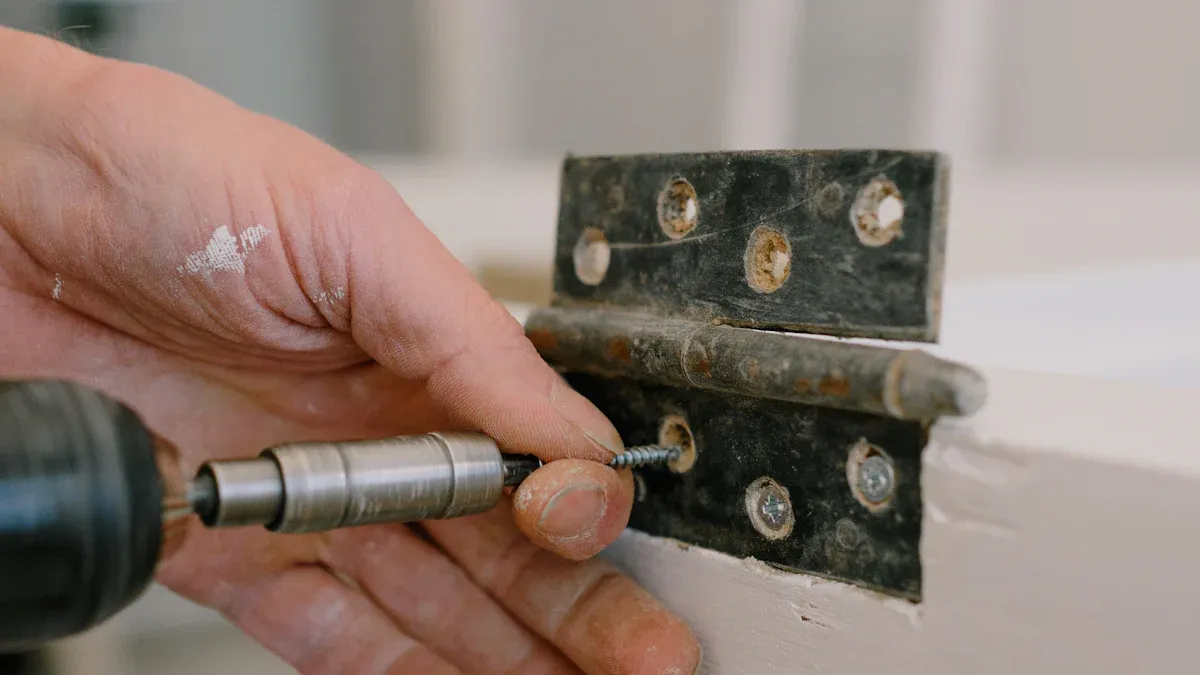
During inspections, ensure that all screws, bolts, and hinges are secure. Tighten any loose fasteners to maintain the structural integrity of the door system.
By following these maintenance tips, users can significantly enhance the performance and longevity of their automatic sliding doors.
Ensuring Proper Power Supply
A reliable power supply is essential for the optimal performance of automatic sliding doors. Fluctuations in power can lead to various operational issues, affecting both efficiency and safety. Here are some critical aspects to consider regarding power supply:
- Powering the Motor: The motor requires a consistent power supply for optimal function. Fluctuations can lead to malfunctions and reduce the lifespan of the motor.
- Voltage and Current Requirements: It is crucial to match the power supply to the motor’s specifications. Insufficient power can cause sluggish movements, while excessive power may damage the motor.
- Stability and Consistency: A stable power supply mitigates risks associated with erratic behavior and increased maintenance costs.
For most automatic sliding door operators, the standard voltage range is between 12–24 V AC/DC, with current consumption typically ranging from 20 mA to 200 mA. For example, the Commander automatic door opener requires a standard voltage of 120VAC at 60Hz and draws about 1 amp. Ensuring that the power supply meets these specifications is vital for maintaining smooth operation.
Calibrating Sensors
Proper calibration of sensors is crucial for the effective operation of automatic sliding doors. Calibration determines sensor sensitivity, detection area, and response to movement. Improper calibration can lead to delayed openings, premature closings, or non-responsiveness, which can be dangerous in busy environments. Here are key calibration procedures to follow:
- Adjust the sensors’ sensitivity to detect movement at appropriate distances.
- Ensure the door opens and closes smoothly and promptly when triggered.
- Recalibrate if the door opens too slowly or quickly, or if false triggers occur.
- Test and adjust the doors to ensure they open and close as expected.
- Fine-tune speed and sensitivity during initial calibration.
By following these calibration procedures, users can enhance the reliability of their automatic sliding doors, ensuring they operate safely and efficiently.
Troubleshooting Common Issues with Automatic Sliding Doors

Doors Not Opening
When automatic sliding doors fail to open, it can disrupt the flow of traffic and create frustration. Several common causes contribute to this issue:
| Cause | Explanation |
|---|---|
| Sensors That Don’t Read Movement Right | Dirty or misaligned sensors can cause the door to malfunction, opening too late or not at all. |
| Belts That Wear Out or Slip | Worn or slipping belts can prevent the door from moving properly, leading to failure to open. |
| A Tired or Failing Motor | A weak motor can cause the door to drag or stop, often indicated by unusual sounds or slow movement. |
| Tracks That Block or Bend | Obstructions or damage to the tracks can hinder the door’s movement, causing it to scrape or drag. |
| A Control Board That Glitches Out | Malfunctions in the control board can lead to erratic door behavior, affecting its operation. |
| Skipping Regular Maintenance | Lack of maintenance can lead to various issues, increasing the likelihood of door failure. |
To diagnose the root cause of the problem, follow these steps:
- Ensure that the switch is set to "on" and receiving electricity. The function switch should be set to "AUT" (automatic). If it is set to "CLS" (closed) or "OPN" (open), the door will remain in that position.
- Clear any obstructions from the door pathways and tracks. Sensors can be sensitive to nearby objects, so ensure ample free space.
- Check the wave plate for activation. Look for indicators such as beeping noises or lights that change status when activated.
- If the door does not respond, turn off the power for 15 to 30 seconds to allow the system to reboot.
Slow Operation
Slow operation of automatic sliding doors can lead to delays and inconvenience. This issue often arises from several factors, including:
- Power interruptions that affect the motor’s performance.
- Dirty tracks that hinder smooth movement.
- Worn-out components that require replacement.
To resolve slow operation, consider the following maintenance tasks:
| Maintenance Task | Description |
|---|---|
| Formal Demonstration | Ensure a proper demonstration of the automatic door operation by the installer. |
| Maintenance Manual | Provide a comprehensive manual detailing maintenance responsibilities and service intervals. |
| Daily Safety Checks | Conduct daily checks to ensure the door operates smoothly and safely. |
| Regular Cleaning | Vacuum tracks regularly to remove debris that may hinder operation. |
| Inspect Components | Check glass, frames, and hardware for any damage that could affect performance. |
Regularly activating the door operation can help identify issues early. Users should also inspect all components for signs of wear or damage. If performance issues persist, restarting the door may help restore functionality.
Partial Closing
Partial closing of automatic sliding doors can pose safety risks and inconvenience. Several mechanical or electronic issues may cause this behavior:
- Sensor misalignment can prevent proper detection of movement.
- Dirt or debris on sensors can obstruct their functionality.
- Faulty wiring may disrupt the electrical signals necessary for the door’s operation.
- Problems with the motor system can result in the door failing to close fully.
To troubleshoot partial closing, follow these steps:
- The Manual Check: Disconnect power and manually slide the door to check for obstructions or binding.
- Inspect the Belt and Tension: Ensure the drive belt is properly tensioned to avoid slippage.
- Re-evaluate the Programmed Limits: Adjust the controller’s settings to reflect any changes in the door’s physical endpoints.
By addressing these common issues, users can enhance the reliability and performance of their automatic sliding doors.
Unusual Noises
Unusual noises from automatic sliding doors can indicate underlying mechanical issues that require immediate attention. Common sounds include grinding, squeaking, scraping, and screeching. Each type of noise often points to specific problems within the door’s operation.
- Grinding sounds typically suggest worn-out rollers or obstructions on the track.
- Squeaking noises often indicate similar issues with the rollers or the cleanliness of the track.
- Scraping sounds may point to misalignment or damage to door components.
- Screeching noises can also indicate problems with the door’s movement along the track.
To effectively diagnose and address these noises, users should follow a systematic approach:
- Identify the type of noise (grinding, squeaking, scraping, screeching).
- Assess the condition of the rollers and tracks.
- Call a repair specialist if the noises persist to prevent further damage.
Initial symptoms, such as scraping or screeching sounds when the doors slide, should prompt immediate contact with a repair specialist. Ignoring these signs can lead to costly repairs later.
To eliminate unusual noises, users can take several diagnostic steps:
- Examine Mechanical Components: Check for wear and tear in the mechanical parts, such as carriage wheels and tracks.
- Listen for Audible Clues: Identify unusual sounds like grinding or squealing that indicate motor or gearbox issues.
- Check for Overheating: Feel the motor housing for excessive heat, which may signal internal problems.
- Mechanical Resistance Check: Ensure the door panels move smoothly by hand to rule out mechanical resistance.
- Analyze Controller Parameters: Review and adjust settings related to speed, acceleration, and motor power to ensure optimal performance.
By addressing these unusual noises promptly, users can maintain the efficiency and safety of their automatic sliding doors.
When to Call a Professional for Automatic Sliding Doors
Identifying Complex Problems
Automatic sliding doors can experience complex issues that require professional intervention. Users should recognize specific criteria indicating the need for expert assistance. The following table outlines key signs to watch for:
| Criteria | Description |
|---|---|
| Signs of defects | Recognizing signs such as noise, sluggish operation, or damaged seals can indicate the need for repair. |
| Safety and liability concerns | Operators must ensure doors are safe to prevent hazards and liability issues, especially in high-traffic areas. |
| Immediate action for malfunctions | Quick response is essential when components malfunction to maintain functionality and safety. |
Safety Considerations
Safety is paramount when dealing with automatic sliding doors. Attempting to repair these systems without professional help can lead to serious risks. As noted, "It is a bad idea to DIY these repairs. The doors are heavy and have complex electronics that require certified training to handle safely." Furthermore, automatic doors operate in close proximity to the public, making adherence to safety standards critical. A technician who neglects to perform a thorough safety check exposes their company to significant liability and endangers pedestrians.
Warranty and Service Agreements
Many automatic sliding doors come with warranties and service agreements that outline maintenance and repair responsibilities. Users should familiarize themselves with these documents to understand coverage and limitations. Regular professional servicing can help maintain the door’s functionality and ensure compliance with safety standards. Technicians should observe the door’s functionality, including unusual noises and sensor responses. They must also test safety features like emergency shutoff mechanisms and manual overrides to ensure they operate correctly.
By recognizing when to call a professional, users can ensure the safety and reliability of their automatic sliding doors, ultimately enhancing their performance and longevity.
Best Practices for Long-Term Performance of Automatic Sliding Doors
Regular Maintenance Schedule
Establishing a regular maintenance schedule is vital for ensuring the longevity and efficiency of automatic sliding doors. Industry best practices recommend specific maintenance frequencies based on the type of door. The following table outlines these recommendations:
| Type of Door | Recommended Maintenance Frequency |
|---|---|
| Commercial (high traffic) | Every six months |
| Residential | Annually |
Regular maintenance helps identify potential issues before they escalate. Technicians should perform routine checks, including cleaning, lubrication, and sensor calibration. This proactive approach minimizes downtime and enhances the door’s performance.
User Education and Training
Proper user education and training are essential for the safe and efficient operation of automatic sliding doors. Training programs can equip users with the knowledge needed to operate these systems effectively. The following table highlights some available training programs:
| Training Program | Description |
|---|---|
| Expert Technician Training | Hands-on and classroom learning for safe installation and servicing of automatic doors. |
| AAADM Certification Training | Training on ANSI standards for safe operation of automatic doors, ensuring peace of mind for users. |
| New Hire Training | 3.5-day factory training covering installation and troubleshooting of STANLEY products. |
By participating in these training programs, users can better understand the operational features and safety protocols associated with automatic sliding doors. This knowledge reduces the risk of accidents and enhances overall efficiency.
Keeping Records of Service
Maintaining detailed records of service and maintenance activities is crucial for tracking the performance of automatic sliding doors. These records should include dates of service, types of maintenance performed, and any issues encountered. Keeping accurate records allows for:
- Trend Analysis: Identifying recurring problems can help in addressing underlying issues.
- Warranty Compliance: Documenting service history ensures compliance with warranty requirements.
- Informed Decision-Making: Access to historical data aids in planning future maintenance and budgeting for repairs.
By implementing these best practices, users can ensure the long-term performance and reliability of their automatic sliding doors.
Maintaining automatic sliding doors is essential for ensuring safety and efficiency. Regular maintenance and troubleshooting prevent malfunctions, which can lead to accidents and costly repairs. Proactive measures, such as routine inspections and timely repairs, enhance safety, reduce downtime, and improve energy efficiency.
- Benefits of proactive maintenance include:
- Enhanced Safety: Regular inspections prevent malfunctions that could lead to accidents.
- Downtime Prevention: Timely repairs maintain operational continuity, crucial for high-traffic facilities.
- Energy Efficiency: Properly functioning doors minimize heating and cooling costs.
- Cost Savings: Routine maintenance extends the lifespan of the doors.
A well-functioning automatic sliding door not only improves accessibility but also contributes to a secure and energy-efficient environment.
FAQ
What maintenance tasks should I perform regularly on automatic sliding doors?
Regular maintenance tasks include cleaning the door tracks, lubricating moving parts, checking fasteners, ensuring a proper power supply, and calibrating sensors. These tasks help maintain optimal performance and prevent common issues.
How often should I clean the door tracks?
For high-traffic areas, clean the door tracks monthly. For moderate use environments, quarterly cleaning suffices. At a minimum, inspect and clean tracks biannually to ensure smooth operation.
What should I do if the door does not open?
First, check the power supply and ensure the switch is set to "on." Clear any obstructions from the tracks and sensors. If the issue persists, consider resetting the system by turning off the power for 15 to 30 seconds.
When is it necessary to call a professional?
Call a professional if you notice complex problems, such as unusual noises, safety concerns, or malfunctioning components. Professionals can ensure safe repairs and compliance with safety standards.
How can I improve the longevity of my automatic sliding doors?
To improve longevity, establish a regular maintenance schedule, educate users on proper operation, and keep detailed service records. These practices help identify issues early and maintain optimal performance.