
Automatic Door Motor Power and Torque Selection
Selecting the correct motor power and torque for an automatic door is fundamentally a load-matching process. Motor output must align with door weight, opening speed, duty cycle, and environmental resistance. Incorrect sizing leads to premature wear, inefficient energy use, or safety risks. According to data from the U.S. Department of Energy, motor-driven systems account for nearly 70% of industrial electricity consumption, highlighting the importance of proper motor selection in efficiency optimization (energy.gov). Key conclusion: accurate torque calculation, not guesswork, determines system reliability, lifespan, and compliance with safety standards.
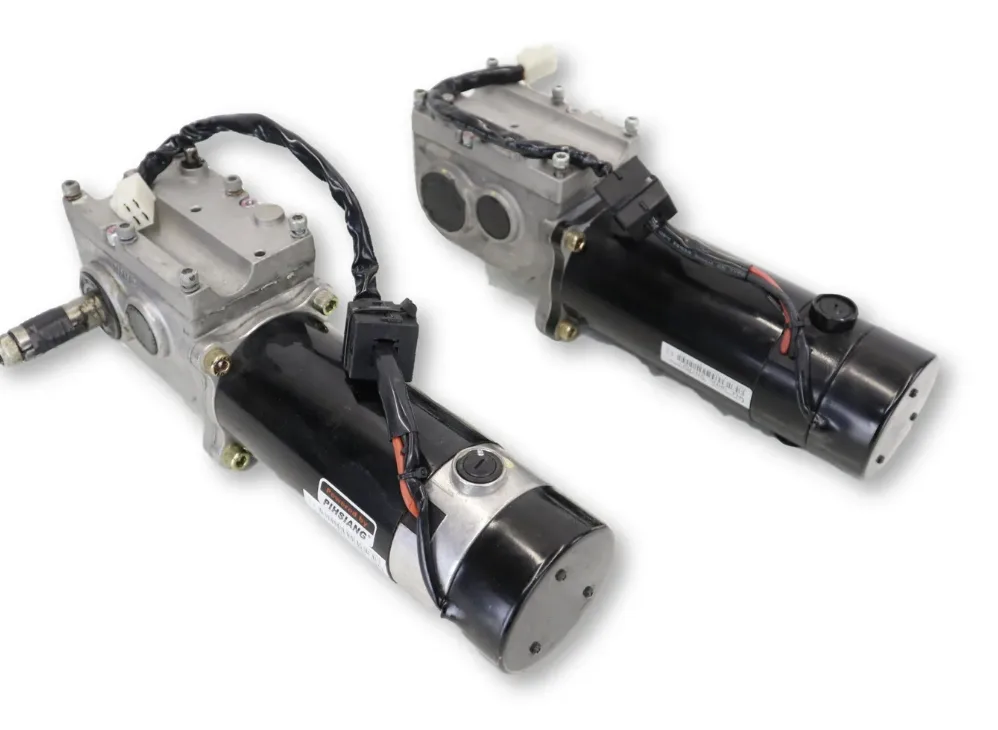
Understanding Automatic Door Motor Power Requirements
Motor power in automatic door systems refers to the electrical energy required to move a door panel under specific conditions. Power is typically measured in watts (W) or horsepower (HP). The correct power rating depends on door mass, friction, and required opening speed.
A standard sliding automatic door weighing 120 kg typically requires a motor in the range of 100–250 W. However, heavier industrial doors may require motors exceeding 500 W. The International Energy Agency reports that optimized motor sizing can reduce energy losses by up to 20% in mechanical systems (iea.org).
For product reference, selecting a properly rated system such as automatic sliding door motor system ensures stable operation under varying load conditions.
Torque Calculation for Automatic Door Systems
Torque determines the rotational force required to initiate and sustain door movement. Torque is calculated using the formula:
Torque (Nm) = Force (N) × Radius (m)
For automatic doors, force includes door weight, friction coefficient, and acceleration requirements. A typical sliding door system requires torque between 5 Nm and 25 Nm depending on size and track resistance.
Key Factors Affecting Torque:
-
Door weight (kg)
-
Track friction coefficient
-
Opening speed (m/s)
-
Gear ratio efficiency
A study from the National Institute of Standards and Technology highlights that improper torque sizing is a leading cause of mechanical failure in automated systems (nist.gov).
Using solutions like high torque automatic door motor can improve performance in heavy-duty applications.
Load Classification and Motor Selection Strategy
Automatic doors can be classified into light, medium, and heavy-duty categories. Each category requires different motor specifications.
| Door Type | Weight Range | Recommended Power | Torque Range |
|---|---|---|---|
|
Light-duty |
<80 kg |
80–150 W |
5–10 Nm |
|
Medium-duty |
80–200 kg |
150–300 W |
10–20 Nm |
|
Heavy-duty |
>200 kg |
300–600 W |
20–40 Nm |
The American Society of Mechanical Engineers emphasizes proper load classification to ensure compliance with safety and durability standards (asme.org).
For medium-load applications, commercial automatic door operator solutions provide balanced efficiency and durability.
Environmental and Operational Considerations
Environmental conditions significantly influence motor performance. High humidity, dust exposure, and temperature fluctuations increase resistance and wear.
Environmental Impact Factors:
-
Temperature extremes affect motor efficiency
-
Dust increases friction in track systems
-
Wind load adds dynamic resistance in exterior doors
According to research published by the National Renewable Energy Laboratory, environmental stress can reduce motor efficiency by up to 15% (nrel.gov).
Selecting systems like heavy duty automatic door motor ensures consistent performance in harsh environments.
Duty Cycle and Motor Longevity
Duty cycle refers to how frequently the door operates within a given time frame. High-traffic environments such as hospitals or shopping centers require motors designed for continuous operation.
Typical Duty Cycle Categories:
-
Low frequency: <50 cycles/day
-
Medium frequency: 50–300 cycles/day
-
High frequency: >300 cycles/day
The Occupational Safety and Health Administration notes that mechanical systems operating beyond rated duty cycles experience accelerated wear and failure risks (osha.gov).
For high-cycle applications, automatic door system for high traffic areas is recommended.
Gear Systems and Efficiency Optimization
Gear systems play a critical role in translating motor power into usable torque. Common gear types include worm gears, planetary gears, and belt-driven systems.
| Gear Type | Efficiency | Noise Level | Application |
|---|---|---|---|
|
Worm Gear |
50–70% |
Low |
Heavy doors |
|
Planetary Gear |
85–95% |
Medium |
Precision systems |
|
Belt Drive |
90–98% |
Low |
Sliding doors |
The U.S. Department of Commerce highlights that high-efficiency gear systems can reduce energy consumption significantly in automated equipment (commerce.gov).
Products like energy efficient automatic door motor integrate optimized gear mechanisms for better performance.
Safety Standards and Compliance Requirements
Automatic door systems must comply with international safety standards such as ANSI/BHMA A156.10 and EN 16005. These standards define force limits, opening speeds, and obstacle detection requirements.
Failure to meet these standards may result in safety hazards and legal liabilities. According to the European Committee for Standardization, improper force control is a major contributor to door-related injuries (cencenelec.eu).
Integrating certified systems like automatic door safety compliant motor ensures adherence to regulations.
Key Takeaways for Motor Selection
The process of selecting motor power and torque should follow a structured methodology
Measure door weight and dimensions accurately
Calculate required torque considering friction and speed
Determine appropriate motor power range
Evaluate duty cycle and environment
Select gear system for efficiency and noise control
Summary conclusion: Proper motor selection reduces failure rates, improves energy efficiency, and ensures regulatory compliance.
FAQ
Q1.What is the difference between motor power and torque in automatic doors?
Motor power refers to energy consumption capacity, while torque represents rotational force. Power determines speed capability, whereas torque ensures the door can move under load. Both must be balanced for stable operation.
Q2.How to calculate torque for a sliding automatic door?
Torque is calculated by multiplying force (door weight and friction) by radius (drive pulley size). Accurate measurement of friction coefficient and door mass is essential for correct calculation.
Q3.What happens if motor power is too low?
Insufficient motor power leads to slow operation, overheating, and premature failure. The system may stall under load, especially in high-traffic or heavy-door scenarios.
Q4.Is higher torque always better for automatic doors?
Higher torque improves load handling but may increase mechanical stress and energy consumption. Optimal torque should match actual operational requirements rather than exceed them excessively.
Q5.How does environment affect motor selection?
Environmental factors such as temperature, humidity, and dust increase resistance and wear. Motors used outdoors or in industrial settings must have higher protection ratings and torque margins.