
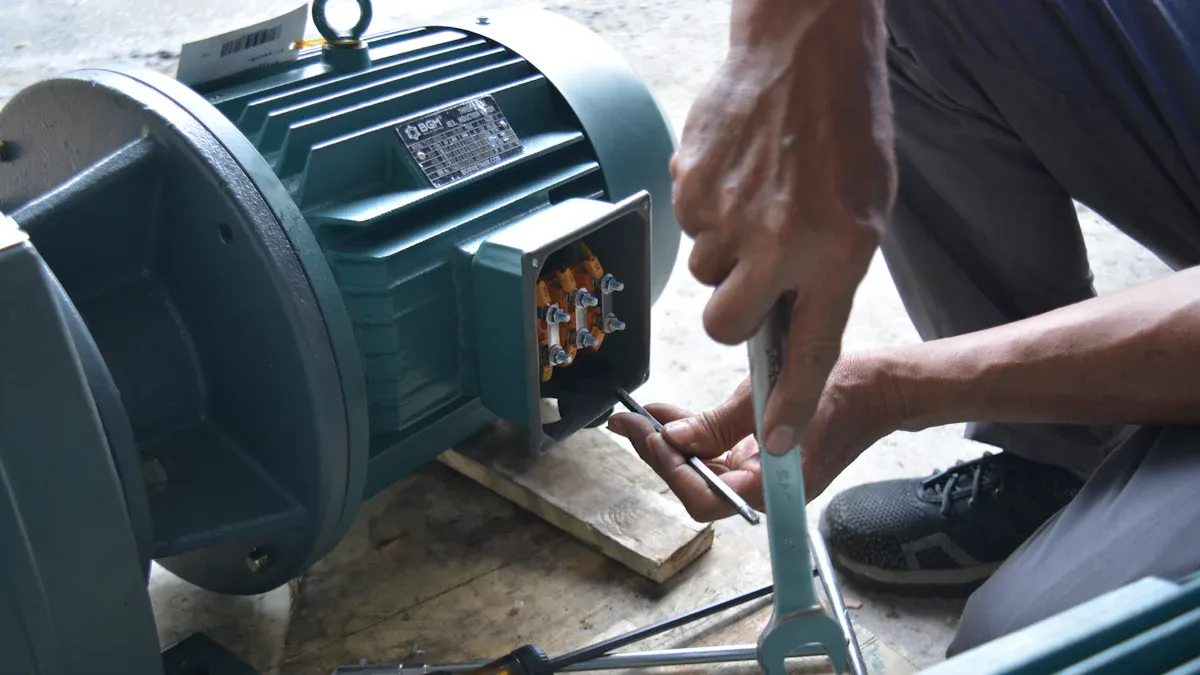
Automatic door motor maintenance does not have to be a daunting task. Discover five straightforward steps that make maintaining your Automatic Door Motor simple and effective. These easy practices ensure reliable operation and extend the lifespan of your automatic doors. Many people wonder what is included in an automatic door maintenance, but these steps clarify the process. A nationwide service network observed that 89% of commercial door failures, including automatic doors, could have been prevented with proper maintenance. This highlights the importance of a consistent automatic door maintenance checklist. If an automatic door not working properly, regular checks can prevent bigger issues. Ningbo Beifan Automatic Door Factory emphasizes how often should automatic door motors be serviced to avoid such problems.
Key Takeaways
- Clean your automatic door motor regularly to prevent dirt and dust from causing damage and shortening its life.
- Lubricate moving parts like gears and tracks to ensure smooth operation and reduce wear on your automatic door.
- Check electrical connections often to prevent power issues and ensure your automatic door works safely and reliably.
- Inspect the drive belt for wear and proper tension to keep your automatic door opening and closing smoothly.
- Listen for strange sounds and watch for changes in how your automatic door moves to catch problems early and avoid big repairs.
Is Your Automatic Door Motor Clean? Start with Regular Cleaning

Why Cleanliness Extends Automatic Door Motor Life
Cleanliness plays a vital role in the longevity of any mechanical system. Dirt and dust act like sandpaper on moving parts. They cause friction and wear. This wear can lead to parts breaking down faster. A clean system also runs cooler. Dirt can trap heat, causing components to overheat. Overheating shortens the life of electrical parts and bearings. Regular cleaning prevents these issues. It helps the system operate smoothly and efficiently. This simple practice saves money on repairs and replacements over time.
Identifying Common Debris Affecting Your Automatic Door Motor
Many types of debris can harm an automatic door system. Dust is a common enemy. It settles everywhere, especially in busy areas. Lint and hair also collect around moving parts. Small objects, like pebbles or paper clips, can get into tracks or gears. Grease and grime build up from the environment or from old lubricants. These materials can clog sensors. They can also jam gears or interfere with electrical connections. Identifying these common culprits helps target cleaning efforts effectively.
Simple Tools for Cleaning Your Automatic Door Motor
Cleaning an Automatic Door Motor does not require complex equipment. Basic tools are often sufficient. A soft-bristled brush helps remove loose dust and debris. A small vacuum cleaner with a hose attachment can suck up dirt from tight spaces. Microfiber cloths are good for wiping surfaces clean. Compressed air cans can blow dust out of crevices. For stubborn grime, a mild, non-abrasive cleaning solution, safe for electronics, can be used with a cloth. Always ensure the power is off before starting any cleaning.
How Often to Clean Your Automatic Door Motor
The frequency of cleaning your automatic door motor depends on several factors. A general guideline suggests cleaning the motor and its surrounding components every three to six months. This schedule works well for most standard installations. However, specific conditions may require more frequent attention.
Consider the environment where the door operates. Doors in dusty areas, like construction sites or manufacturing facilities, accumulate debris faster. These locations demand monthly or bi-monthly cleaning. Doors in clean office environments might only need cleaning every six months. High-traffic doors also gather more dirt and dust. A door used hundreds of times a day collects more contaminants than one used only a few times.
You should also observe the door’s performance. If the door starts to move slower or makes unusual noises, dirt might be interfering. These signs indicate an immediate need for cleaning. Do not wait for the scheduled maintenance if you notice these issues. Proactive cleaning prevents minor problems from becoming major repairs.
Regular cleaning extends the life of your automatic door motor. It prevents wear and tear on moving parts. It also ensures sensors remain clear and functional. This practice helps maintain optimal performance. It reduces the risk of unexpected breakdowns. Ningbo Beifan Automatic Door Factory emphasizes the importance of consistent maintenance. This consistency keeps your automatic doors running smoothly and reliably.
Smooth Operation: Lubricating Your Automatic Door Motor’s Moving Parts
The Importance of Lubrication for Your Automatic Door Motor
Lubrication is crucial for any mechanical system. It ensures the smooth operation of your automatic doors. Proper lubrication prolongs the life of components. It prevents premature failure and costly replacements. Lubrication forms a protective barrier against friction. This reduces wear on moving parts. It allows the gate to open and close effortlessly with minimal noise. By minimizing friction between moving components, it prevents damage and improves performance. Lubrication also protects components from corrosion. This is especially important in harsh weather conditions. It helps reduce energy consumption. This makes the gate operate more efficiently. Lubrication safeguards the Automatic Door Motor from dust, dirt, and moisture. This further extends its life.
Key Lubrication Points for Your Automatic Door Motor
Several parts of an automatic door system require regular lubrication. The main gears within the motor housing need attention. Bearings on rollers and shafts also benefit from lubrication. The tracks where the door slides are critical points. Hinges and pivots on swinging doors also need lubrication. Any part that moves or rubs against another part is a potential lubrication point. Consult your door’s manual for specific recommendations.
Choosing the Right Lubricant for Your Automatic Door Motor
Selecting the correct lubricant is important. Different components require different types. Grease works well for gears and bearings. It provides long-lasting protection. Oil is suitable for smaller, faster-moving parts. Silicone spray is often good for tracks and rubber seals. It does not attract dirt. Always use lubricants recommended by the manufacturer. Using the wrong type can cause damage. Avoid general-purpose oils. They can attract dust and grime. This can lead to more problems.
Proper Lubrication Techniques for Your Automatic Door Motor
Applying lubricant correctly ensures maximum benefit. First, always disconnect power to the automatic door motor. This prevents accidental activation during maintenance. Safety is paramount.
Next, clean the parts before applying any lubricant. Remove old grease, dirt, and debris. A clean surface allows the new lubricant to work effectively. Use a clean cloth or brush for this step.
Apply lubricant sparingly. Too much lubricant can attract dust and dirt. This creates a sticky mess. For gears, apply a thin layer of grease directly to the teeth. Rotate the gears manually to distribute the grease evenly. For bearings, apply a small amount of grease or oil. Ensure it penetrates the bearing housing.
For tracks, use a silicone-based spray. Spray a light, even coat along the entire length of the track. Wipe away any excess with a clean cloth. This prevents buildup. For hinges and pivots, a few drops of oil usually suffice. Work the hinge back and forth to spread the oil.
💡 Tip: Always consult the automatic door motor’s manual. Manufacturers often provide specific lubrication instructions and recommended products. Following these guidelines prevents damage and ensures optimal performance.
After lubrication, reconnect the power. Operate the door a few times. Listen for any unusual noises. Observe the door’s movement. It should operate smoothly and quietly. If the door still makes noise or moves stiffly, re-check the lubrication points. Sometimes, a second application helps. Proper technique extends the life of the automatic door motor. It also maintains efficient operation.
Power Check: Inspecting Electrical Connections of Your Automatic Door Motor
Safety First: Disconnecting Power to Your Automatic Door Motor
Safety always comes first when working with electrical components. Before anyone touches any part of the automatic door system, they must disconnect its power. Locate the circuit breaker or power switch that controls the door. Turn it off completely. This prevents accidental shocks or the door activating unexpectedly. Confirm the power is off by trying to operate the door. A dead door means a safe working environment. This crucial step protects the person performing the maintenance.
Checking Wires for Your Automatic Door Motor
After ensuring safety, inspect the wiring. Look closely at all visible wires connected to the Automatic Door Motor. Check for any signs of wear or damage. Frayed insulation can expose live wires. Cracks in the wire casing can lead to short circuits. Loose connections are also a common problem. They can cause intermittent power supply. If the automatic door works only occasionally, it could indicate the motor is losing power or experiencing wiring issues. Similarly, an inconsistent remote or wall button response might point to fluctuating power output from a failing motor or faulty wiring. Ensure all wires sit securely in their connectors. Gently tug on each wire to test its connection.
Inspect Terminals on Your Automatic Door Motor
Terminals are the points where wires connect to the motor and other electrical components. Examine these terminals for corrosion. Corrosion often appears as a green or white powdery substance. It can hinder electrical flow. Also, check for any signs of overheating, such as discoloration or melted plastic around the terminals. Ensure all terminal screws are tight. Loose terminals can create resistance. This resistance generates heat and can damage the motor over time. A clean, tight connection ensures a steady and reliable power supply to the motor.
Ensuring Secure Connections for Your Automatic Door Motor
After inspecting wires and terminals, technicians must ensure all connections remain secure. Loose connections cause many problems for an automatic door motor. They lead to intermittent operation, where the door works sometimes and fails at other times. Loose connections also generate heat. This heat can damage the motor’s internal components or even cause a fire. Therefore, securing every connection is a critical step in maintenance.
Technicians should use the correct tools to tighten all terminal screws. A screwdriver of the appropriate size prevents stripping the screw head. They turn each screw until it feels snug. Over-tightening can strip the screw or damage the terminal. Under-tightening leaves the connection vulnerable to vibration and movement. A properly tightened screw holds the wire firmly in place.
Furthermore, technicians confirm wires are fully seated in their connectors. Sometimes, a wire might appear connected but only partially inserts into the terminal. This partial connection creates high resistance. High resistance leads to heat buildup and poor electrical flow. Technicians gently tug on each wire to test its seating. A wire that pulls out easily needs re-insertion and re-tightening.
Ensuring secure connections prevents electrical arcing. Arcing occurs when electricity jumps across a gap in a loose connection. Arcing generates intense heat and can burn components. It also creates electrical noise, which interferes with the motor’s control system. A stable electrical supply allows the automatic door motor to operate efficiently. It also extends the motor’s lifespan. This careful attention to detail protects the entire automatic door system.
Drive System Health: Checking the Belt of Your Automatic Door Motor
The Role of the Drive Belt in Your Automatic Door Motor’s Function
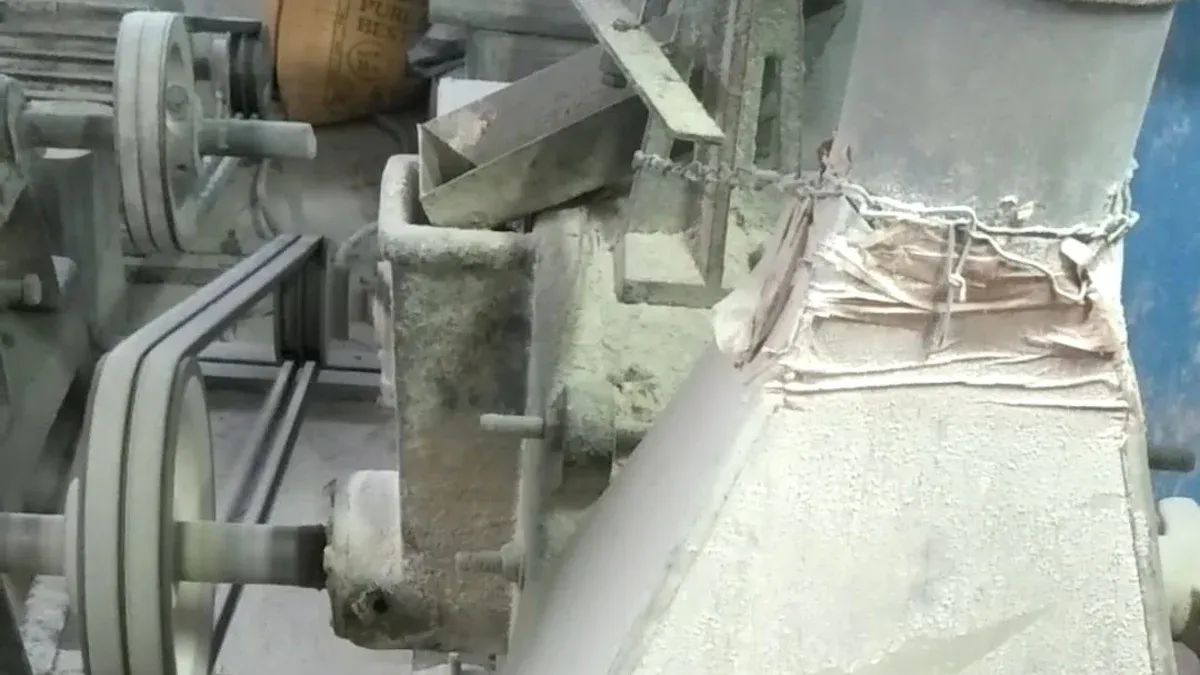
The drive belt is a critical component in many automatic door systems. It connects the Automatic Door Motor to the door’s moving mechanism. This belt transfers the power from the motor. It allows the door to open and close smoothly. A well-functioning belt ensures efficient and quiet operation. These belt drive systems are known for their durability. With proper care, belt drive systems can last 12 to 16 years. Some belt-driven operators even last as long as 15-20 years. This often exceeds the lifespan of chain-drive models.
Visual Inspection of Your Automatic Door Motor’s Belt
Regular visual inspection of the drive belt helps identify potential problems early. Look for any signs of wear or damage. Check the belt for cracks, fraying, or tears. These indicate the belt is weakening. Also, observe the belt’s surface for any glazing or shiny spots. This suggests excessive friction. A worn belt can slip. It can also break unexpectedly. This causes the door to stop working. Ensure the belt sits correctly on its pulleys. It should not be rubbing against other parts.
Assessing Proper Belt Tension for Your Automatic Door Motor
Proper belt tension is essential for the automatic door’s performance. A belt that is too loose can slip. This reduces the motor’s efficiency. It also causes inconsistent door movement. A loose belt might also make a flapping noise. Conversely, a belt that is too tight puts extra strain on the motor and bearings. This can lead to premature wear. It can also cause the motor to overheat.
💡 Tip: Most manufacturers provide guidelines for proper belt tension. You can often check tension by pressing on the belt. It should have a slight amount of give, typically around half an inch of deflection. Refer to your door’s manual for exact specifications. Adjusting belt tension usually involves tightening or loosening a specific bolt or mechanism. Always ensure the power is off before making any adjustments.
Consequences of Incorrect Belt Tension for Your Automatic Door Motor
Incorrect belt tension significantly impacts an automatic door motor’s performance and lifespan. Both overly tight and excessively loose belts create serious problems. Understanding these consequences helps prevent costly repairs and ensures reliable operation.
An overly tight belt places immense strain on the entire system. It adds stress to the motor’s bearings. This stress can lead to motor over-amperage. It also causes potential motor failure. Excessive strain can pull the motor shaft out of alignment. This misalignment places additional stress on bearings. It causes premature failure. An overly tight belt also increases friction and wear. This accelerates wear on the belt itself. It leads to cracking, fraying, or breakage. High radial loads generated by tight belts can damage bearing housings and supporting structures. Increased resistance forces the motor to work harder. This causes the motor to overheat. Overheating can lead to motor failure. Shaft warping or bending can also occur. This further misaligns components and affects machine performance.
Conversely, a loose belt also causes many issues. It reduces power transmission efficiency. Slippage decreases power transfer from the motor. It wastes energy. Excessive friction from slippage generates heat. This heat damages belts and machinery. It also poses a fire risk. Inconsistent performance and excessive vibrations lead to early failure of the belt. They also damage related components like bearings. A loose belt can cause motor over-amperage. The motor works harder to compensate for slippage. This leads to premature wear on pulleys and the front motor bearing. Slippage also causes rapid wear. Excessive friction and heat from slipping cause premature belt failure. Irregular movement and vibration stress components like bearings and shafts. This leads to accelerated wear.
Listen and Observe: Monitoring Your Automatic Door Motor for Changes
Listening for Unusual Sounds from Your Automatic Door Motor
Your automatic door often tells you when something is wrong. It does this through sounds. Pay close attention to any new or strange noises. Normal operation should be relatively quiet. Unusual sounds can signal a problem with the Automatic Door Motor or other parts. For example, listen for straining sounds. These might mean the motor works too hard. Grinding noises often point to worn gears or bearings. Buzzing sounds can indicate electrical issues. Any of these noises suggest a need for closer inspection. Early detection of these sounds can prevent bigger problems.
Observing Performance Changes in Your Automatic Door Motor
Beyond sounds, observe how your automatic door moves. Does it open or close slower than usual? Does it stop unexpectedly? Does it hesitate during its cycle? These are all signs of performance changes. The door might also not open fully. It could also fail to close completely. Sometimes, the door might reverse direction without a clear reason. These changes indicate that something is not working correctly. Consistent and smooth operation is the goal. Any deviation from this smooth operation needs attention.
Identifying Potential Causes of Unusual Behavior in Your Automatic Door Motor
Many things can cause unusual behavior in an automatic door. Dirt and debris are common culprits. They can block sensors or jam moving parts. Worn-out components also cause problems. These include worn belts, gears, or bearings. Electrical issues can also lead to strange operation. Loose wires or faulty sensors are examples. Sometimes, the problem comes from incorrect settings. The door’s speed or force might be set wrong. Environmental factors like extreme cold or heat can also affect performance. Identifying the cause helps you fix the problem quickly.
The Importance of Early Detection for Your Automatic Door Motor
Early detection of problems offers significant benefits for an automatic door motor. It prevents small issues from growing into major failures. A minor unusual sound or a slight change in speed can signal an upcoming problem. Ignoring these early warnings often leads to more severe damage. This damage requires more extensive and costly repairs.
Catching problems early saves money. Addressing a loose belt or a dirty sensor is much cheaper than replacing a burnt-out motor. Regular checks help identify wear and tear before it causes a breakdown. This proactive approach avoids emergency repair costs. It also reduces the need for expensive replacement parts.
Early detection also minimizes downtime for the automatic door. A door that stops working completely can disrupt business operations. It can also create security risks. Identifying and fixing issues during routine maintenance keeps the door operational. This ensures continuous service for customers and employees.
💡 Tip: Implement a simple checklist for daily or weekly observations. This helps staff quickly report any changes. Early reporting allows for prompt investigation and resolution.
Furthermore, early detection enhances safety. A malfunctioning automatic door poses a safety hazard. It can close unexpectedly or fail to open. This puts people at risk of injury. Addressing issues promptly ensures the door operates safely. It protects everyone who uses the entrance.
Finally, early detection extends the overall lifespan of the automatic door motor. Consistent monitoring and timely repairs keep all components in good condition. This prevents premature aging and failure of the system. A well-maintained motor lasts longer. It provides reliable service for many years. Ningbo Beifan Automatic Door Factory emphasizes this point. They know that regular checks are key to long-term performance.
Safety First: Testing Sensors and Emergency Features of Your Automatic Door Motor
Why Sensor Functionality is Crucial for Your Automatic Door Motor
Sensor functionality is vital for automatic doors. Sensors prevent accidents. They ensure the door does not close on people or objects. Automatic doors must have safety sensors to prevent closing on people or objects. Doors should minimize the risk of entrapment, especially for children. They also protect individuals with mobility impairments. Design should minimize the risk of fingers or body parts getting trapped. Doors need an easily accessible emergency stop button. Clear signage must mark doors with operating instructions and safety warnings.
Compliance with regulations is also important. The Americans with Disabilities Act (ADA) mandates sufficient time for disabled individuals to enter or exit safely. It specifies height and force for door operation. The International Building Code (IBC) covers guidelines for accessible routes and sensor placement. It also covers the integration of automatic doors within building design. National Fire Protection Association (NFPA) Standards govern fire and life safety. This impacts the placement and operation of automatic doors, especially where fire safety is critical. ANSI/BHMA Standards establish construction and performance standards for building hardware. This includes automatic door sensors. These standards ensure durability, functionality, and safety.
How to Test Your Automatic Door Motor’s Sensors
Testing automatic door sensors is a straightforward process. First, visually inspect the sensors. Check their alignment. Look for any visible damage to sensors or wiring. Next, clean the sensors. Remove dust and debris from sensor lenses. Ensure a clear line of sight.
Then, test using an object. Place a solid object, like a box or broomstick, in the door’s path. Observe if the door stops and reverses or remains open. If applicable, test pressure sensors. Step on the pressure mat or apply weight to the pressure-sensitive area. Check the door’s response.
Test each sensor individually. Cover one sensor at a time with cardboard. Activate the door. Repeat this for all sensors. Check sensor sensitivity. Gradually introduce smaller objects to test sensitivity. Adjust settings if necessary. Conduct regular functionality tests. Monthly tests are recommended. Document the results.
Verifying the Auto-Stop Mechanism of Your Automatic Door Motor
Verifying the auto-stop mechanism is essential for safety. This feature ensures the door stops if it encounters an obstruction. To test this, stand in the door’s path as it closes. The door should stop and reverse direction before making contact. This confirms the auto-stop mechanism works correctly. This test is crucial for the safety of all users. It prevents injuries and damage to the door.
Checking Emergency Release Features for Your Automatic Door Motor
Emergency release features are vital for automatic doors. They allow manual operation during power outages or system failures. These features ensure people can exit or enter a building safely. They also prevent individuals from becoming trapped. Every automatic door system includes some form of emergency release. Knowing how to use it is crucial for safety.
Locate the emergency release mechanism on your automatic door motor. It often appears as a handle or a lever. Sometimes, it is a pull cord. The door’s manual provides exact instructions for its location and operation. Familiarize yourself with this mechanism.
To test the emergency release, first ensure the door is in a safe position. It should be fully open or fully closed. Disconnect power to the automatic door motor. This simulates a power failure. Then, activate the emergency release. The door should disengage from the motor. You should then be able to move the door manually. It should move freely and smoothly. If the door feels stiff or jammed, something is wrong.
After testing, re-engage the door with the motor. Reconnect the power. Operate the door a few times automatically. This confirms proper re-engagement. The door should function normally. If it does not, consult a professional technician. Regular checks of these features are important. They ensure the door remains safe and functional in an emergency.
💡 Tip: Practice using the emergency release feature once every six months. This ensures you know how to operate it quickly when needed.
This simple check confirms the door’s safety systems work. It provides peace of mind. It also protects everyone who uses the automatic door. Ningbo Beifan Automatic Door Factory designs its motors with these critical safety features in mind. They prioritize user safety and reliable operation.
Operational Test: Observing Full Cycles of Your Automatic Door Motor
The Value of Full Cycle Observation for Your Automatic Door Motor
Observing full cycles of an automatic door provides crucial insights. It helps confirm the door operates correctly after maintenance. This step allows technicians to see the entire process. They can identify subtle issues missed during static checks. Full cycle observation ensures all components work together seamlessly. It verifies the door opens and closes smoothly. This practice confirms the door meets safety and performance standards. It also helps prevent future malfunctions.
What to Look for During Automatic Door Motor Operation
During operation, technicians look for several key indicators. They observe the door’s speed. It should move consistently without hesitation. They listen for unusual noises. Grinding, squeaking, or straining sounds indicate problems. Technicians watch the door’s path. It should move along its track without wobbling or sticking. They check the stopping points. The door must stop precisely at its fully open and fully closed positions. They also ensure the door reverses correctly if it encounters an obstruction. Smooth and quiet movement signifies proper function.
Identifying Operational Problems with Your Automatic Door Motor
Observing full cycles helps identify specific operational problems. These issues often point to underlying component failures or adjustments needed for the Automatic Door Motor. Technicians look for these common signs:
- The door tries to open farther instead of closing when prompted.
- The door flops back into the open position after attempting to close.
- The door can only be closed manually.
- The door opens perfectly every time and stops at the proper position.
- The door seems to ‘think it’s starting from closed and needs to open again’ when asked to close.
- The rear latch is extra sensitive and not properly functional. It cycles when touched slightly and lacks a good ‘pull’ compared to the other door.
Ensuring Smooth and Consistent Performance of Your Automatic Door Motor
Achieving smooth and consistent performance from an automatic door motor is the ultimate goal of maintenance. This means the door operates without delays, hesitation, or inconsistent movement. A well-maintained motor ensures the door opens and closes reliably every time. It moves smoothly and consistently without struggling or jerking. This consistent operation confirms the motor and its components work in harmony.
Quiet operation is a key indicator of a healthy motor. Technicians listen for the absence of unusual noises. The motor should run free from grinding, buzzing, rattling, or squealing sounds. Low noise levels, often below 50dB, signify optimal function. This quietness often comes from an integrated motor and gearbox design, which reduces vibration.
High efficiency and a long working life are also hallmarks of consistent performance. A motor designed for strong driving and reliable operation, even with heavy doors, demonstrates its quality. Manufacturers often design these motors for millions of cycles, sometimes up to 10 years of service. Stable and reliable operation often results from advanced features like helical gear transmission. This design provides high output torque. Accurate control with Hall signal output further enhances precision. These features ensure the door responds precisely to commands. They contribute to the motor’s overall reliability and longevity.
Maintaining an automatic door motor is genuinely easy with these practical steps. Regular, simple checks prevent major issues. They also ensure long-term reliability for the door system. Readers can embrace this checklist to extend the life of their automatic doors. This helps avoid costly repairs. They have proven that automatic door motor maintenance is far from hard!
FAQ
How often should automatic door motor maintenance occur?
Regular cleaning should happen every three to six months. High-traffic or dusty areas need more frequent checks. A professional inspection is advisable at least once a year.
What are common problems with automatic door motors?
Common issues include dirt buildup, loose electrical connections, worn belts, and faulty sensors. These problems often cause inconsistent operation or complete failure.
Can I perform all automatic door motor maintenance myself?
Users can handle basic tasks like cleaning, lubrication, and visual inspections. Complex repairs, electrical work, or significant adjustments require a qualified professional technician.
How do I know if my automatic door motor needs repair?
Look for unusual noises, slow operation, inconsistent movement, or failure to open/close properly. These signs indicate a potential need for repair. Early detection prevents bigger issues.