

The optimal automatic electric door opener depends entirely on specific needs and priorities. The market for these systems shows significant growth, with a projected year-over-year increase of 6.4% from 2024 to 2025. Businesses and institutions increasingly adopt an automatic open and close door system for various applications. Determining the best fit requires a comprehensive analysis of both sliding and swing automatic door solutions. A glass door automatic opener, for instance, might utilize an automatic sliding glass door sensor or an automatic swing door motor, depending on the architectural design. Many modern sliding systems use a dc sliding motor for smooth operation.
Key Takeaways
- Sliding doors save space. They work well in busy places. They are good for many people.
- Swing doors need more room. They are better for fewer people. They look more classic.
- Both door types help people with disabilities. They make it easier for everyone to enter.
- Sliding doors can lose more air. Swing doors seal better. This affects heating and cooling costs.
- Talk to door experts. They help you choose the best door. They make sure it is safe and works well.
Space Requirements for Automatic Electric Door Openers
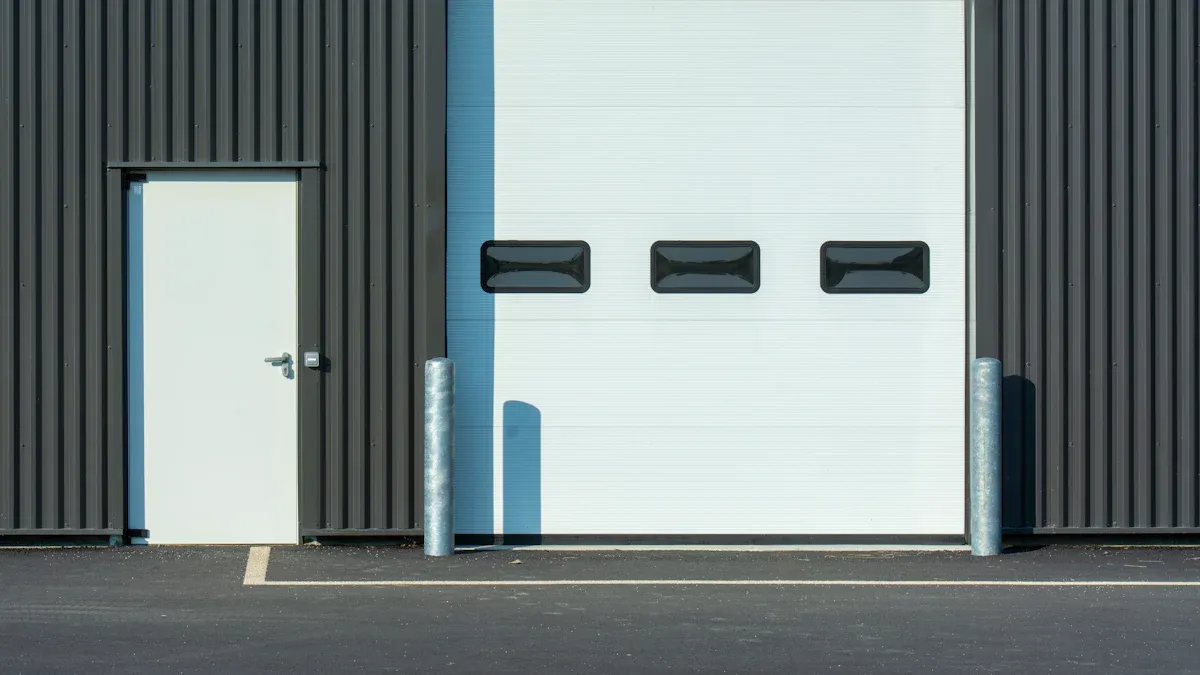
The physical footprint of an automatic door system significantly influences its suitability for a given location. Property managers must carefully evaluate available space before selecting between sliding and swing mechanisms. This consideration directly impacts traffic flow and overall building functionality.
Sliding Door Space Efficiency
Sliding automatic doors offer exceptional space efficiency. They operate by moving horizontally along a track, typically parallel to an adjacent wall or within a pocket. This design eliminates the need for a clear swing radius. Consequently, sliding doors are ideal for narrow hallways, busy entrances, or areas where space is at a premium. Their compact operation maximizes usable floor space, making them a preferred choice for retail stores, hospitals, and office buildings. A well-designed sliding automatic electric door opener system ensures smooth movement without encroaching on pedestrian zones.
Swing Door Space Demands
Swing automatic doors, conversely, require a substantial amount of clear space for their operation. These doors pivot on hinges, opening either inward or outward. This swinging motion necessitates an unobstructed arc, which can limit furniture placement or pedestrian movement near the doorway. For instance, a standard single swing door needs a clear area equal to its width for opening. Double swing doors demand even more space. While they offer a traditional aesthetic, their spatial requirements make them less suitable for confined areas. Property owners often choose swing doors for wider entrances where ample clearance is available, such as main building entrances or specific internal passages.
Traffic Flow and Volume Considerations
The volume and direction of pedestrian traffic significantly influence the optimal choice between sliding and swing automatic door systems. Businesses must select a system that efficiently manages daily footfall without creating bottlenecks or safety hazards.
High-Traffic Suitability for Sliding Doors
Sliding automatic doors excel in high-traffic environments. Their design allows for rapid, unobstructed passage of numerous individuals. These doors open completely, creating a wide, clear pathway. This feature prevents congestion, especially during peak hours. Retail stores, airports, and large corporate lobbies frequently deploy sliding doors. They efficiently handle a continuous flow of people entering and exiting simultaneously. A sliding door system ensures smooth movement and minimizes waiting times for users. 🚶♀️🚶♂️
Swing Doors in Moderate Traffic
Swing automatic doors are more suitable for locations experiencing moderate traffic volumes. While they provide a welcoming entrance, their opening arc can momentarily impede traffic flow. This characteristic makes them less efficient for constant, heavy pedestrian movement. Office buildings, smaller clinics, or specific internal departments often utilize swing doors. They offer a controlled entry point without the need for continuous high-speed operation. Property managers find swing doors effective where traffic surges are infrequent.
One-Way vs. Two-Way Traffic Patterns
Traffic patterns also dictate the best door choice. Sliding doors effectively manage two-way traffic. They offer separate or combined lanes for entry and exit, facilitating simultaneous movement without collision. This design is crucial for busy public spaces. Conversely, swing doors can manage two-way traffic, but they require more coordination from users. A single swing door opening inward might obstruct someone trying to exit. For one-way traffic, such as an exit-only door, both types can function well, but sliding doors still offer superior throughput. Consider the specific flow dynamics of your space.
Accessibility and User Experience
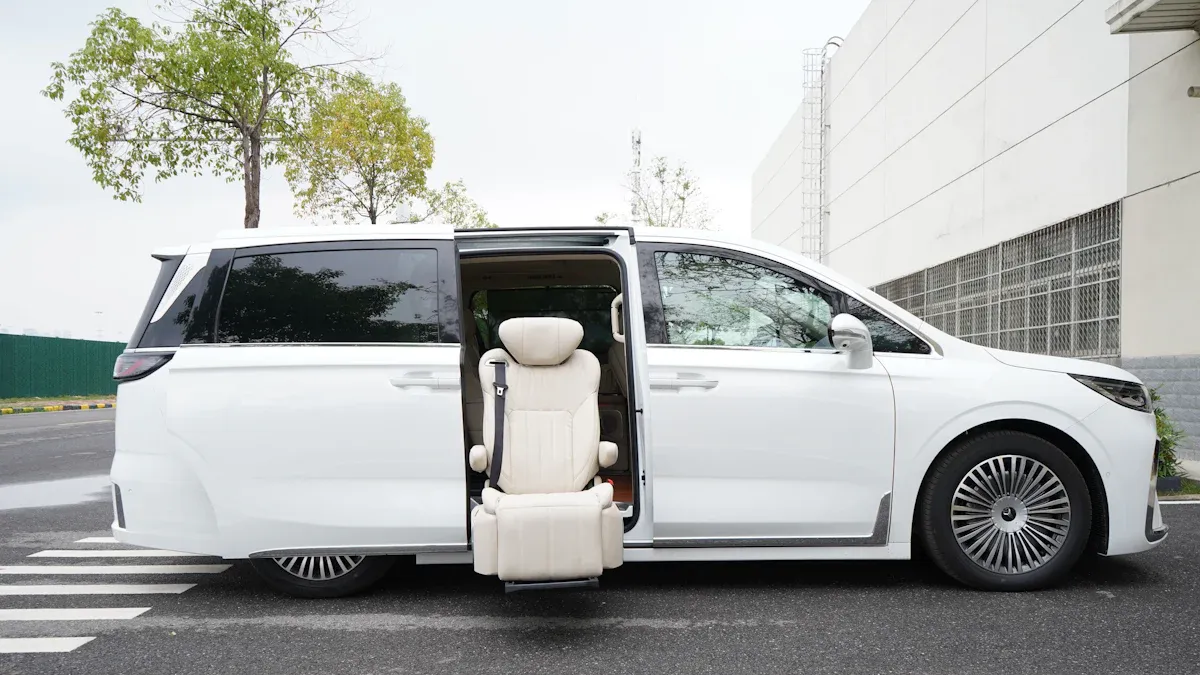
Automatic door systems significantly enhance accessibility and improve the user experience for everyone. They remove physical barriers, allowing smooth passage for individuals with diverse needs. Businesses and public institutions prioritize these features to create inclusive environments.
ADA Compliance with Sliding Automatic Doors
Sliding automatic doors often meet or exceed Americans with Disabilities Act (ADA) compliance standards. Their design inherently provides a wide, clear opening. Specific ADA requirements for automatic doors, including sliding doors, include:
- A minimum clear width of 32 inches when the door is open.
- A maximum opening force of 5 pounds.
- A minimum of 3 seconds for the door to fully open.
- A minimum of 5 seconds for the door to remain open.
- The inclusion of safety sensors prevents the door from closing on users.
- Accessible actuators allow for manual operation, if such operation becomes necessary.
Full power automatic sliding doors with a ‘Break Out’ feature must also provide a minimum clear width of 32 inches in emergency mode. An exception applies where manual doors complying with the standard serve the same means of egress. In these cases, clear width requirements for break out openings do not apply.
Enhancing Accessibility with Swing Automatic Doors
Swing automatic doors also contribute to accessibility, particularly in specific settings. They offer a controlled opening, which some users find reassuring. These doors can provide a wider clear opening than a manual swing door of the same size. This allows easy passage for wheelchairs, strollers, or individuals using mobility aids. Proper sensor placement and slow opening speeds further enhance safety and accessibility for all users.
Ease of Use for Diverse Users
Both sliding and swing automatic doors offer unparalleled ease of use for a diverse range of individuals. People pushing carts, carrying packages, or navigating with children find automatic doors highly convenient. They eliminate the need to physically push or pull a heavy door. This convenience extends to individuals with temporary injuries or those with limited strength. The automated operation ensures a seamless and effortless entry or exit for everyone.
Aesthetic Impact and Design Integration
The visual appeal of automatic door openers plays a crucial role in a property’s overall design. Architects and property owners carefully consider how these systems integrate with the building’s aesthetic. The choice between sliding and swing doors significantly influences the perceived style and modernity of an entrance.
Modern Appeal of Sliding Door Openers
Sliding automatic door openers often convey a sleek, contemporary aesthetic. Their smooth, horizontal movement and minimalist design complement modern architectural styles. Property owners can select from a diverse array of materials, colors, and finishes to align with their personal taste. Options include sleek glass panels for a contemporary feel or warm wood tones for a cozy ambiance. This design diversity extends to glass tinting, framing materials, and finish choices, allowing for perfect architectural integration. Beyond visual appeal, these openers boost functionality by integrating seamlessly into smart homes. They offer features like programmable access and energy-efficient operation. This blend of aesthetics and practicality has garnered recognition in design awards and trend analyses, solidifying their role in modern architecture. Modern sliding door openers are engineered for seamless compatibility with popular smart home platforms. Users can manage their doors alongside other devices such as lights, thermostats, and security systems. This integration facilitates a unified automation system, enabling control via a single app or voice command.
Traditional Elegance of Swing Door Openers
Swing automatic door openers often evoke a sense of classic elegance and tradition. Their familiar opening motion can create a grand entrance, especially when paired with ornate door designs or high-quality materials like solid wood or decorative metal. These doors suit buildings aiming for a more classic or stately appearance, such as historical landmarks, luxury hotels, or traditional office buildings. They offer a welcoming, familiar gesture that aligns with established architectural norms. The substantial feel of a swing door can also contribute to a perception of security and permanence.
Customization for Property Aesthetics
Both sliding and swing automatic door systems offer extensive customization options. This allows property managers to tailor the doors to specific aesthetic requirements. Manufacturers provide a wide range of finishes, colors, and materials, including various types of glass, metals, and wood veneers. Customization extends to hardware, such as handles and frames, ensuring a cohesive look. For instance, a building with a minimalist design might opt for frameless glass sliding doors, while a more traditional establishment might choose bronze-framed swing doors. This flexibility ensures the automatic door system enhances, rather than detracts from, the property’s unique visual identity.
Security Features of Automatic Electric Door Openers
Security remains a paramount concern for any property owner installing an automatic door system. Both sliding and swing automatic doors offer various security features. These features protect assets, control access, and ensure the safety of occupants. Property managers must evaluate these capabilities when selecting an automatic electric door opener.
Security Strengths of Sliding Systems
Sliding automatic doors provide robust security measures. They often integrate with advanced access control systems. These systems use technologies like card readers, biometric scanners (fingerprint or facial recognition), or mobile credentials. They manage who can enter and when, ensuring only authorized individuals activate the door operators. These systems also create a digital record of entry and exit. Manufacturers construct these doors with reinforced materials and offer various glazing options. Choosing strong materials like hollow metal doors or steel commercial doors enhances durability and resistance to impact and forced entry. Specialized glass doors can also be integrated for security. Furthermore, sliding systems often connect to integrated alarm and surveillance systems. Connecting automatic doors to security cameras and alarm systems provides constant monitoring. Cameras record activity, and integrated alarms trigger alerts to security personnel or authorities if tampering or forced entry occurs. Visible cameras and sensors also act as deterrents. To enhance the security of sliding automatic doors, robust locking mechanisms or reinforced tracks can be added.
Enhanced Security of Swing Systems
Swing automatic doors also offer significant security advantages. Their traditional hinge-based operation often allows for more conventional locking mechanisms, such as deadbolts or multi-point locking systems, which can be highly resistant to forced entry. Manufacturers can reinforce the door frames and panels with steel or other durable materials. This makes them difficult to breach. Many swing doors also feature heavy-duty hinges that resist tampering. The physical presence of a solid swing door often acts as a strong visual deterrent.
Integration with Access Control Systems
Both sliding and swing automatic door systems seamlessly integrate with comprehensive access control systems. This integration allows for centralized management of entry points. Facilities can implement time-based access, restrict entry to specific personnel, or manage visitor access efficiently. These systems often include features like remote locking and unlocking, audit trails, and real-time monitoring. This provides a high level of control and accountability over who enters and exits a building.
Energy Efficiency and Climate Control
Automatic door systems significantly influence a building’s energy efficiency and climate control. Property managers must consider how each door type affects indoor temperatures and HVAC system performance. Selecting the right system directly impacts operational costs and occupant comfort.
Air Loss with Sliding Automatic Doors
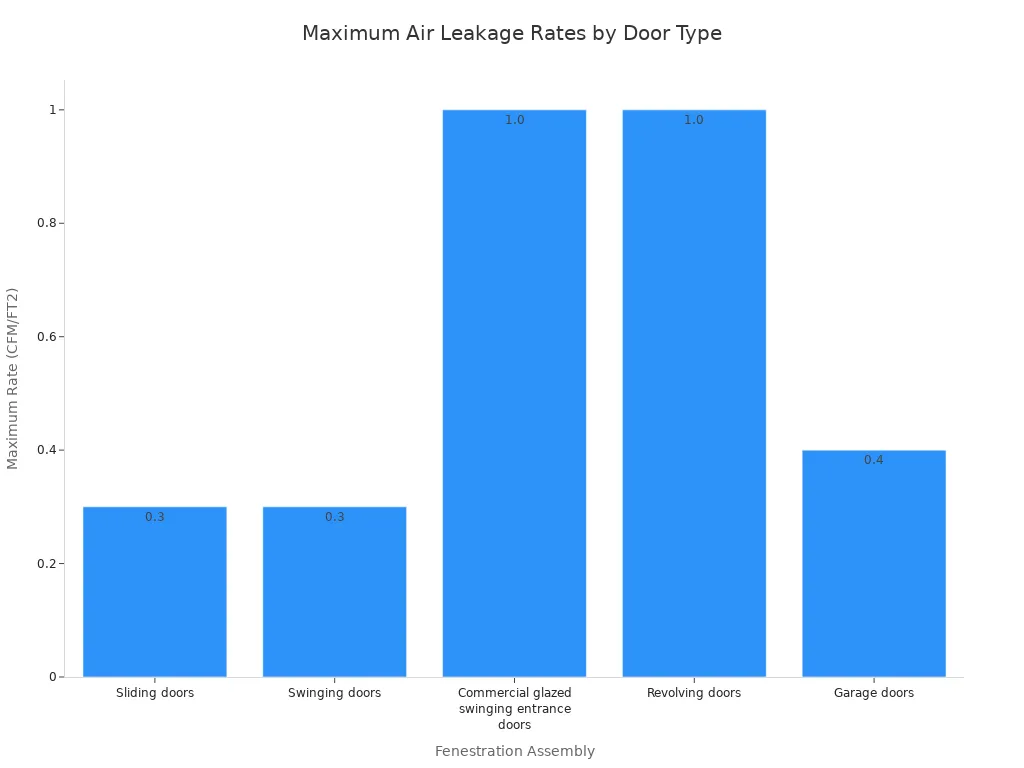
Sliding automatic doors can contribute to air loss, impacting a building’s climate control. Their operational design, which involves horizontal movement along a track, creates small gaps. These gaps allow conditioned air to escape and unconditioned air to enter. This air exchange can be more pronounced in high-traffic areas where doors open and close frequently. The maximum air leakage rate for sliding doors is typically 0.30 CFM/FT2. This rate indicates the volume of air passing through the door per minute per square foot of door area.
Minimizing Air Leakage with Swing Doors
Swing automatic doors generally offer better air sealing capabilities. They close against a frame, creating a tighter seal than many sliding systems. This design minimizes drafts and reduces the exchange of indoor and outdoor air. Standard swinging doors also have a maximum air leakage rate of 0.30 CFM/FT2, similar to sliding doors. However, their closing mechanism often provides a more consistent seal. This makes them a favorable option for environments requiring strict temperature control. Specialized weather stripping and robust door frames further enhance their sealing performance.
Impact on HVAC Costs and Performance
Air leakage directly impacts a building’s heating, ventilation, and air conditioning (HVAC) costs. Doors with higher leakage rates force HVAC systems to work harder. They must compensate for the constant loss of conditioned air. This increased workload leads to higher energy consumption and elevated utility bills. Poor sealing also reduces the overall performance and lifespan of HVAC equipment. Maintaining a stable indoor climate becomes more challenging. Property owners prioritize doors with superior sealing properties to optimize energy efficiency and reduce long-term operational expenses.
Durability and Longevity of Automatic Door Openers
The long-term performance of an automatic door system depends heavily on its durability and the longevity of its components. Property managers must consider the wear and tear characteristics of each door type to ensure a reliable and cost-effective solution.
Wear and Tear on Sliding Mechanisms
Sliding automatic doors experience specific types of wear due to their operational mechanics. Sensors can fail, becoming dirty, misaligned, or developing wiring problems. This prevents the door from opening or causes slow operation. Track misalignment also presents a common issue. Dirt, corrosion, or impacts can misalign the tracks, leading to jamming, dragging, or failure to close properly. Heavy use can wear out the motor, belts, gears, or bearings in the drive system. This results in slow, uneven movement or complete door stoppage. Problems with door control or access systems, such as card readers, can also prevent proper door operation. Furthermore, misaligned doors or worn seals can cause drafts, dust, or noise, reducing comfort and energy efficiency. Neglecting routine maintenance often leads to components wearing out or becoming misaligned over time, including worn rollers, loose tracks, or faulty wiring. Debris or obstructions in the door tracks can also cause the doors to jam or move irregularly.
Durability of Swing Door Components
Swing automatic doors also exhibit specific wear patterns. Sensor malfunctions can occur due to obstructions, misalignment, dust, debris, or environmental factors like direct sunlight. Strange noises, such as grinding or squeaking, often indicate a lack of lubrication or an obstruction within the mechanism. Power issues, relating to the breaker, fuses, or the power supply itself, can prevent proper operation. Door misalignment happens when the door hangs incorrectly or hits the frame. Additionally, the door may fail to open or close fully due to problems with the closing mechanism, power supply issues, or loose cables and connections.
Material Quality and Expected Lifespan
The quality of materials and components significantly influences the expected lifespan of any automatic electric door opener. Industry standards suggest that automatic sliding doors typically last between 10 and 15 years. However, high-frequency use or harsh environmental conditions can shorten this lifespan. Timely maintenance and upgrades can extend it. For instance, a high-quality motor can last 10 to 20 years with proper care. The gear assembly, with regular maintenance, can last approximately 5 to 10 years. Control boards and safety sensors generally have a lifespan of 5 to 10 years. Remote control devices usually last 2 to 5 years, depending on usage and battery life. Investing in high-quality materials and adhering to a strict maintenance schedule maximizes the longevity and reliability of the door system.
Installation and Maintenance Costs
Property owners must consider both initial setup expenses and ongoing operational costs when choosing an automatic door system. These financial aspects significantly impact the overall return on investment.
Initial Investment for Sliding Door Openers
The initial investment for sliding automatic door openers typically ranges from $2,000 to $5,000 for basic systems. More advanced systems can exceed $10,000. These prices depend on features like sensor technology, motor strength, and material quality. Installation costs are generally between $500 and $2,000 for a standard setup. However, custom installations requiring structural modifications or complex wiring may incur additional expenses. Property managers should budget for these variables.
Installation Costs for Swing Door Openers
Installation costs for swing automatic door openers can vary. They often depend on the door’s size, weight, and the complexity of the existing doorway. A standard swing door installation might fall within a similar range to sliding doors, but custom or heavy-duty swing doors can increase costs. Factors like electrical wiring requirements, frame modifications, and the need for specialized hardware influence the final price. Property owners should obtain detailed quotes for accurate budgeting.
Long-Term Maintenance and Ownership Costs
Long-term maintenance and ownership costs are crucial for both automatic door types. Regular maintenance ensures optimal performance and extends the lifespan of an automatic electric door opener. This includes routine inspections, lubrication of moving parts, and sensor calibration. Neglecting maintenance can lead to costly repairs or premature system failure. Energy consumption also contributes to ownership costs. While modern systems are energy-efficient, the frequency of use and climate control needs impact electricity bills. Property owners should factor in these ongoing expenses for a complete financial picture.
Making Your Decision: Which Automatic Electric Door Opener is Best?
Selecting the ideal automatic door opener requires careful consideration of several critical factors. Property managers must align their choice with the specific environment and operational goals of their facility. This decision impacts daily operations, user experience, and long-term costs.
Evaluate Your Property’s Layout and Constraints
Property layout significantly influences the type of automatic door system a facility can accommodate. Assess the available space and installation options. Sliding doors offer considerable space savings, potentially freeing up 10 to 25 square feet per room compared to typical swing doors. This makes them ideal for areas with limited clearance.
Consider the desired functionality of the door. Evaluate intended usage patterns, the frequency of opening and closing, and the need for automated features. Operational requirements like efficiency, safety, and accessibility guide this assessment. Structural support is also a key factor. Pivot systems often require reinforced headers and offset blocking. Heavy-duty hardware demands upgraded structural support to ensure safe and reliable operation.
Precise clearance specifications are crucial. Maintain a maximum of 1/8 inch clearance between the door and frame. This prevents weather infiltration and enhances security. Space planners must account for these precise clearances to avoid costly field modifications during installation. Furthermore, analyze circulation and space flow. The door swing direction and coordination with adjacent elements directly affect safety and accessibility. Heavy doors require adequate clearance zones. This prevents conflicts with walls, furniture, and other architectural features during operation. For specialized entrances, such as revolving doors, consider size, configuration, traffic patterns, building type, and aesthetics. Functional considerations, operational management, and integration with surrounding trades also play a role.
Assess Daily Traffic Patterns and Volume
Understanding daily traffic patterns and volume is essential for selecting an appropriate automatic door system. High-traffic areas benefit from doors designed for continuous, rapid use. Various methods help assess footfall accurately. AI-based tracking systems utilize machine learning to improve count accuracy over time. Proximity tracking technology enables heat-mapping and queue-time tracking within a store. Wi-Fi location tracking, or mobile device tracking, uses unique MAC addresses from phones to track customer experience and origin. Camera tracking systems pair door counters with motion sensors and on-board images for precise counts.
Specialized tools also provide valuable insights. Blix uses traffic sensors to detect anonymous smartphone signals. This offers detailed foot traffic, customer experience, and location analytics, measuring spaces rather than just doors. Dor employs thermal sensing for quick setup. It provides actionable data such as conversion rates, foot traffic, and advertising effectiveness. Analyzing this data helps determine whether a high-throughput sliding door or a more controlled swing door best suits the environment.
Prioritize Accessibility and User Needs
Accessibility and user experience must remain a top priority when choosing an automatic door system. Prioritize ADA-compliant automatic doors to meet legal requirements for public buildings and promote inclusivity. Automatic sliding or swinging doors with sensors provide hands-free access. This benefits individuals using wheelchairs or walkers. Integrate push-button options for users who require more time to enter or exit.
Automatic doors enhance accessibility for everyone. This includes the elderly, parents with strollers, and individuals with disabilities. They provide hands-free access, which is crucial for managing high-traffic areas and improving entry flow. Automatic doors offer independence and dignity to visitors with disabilities. They eliminate the need for assistance. These systems also improve health and safety by minimizing contact with shared surfaces. This reduces germ spread in high-traffic environments. During emergencies, fast and reliable opening mechanisms ensure swift and safe exits. They respond quickly to alarms and power failures, making an automatic electric door opener a critical safety feature.
Consider Your Budget and Return on Investment
Property owners must carefully evaluate their budget and the potential return on investment (ROI) when selecting an automatic door opener. The initial purchase price and installation costs represent only one part of the financial picture. Long-term operational savings, enhanced property value, and improved user experience also contribute to the overall ROI. Automatic door openers, particularly as part of a larger upgrade, significantly improve functionality and convenience. This contributes to the overall ROI of a full door replacement.
These systems offer several benefits that enhance their value. They improve overall operation, making daily use smoother and more efficient. Many modern automatic openers integrate with smart systems. This allows for remote control and status monitoring directly from a phone. This advanced connectivity adds a layer of convenience and security. Furthermore, these systems often ensure quiet operation, which enhances the environment for occupants. While a direct, isolated ROI for the opener itself can be difficult to quantify, its contribution to a comprehensive upgrade provides substantial value. Consider the long-term energy savings from better climate control and reduced maintenance needs. These factors collectively contribute to a positive financial outcome over the lifespan of the system.
Consult with Automatic Door Specialists
Engaging with qualified automatic door specialists is a crucial step in the decision-making process. These experts possess the knowledge and experience to guide property owners toward the most suitable solution. They understand the intricacies of different systems and can assess specific site requirements.
Automatic door specialists should hold AAADM Certification (American Automatic Association of Door Manufacturers). This certification ensures they receive training to troubleshoot performance issues. It also confirms their ability to verify that doors comply with state and local safety standards. Beyond certification, specialists typically possess a minimum of two years of experience in a similar role. Experience within a healthcare setting is particularly valuable. They demonstrate proficiency with automatic doors, electronic locking systems, and related hardware. Strong troubleshooting skills for both keyed and electronic combination locks are essential. Specialists are comfortable using diagnostic equipment and computer-based key tracking systems. They possess knowledge of safety codes and standards pertinent to door and locking systems. Excellent communication, coordination, and problem-solving abilities are also vital. Many specialists can perform minor carpentry tasks and manually cut keys. They work independently and can lift up to 100 lbs. A High School Diploma or GED is a basic requirement. A valid regional driver’s license is necessary for on-site work. Locksmith registration is often preferred. Consulting these professionals ensures a safe, compliant, and efficient installation.
The ideal automatic door opener is always specific to a property’s unique requirements. There is no single "best" option.
A tailored solution guarantees optimal performance and user satisfaction.
Property owners should consult with automatic door specialists. These experts provide personalized recommendations, ensuring the chosen system aligns perfectly with operational needs and aesthetic goals.
FAQ
What is the primary difference between sliding and swing automatic doors?
Sliding automatic doors move horizontally along a track, conserving space. Swing automatic doors pivot on hinges, demanding clear arc space for their operation. Each system suits different spatial constraints and traffic flow requirements.
Which automatic door type performs best in high-traffic environments?
Sliding automatic doors are ideal for high-traffic areas. They offer wide, unobstructed pathways, effectively managing continuous pedestrian flow. This design prevents congestion and ensures efficient movement for numerous individuals.
Do automatic door systems meet ADA compliance standards?
Yes, both sliding and swing automatic door systems can meet ADA compliance standards. They provide wide, clear openings and hands-free operation. This significantly enhances accessibility for individuals with disabilities and diverse user needs.
How do automatic doors influence a building’s energy efficiency?
Automatic doors impact a building’s HVAC costs. Swing doors generally offer superior air sealing, which minimizes air leakage. Sliding doors, due to their operational design, can have small gaps, potentially increasing air exchange and affecting climate control.
What is the expected lifespan of an automatic door opener?
Automatic sliding doors typically last between 10 and 15 years. High-quality materials, consistent maintenance, and timely component upgrades can significantly extend the system’s operational lifespan.