

Automatic Swing Door Openers are devices that facilitate the opening and closing of doors automatically. They utilize advanced technology, allowing seamless access for individuals, especially in high-traffic areas.
The primary benefits of these systems include enhanced accessibility for people with disabilities, improved traffic flow in commercial spaces, and energy efficiency. Additionally, the low energy swing door opener is designed to minimize energy consumption while maintaining functionality. According to market projections, the global market for Automatic Sliding Door Operators is expected to grow significantly, reaching approximately 1,523 million USD by 2031. This growth highlights the increasing demand for commercial swing door solutions that prioritize safety and convenience, along with adherence to electric door opener safety guidelines.
Key Takeaways
- Automatic swing door openers enhance accessibility for individuals with disabilities, allowing for hands-free operation and safe passage.
- These systems improve traffic flow in busy areas, reducing congestion and creating a seamless experience for users.
- Energy-efficient designs minimize electricity consumption, helping to maintain comfortable indoor temperatures and lower utility bills.
- Regular maintenance and professional installation are crucial for optimal performance and safety, ensuring compliance with accessibility standards.
- Customization options allow facilities to tailor door openers to their specific needs, enhancing both functionality and aesthetics.
Features of Automatic Swing Door Openers
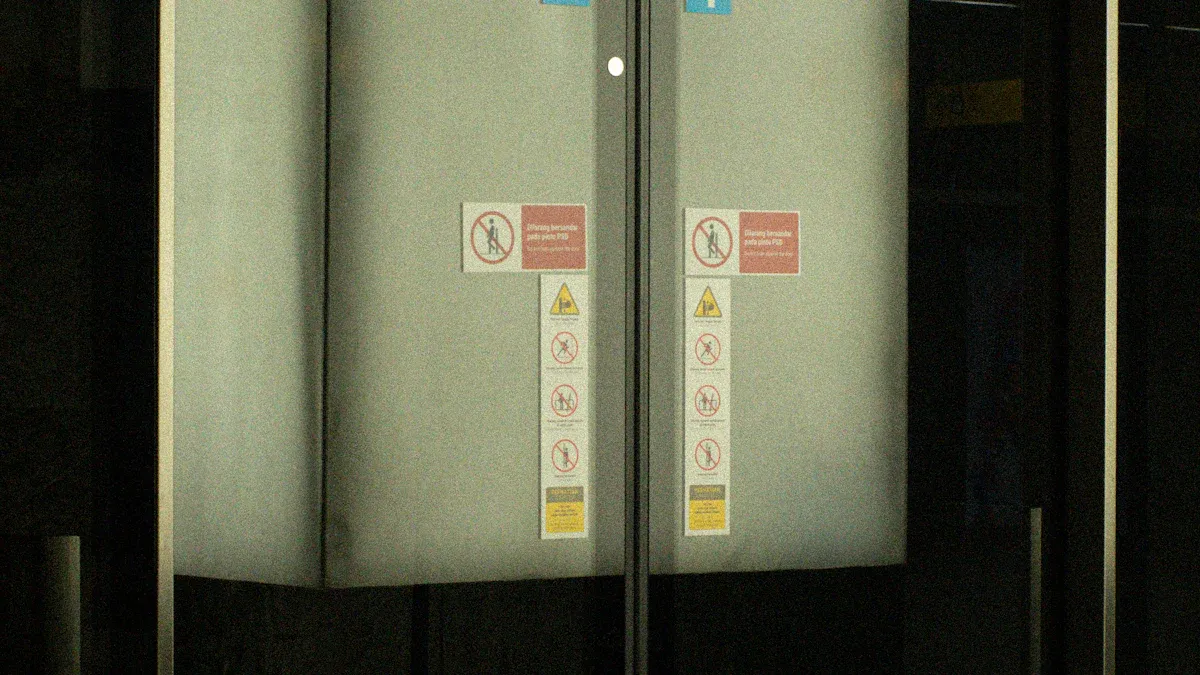
Types of Sensors
Automatic swing door openers utilize various sensor technologies to enhance functionality and user experience. The most common types of sensors include:
- Motion Sensors: These sensors detect movement within a specific range, triggering the door to open when someone approaches.
- Proximity Sensors: Utilizing infrared technology, these sensors sense nearby objects or individuals, allowing for hands-free operation.
- Pressure Sensors: Activated by weight or pressure, these sensors commonly open doors when someone steps on a mat placed before the entrance.
- Photoelectric Sensors: These sensors emit a beam of light that opens the door when interrupted by movement, ensuring smooth access.
The choice of sensor technology significantly impacts the performance of automatic swing door openers. For instance, low energy presence sensors keep the door open when a person is detected in its swing path, enhancing safety and reducing energy loss. In contrast, full energy presence sensors remain active even when the door is in motion, providing variable sensitivity adjustments for different conditions.
Control Systems
Control systems play a crucial role in the operation of automatic swing door openers. They determine how the door responds to various stimuli. Here are some common activation methods:
| Activation Method | Description |
|---|---|
| Wall-mounted push buttons | Reliable and easy to use for manual activation. |
| Motion sensors | Detects approaching individuals for hands-free operation. |
| Touchless wave-to-open sensors | Provides a hygienic solution for door activation without physical contact. |
Advanced control systems utilize sophisticated sensors to detect movement, allowing for seamless automatic operation. This technology not only enhances accessibility for individuals with mobility challenges but also improves energy efficiency by minimizing the time doors remain open, thus reducing energy wastage.
Power Options
Power options for automatic swing door openers vary, catering to different operational needs. The primary options include:
| Power Option | Description |
|---|---|
| Low Energy | Requires a knowing act, such as pushing a plate or using a hands-free sensor, and is ADA-compliant. |
| Full Energy | Fully automated through motion activation and also ADA-compliant. |
| Touchless Options | Designed to provide a touchless experience, enhancing accessibility. |
Understanding the power consumption of different types of openers is essential. For example, swing gate openers typically consume between 100 to 300 watts, while sliding gate openers may require 150 to 500 watts. Factors such as gate weight, motor type, and frequency of use can influence overall energy consumption.
Safety Features
Safety features in automatic swing door openers are essential for preventing accidents and ensuring user protection. These systems incorporate various technologies designed to enhance safety in busy environments. The following table outlines standard safety features found in these door openers:
| Safety Feature | Description |
|---|---|
| Approach Sensor | Detects when a person is approaching the door to initiate opening. |
| Threshold Protection Sensor | Prevents the door from closing on a person or object in the threshold area. |
| Egress Sensor | Ensures safe exit by detecting when someone is leaving through the door. |
| Integrated Safety Features | Deactivates the door operator if sensors malfunction or are improperly positioned, enhancing safety. |
| Daily Inspections Requirement | Ensures that low energy door systems are routinely checked for proper functioning and safety. |
Automatic swing door openers utilize infrared or pressure sensors to detect obstacles. When an object is in the way, these sensors automatically stop or reverse the door’s movement. This technology is crucial in reducing accident rates, especially in busy environments. By preventing pinch injuries and other accidents, these safety features significantly enhance user confidence and accessibility.
Customization Options
Customization options for automatic swing door openers allow businesses and facilities to tailor the systems to their specific needs. These options can affect both functionality and aesthetics. The following table highlights some common customization aspects:
| Customization Aspect | Options |
|---|---|
| Designs & Finishes | Standard anodized finish in 628 Aluminum, 710 Dark Bronze, 711 Matte Black |
| Mounting Options | Surface mounted, Concealed mounted |
| Arm Options | Standard Arm, Long Arm, Telescoping Arm, Center pivot arm, Offset pivot arm |
Additionally, users can choose from various operational modes, including low-energy and full-power swing door openers. Touchless switches enhance accessibility, making these systems suitable for most interior, exterior, and specialty applications. Customization can also influence the installation process. For instance, key-released automatic doors may require specific configurations or additional space considerations.
By selecting the right features and options, facilities can ensure that their automatic swing door openers meet both functional and aesthetic requirements, enhancing overall user experience.
Benefits of Using Automatic Swing Door Openers

Enhanced Accessibility
Automatic swing door openers significantly improve accessibility for individuals with disabilities. They provide various features that cater to different needs. The following table outlines key benefits:
| Key Benefit | Description |
|---|---|
| No-struggle entry and exit | Allows doors to be opened with minimal effort, crucial for those with limited strength or dexterity. |
| Hands-free operation | Offers alternative controls like touchless sensors or voice activation for those unable to use hands. |
| Safe passage through doorways | Holds the door open for a set time, ensuring safe passage for individuals using mobility aids. |
| Accessibility compliance | Helps meet ADA-like standards, enhancing home accessibility for individuals with disabilities. |
According to the 2021 International Building Code (IBC), at least 60% of all public entrances must be accessible. This requirement indicates that many public buildings are likely to install automatic swing door openers to comply with accessibility standards. By doing so, they create a more inclusive environment for everyone.
Improved Traffic Flow
Automatic swing door openers enhance traffic flow in high-traffic environments. They allow quick entry and exit, which is essential in busy areas such as airports, shopping malls, and hospitals. The following points illustrate how these systems improve traffic flow:
- They help to prevent bottlenecks and congestion, enhancing user experience.
- Automatic swing doors provide flexible solutions that enhance convenience and accessibility in high-traffic areas.
- Facility managers have reported fewer accidents and less congestion after the installation of automatic swing doors.
Studies show that these systems create a seamless experience, allowing for quick and safe movement through entrances. This efficiency is crucial in maintaining a positive atmosphere in crowded spaces.
Energy Efficiency
Automatic swing door openers contribute to energy efficiency in buildings. They are designed to minimize energy consumption while maintaining functionality. Here are some key points regarding their energy-saving capabilities:
- Low energy door operators consume minimal electricity, providing an environmentally sustainable solution for accessibility.
- Their design contributes to overall energy savings in buildings by reducing the time doors remain open.
- Automatic doors operate only when necessary, which helps maintain indoor temperature and potentially lowers utility bills.
These systems utilize sensors that detect individuals approaching, ensuring that doors open and close promptly. This functionality significantly reduces the duration doors remain open, minimizing the escape of conditioned air. Consequently, automatic swing door openers play a vital role in enhancing energy efficiency in modern buildings.
Increased Security
Automatic swing door openers significantly enhance security in both commercial and residential settings. They restrict unauthorized access, allowing property owners to monitor who enters their premises. These systems come equipped with advanced features such as obstacle detection and photo-eye sensors. These features not only prevent accidents but also safeguard vehicles and pedestrians, ensuring a secure environment.
The following table outlines effective security features found in automatic swing door openers:
| Security Feature | Description |
|---|---|
| Access Control Integration | Automatic doors can link with access control systems to manage entry, preventing unauthorized access. |
| Locking Mechanism | These doors can be programmed to lock during off-hours or emergencies, enhancing security. |
Additionally, the equipment used in automatic swing doors is designed to be safe in various situations. Adhering to safety rules and precautions minimizes the risk of accidents. This combination of features ensures that automatic swing door openers provide a robust security solution for any facility.
Compliance with Regulations
Automatic swing door openers help organizations comply with various accessibility laws and building codes. For instance, the 2021 International Building Code (IBC) mandates that public entrances must have at least one door that is either a full power-operated door or a low-energy power-operated door for certain occupancies. The upcoming 2024 IBC further emphasizes that each public entrance required to be accessible must have a minimum of one power-operated door or low-energy power-operated door.
The following table summarizes key regulatory requirements:
| Code | Requirement |
|---|---|
| 2021 IBC | Public entrances must have at least one door that is a full power-operated door or a low-energy power-operated door for certain occupancies. |
| 2024 IBC | Each public entrance required to be accessible must have a minimum of one power-operated door or low-energy power-operated door. |
To ensure compliance, automatic swing doors must provide a minimum clear opening of 32 inches for wheelchair access. They should open and close at safe speeds and remain open for at least five seconds to allow passage. Activation buttons must be easily accessible and positioned at a height suitable for all users.
Professional installation is crucial for meeting ADA compliance standards. Installers with AAADM certification are trained in ADA codes and regulations, which is essential for accessibility. Regular inspections, at least annually, are recommended to maintain ADA compliance. Facilities should conduct daily safety checks, especially in high-traffic areas, to ensure that the doors function correctly and safely.
Best Practices for Installation and Maintenance
Professional Installation
Professional installation of automatic swing door openers is crucial for ensuring optimal performance and safety. Trained technicians should handle the installation process to guarantee compliance with industry standards. Key steps in professional installation include:
- Assessing the site for proper door placement.
- Ensuring that all electrical connections meet safety regulations.
- Calibrating sensors and control systems for accurate operation.
- Conducting a thorough test of the door’s functionality before finalizing the installation.
Regular Maintenance Checks
Regular maintenance is essential for the smooth and safe operation of automatic swing door openers. Annual inspections by certified professionals are recommended for safety and compliance. The frequency of maintenance checks varies based on traffic levels:
| Maintenance Check Type | Frequency | Content |
|---|---|---|
| Daily Inspection | Daily | Check operation, clean debris, ensure safety signs are intact. |
| Regular Maintenance | Every 6 months | Comprehensive inspection, clean and lubricate parts, check electrical circuits, test functions. |
| In-depth Maintenance | Every year | Disassemble and clean components, replace worn parts, calibrate sensors, update software. |
| Maintenance Under Special Circumstances | Depends on situation | Increase inspection frequency in extreme weather, inspect when abnormal conditions arise. |
| Recording and Tracking | After each maintenance | Record time, content, and issues; track records to analyze operating status and potential problems. |
For high-traffic areas, quarterly or monthly checks may be necessary to ensure optimal safety and efficiency. Specific recommendations for different door types include:
- Single sliding doors: every 6-12 months.
- Dual sliding doors: every 3-6 months in busy areas.
- Folding doors: every 6 months.
- Revolving doors: quarterly.
- Swinging doors: every 6-12 months.
- Surface-mounted doors: every 6 months.
Proper Usage Guidelines
Proper usage guidelines help maximize the lifespan of automatic swing door openers. Following these practices can prevent unnecessary wear and tear:
- Regularly check and clean sensors, hinges, and door tracks for debris or obstructions.
- Inspect for signs of wear, focusing on moving parts like the motor or control panel.
- Clean the sensors to ensure they function properly.
- Lubricate moving parts, including hinges, rollers, and tracks, to reduce friction and prevent jamming.
- Test and calibrate the door’s responsiveness regularly to ensure smooth operation.
By adhering to these best practices, facilities can maintain their automatic swing door openers effectively, ensuring safety, efficiency, and longevity.
Troubleshooting Common Issues
Automatic swing door openers can encounter several common issues. Addressing these problems promptly ensures smooth operation and enhances user experience. Here are some frequent issues and their solutions:
- The door doesn’t open or close: Check the power source and wiring connections. Ensure that the door is receiving adequate power.
- The door opens and closes too quickly: Adjust the sensor settings for door speed. Slower operation can enhance safety and accessibility.
- The sensor is not detecting people: Verify sensor placement and sensitivity settings. Misalignment can hinder detection.
- The door keeps opening and closing: Ensure correct settings and clear any obstructions that may interfere with the door’s operation.
- The sensor is not responding: Check power, wiring, and programming. If issues persist, consider replacing the sensor.
By following these troubleshooting steps, users can maintain the functionality of their automatic swing door openers and ensure a safe environment for all.
Upgrading Components
Upgrading components of automatic swing door openers can yield significant benefits. These enhancements improve performance, safety, and user experience. The following table outlines the key advantages of upgrading:
| Benefit | Description |
|---|---|
| Energy Savings | Automatic door openers minimize energy loss by ensuring doors open only when necessary, maintaining temperature balance and reducing utility costs. |
| Improved Accessibility | Upgraded systems provide easier access for seniors, children, and individuals with disabilities, enhancing the usability of spaces. |
| Enhanced Corporate Image | Modern automatic doors project a professional image, appealing to customers and enhancing business branding. |
| Security Features | Upgraded doors are designed to close securely, reducing security risks and ensuring safety for users. |
| Low Maintenance Costs | Automatic openers reduce wear and tear, leading to lower maintenance and repair costs over time. |
Investing in upgraded components not only enhances the functionality of automatic swing door openers but also contributes to a more efficient and secure environment.
Automatic swing door openers offer numerous advantages that enhance accessibility and safety. They allow individuals with mobility challenges to move independently. These systems comply with accessibility standards, promoting inclusiveness in various environments. Equipped with advanced safety features, they detect obstructions and prevent accidents. Additionally, their energy-efficient design helps reduce power consumption while maintaining comfortable indoor temperatures.
Considering these benefits, automatic swing door openers represent a valuable investment for both residential and commercial spaces.
FAQ
What is the difference between low energy and full energy automatic swing door openers?
Low energy openers require a manual action to activate, making them suitable for ADA compliance. Full energy openers operate automatically without user intervention, providing hands-free access in high-traffic areas.
How often should I perform maintenance on automatic swing door openers?
Facilities should conduct daily inspections for debris and functionality. Comprehensive maintenance checks should occur every six months, while in-depth inspections should take place annually to ensure optimal performance.
Can automatic swing door openers be customized?
Yes, many automatic swing door openers offer customization options. Users can select designs, finishes, and operational modes to meet specific needs and enhance the aesthetic appeal of their facilities.
Are automatic swing door openers safe for children and pets?
Automatic swing door openers include safety features like sensors that detect obstacles. These features help prevent accidents, making them safe for children and pets when properly installed and maintained.
Do automatic swing door openers comply with building codes?
Yes, automatic swing door openers are designed to meet various building codes and accessibility standards, such as the Americans with Disabilities Act (ADA) and the International Building Code (IBC). Compliance ensures safe and accessible entry for all users.