

Selecting an automatic swing door opener requires careful consideration of its key features. Purchasers must prioritize safety and functionality to ensure a reliable solution. An informed decision leads to a durable automatic door system. Automatic swinging door openers present safety concerns, especially for slow-moving individuals like children or the elderly. They risk being struck by doors, which can cause injuries. Entrapment, impact, and pinch points are also potential hazards; malfunctions can cause unexpected door movements. Therefore, evaluating specific BF150 automatic sliding door operator features and the best automatic door motors for commercial buildings becomes crucial. This ensures the chosen automatic sliding door operator meets safety standards and offers long-term performance from a reputable automatic door accessories supplier in China.
Key Takeaways
- Choose an automatic door opener that fits your needs. Consider if it is for a home or a business. Think about how often the door will open.
- Safety features are very important. Look for systems that stop if something is in the way. Make sure it has an emergency stop button.
- Understand the door’s power and speed. Heavier doors need stronger motors. The door should close slowly enough to be safe.
- Good installation and upkeep make the door last longer. Decide if you will install it yourself or hire a professional. Follow a regular maintenance plan.
- Check the warranty and customer support. A good warranty protects your purchase. Reliable support helps if you have problems.
Assessing Your Specific Needs
Choosing the correct automatic swinging door opener begins with a thorough assessment of specific requirements. Different environments and door types demand distinct solutions. Understanding these factors ensures optimal performance and longevity for the chosen system.
Residential vs. Commercial Applications
The operational demands for residential and commercial settings differ significantly. Residential applications typically involve lighter doors and less frequent use. Homeowners prioritize quiet operation, aesthetic integration, and user-friendly controls. Commercial environments, however, face heavy traffic and require robust, durable systems. These openers must withstand constant use and often integrate with complex access control systems. Commercial applications also place a higher emphasis on stringent safety standards due to the larger number of diverse users.
Door Material and Weight Capacity
Door material directly influences the required power and durability of an automatic opener. Lightweight doors, such as hollow core or thin aluminum, need less powerful operators. Heavier doors, including solid wood, steel, or glass, demand more robust motors and stronger mounting hardware. Manufacturers specify a maximum weight capacity for each opener model. For instance, the Olidesmart SW200 electric swing door opener is designed for heavy-duty use and supports a maximum door weight of 200 kg (approximately 440 lbs). Similarly, the VEVOR SW100 automatic swing door opener capably handles a door weight of 220.46 lbs. Exceeding these limits can lead to premature wear, malfunctions, and safety hazards.
Expected Frequency of Use
The anticipated frequency of door operation is a critical factor in selection. A door opening only a few times a day requires a different class of opener than one operating hundreds of times daily. High-frequency applications, common in commercial buildings or busy residential areas, necessitate heavy-duty operators built for continuous cycling. These units feature more durable components and advanced motor designs to prevent overheating and wear. Low-frequency applications can utilize standard-duty openers, which offer cost-effectiveness without compromising essential functionality. An automatic sliding door operator, regardless of its specific type, must match its intended usage frequency for reliable long-term performance.
Accessibility and User Requirements
Automatic swinging door openers significantly enhance accessibility. They provide effortless entry and exit for diverse user groups. This includes individuals using wheelchairs, walkers, or crutches. Parents pushing strollers also benefit greatly. The elderly find these systems particularly helpful. For commercial and public buildings, compliance with the Americans with Disabilities Act (ADA) is often mandatory. ADA standards dictate specific requirements for door opening force, closing speed, and clear opening width. Choosing an opener that meets these standards ensures legal compliance and universal access.
Residential users also prioritize accessibility for family members or visitors with mobility limitations. Consider the specific needs of the primary users. Some systems offer adjustable opening delays. They also provide hold-open times. These features allow ample time for safe passage. Activation methods play a crucial role in accessibility. Large, easy-to-press push buttons are ideal. Motion sensors offer hands-free operation. These options cater to varying physical capabilities.
The goal is to create an inclusive environment. The door opener should operate smoothly and predictably. This ensures safety and convenience for every individual. Evaluate how the system integrates with existing accessibility features. This includes ramps or accessible pathways. A well-chosen automatic door opener improves the quality of life for many people. It offers independence and ease of movement.
Types of Automatic Swinging Door Openers
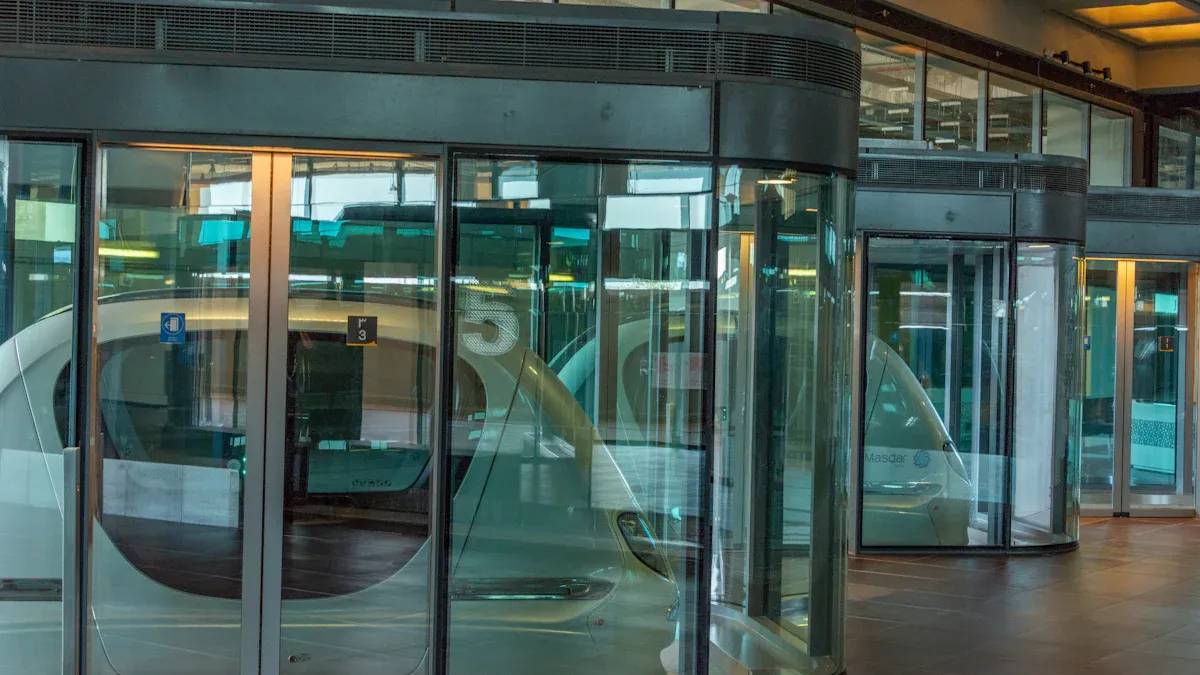
Automatic swinging door openers come in various types. Each type suits different operational needs and safety requirements. Understanding these distinctions helps in selecting the most appropriate system for a specific application.
Low-Energy Operators Explained
Low-energy operators move doors at a controlled, slower speed. They require less force to open and close. These operators are ideal for environments where safety is a primary concern, such as residential settings, assisted living facilities, or light commercial spaces. They typically do not require additional safety sensors or guard rails. This is because their inherent low force and speed minimize the risk of injury. Users often activate them via push buttons or remote controls. They provide convenient access without the complexity of full-energy systems.
Full-Energy Operators Explained
Full-energy operators move doors with greater speed and force. They are suitable for high-traffic commercial and public buildings. These environments demand rapid door cycling. Full-power operators are equipped with advanced safety features. These include sensors, control mats, and guide rails. These components prevent door collisions and ensure safe operation. The American National Standards Institute (ANSI)/Builders Hardware Manufacturers Association (BHMA) A156.10, Standard for Power Operated Pedestrian Doors, is a key standard governing full-energy automatic swinging door operators. This standard mandates stricter safety measures. It includes the use of sensors and guard rails. If motion sensors are incorporated, the door’s classification changes to a full-energy opening under ANSI 156.10. This necessitates these enhanced safety features. Safety zones for swinging doors are addressed in Section 8.1.2 of ANSI A156.10. The requirements vary based on the combination of sensors and control mats utilized. Swinging doors must always include guide rails, sensors or control mats, and safety signage. To comply with ADA regulations, if motion sensors are used, the door operator must meet full-power standards.
Surface-Mounted Operator Options
Surface-mounted operators attach directly to the door frame or wall above the door. Installers find them relatively easy to install. They do not require extensive modifications to the existing door structure. This makes them a popular choice for retrofitting existing doors. Their visible placement means they are not concealed. However, modern designs offer sleek profiles. They integrate well with various architectural styles. These operators are versatile. They can be used for both low-energy and full-energy applications. An automatic sliding door operator, when surface-mounted, offers a straightforward installation process.
Concealed Operator Solutions
Concealed operators offer an aesthetically pleasing alternative to surface-mounted units. These systems integrate directly into the door frame, header, or floor. They remain hidden from view. This design choice provides a clean, seamless appearance. Architects and designers often prefer concealed operators for high-end commercial spaces, luxury residences, or historical buildings. They maintain the integrity of the architectural design.
Beyond aesthetics, concealed operators offer enhanced protection. Their hidden placement shields them from vandalism and environmental elements. This reduces the risk of damage. It also extends the lifespan of the unit. Installation of concealed operators typically occurs during new construction or major renovations. This allows for the necessary structural modifications. These modifications include routing out door frames or preparing floor boxes.
Concealed operators can accommodate both low-energy and full-energy applications. Their discreet nature does not compromise performance or safety features. However, their installation process is more complex. It requires specialized skills and precise measurements. This often translates to higher initial installation costs compared to surface-mounted options. Despite the increased complexity, the long-term benefits of durability and visual appeal often justify the investment. They provide a sophisticated and reliable automatic door solution.
Essential Technical Specifications
Understanding the technical specifications of an automatic swinging door opener is crucial for selecting a system that performs reliably and safely. These details dictate the opener’s capability, efficiency, and suitability for specific applications.
Power Source and Consumption
The power source and consumption characteristics directly impact an opener’s operational cost and environmental footprint. Most automatic door openers connect to standard electrical outlets. However, buyers should consider the power requirements for both active operation and standby modes. Automatic swinging door openers typically consume between 60 W and 150 W during operation. This range depends on the opener’s size and specific model. In standby mode, their energy use is extremely low. This ensures minimal energy waste when the door is not actively opening or closing. Efficient power consumption contributes to lower utility bills and a more sustainable operation.
Motor Horsepower and Door Weight
The motor’s horsepower (HP) determines the maximum door weight an automatic opener can effectively manage. A powerful motor ensures smooth and consistent operation, especially for heavier doors or those experiencing frequent use. Matching the motor’s capacity to the door’s weight prevents strain on the system, extending its lifespan and reducing maintenance needs. For example, a 3/4 HP motor can handle a maximum door weight of 800 lbs. This demonstrates the direct correlation between motor power and the door’s load-bearing capacity.
| Motor Power | Max Door Weight |
|---|---|
| 3/4 HP | 800 lbs |
Selecting an opener with adequate motor horsepower ensures the system operates without excessive effort. This prevents premature wear on components.
Opening and Closing Speed Control
Precise control over opening and closing speeds is vital for both safety and operational efficiency. Adjustable speed settings allow customization for different environments and user needs. For safety and ADA compliance, an automatic door must take a minimum of 5 seconds to close from a 90-degree open position. Commercial automatic door operators are calibrated to ensure they do not close too quickly. This calibration prioritizes user safety.
| Parameter | Range |
|---|---|
| Opening Speed | 3-7 seconds |
| Closing Speed | 3-7 seconds |
These ranges ensure a controlled movement, preventing sudden impacts and allowing ample time for passage. In high-traffic commercial environments, operators often feature opening and closing speeds within a 3-7 second range. This balance provides efficient throughput while maintaining a safe operating environment for all users.
Noise Level Considerations
The operational noise level of an automatic swinging door opener significantly impacts user comfort and the overall environment. In residential settings, quiet operation is often a top priority. Excessive noise can disrupt daily life. For commercial spaces, especially those like hospitals, libraries, or offices, minimizing noise is equally important. Loud door operations can create distractions and discomfort for occupants. Manufacturers design modern automatic door openers to operate with minimal sound. They achieve this through advanced motor technology and precision engineering. Buyers should look for models that specify low decibel ratings. This ensures a discreet and pleasant user experience.
Durability and Material Quality
The durability and material quality of an automatic swinging door opener directly influence its lifespan and reliability. High-quality materials ensure the system withstands continuous use and various environmental conditions. Robust construction prevents premature wear and reduces the need for frequent maintenance.
Manufacturers use specific materials for different components to enhance durability. For instance, guide rails, crucial for smooth door movement, often feature resilient metals.
- Automatic Door Aluminum Guide Rails
- Automatic Door Stainless Steel Guide Rails
These materials offer excellent resistance to corrosion and wear. For the automatic door motors, manufacturers incorporate high-quality brushless DC components. They also use superior gearbox materials. This combination ensures reliability, efficiency, and safety. It is especially important for heavy-duty applications and long service life.
Automatic door operators also utilize corrosion-resistant materials. This helps them maintain stable operation in diverse environments. Furthermore, researchers explore new materials like graphene for manufacturing electronic components. Graphene can improve stability in extreme conditions. This includes high temperatures, low temperatures, and moisture. Selecting an opener built with these robust materials guarantees a long-lasting and dependable solution.
Crucial Safety Features
Automatic swinging door openers must prioritize safety. Incorporating crucial safety features protects users from potential hazards. These features ensure the door operates reliably and prevents accidents.
Obstruction Detection Systems
Effective obstruction detection systems are paramount for preventing injuries with automatic swinging door openers. These systems sense objects or individuals in the door’s path, stopping or reversing its movement. Laser safety sensors are highly effective for this purpose. They employ time-of-flight (ToF) laser technology. This technology creates a three-dimensional detection field. It allows for precise detection of an object’s presence, shape, and distance. This 3D capability covers the entire swing path of the door. It detects even small objects, making them superior to traditional infrared or microwave sensors. Experts consider these sensors the "next generation of automatic door protection." They offer high precision, fast response, and comprehensive coverage. This ensures safety in various environments, including hospitals and airports.
Key safety benefits of laser safety sensors contribute to their effectiveness in preventing injuries:
- Full 3D Protection: They create a volumetric detection zone. This zone covers the door opening and the swing path of the moving door panel.
- High Precision Detection: Narrow laser beams detect even small objects. This includes a child’s hand or a wheelchair footrest, eliminating blind spots.
- Real-Time Response: Sensors respond within milliseconds. They instantly signal the door controller to stop or reverse movement.
- Adaptability to Environment: They perform reliably in various lighting and temperature conditions. They are also less affected by reflective surfaces.
- Compliance with Safety Standards: Modern laser sensors meet international safety regulations. These include EN 16005 and ANSI/BHMA A156.10.
Adjustable Closing Force Settings
Adjustable closing force settings are vital for user safety and compliance with accessibility standards. These settings allow installers to fine-tune the force a door exerts as it closes. This prevents the door from closing too forcefully, which could injure someone or damage the door. The Americans with Disabilities Act (ADA) mandates specific requirements for storefront doors. They must have a minimum opening force of no more than 5 pounds. They also require a maximum closing speed of 3 seconds for full closure and latching from a 90-degree open position. The ANSI standard specifies that storefront doors must have a minimum opening force of no more than 8.5 pounds. They also require a maximum closing speed of 5 seconds for full closure and latching from a 90-degree open position.
Proper adjustment of closing and latch speeds, along with the backcheck function, ensures safe and efficient door operation. Backcheck prevents the door from opening too quickly and forcefully. This can cause damage and create a safety hazard. Both ADA and ANSI standards recommend or require a backcheck function. This limits door opening to prevent damage and injury.
Emergency Stop Button Functionality
Emergency stop buttons provide a critical safety measure for automatic swinging door systems. These buttons allow immediate manual intervention in an emergency. They can initiate the shutdown of mains voltage. They can also trigger the opening of the automatic door when necessary. For hold-open systems, manual trigger switches with line monitoring are required. These switches manually activate the hold-open device. They feature exchangeable labels to clearly indicate their function. A glass pane or cover protects them against misuse.
An example is the AS 500 emergency stop switch. It includes a glass pane. It also comes with five interchangeable labels: "Emergency button open," "Emergency switch," "Emergency switch," "Close door," and one without text. These features ensure clear communication and reliable operation during critical situations.
Manual Override Capability
Manual override capability is a critical safety feature for any automatic swinging door opener. This function allows users to operate the door manually during power outages or system malfunctions. It ensures access and egress remain possible even when the automatic system fails. This feature is particularly important in emergency situations. For instance, during a fire or other evacuation, people must exit the building quickly. A manual override ensures the door does not become a barrier.
Most automatic door openers include a clutch mechanism or a release lever. This mechanism disengages the motor. It allows the door to swing freely by hand. Users can then push or pull the door open. This capability is also useful for maintenance. Technicians can manually operate the door to perform inspections or repairs. This prevents them from relying solely on the automated system. Always check for clear instructions on how to engage the manual override. This ensures users can operate it effectively when needed.
Battery Backup Options
Battery backup options provide essential functionality for automatic swinging door openers during power failures. These systems ensure the door remains operational even when the main power supply is interrupted. This is crucial for maintaining accessibility and security. For example, in commercial buildings, a battery backup allows employees and customers to enter or exit safely. It prevents them from becoming trapped inside or outside.
A typical battery backup system consists of rechargeable batteries integrated into the opener’s control unit. When the main power fails, the system automatically switches to battery power. The door continues to function normally for a limited period. The duration of operation depends on the battery’s capacity and the frequency of door use. Most battery backups offer enough power for dozens of cycles. This provides ample time for power restoration or safe evacuation.
Consider the specific needs of the installation when evaluating battery backup options. For high-traffic areas or critical access points, a robust battery backup is indispensable. It offers peace of mind and enhances overall safety. Regular maintenance of the battery backup system is also important. This ensures it remains fully charged and ready for use.
Control and Activation Methods
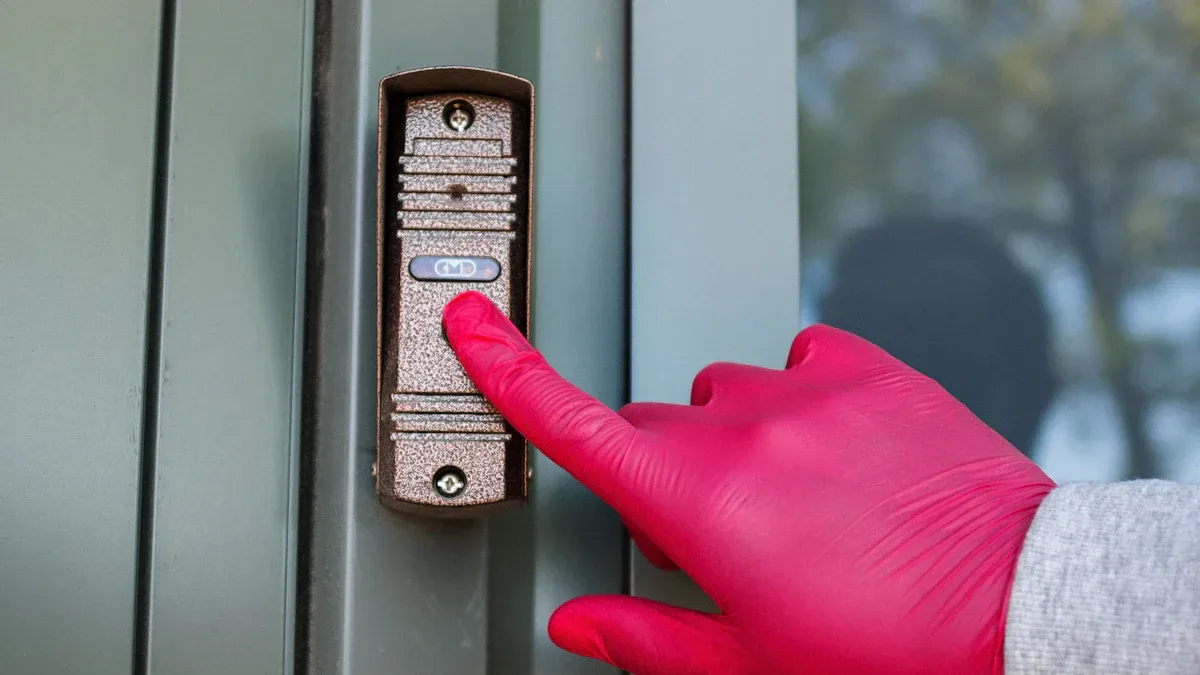
Automatic swinging door openers offer diverse control and activation methods. These methods cater to various user needs and operational environments. Selecting the correct activation system ensures convenience, security, and accessibility.
Push Buttons and Wall Switches
Push buttons and wall switches provide a simple, reliable method for activating automatic swinging doors. Users press a clearly marked button to initiate the door’s opening sequence. Installers typically mount these switches on walls adjacent to the door. They place them at accessible heights for all users, including individuals in wheelchairs.
- Simplicity: They offer straightforward operation.
- Reliability: These devices rarely malfunction.
- Cost-Effective: They represent an economical activation solution.
Many commercial and public buildings utilize push buttons. They offer a universal and intuitive interface.
Remote Controls and Key Fobs
Remote controls and key fobs offer convenient, wireless activation for automatic swinging door openers. Users can activate the door from a distance. This proves particularly useful for individuals with mobility challenges or those carrying items.
- Convenience: Users operate the door without direct contact.
- Security: Encrypted signals prevent unauthorized access.
- Versatility: They integrate with vehicle-mounted systems for drive-through access.
Property owners often employ these devices in residential settings or secure commercial areas. They provide controlled access to authorized personnel.
Motion Sensors and Presence Detectors
Motion sensors and presence detectors enable hands-free operation of automatic swinging doors. Motion sensors detect movement as a person approaches the door. This triggers the door to open automatically. Presence detectors maintain the door in an open position as long as someone remains within the detection zone.
- Hands-Free Access: They eliminate the need for physical contact.
- Hygiene: They reduce germ transmission in public spaces.
- Safety: Presence detectors prevent the door from closing on occupants.
These advanced systems enhance accessibility and user flow in high-traffic environments. They are crucial for maintaining safety in busy commercial settings.
Access Control System Integration
Integrating automatic swinging door openers with access control systems enhances security and streamlines entry management. This integration allows organizations to control who enters and exits a building. It also provides a record of door usage. This capability is crucial for commercial facilities, hospitals, and secure residential complexes. The door opener becomes a part of a larger security network. This network manages credentials and monitors access points.
Common protocols and interfaces facilitate this integration. These include RS485, Wiegand, and TCP/IP. These are standard access control protocols. Automatic door controllers supporting these protocols are favored by system integrators and engineering projects. They ensure seamless communication between the door opener and the central access control panel. This allows for features like scheduled access, remote unlocking, and real-time activity logs. For example, a security guard can remotely unlock a door for a delivery. The system records this event. This integration provides a robust security solution. It also offers operational efficiency.
Smart Home Compatibility
Smart home compatibility brings automatic swinging door openers into the modern connected living space. This feature allows homeowners to control their door openers using smart devices. They can use smartphones, voice assistants, or other smart home hubs. This integration offers unparalleled convenience and automation.
Users can remotely open or close their doors. They can also check the door’s status from anywhere. This is particularly useful for letting in guests or package deliveries when no one is home. Smart home systems can also automate door operations. For instance, the door can automatically unlock when a resident’s car approaches. It can also lock itself at a specific time each night. This compatibility often involves connecting the door opener to a central smart home platform. This platform then communicates with other smart devices in the home. This creates a cohesive and intelligent environment. It enhances both security and daily living convenience.
Installation and Compatibility
Proper installation ensures the safe and efficient operation of an automatic swinging door opener. Compatibility with existing structures and electrical systems is also crucial. Careful planning prevents future issues and maximizes the system’s lifespan.
DIY vs. Professional Installation
The decision between DIY and professional installation depends on several factors. Homeowners with basic electrical and mechanical skills might consider DIY for simpler, residential low-energy operators. However, professional installation offers significant advantages. Experts possess specialized knowledge of electrical codes, safety standards, and proper mounting techniques. They ensure correct calibration, which is vital for safety features like obstruction detection. Many manufacturers, including those producing high-quality automatic door motors, recommend professional installation to maintain warranty validity and guarantee optimal performance. Complex commercial systems, especially those requiring integration with access control, almost always demand professional expertise.
Door Frame and Wall Reinforcement
Automatic swinging door openers exert considerable force on door frames and adjacent walls. Therefore, adequate reinforcement is often necessary. Heavier doors or high-traffic applications particularly require robust support. Installers might need to add steel plates or structural lumber within the wall or frame. This prevents warping, cracking, or loosening of the opener over time. Weak or improperly reinforced mounting surfaces can lead to system failure and safety hazards. Assessing the existing structure’s integrity before installation is a critical step. This ensures the door opener has a stable and secure foundation.
Wiring and Cable Requirements
Automatic door openers require a reliable power source. Understanding the specific wiring and cable requirements is essential for safe and functional operation. Most residential units operate on standard 120V AC power. Commercial systems might require higher voltage or dedicated circuits. Installers must ensure proper gauge wiring to handle the motor’s current draw. They also need to protect all cables within conduits to prevent damage. Additionally, low-voltage wiring connects control devices like push buttons, sensors, and access control systems to the main operator. Adhering to local electrical codes and manufacturer specifications for all wiring ensures safety and prevents electrical malfunctions.
Space Constraints and Mounting Side
Space constraints significantly influence the selection and installation of an automatic swinging door opener. Installers must evaluate the available overhead clearance and wall space around the door. Limited space may restrict the type of operator suitable for the application. For instance, a compact, surface-mounted unit might fit better than a larger, more complex system requiring extensive modifications. The door’s swing direction and any adjacent obstacles also dictate the optimal mounting side.
The mounting side, either push-side or pull-side, determines the operator’s placement and its interaction with the door.
- Push-Side Mounting: The operator mounts on the door frame or wall on the side where the door pushes open. This configuration often requires less hardware visible on the door face. It can be advantageous for aesthetics.
- Pull-Side Mounting: The operator mounts on the door itself, on the side where the door pulls open. This setup typically uses a "pull arm" to connect the operator to the door frame. Pull-side mounting is common for doors that open into a room or hallway.
Each mounting method presents unique installation challenges and benefits. Installers must ensure sufficient space exists for the operator’s housing and its arm to move freely without obstruction. They also consider the door’s full swing arc. This prevents collisions with walls, furniture, or other architectural elements. Proper planning for space and mounting side ensures the automatic door opener operates efficiently and safely within its environment. It also avoids costly rework or compromises on functionality.
Maintenance and Longevity
Proper maintenance significantly extends the lifespan of an automatic swinging door opener. It also ensures consistent, safe operation. Regular checks and timely repairs prevent costly breakdowns.
Required Maintenance Schedule
The frequency of automatic door servicing depends on several factors. These include usage, environment, and door type. Commercial automatic doors, especially those with high foot traffic, generally require service every six months. This addresses wear and tear from frequent use. It also ensures optimal functioning. Residential automatic doors typically need an annual inspection. This applies if they are not exposed to harsh weather or heavy usage. Users should monitor the door’s performance throughout the year. Schedule additional services if any signs of wear or malfunction appear. A qualified engineer recommends a full inspection every year or six months.
For automatic sliding door sensors, a combination of monthly, quarterly, and yearly maintenance checks is recommended:
- Monthly Maintenance Tasks:
- Visually inspect for damage, misalignment, dust, and debris.
- Clean sensor lenses and surrounding areas.
- Test functionality to ensure smooth door operation.
- Quarterly Maintenance Tasks:
- Check sensor alignment.
- Adjust sensor sensitivity if needed.
- Inspect wiring and connections for security and integrity.
- Yearly Maintenance Tasks:
- Schedule a professional inspection and maintenance service by a qualified technician.
- Check for and install software updates.
- Replace batteries if the sensors are battery-powered.
Availability of Spare Parts
The availability of spare parts is crucial for long-term reliability. Easy access to replacement components minimizes downtime. It also reduces repair costs. Before purchasing an opener, confirm the manufacturer’s commitment to providing spare parts. Inquire about local distributors or service centers. This ensures quick access to necessary components when repairs become necessary.
Ease of Troubleshooting
An automatic door opener with straightforward troubleshooting features saves time and money. Look for systems offering clear diagnostic indicators. These might include error codes or status lights. A comprehensive user manual with troubleshooting guides is also beneficial. Some advanced systems offer remote diagnostics. This allows technicians to identify issues without an on-site visit. Easy troubleshooting contributes to efficient maintenance and reduces reliance on specialized technicians for minor issues.
Warranty and Customer Support
Purchasers must carefully evaluate warranty and customer support offerings. These factors significantly impact the long-term satisfaction and reliability of an automatic swinging door opener.
Warranty Period and Coverage
A robust warranty provides peace of mind. Manufacturers typically offer warranties for automatic door systems ranging from one to five years. These warranties cover defects in materials and workmanship. For instance, Autodoorleader provides a 24-month warranty for their heavy-duty automatic swing door mechanisms. Both limited and extended warranties are available for automated swing doors. Extended options cover defects beyond the initial term. Purchasers must review warranty details carefully. They vary by manufacturer.
Manufacturer Reputation and Service
A manufacturer’s reputation for quality and service is paramount. Reputable companies like Hörmann and NABCO demonstrate strong quality control. They achieve this through in-house manufacturing and rigorous testing. They also maintain certifications such as ISO 9001 and ensure ADA compliance. These companies conduct thorough checks before shipping products. They test for durability, safety, and cycle life. This results in low defect rates. Responsive customer support is another key indicator. Manufacturers often provide support through regional networks or certified installers. This ensures reliable after-sales service and quick local assistance.
Technical Support Availability
Accessible technical support is crucial for troubleshooting and maintenance. Manufacturers offer various channels for assistance. These include phone support, often with dedicated lines like 1-800-531-3111 or 1-800-7-ACCESS. Email contact is also a common method. Many companies provide options to request door service, implying on-site support. They also help customers find local representatives. This ensures prompt and effective resolution of any operational issues.
Return and Exchange Policies
Understanding a provider’s return and exchange policies is crucial before purchasing an automatic swinging door opener. These policies protect buyers and outline procedures for various situations, from defective parts to incorrect orders. Clear guidelines help manage expectations and ensure a smooth process if issues arise.
Manufacturers and retailers often establish clear guidelines for returns and exchanges. They typically offer a money-back guarantee on most items within a specific timeframe, usually 30 days. However, conditions apply to these returns.
| Policy Type | Timeframe | Conditions |
|---|---|---|
| General | 30 days | Money-back guarantee on most items. |
| Wrong Parts Ordered | N/A | Exchange possible if correct part is available. Requires RMA, original materials, and purchaser pays return shipping. Original shipping non-refundable. |
| Defective Parts | 30 days | Exchange within 30 days. Seller provides shipping label for return of defective part. |
| Returns for Refund | 30 days | Items must be in original salable condition with all parts and packaging. Full refund less shipping, handling, and 20% restocking fee. Purchaser pays return shipping. |
| Non-Returnable Items | N/A | Special orders, control boards, torsion/extension springs, tools, closeout items. Circuit boards are exchange-only if defective. |
| Restocking Fees | N/A | 20% for general refunds and unauthorized returns on non-returnable items (50%). |
| Shipping Costs | N/A | Purchaser pays return shipping. Original shipping non-refundable. Shipping cost deducted from refund for ‘free shipping’ items. |
If a buyer orders the wrong parts, an exchange may be possible if the correct part is available. This process typically requires a Return Merchandise Authorization (RMA) and the return of original materials. The purchaser usually covers return shipping costs, and original shipping fees are non-refundable. For defective parts, companies generally allow exchanges within 30 days. The seller often provides a shipping label for the return of the faulty item.
Returns for a refund usually require items to be in their original, salable condition with all parts and packaging. Companies often issue a full refund minus shipping, handling, and a 20% restocking fee. The purchaser pays for return shipping. If an item received "free shipping," the shipping cost is deducted from the refund. Certain items, such as special orders, control boards, and closeout items, are often non-returnable. Circuit boards are typically exchange-only if they are defective. Unauthorized returns on non-returnable items can incur a 50% restocking fee.
Some companies, like CareProdx, implement stricter return policies for certain products. They explicitly state they do not accept returns on door openers. This is due to the difficulty in ascertaining proper installation and operation. However, exceptions may apply for non-installed equipment. These exceptions could be subject to restocking fees of up to 20%. All accepted returns must occur within 30 days of delivery. Parts that fail under warranty will be replaced, but the warranty does not cover labor, express freight, or loss of use expenses.
Cost Considerations
Evaluating the total cost of an automatic swinging door opener involves more than just the initial price. Purchasers must consider installation expenses, ongoing operating costs, and the long-term value of the investment. A comprehensive financial assessment ensures a wise decision.
Initial Purchase Price
The initial purchase price for an automatic swinging door opener varies significantly. This depends on the opener’s grade and features. Commercial-grade openers typically cost more than residential-grade units. They feature stronger components like steel gears and larger motors. These robust parts withstand high traffic and heavy use. Many cheaper residential-grade openers, often imported, may lack the necessary certifications for commercial buildings in the USA. For example, low-energy ADA handicap door openers can range in price:
| Product Name | Price |
|---|---|
| Low Energy ADA Handicap Door Opener, Pair with 2pcs Wireless/Wired Touchless Activation Switches | $719.59 |
| DSW120 ADA Automatic Swing Door Opener with Wireless&Wired Handicapped Switches | $665.50 |
| Smart Handicap Door Opener Olide-120BL with 4.5" Wireless&Wired Handicap Push Button and 880lb Electric Strike | $709.79 |
More advanced low-energy options, like the SDC Auto EntryControl Low Energy Swing Door Operator, can cost around $2,336.00. The Detex AO19-1xRH-Push Low Energy Automatic Door Operator costs approximately $2,921.00.
Installation Costs
Installation costs represent a separate expense from the opener’s purchase price. These costs depend on the complexity of the installation and whether professionals handle the work. Commercial installations often involve higher costs due to specific requirements and labor rates.
| Setting | Item | Cost Range |
|---|---|---|
| Commercial | True Commercial Grade Door Opener | $1300 – $2500 |
| Commercial | Installation (if outsourced) | $500 – $1000 |
| Commercial | Accessories | $150 – $500 |
| Commercial | Total Automated Door Cost | $1300 – $3500 |
These figures include the opener itself, professional installation, and necessary accessories. DIY installation can reduce labor costs, but it may void warranties or lead to improper setup.
Operating Costs
Operating costs primarily involve electricity consumption and routine maintenance. Modern automatic door openers are designed for energy efficiency. They consume minimal power in standby mode. During operation, power consumption varies based on motor size and door weight. Regular maintenance, as discussed previously, ensures efficient operation and prevents costly repairs. These ongoing expenses contribute to the total cost of ownership over the system’s lifespan.
Long-Term Value and Investment
An automatic swinging door opener offers significant long-term value and a strong return on investment. Electric swing gate operators typically last 10 years or more. Proper maintenance extends their lifespan and reduces overall costs. A longer warranty further extends the life of the gate operator, leading to additional cost savings. These operators enhance security and provide peace of mind, contributing to increased property value.
Automatic gate operators offer a significant Return on Investment (ROI). They often offset the initial installation cost through various savings. Property value can increase by as much as $50,000 with the installation of a security gate. This significantly outweighs the average $7,000 cost of purchase and installation. Homes with security gates are more attractive to buyers due to enhanced curb appeal and perceived safety. Gates offer convenience for hosting guests by allowing easy access for invited individuals while deterring uninvited ones. Driveway gates can also reduce insurance costs. Many companies offer lower premiums due to decreased risks of vandalism, theft, and break-ins.
An automatic door opener represents a valuable investment. Its daily value often translates into an improved quality of life and enhanced home resale appeal. An accessible, automated home serves as a significant selling point, indicating a strong return on investment. The swinging door segment is projected to be the fastest-growing. Applications in flex places, laundry rooms, and kitchens drive this growth. Automatic doors offer high energy efficiency, increased natural light, and the ability to create striking entrances. They ensure barrier-free passage, improve hygiene through touchless entry, and enhance accessibility for individuals with disabilities. Additional benefits include versatility, space efficiency, aesthetics, sound insulation, privacy, and ease of use. All these factors contribute to market growth and long-term value.
Choosing a Reliable Automatic Sliding Door Operator Provider
Selecting the right provider for an automatic door opener is as crucial as choosing the product itself. A reputable provider ensures quality, reliability, and ongoing support. This decision impacts the long-term performance and safety of the automatic door system.
Company Experience and Specialization
A reliable provider demonstrates significant experience. They specialize in automatic door solutions. Ningbo Beifan Automatic Door Factory, founded in 2007, exemplifies this commitment. Their enterprise mission focuses on leading automatic door science, technology, and culture. They specialize in automatic door motors and automatic door operators. The company’s location in Luotuo Zhenhai offers convenient transportation. It sits adjacent to the East China Sea. Their factory covers approximately 3,500 square meters. The building area spans 7,500 square meters. This substantial scale indicates a robust and established operation. They possess a proven track record in the automatic sliding door operator market.
Product Range and Innovation
Top providers offer a diverse product range. They continuously innovate their offerings. This includes developing new features and improving performance. A wide selection ensures customers find the precise solution for their specific needs. Innovation drives efficiency and safety in modern automatic door systems. These companies develop advanced automatic sliding door operator models. This proactive approach meets evolving market demands and technological advancements. They often invest in research and development to stay ahead.
Customer Service and Support
Excellent customer service is paramount for any provider. They should offer strong technical support. This assistance covers installation guidance and troubleshooting. Responsive after-sales service builds crucial customer trust. Customers require reliable help throughout the product’s entire lifecycle. This ensures long-term satisfaction with their automatic door systems. Choosing a provider for an automatic sliding door operator also requires careful consideration of their comprehensive support structure. They must provide accessible channels for communication and problem resolution.
Selecting an automatic swinging door opener requires careful evaluation. Purchasers must prioritize safety features, specific application needs, and essential technical specifications. A thorough assessment ensures a functional and secure system.
Consider this final checklist:
- Safety: Does it have obstruction detection and manual override?
- Needs: Does it match door weight and usage frequency?
- Support: Does the provider offer strong warranty and technical assistance?
These factors guarantee a reliable, long-lasting investment.
FAQ
1. What distinguishes low-energy from full-energy automatic door operators?
Low-energy operators move doors slowly with minimal force. They are ideal for residential or light commercial use. Full-energy operators move doors quickly with greater force. They require advanced safety sensors and are suitable for high-traffic commercial environments.
2. How frequently should an automatic door opener receive maintenance?
Commercial automatic doors, experiencing high traffic, typically require servicing every six months. Residential doors usually need an annual inspection. Users should monitor door performance and schedule additional service if they notice any issues. Regular maintenance ensures optimal function and longevity.
3. Is professional installation necessary for an automatic door opener?
Professional installation is highly recommended, especially for commercial systems. Experts ensure correct calibration, adherence to safety standards, and proper wiring. DIY installation may void warranties and lead to improper setup. Professional service guarantees optimal performance and safety.
4. Which safety features are most critical for an automatic swinging door opener?
Crucial safety features include obstruction detection systems, such as laser safety sensors, which prevent collisions. Adjustable closing force settings are also vital for preventing injuries. Emergency stop buttons and manual override capabilities ensure safe operation during power outages or malfunctions.
5. Do automatic door openers offer battery backup options?
Many automatic door openers include battery backup options. These systems ensure the door remains operational during power failures. They maintain accessibility and security. Battery backups typically provide enough power for numerous cycles, allowing for safe entry or exit.