
Choosing the right Automatic Door Operator is crucial. It ensures safety, efficiency, and long-term satisfaction. A good automatic swing door opener system reduces accidents for vulnerable users. It also promotes hygiene. This automatic swing door opener buying guide offers tips for choosing the right automatic swing door opener. It helps you understand how to choose an automatic swing door opener.
Key Takeaways
- Understand your needs for an automatic door operator. Consider if it is for a home or a busy business, and what type of door you have.
- Prioritize safety features. Look for obstacle detection and emergency stop functions to protect people.
- Think about long-term costs. A good quality operator might cost more at first, but it saves money on repairs and energy over time.
Understanding Your Needs for an Automatic Door Operator
Before you choose an automatic swing door operator, you must first understand your specific needs. This initial step helps you narrow down the many options available. Thinking about how you will use the door and what kind of door it is makes a big difference.
Commercial or Residential Use
The first thing to consider is where the automatic door operator will be installed. Is it for a busy commercial building or a quiet home? Commercial settings, like offices or retail stores, often have many people passing through daily. These environments demand operators that can handle constant use and heavy traffic. They need to be robust and reliable. Residential uses, on the other hand, typically see less traffic. A home might need an operator for convenience or accessibility, but it does not face the same wear and tear as a commercial door. Therefore, residential operators can sometimes be simpler and less powerful.
Door Type and Material
The type and material of your door also play a crucial role in selecting the right automatic door operator. Is it a light wooden door, a heavy metal door, or a sleek glass door? Each material has different weight and operational requirements. For instance, heavy glass doors, especially those in high-traffic areas like shopping malls or airports, need powerful operators. Automatic sliding door operators, such as the YF200 model, feature heavy-duty transmission systems with reinforced belts and high-load pulleys. These systems support door weights up to 150kg, making them ideal for such heavy glass applications. The S2500 All Glass model is another type of sliding door system suitable for heavy glass door applications. You must ensure the operator you choose can safely and efficiently move your specific door.
Assessing Traffic and Usage for Your Automatic Door Operator
After understanding your basic needs, consider how often people will use the door. This helps you pick an Automatic Door Operator that can keep up. Different environments have different demands on these systems.
High vs. Low Traffic Areas
Think about how many people pass through the door each day. A door in a busy hospital entrance sees constant use. It needs a heavy-duty operator built for frequent opening and closing. If you install an operator on a door in a small office, it will not experience the same level of traffic. For low-traffic areas, a less powerful, more economical operator might be sufficient. Choosing the right operator for the traffic level prevents premature wear and tear. It also ensures smooth operation for everyone.
Continuous Operation Requirements
Some doors need to open and close almost non-stop throughout the day. This is common in places like supermarkets or public transportation hubs. These situations demand operators designed for continuous operation. They have stronger motors and more durable components. Operators not built for this kind of use will quickly break down.
Continuous duty
This term means the operator can run for long periods without overheating or failing. Always check if the operator you choose can handle the expected duty cycle. This ensures reliability and avoids costly repairs or replacements down the line.
Prioritizing Safety Features in an Automatic Door Operator
Safety is a top concern when choosing an automatic door system. A good Automatic Door Operator protects people from accidents. It also prevents damage to the door itself. You must look for specific features that ensure safe operation.
Obstacle Detection Systems
Modern automatic swing door operators come with advanced obstacle detection systems. These systems prevent the door from closing on someone or something. They use technologies like infrared sensors. These sensors detect obstructions within the door’s swing path. If the system detects an obstacle, it immediately stops the door’s movement. The door will not continue to open or close. The operation resumes only after the obstacle is clear and someone reactivates the opener. This feature is vital for busy areas, protecting both users and the door.
Emergency Stop Functions
Beyond obstacle detection, emergency stop functions offer another layer of safety. These features allow for immediate manual intervention. If an unexpected situation occurs, someone can quickly stop the door. This might involve a clearly marked button or a specific action. An emergency stop ensures that users can prevent potential hazards instantly. It provides peace of mind, knowing that the door can be halted at any moment if needed.
Ensuring Durability and Build Quality of the Automatic Door Operator
When you pick an automatic door system, you want it to last. The durability and build quality of an Automatic Door Operator are very important. They ensure the system works well for many years without constant repairs.
Material Construction and Weather Resistance
The materials used to build the operator make a big difference. High-quality operators often use strong materials like stainless steel or durable polymers for their outer cases. These materials create robust enclosures that shield the internal parts from water, dust, and other environmental factors. Good seals and gaskets add extra protection. Manufacturers test these components thoroughly. They ensure the operator can withstand direct rain, perform during dust storms, and resist salt-like corrosiveness. They also test performance in extreme temperatures, from very cold -35°C (-31°F) to very hot 66°C (151°F). UV-resistant coatings on the exterior prevent sun damage, keeping the unit looking good and working properly.
Loading Weight Capacity
The weight of your door directly impacts the strength and durability an operator needs. A single automatic sliding door operator can support a door weighing up to 150 kg. For double-open doors, each door can weigh up to 120 kg. If you have very heavy doors, some operators are available that can handle up to 200 kg. Brushless motors are often used because they provide strong driving power for even the heaviest doors, ensuring reliable operation. For example, LCN Senior Swing operators can manage doors up to 600 lbs. Advanced features like AdaptivIQ™ technology help operators adjust to external pressures from heavier doors. This ensures smooth, consistent movement and reliable latching, which boosts overall durability.
Meeting Accessibility and Compliance Standards with Your Automatic Door Operator
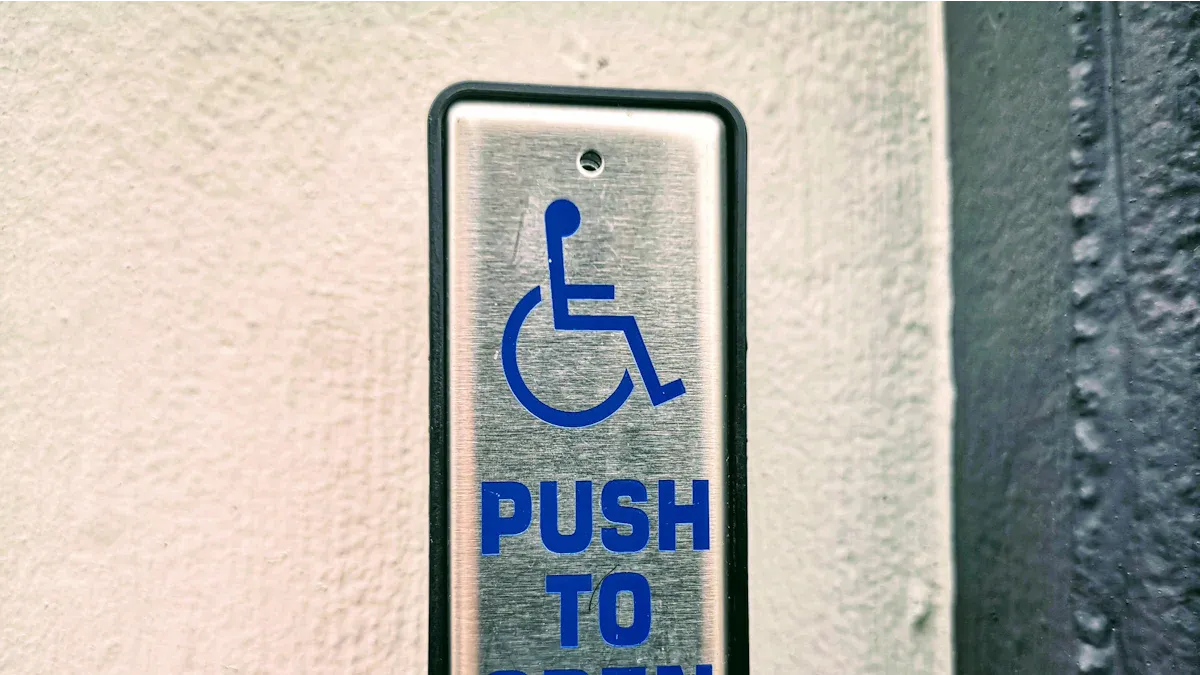
When you choose an Automatic Door Operator, ensuring it meets accessibility and compliance standards is not just good practice; it is often a legal requirement. These standards ensure everyone can use the door safely and easily.
ADA and Regulatory Requirements
The Americans with Disabilities Act (ADA) sets specific guidelines for door accessibility. For interior hinged doors, the maximum opening force is 5 pounds. This limit also applies to sliding and folding doors. Regarding closing speed, door closers must be adjusted so a door, when opened to 90 degrees, takes a minimum of 5 seconds to move to a position 12 degrees from the latch. This controlled, gradual pace prevents injuries. These requirements align with the 2010 ADA Standards and ICC A117.1, as well as ANSI/BHMA A156.19 guidelines.
User Accessibility Needs
Automatic door operators significantly improve accessibility for many users, especially those with mobility impairments. They offer smooth and reliable operation with safety features that prevent rapid or forceful closing. This reduces injury risk. You can often customize settings for door opening speed and duration to cater to diverse mobility needs.
💡 Tip: Look for features like hands-free activation via RFID tags, which allow users to trigger automatic door opening as they approach. Voice command integration, such as with Siri or Alexa, also provides effortless control for individuals with mobility challenges.
Power-operated doors open automatically via motion sensors or pressure pads. Low-energy, power-operated doors activate after a button press. Power-assist doors reduce the force needed to open them. These systems often have multiple trigger options, including wall buttons, handheld remotes, or even a puff of air for those with severe physical disabilities. Activator placement is also crucial; push-button activators must be mounted between 15 and 48 inches from the floor and be accessible without tight grasping.
Evaluating Installation and Maintenance of the Automatic Door Operator
When you pick an automatic door system, think about how easy it is to put in and keep running. These factors can save you time and money in the long run.
Ease of Installation and Wiring
No one wants a complicated installation process. Look for an Automatic Door Operator that offers straightforward installation. Some models come with pre-wired components or clear instructions, which can reduce installation time and costs. Simple wiring diagrams and accessible connection points make a big difference for installers. If the system is too complex, it might require specialized technicians, adding to your initial expenses. A user-friendly setup means less hassle and quicker operation.
Routine Servicing and Support
After installation, regular maintenance keeps your automatic door working smoothly and safely. Skipping maintenance can lead to breakdowns and even void your warranty, so always check the manufacturer’s recommendations. The American Association of Automatic Door Manufacturers (AAADM) suggests annual inspections by certified professionals for safety and code compliance. For commercial buildings, routine maintenance should happen at least twice a year. High-traffic places might need checks every quarter or even monthly. Low-traffic spots could be fine with just annual maintenance. Different door types also have specific needs:
- Single sliding doors: Every six to twelve months.
- Dual sliding doors: Every three to six months in busy areas.
- Folding doors: Every six months.
- Revolving doors: Quarterly.
- Swinging doors: Every six to twelve months.
- Surface-mounted doors: Every six months.
Make sure the supplier offers good after-sales support and readily available spare parts. This ensures you can get help quickly if something goes wrong.
Exploring Advanced Features for Your Automatic Door Operator
Automatic door operators offer more than simple door movement. They often connect with other building systems. This integration creates a smarter, more secure environment.
Integration with Access Control
You can link your door operator to an access control system. This means only authorized people can enter a specific area. Think about using key cards, biometric scanners, or even smartphone apps. When someone presents their valid credential, the door automatically opens. This setup greatly improves security. It also efficiently manages who comes and goes. For approved users, entry becomes a smooth and hands-free experience. This feature is especially useful in commercial buildings or restricted areas.
Backup Power and Manual Operation
Power outages can happen unexpectedly. A good Automatic Door Operator includes backup power. This ensures the door still works when the electricity goes out. Many systems use batteries for this purpose. The duration of battery backup varies. It depends on the battery’s capacity, how often the door is used, and the operator’s overall efficiency. Typically, these battery backup systems can provide power for several hours.
Here is an example of battery backup specifications:
| Specification | LiftMaster Specification |
|---|---|
| Battery Cycles per Full Charge | Up to 20-50 cycles |
| Standby Power Duration | 24 hours standby |
This means the door can still open and close multiple times. It can also remain in standby mode for a full day. If the battery runs out, or for other emergencies, manual operation is key. Most operators allow you to disengage the automatic function. You can then open or close the door by hand. This ensures people can always exit or enter safely, even without power. This manual override provides an essential safety net.
Considering Energy Efficiency of the Automatic Door Operator
When you select an automatic door system, thinking about how much energy it uses is very important. This choice affects both your wallet and the environment.
Power Consumption and Environmental Impact
An energy-efficient Automatic Door Operator can save a lot of money on electricity bills over time. It also helps reduce a building’s carbon footprint. Operators use power to open and close doors. Some models are designed to use less energy while still performing well. They might have features like sleep modes or efficient motors. Choosing an operator with lower power consumption contributes to a greener building. It also lowers your long-term operating costs.
"Low Energy" vs. "Full Energy" Operators
The type of operator you choose significantly impacts energy use and safety. There are two main categories: "low energy" and "full energy" operators. They differ in how much force they use and how fast they operate.
| Feature/Characteristic | Full Energy Automatic Door Operators | Low Energy Automatic Door Operators |
|---|---|---|
| Force | Higher amount of force to open and close | Lower amount of force to open and close |
| Typical Usage Areas | High-traffic areas (e.g., hospitals, airports) | Lower traffic areas (e.g., offices, retail stores) |
| ANSI Safety Requirements | Subject to ANSI A156.10, which can include: Guide Rails, Sensors, Closing Speed Time, Safety Signage, Knowing Act Actuation | Subject to ANSI A156.19, which can include: Opening / Closing Time, Signage (less stringent than full energy) |
Full energy operators open and close quickly. They use more force. These are best for busy places like hospital entrances. Low energy operators move slower. They use less force. They are often found in offices or retail stores. Low energy operators typically activate on demand, for example, with a push button. This reduces routine maintenance because they use minimum force. Full energy operators require more safety devices due to their higher force and speed. This table helps you see the key differences.
| Feature/Characteristic | High-Energy (Full-Energy) Operators | Low-Energy Operators |
|---|---|---|
| Opening Force | More force | Less force |
| Speed | Open and close quickly | Open and close at a slower speed |
| Actuation | Often by stepping into a sensor’s field of vision; can handle large crowds | On demand through a knowing act (e.g., push button, key card, hand wave); can also operate through unknowing acts but require safety devices |
| Safety Devices | Required due to higher force; can pose challenges for those with mobility assistive devices if sensors are not present to pause movement | Required if operated through unknowing acts |
| Traffic Areas | Benefit high-traffic areas (e.g., building entrances) | More suitable for low-traffic areas and meeting accessibility requirements |
| Maintenance | N/A | Reduce routine maintenance due to minimum force |
| Installation | N/A | Simple installation process |
Choosing between these two depends on your specific needs for traffic, speed, and safety.
Researching Supplier Reputation for Your Automatic Door Operator
When you choose an automatic door system, the company behind it matters a lot. A good supplier ensures you get a quality product and reliable help when you need it. Researching their reputation helps you make a smart choice.
Manufacturer Reliability and Warranty
A reliable manufacturer builds trust. They use high-grade materials and advanced manufacturing processes. This ensures their products last. You should also look at the brand’s reputation and the supplier’s reputation. These factors tell you a lot about the quality you can expect. Manufacturers also offer warranties. These protect your investment. For example, AutoDoorLeader offers a 24-month warranty. NABCO Entrances provides a 12-month warranty. Always check these details before you buy.
| Manufacturer | Warranty Period |
|---|---|
| AutoDoorLeader | 24 Months |
| NABCO Entrances | 12 Months |
After-Sales Support and Service
Good service does not end after you buy the Automatic Door Operator. Excellent after-sales support is crucial. Look for suppliers who offer comprehensive services. This includes preventative maintenance and emergency repairs. They should also provide system upgrades. You want year-round technician availability for service calls and routine checkups. Many suppliers offer service agreements for ongoing peace of mind. They also provide technical support, warranty services, and product consultation. This ensures your door system works well for years.
Comparing Costs and Value of the Automatic Door Operator
When you choose an automatic door system, looking beyond the initial price is smart. Many people make a big mistake by only considering the upfront cost. This hides the real economic picture. The true cost of an asset is its Total Cost of Ownership (TCO). This includes the purchase price, installation, maintenance, and even downtime costs. A higher initial investment in a quality system often saves a lot of money later. It prevents costly business disruptions.
For example, a low-energy operator might cost less initially. A fully automatic system has a higher upfront price.
| Cost Category | Low-Energy Operators | Fully Automatic Systems |
|---|---|---|
| Initial Purchase (per door) | $2,000 – $5,000 | $7,000 – $12,000 |
| Annual Maintenance Contracts | $100 – $300 | N/A |
| Lifespan (with proper maintenance) | 10 – 15 years | N/A |
Initial Purchase Price vs. Long-Term Operating Costs
A "Budget" kit with a lower initial price might incur significant additional costs over time. This happens because of component replacements and downtime. A "Quality" kit, even with a higher initial price, could have a total cost very close to its starting price. This is due to minimal maintenance and no unscheduled downtime. Always consider the long-term value.
Electro-Hydraulic Operators for Manual Use
Some commercial buildings do not always need automatic operation. For these situations, electro-hydraulic door operators offer a great solution. They are:
- Durable.
- Dependable.
- Used in commercial buildings where automatic operation is only sometimes needed.
This type of Automatic Door Operator provides robust performance. It also allows for easy manual use when automation is not necessary.
Choosing the right Automatic Door Operator involves many considerations. You must assess your specific needs, traffic levels, and safety features. Durability, accessibility, and energy efficiency are also important. Researching suppliers and comparing costs helps you make a smart choice. Prioritize your unique requirements for the best long-term solution.
FAQ
What is the difference between low-energy and full-energy operators?
Low-energy operators use less force and move slower. They are great for accessibility. Full-energy operators move faster with more force. They suit high-traffic areas like hospitals.
How often should I maintain my automatic door operator?
Regular maintenance is key. AAADM suggests annual inspections. Commercial doors need checks at least twice a year. High-traffic doors might need monthly checks.
Are automatic door operators safe for everyone?
Yes, they are. Modern operators include obstacle detection. They also have emergency stop functions. These features protect users and prevent accidents.