
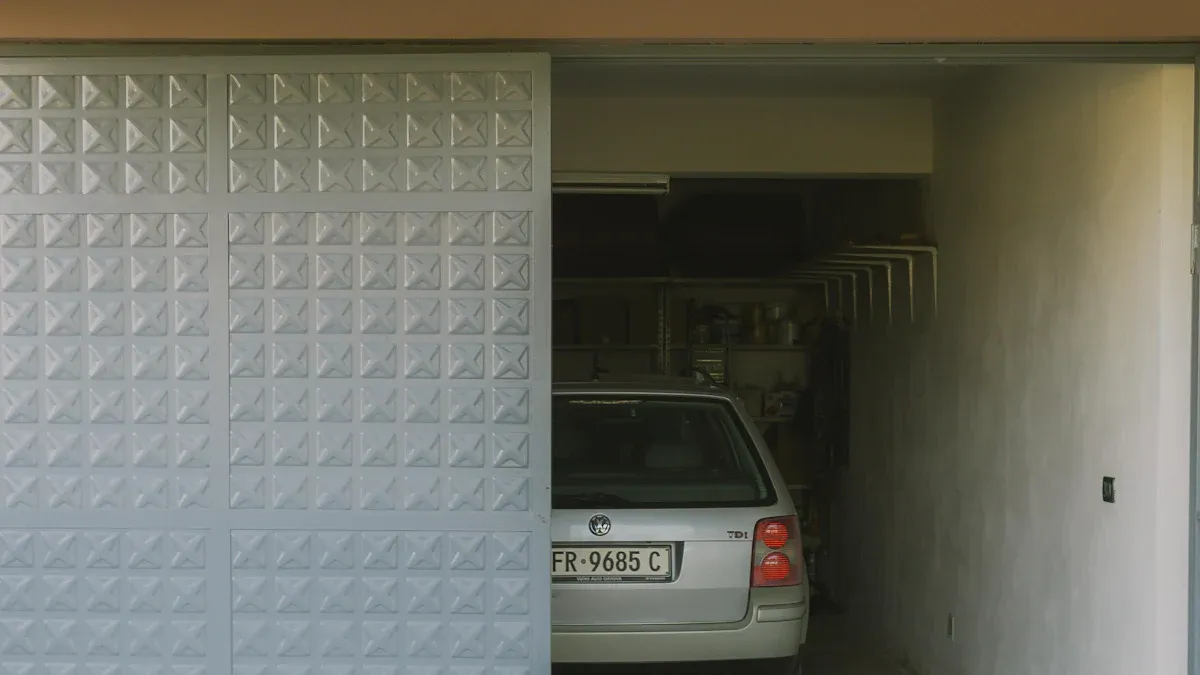
Proactive maintenance is crucial for extending the service life and ensuring the safe operation of your Automatic Door Motor. Regular care significantly prolongs its functionality. For example, automatic door motors with proper maintenance often last much longer than those without. This table illustrates the impact of maintenance on lifespan:
| Motor Type | Lifespan (without maintenance) | Lifespan (with proper maintenance) |
|---|---|---|
| Sliding Gate Motors | 10-15 years | Up to 20 years |
Choosing an OEM automatic door motor initially also impacts long-term reliability. Understanding how to choose automatic door motor components wisely can reduce future maintenance needs. Addressing issues like a noisy automatic door motor solution promptly prevents major breakdowns. Ignoring the question, "Why is my automatic door motor making noise?" can lead to costly repairs.
Key Takeaways
- Regular maintenance helps your automatic door motor last longer. It also keeps the door working safely.
- Professional inspections are important. They find problems early and keep your door working well.
- Clean tracks and sensors often. This stops dirt from making the motor work too hard.
- Listen for strange noises. Grinding or humming sounds mean the motor might have a problem.
- Always follow the manufacturer’s guide. It tells you how to care for your specific door motor.
Prioritize Professional Servicing for Your Automatic Door Motor
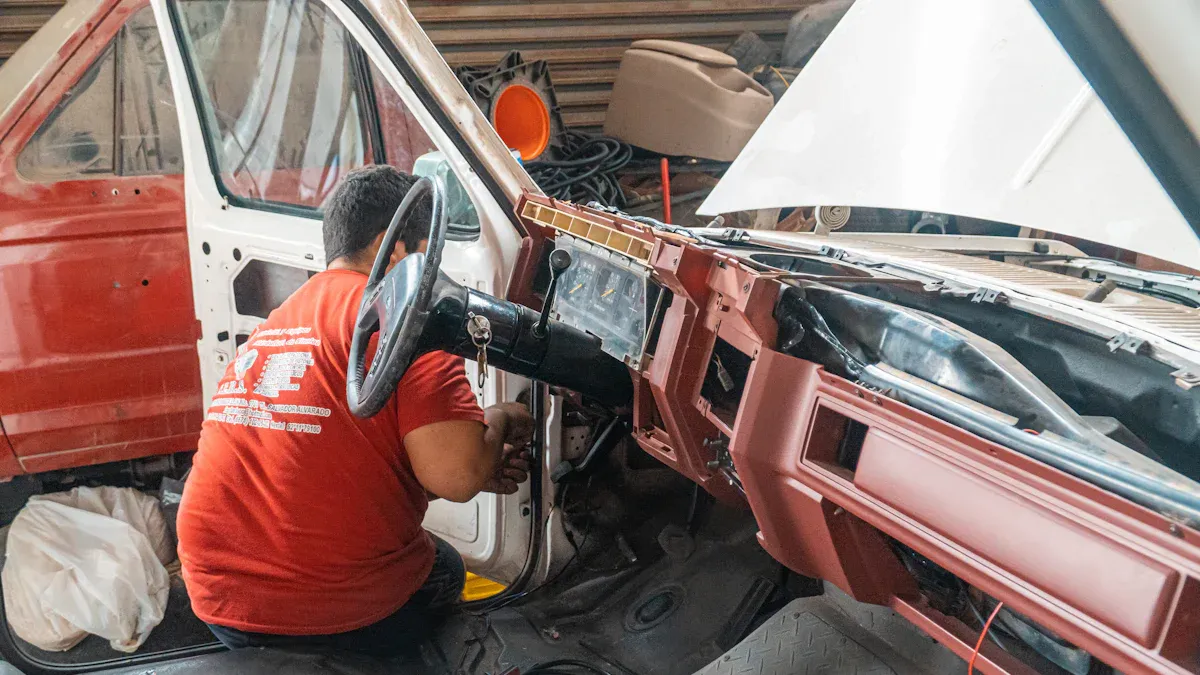
Professional servicing forms the backbone of a robust maintenance strategy for any automatic door system. It ensures specialized attention to complex components and adherence to industry standards.
Schedule Regular Professional Inspections
Regular professional inspections are paramount for the longevity and safe operation of automatic doors. For commercial establishments experiencing high foot traffic, servicing automatic doors every six months is generally recommended. This frequency addresses the increased wear and tear from constant use, ensuring optimal functionality. The American Association of Automatic Door Manufacturers (AAADM) recommends annual inspections, at a minimum, performed by certified professionals. This ensures safety and compliance with relevant codes.
Different door types also have varying inspection frequencies:
| Door Type | Recommended Frequency |
|---|---|
| Folding doors | Every six months |
| Revolving doors | Quarterly |
| Swinging doors | Every six to 12 months (traffic dependent) |
| Surface-mounted doors | Every six months |
For doors in high-traffic areas like shopping malls or hospitals, monthly inspections are advisable. Moderate use environments typically require quarterly inspections. All sliding doors should undergo inspection at least twice a year. During these inspections, technicians perform motor performance testing, checking for correct operation, unusual noises, or signs of overheating. They also inspect and maintain the drive mechanism, including the motor, as part of comprehensive checks.
Understand Service Agreements and Their Scope
Service and maintenance agreements extend beyond initial warranties, offering structured care for automatic door systems. These agreements often include regular inspections, preventive maintenance, and discounted repair services. Opting for such an agreement can significantly prolong the lifespan of the automatic door system and ensure timely interventions for issues. Comprehensive inspections are a key component, where technicians examine critical parts like springs, rollers, cables, tracks, and openers, including motors, belts, and chains, for wear, damage, or misalignment. Preventive maintenance involves lubricating moving parts, tightening fasteners, and testing safety features. Many contracts also provide perks such as priority scheduling and discounts on parts and labor for repairs. Service providers often offer customized maintenance plans to suit specific requirements.
Ensure Certified Technicians Perform Maintenance
Qualified technicians are essential for effective automatic door maintenance. They possess the expertise to diagnose and resolve complex issues accurately. AAADM Certification is a crucial credential, as it trains and certifies technicians on all components of automatic doors. AAADM-certified professionals can inspect existing doors for safety and reliability, identify root causes of problems, and perform lasting repairs. Other programs, like SafeDoorPM, focus on regular maintenance based on manufacturer specifications and OSHA standards, including planned inspections with detailed documentation. Certifications such as ISNetworld and RAVS Plus indicate a contractor’s commitment to safety, ensuring best practices for all work steps and protecting customers and employees.
Implement Daily and Weekly Checks for Your Automatic Door Motor
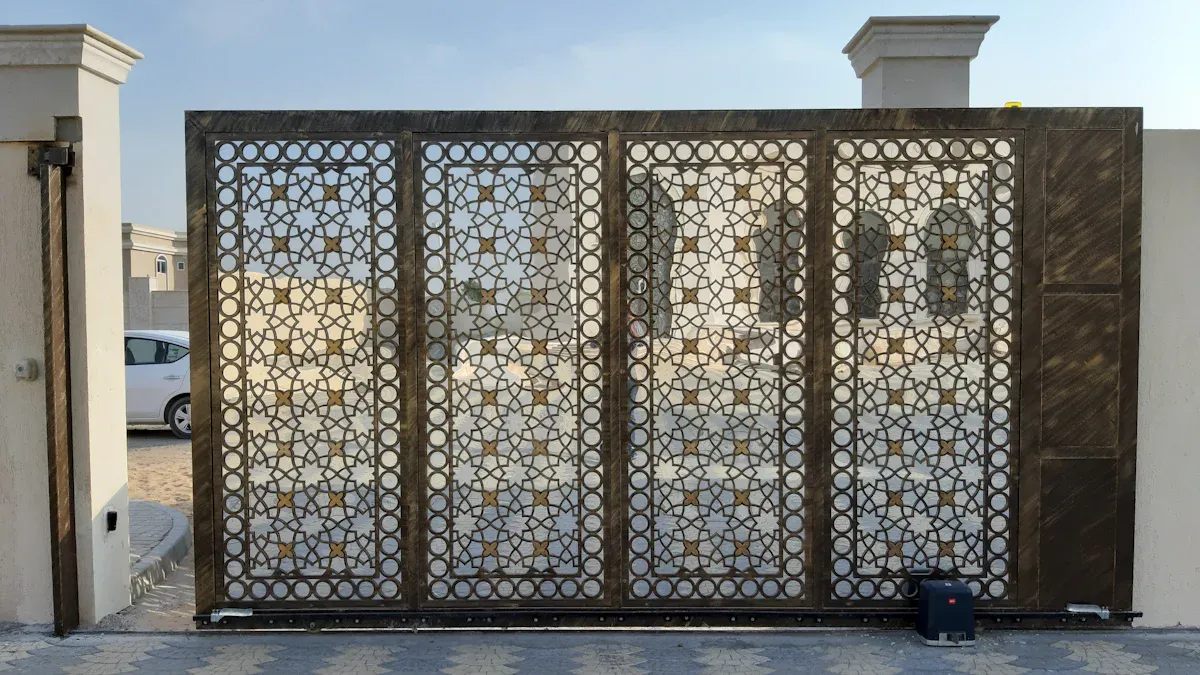
Regular, simple checks by users significantly contribute to the longevity and efficiency of an automatic door system. These routine observations can identify minor issues before they escalate into major problems.
Keep Tracks, Sensors, and the Motor Clean
Maintaining cleanliness around your automatic door system is a simple yet effective maintenance task. Dirt, dust, and debris can accumulate on tracks, hindering smooth door movement. This buildup forces the motor to work harder, potentially shortening its lifespan. Users should regularly wipe down the tracks with a clean cloth. Sensors also require attention. Dust or smudges on sensor lenses can interfere with their ability to detect objects, compromising safety features. A soft, dry cloth effectively cleans these components. While direct cleaning of the internal Automatic Door Motor is not a daily task, keeping its immediate surroundings free from obstructions and excessive dust helps prevent overheating and ensures proper ventilation.
Observe Door Movement and Closing Speed
Users should regularly observe the door’s operation. The door should open and close smoothly, without hesitation or jerky movements. Pay attention to the door’s speed. It should maintain a consistent pace throughout its travel. Any noticeable slowing down, speeding up, or inconsistent motion indicates a potential issue. These changes often suggest problems with the motor, the drive system, or the door’s balance. Early detection allows for timely intervention, preventing further damage.
Listen for Unusual Sounds from the Automatic Door Motor
A well-functioning automatic door operates with minimal noise. Users should listen carefully for any unusual sounds during operation.
- Grinding noises are a strong indicator of internal mechanical problems. This typically involves the motor’s gears or bearings.
- A grinding noise from the motor could also indicate an issue with the coupling. This coupling connects the motor to the gearbox.
- An excessive humming sound from the motor might suggest a faulty motor itself.
These sounds are critical warning signs. They signal components under stress or experiencing wear. Addressing these auditory cues promptly can prevent costly repairs and extend the system’s operational life.
Recognize Warning Signs Requiring Immediate Attention for Your Automatic Door Motor
Promptly identifying warning signs prevents minor issues from becoming major problems. Users must recognize these indicators for the system’s safety and longevity.
Identify Strange Noises or Vibrations
Unusual sounds or vibrations from an automatic door system signal underlying issues. A grinding noise often indicates a chain or belt problem. It can also mean the system is being forced to operate under strain. Tightening or adjusting a loose chain or belt might resolve this. Squeaking sounds during door operation can point to dried-out weatherstripping or roller problems. Lubrication often corrects these issues. Squealing typically results from poorly lubricated parts. If lubrication does not help, professional service might be necessary to re-position or reinstall the door. Worn, damaged, or poorly lubricated rollers can cause grinding or squealing. Loose nuts and bolts can also create screeching sounds. These affect the balance and alignment of door components. Loose, damaged, or rusty hinges also lead to squeaking noises. Older doors often develop squeaking rollers due to rust, wear, and tear.
Detect Jerky, Slow, or Inconsistent Operation
Jerky, slow, or inconsistent door movement is a clear signal of an underlying issue. Doors closing too quickly pose safety risks. Ignoring these issues leads to more significant problems and higher repair costs. Promptly addressing slow or jerky movement enhances safety. Misaligned tracks, a potential cause of inconsistent operation, can create safety hazards. Addressing these signs promptly prevents more significant damage and ensures safe operation.
Notice Sensor Malfunctions or Misalignments
Automatic door sensors are crucial for safety. Their malfunction requires immediate attention. Obstruction of the sensor is a common cause. Debris like branches, rocks, or leaves can block the sensor’s path. Direct sunlight can also interfere with sensor beams. Misalignment of the sensor is another frequent problem. Photoelectric sensors are precise; they easily become misaligned. A flashing red light often indicates this issue. A dirty sensor lens also hinders function. Dirt, soil, or spider webs can accumulate on the photo glasses. Water on or around the lenses, especially from rain or sprinklers, can cause malfunctions. Wiring problems, such as damaged wiring from insects or rodents, weaken the connection and lead to sensor malfunction. The Americans with Disabilities Act (ADA) mandates proper sensor function for safe entry and exit.
Adhere to Manufacturer Guidelines for Your Automatic Door Motor
Manufacturers design automatic door systems with specific operational parameters and maintenance requirements. Adhering to their guidelines ensures optimal performance and longevity. Ignoring these recommendations can void warranties and lead to premature component failure.
Consult the Owner’s Manual for Specifics
The owner’s manual provides essential information for any automatic door system. It details specific maintenance schedules, troubleshooting steps, and recommended parts. Technicians should always refer to this document for precise instructions regarding their particular Automatic Door Motor model. The manual often contains diagrams and specifications unique to the system. Understanding these specifics helps prevent improper adjustments or the use of incompatible components.
Use Recommended Lubricants and Parts
Proper lubrication is vital for the smooth operation of an automatic door system. Manufacturers specify the correct types of lubricants for various components. Using the wrong lubricant can cause damage or reduce efficiency. Recommended lubricants often include:
- Lubriplate L0034-094 Motor Assembly Grease: This prevents "dry start," scuffing, and scoring.
- Lubriplate L0944-054 Vacuum Pump Oil Light: It offers optimum lubrication without additives like rust inhibitors.
- Lubriplate L0152-000 Gear Shield Extra Heavy Grease: This provides a complete series covering user needs for different film.
- Pro SL Spray Grease, 9 Ounce: This synthetic aerosolized product penetrates and prevents rust.
Always use genuine manufacturer parts for replacements. Generic parts may not meet the same quality standards or fit precisely, potentially compromising system integrity.
Follow Replacement and Adjustment Schedules
Manufacturers establish specific schedules for replacing worn components and performing adjustments. These schedules are based on extensive testing and predict component lifespan under normal operating conditions. Following these timelines prevents unexpected breakdowns and maintains safety standards. Regular adjustments, such as tensioning belts or aligning sensors, keep the system operating within its designed parameters. Proactive adherence to these schedules minimizes downtime and extends the overall service life of the automatic door system.
Consistent maintenance, combining professional service and user vigilance, is paramount for maximizing the lifespan of your Automatic Door Motor. Adhering to manufacturer guidelines and professional service schedules ensures optimal performance, safety, and prevents costly breakdowns. Regular maintenance extends component lifespan by up to 40%, delaying expensive overhauls. It also significantly reduces the probability of malfunctions and decreases long-term repair expenses. Emergency repairs can be three times more expensive than preventative service. This proactive approach ensures reliable operation and significant long-term savings.