
Selecting the right sensor for automatic doors is crucial, especially when considering options like microwave motion sensors vs infrared sensors. The choice impacts both safety and efficiency in various environments. Advanced sensors, including safety beam sensor automatic doors, enhance operational capabilities and reduce risks. For instance, features like automatic reverse mechanisms greatly improve worker safety and prevent accidents. Additionally, automatic activation devices, such as floor loop sensors, provide a hands-free method for opening and closing doors, catering to diverse traffic scenarios. When conducting an automatic door sensor comparison, it’s important to evaluate the best sensor for high traffic doors, as well as the effectiveness of a false alarm prevention sensor. The three main types of sensors include micro sensors, infrared sensors, and safety beam sensors, each offering unique benefits tailored to specific applications.
Key Takeaways
- Choose the right sensor type based on your environment. Micro sensors work well in high-traffic areas, while infrared sensors are best for controlled spaces.
- Safety beam sensors enhance safety by preventing doors from closing on people. They are ideal for public transportation and industrial settings.
- Consider installation and maintenance needs. Proper alignment and regular cleaning of sensors ensure they function effectively and safely.
- Evaluate the advantages and disadvantages of each sensor type. Understanding their strengths helps you make informed decisions for your automatic doors.
- Test sensors under real conditions before final installation. This practice ensures they perform optimally in their intended environment.
Micro Sensors
How Micro Sensors Work
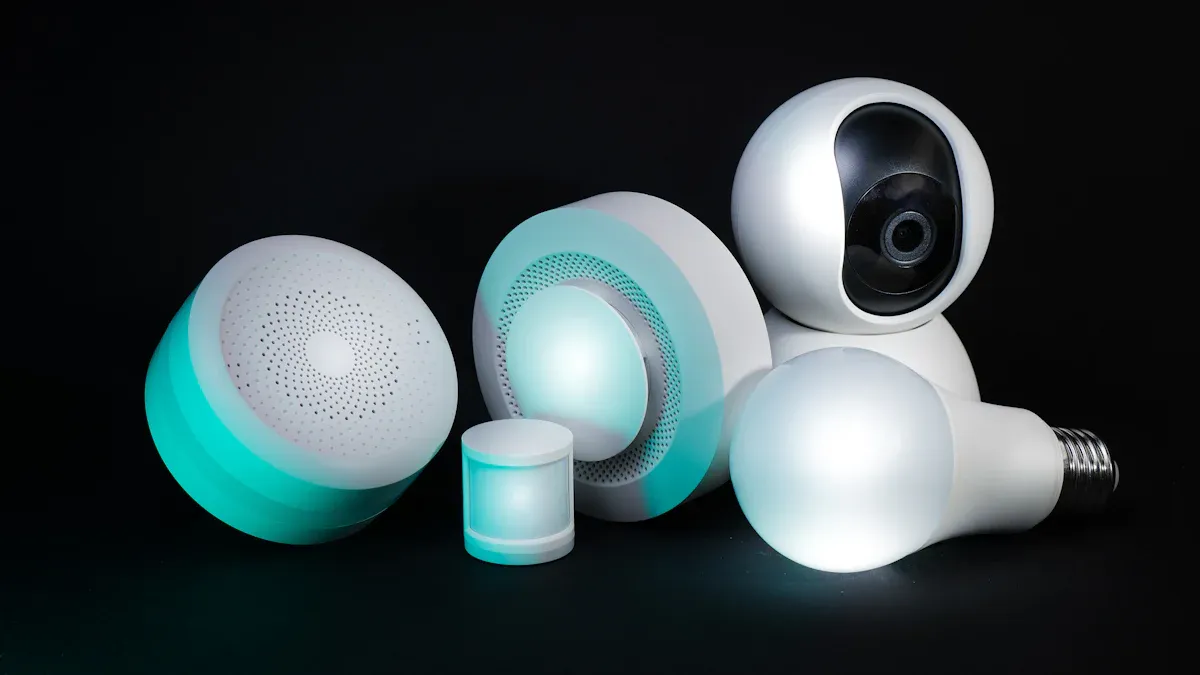
Micro sensors operate using various detection mechanisms. They can be categorized into two main types: active and passive sensors. Active sensors emit signals, such as light rays, and detect changes in their reflection. In contrast, passive sensors rely on ambient radiation emitted by living beings. When a person enters the detection zone, these sensors trigger actions based on the increase in radiation.
Micro sensors, particularly microwave sensors, emit a range of wavelengths and analyze the returning signal pattern to determine proximity. This technology allows for precise detection of movement, making them suitable for automatic doors.
Advantages of Micro Sensors
Micro sensors offer several benefits that enhance their functionality in automatic door systems:
- Low Energy Consumption: Capacitive sensors consume minimal energy, making them efficient for continuous operation.
- High Switching Rates: These sensors exhibit rapid response times, ideal for environments with high foot traffic.
- Versatility: They can detect both metallic and non-metallic objects at greater ranges compared to inductive sensors.
- Integration with ZigBee Technology: This feature allows for lower energy consumption while transmitting data, extending the operational time of monitoring systems.
Disadvantages of Micro Sensors
Despite their advantages, micro sensors face certain limitations:
- Susceptibility to Electromagnetic Interference: In environments with high electromagnetic interference, such as industrial settings, micro sensors may struggle to function effectively. For instance, in a 110KV substation, specialized sensors are necessary to monitor conditions without interference.
- Limited Range in Certain Conditions: While they excel in many applications, micro sensors may not perform optimally in all environments, particularly those with significant physical obstructions or extreme temperatures.
Micro sensors find applications in various commercial and industrial settings, including security systems, home automation, and healthcare environments. Their ability to enhance safety and efficiency makes them a valuable choice for automatic doors.
Ideal Applications for Micro Sensors
Micro sensors excel in various applications due to their unique capabilities. Here are some of the most effective uses:
-
Automatic Doors: Micro sensors are commonly used in automatic doors for commercial buildings. Their rapid response time ensures smooth operation, allowing for seamless entry and exit.
-
Security Systems: In security applications, micro sensors detect movement and trigger alarms. They provide enhanced safety in residential and commercial properties.
-
Healthcare Facilities: Hospitals and clinics utilize micro sensors for patient monitoring systems. These sensors help track patient movements, ensuring timely assistance when needed.
-
Smart Homes: Home automation systems integrate micro sensors to control lighting, heating, and security. They enhance convenience and energy efficiency.
-
Industrial Automation: Factories employ micro sensors for equipment monitoring and process control. Their ability to detect both metallic and non-metallic objects makes them versatile in manufacturing settings.
Tip: When selecting micro sensors for specific applications, consider factors such as environmental conditions and required detection range. This ensures optimal performance and reliability.
Infrared Sensors

How Infrared Sensors Work
Infrared sensors detect motion by emitting an infrared beam across an entrance. When a person or object interrupts this beam, detectors on the opposite side recognize the change. The control unit processes this information, determining if there is motion or presence. If so, it triggers the door mechanism to open. This technology allows for seamless entry and exit in various environments.
Advantages of Infrared Sensors
Infrared sensors offer numerous benefits that enhance their effectiveness in automatic door applications:
- Enhanced Security: Infrared sensors provide real-time monitoring and alerts, improving overall safety.
- Accurate Detection: They reliably detect movement, which reduces the risk of false alarms. This reliability is crucial for both residential and commercial security applications.
- Technological Advancements: Recent improvements in technology have increased the accuracy and sensitivity of these sensors. Machine learning algorithms help distinguish between different types of movement, further enhancing reliability.
- Consistent Performance: Advanced signal processing techniques ensure that infrared sensors perform well in varying environmental conditions.
Disadvantages of Infrared Sensors
Despite their advantages, infrared sensors face certain challenges:
- Environmental Sensitivity: Infrared sensors may struggle in outdoor or brightly lit environments. Over-illumination can lead to ‘white-out’ effects, making it difficult for the sensors to function properly.
- Limited Detection Range: In some cases, infrared sensors may not detect objects that are too close, which can hinder their effectiveness in certain applications.
- Monochrome Limitations: Infrared cameras often operate in monochrome mode, which can result in a loss of vital identifying details.
Infrared sensors are commonly installed in various public facilities, including:
| Public Facilities |
|---|
| Schools |
| Airports |
| Train Stations |
These sensors play a vital role in ensuring smooth and secure access in high-traffic areas.
Ideal Applications for Infrared Sensors
Infrared sensors find extensive use across various sectors due to their reliable detection capabilities. Here are some of the most effective applications:
-
Retail Environments: Retail stores utilize infrared sensors to monitor customer movement. These sensors help manage foot traffic and enhance security by detecting unauthorized access after hours.
-
Public Transportation: Airports and train stations employ infrared sensors to facilitate smooth passenger flow. They automatically open doors as travelers approach, ensuring quick access while maintaining security.
-
Healthcare Facilities: Hospitals use infrared sensors to monitor patient movements. These sensors can trigger alerts if a patient falls or wanders outside designated areas, enhancing safety and response times.
-
Smart Home Systems: Home automation systems integrate infrared sensors to control lighting and security. They activate lights when someone enters a room, providing convenience and energy savings.
-
Industrial Applications: Factories implement infrared sensors for safety and automation. These sensors can detect personnel in hazardous areas, triggering alarms or shutting down machinery to prevent accidents.
Tip: When selecting infrared sensors, consider the specific environment. Factors such as lighting conditions and the presence of obstacles can affect sensor performance.
| Application Area | Benefits |
|---|---|
| Retail | Customer tracking and security enhancement |
| Public Transportation | Efficient passenger flow and access control |
| Healthcare | Patient safety and monitoring |
| Smart Homes | Energy efficiency and convenience |
| Industrial | Safety measures and automation |
Infrared sensors play a vital role in enhancing safety and efficiency across these applications. Their ability to detect motion accurately makes them indispensable in modern automatic door systems.
Safety Beam Sensors
How Safety Beam Sensors Work
Safety beam sensors, often referred to as safety curtains, play a crucial role in automatic door systems. These sensors operate by creating an invisible light beam between two points. When an object or person interrupts this beam, the sensor detects the change and sends a signal to the door mechanism. This action prevents the door from closing, ensuring safety for individuals in the threshold area.
- Safety beams detect the presence of human bodies or objects.
- They provide a signal to open the door, thus preventing potential hazards.
- The use of photoelectric beam sensors is essential to avoid doors closing on individuals.
Advantages of Safety Beam Sensors
Safety beam sensors offer several significant benefits that enhance user safety and operational efficiency:
- Enhanced Safety: These sensors provide immediate feedback about nearby activity. They minimize accidents, especially in environments where pedestrians and machinery coexist.
- Reliable Detection: Unlike other sensor types that rely on movement patterns, safety beam sensors detect interruptions in the beam. This reliability is crucial in high-traffic areas.
- Versatile Applications: Safety beam sensors are suitable for various settings, including commercial buildings, hospitals, and industrial sites. Their ability to prevent accidents makes them a preferred choice for automatic doors.
Tip: When installing safety beam sensors, ensure proper alignment to maximize their effectiveness.
Disadvantages of Safety Beam Sensors
Despite their advantages, safety beam sensors have some drawbacks:
- Installation Complexity: Improper installation can lead to operational issues or safety hazards. Professional installation is recommended for complex setups to ensure compliance with safety regulations.
- Sensitivity to Environmental Factors: Safety beam sensors may be affected by environmental conditions, such as heavy rain or fog, which can obstruct the infrared beam.
- Maintenance Requirements: Regular maintenance is necessary to ensure optimal performance. Dust or debris on the sensor can hinder its ability to detect interruptions effectively.
Safety beam sensors provide a reliable solution for enhancing safety in automatic door systems. Their ability to detect obstacles and prevent accidents makes them an essential component in various applications.
Ideal Applications for Safety Beam Sensors
Safety beam sensors play a vital role in various environments where safety is paramount. Their ability to detect obstacles and prevent accidents makes them suitable for numerous applications. Here are some ideal uses for safety beam sensors:
-
Automatic Doors: Safety beam sensors are commonly installed in automatic doors at commercial buildings. They prevent doors from closing on individuals, ensuring safe entry and exit.
-
Industrial Settings: Factories and warehouses utilize safety beam sensors to protect workers. These sensors can halt machinery if a person enters a hazardous area, reducing the risk of injury.
-
Healthcare Facilities: Hospitals employ safety beam sensors to safeguard patients. These sensors can prevent doors from closing on patients who may be moving slowly or using mobility aids.
-
Public Transportation: Airports and train stations use safety beam sensors to enhance passenger safety. They ensure that doors remain open when someone approaches, facilitating smooth access.
-
Retail Environments: Retail stores benefit from safety beam sensors by preventing accidents at entrances. These sensors help maintain a safe shopping experience for customers.
Tip: When implementing safety beam sensors, ensure proper alignment and regular maintenance. This practice maximizes their effectiveness and reliability.
| Application Area | Benefits |
|---|---|
| Automatic Doors | Prevents accidents during entry and exit |
| Industrial Settings | Protects workers from machinery hazards |
| Healthcare Facilities | Ensures patient safety and mobility |
| Public Transportation | Facilitates smooth access for passengers |
| Retail Environments | Enhances customer safety and experience |
Safety beam sensors provide essential protection across these applications. Their reliable detection capabilities contribute significantly to safety in various settings.
Comparative Analysis
Performance Comparison
When evaluating the performance of micro sensors, infrared sensors, and safety beam sensors, several criteria come into play. The following table summarizes key performance metrics for these sensor types in automatic door applications:
| Criteria | Infrared Sensor | Safety Beam Sensor |
|---|---|---|
| Motion sensitivity | Medium | Auxiliary (closing phase) |
| Detection range | 1–3 m | 0.5–1 m |
| Interference resistance | Medium | Excellent |
| Response time | Moderate | Fast |
| Investment cost | Low | Medium |
| Durability | Fair | Very good |
Infrared sensors provide moderate motion sensitivity and a decent detection range, making them suitable for many environments. However, safety beam sensors excel in interference resistance and response time, ensuring quick reactions to potential hazards. This performance comparison highlights the strengths and weaknesses of each sensor type, guiding users in selecting the most appropriate option for their specific needs.
Sensitivity Differences
Sensitivity plays a crucial role in the effectiveness of automatic door sensors. Micro sensors, particularly microwave motion sensors, exhibit high sensitivity levels. They can detect movement through various materials, making them versatile in different environments. However, this sensitivity can lead to false alarms triggered by non-target movements.
In contrast, infrared sensors rely on detecting heat signatures. They are less prone to false alarms but may struggle in environments with fluctuating temperatures. Safety beam sensors, on the other hand, focus on detecting interruptions in the beam. This method provides reliable detection without the complications of environmental sensitivity.
The following table illustrates the differences between microwave motion sensors and infrared sensors regarding their detection technology and application:
| Feature | Microwave Sensors | Infrared Sensors |
|---|---|---|
| Detection Technology | Uses RADAR-like signals to detect motion through various materials, except metal. | Detects movement through heat and light. |
| Sensitivity | Highly sensitive, can trigger false alarms from non-target movements. | Less prone to false alarms, but affected by ambient temperature. |
| Ideal Applications | Suitable for large areas and various environments. | Best for defined detection in controlled spaces. |
| Temperature Range | Operates from -20℃ to 45℃. | Performance compromised above 35℃ and very sensitive in cold. |
| Lifespan | Generally longer lifespan but higher power consumption. | Shorter lifespan and lower power requirements. |
Installation Considerations
Installation plays a significant role in the effectiveness of automatic door sensors. Each sensor type has unique requirements that can impact performance. Here are some essential considerations for each sensor type:
- Micro Sensors: These sensors require careful placement to avoid electromagnetic interference. Proper alignment ensures optimal performance.
- Infrared Sensors: Installation should account for lighting conditions. Bright lights can interfere with sensor functionality, so positioning away from direct light sources is crucial.
- Safety Beam Sensors: These sensors need precise alignment to create an uninterrupted beam. Regular maintenance is necessary to keep the sensors clean and functional.
Regular maintenance is vital for all sensor types. Here are some common maintenance requirements:
- Regular testing of sensors for safety
- Cleaning sensor surfaces to prevent misreads
- Pairing with backup power for uninterrupted usage or emergencies
By considering these factors, users can ensure that their automatic door sensors operate efficiently and safely.
Microwave Motion Sensors vs Infrared
When comparing microwave motion sensors and infrared sensors, several factors come into play. Both sensor types serve the purpose of detecting movement, but they operate using different technologies and have distinct advantages and disadvantages.
Detection Mechanism
Microwave motion sensors emit microwave signals and analyze the reflected waves to detect movement. This technology allows them to penetrate through various materials, including walls and doors. In contrast, infrared sensors rely on detecting heat emitted by objects. They create a detection zone by emitting infrared light and monitoring interruptions in that beam.
Advantages of Each Sensor Type
-
Microwave Motion Sensors:
- Versatility: They can detect movement through obstacles, making them suitable for complex environments.
- Wide Coverage: These sensors typically cover larger areas compared to infrared sensors.
- High Sensitivity: They respond quickly to movement, which is beneficial in high-traffic areas.
-
Infrared Sensors:
- Cost-Effective: Generally, infrared sensors are less expensive than microwave sensors.
- Lower Power Consumption: They consume less energy, making them ideal for long-term use.
- Reduced False Alarms: Infrared sensors are less likely to trigger false alarms since they detect heat signatures.
Disadvantages of Each Sensor Type
-
Microwave Motion Sensors:
- Susceptibility to Interference: They may experience interference from other electronic devices, which can affect performance.
- Higher Cost: The advanced technology often results in a higher price point.
-
Infrared Sensors:
- Limited Detection Range: They may struggle to detect objects that are too close or too far away.
- Environmental Sensitivity: Bright lights or extreme temperatures can hinder their effectiveness.
Ideal Applications
Both sensor types find their place in various applications. Microwave motion sensors are often used in large commercial spaces, such as warehouses and airports, where their wide coverage is beneficial. Infrared sensors are commonly found in retail environments and residential settings, where cost-effectiveness and energy efficiency are priorities.
Choosing the right sensor for automatic doors is essential for ensuring safety and efficiency. Each sensor type offers unique advantages:
- Micro Sensors: Ideal for high-traffic areas due to their rapid response times and versatility.
- Infrared Sensors: Provide reliable detection in controlled environments, making them suitable for retail and healthcare settings.
- Safety Beam Sensors: Enhance safety by preventing accidents, particularly in industrial and public transportation applications.
When selecting a sensor, consider factors such as door size, traffic levels, and environmental conditions. These elements significantly impact performance and long-term operational costs. For instance, advanced sensors may have higher upfront costs but can lead to energy savings and reduced maintenance needs over time. Prioritizing safety and functionality ensures that automatic doors operate effectively while complying with safety regulations.
Tip: Always test sensors under conditions similar to their intended use to ensure optimal performance.
FAQ
What is the main difference between micro sensors and infrared sensors?
Micro sensors detect movement through emitted signals, while infrared sensors rely on heat signatures. Micro sensors can penetrate obstacles, whereas infrared sensors are more sensitive to environmental conditions.
Are safety beam sensors suitable for outdoor use?
Safety beam sensors can function outdoors but may face challenges from environmental factors like rain or fog. Proper installation and maintenance help ensure their effectiveness in outdoor settings.
How often should I maintain my automatic door sensors?
Regular maintenance is essential for optimal performance. Inspect sensors every six months, clean surfaces, and test functionality to prevent malfunctions and ensure safety.
Can I install these sensors myself?
While some users may attempt DIY installation, professional installation is recommended. Experts ensure proper alignment and compliance with safety regulations, minimizing risks associated with incorrect setup.
What factors should I consider when choosing a sensor type?
Consider the environment, traffic levels, and specific application needs. Each sensor type has unique strengths, so selecting one that aligns with your requirements ensures safety and efficiency.