
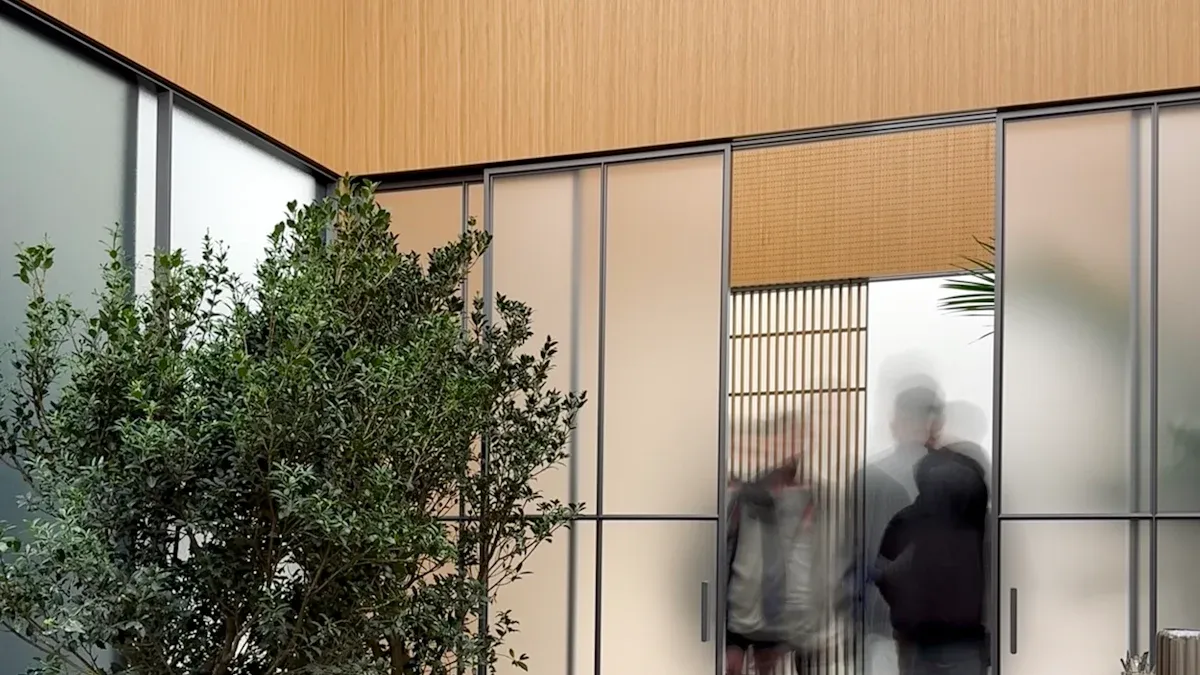
Automatic sliding door operators significantly enhance user experience in various environments. They facilitate easier passage for individuals carrying heavy or cumbersome items. In high-traffic areas, these durable automatic sliding door operators reduce collision risks, thereby enhancing safety and comfort. Users often find shopping more convenient when doors open automatically, leading to a seamless experience. The working principle of automatic sliding door operators ensures smooth operation, making them a valuable addition to any facility. The application scenarios of automatic sliding door operators are vast, ranging from retail spaces to office buildings. What are the remarkable advantages of an automatic sliding door operator? They not only improve accessibility but also contribute to energy efficiency and aesthetic appeal.
Key Takeaways
- Automatic sliding doors enhance accessibility, making it easier for individuals with disabilities and the elderly to enter and exit buildings.
- These doors improve energy efficiency by reducing heating and cooling costs, saving businesses money on energy bills.
- Safety features like motion sensors and obstacle detection minimize risks, ensuring a secure environment for all users.
- The modern design of automatic sliding doors elevates the aesthetic appeal of buildings, creating a welcoming atmosphere for visitors.
- Integrating automatic sliding doors with access control systems enhances security, preventing unauthorized entry effectively.
Enhanced Accessibility
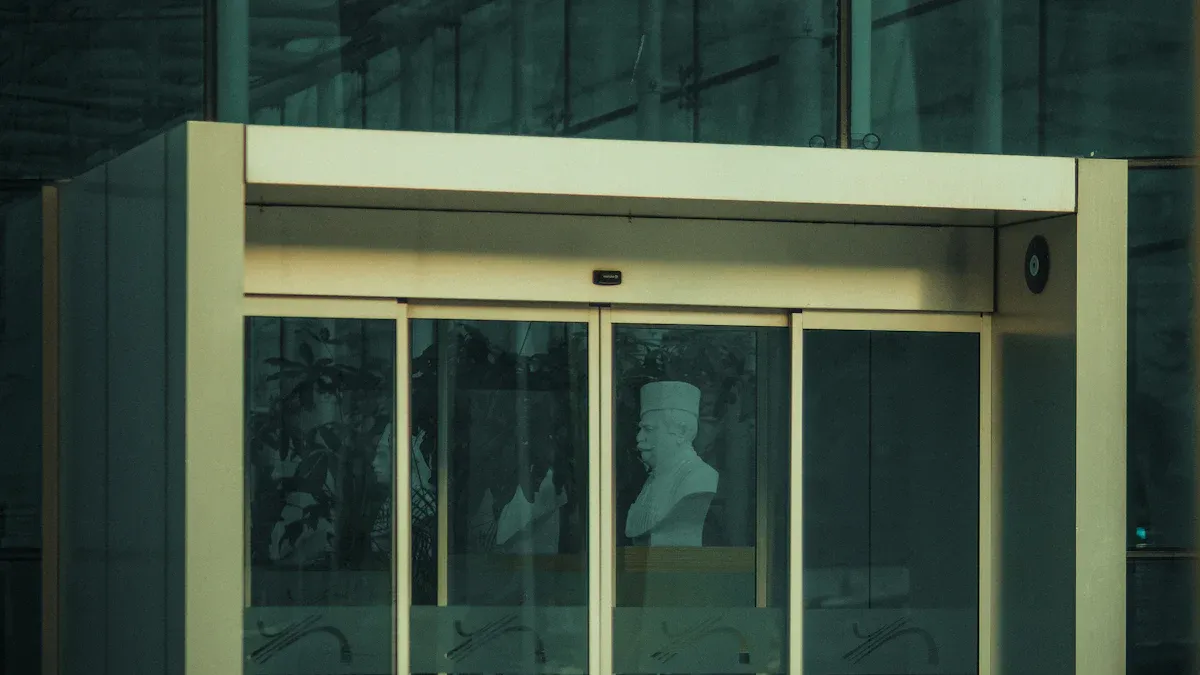
Automatic sliding door operators significantly enhance accessibility for all users, especially those with disabilities and the elderly. These systems provide easy transitions between indoor and outdoor spaces, which is crucial for individuals facing mobility challenges. Here are some key benefits:
- Easy transitions: Automatic doors facilitate smooth access, allowing individuals to navigate without assistance.
- Customizable activation options: Users can select from various activation methods, such as touchless sensors or voice activation, ensuring the system meets their specific needs.
- Safety features: The design includes mechanisms that prevent doors from closing too quickly, reducing the risk of injury.
With over 54 million Americans living with disabilities, automatic door openers play a vital role in removing barriers in daily life. They allow for no-struggle entry and exit, which is essential for those with limited strength or dexterity. Hands-free operation options cater to users who may not be able to use their hands easily. Additionally, these doors can remain open for a set duration, ensuring safe passage for individuals using mobility aids.
Automatic sliding door operators also comply with accessibility standards, such as the Americans with Disabilities Act (ADA). The ADA requires that any provided doors meet specific operational characteristics. For instance, doors must be operable with a maximum force of five pounds and take at least five seconds to close from 90 degrees to 12 degrees from the latch. This compliance ensures that individuals with mobility issues can pass through without difficulty.
In retail environments, automatic sliding doors create a welcoming atmosphere, enhancing the initial customer experience. They facilitate smooth foot traffic flow, which is crucial during busy shopping times. Customer satisfaction surveys indicate a preference for stores with accessible entrances, highlighting the importance of convenience.
Energy Efficiency
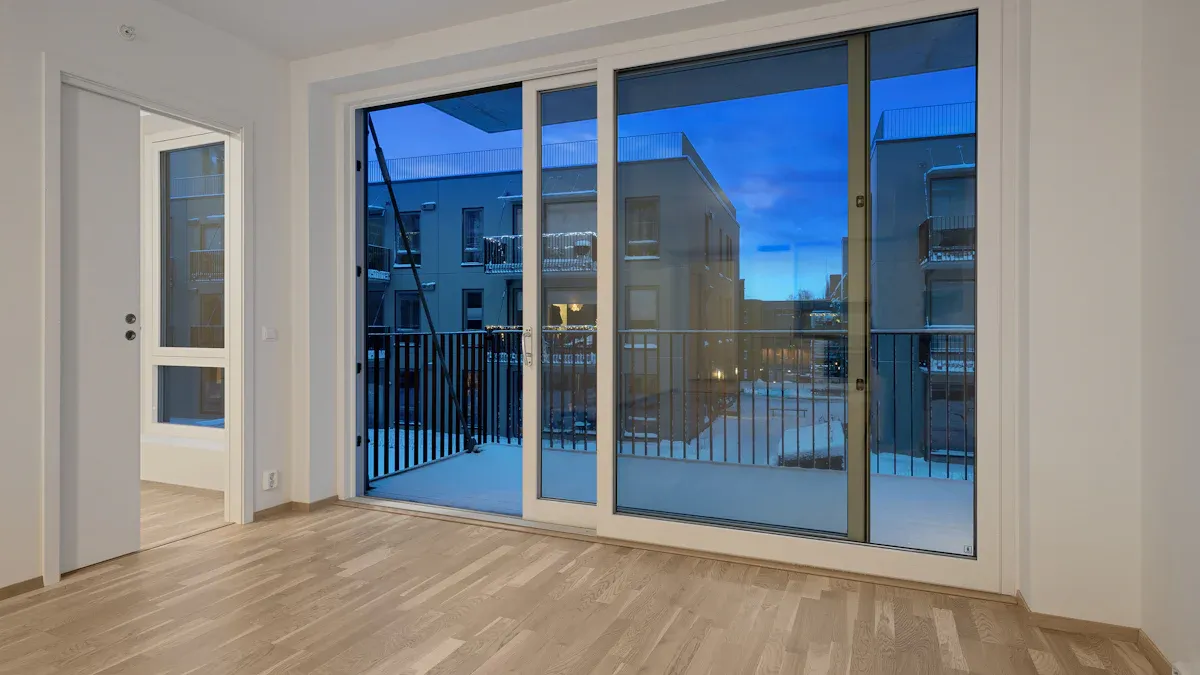
Automatic sliding door operators play a crucial role in enhancing energy efficiency in commercial buildings. These systems utilize intelligent control mechanisms that optimize their operation, significantly reducing energy consumption. By incorporating energy recovery devices, they can harness kinetic energy from the door’s movement and convert it into electrical energy. This innovative feature further boosts energy efficiency.
The impact of automatic sliding doors on heating and cooling costs is noteworthy. For instance, the Stanley Dura-Glide 3000 model reduces air infiltration by 61%, which greatly improves thermal performance. As a result, commercial buildings can save an average of $514 per door annually in energy costs. This substantial reduction in energy expenditure highlights the financial benefits of installing automatic sliding door operators.
Moreover, these doors contribute to sustainability certifications such as LEED. They are designed to meet or exceed green building standards, which is essential for achieving LEED points. Automatic sliding door operators help maintain comfortable indoor temperatures, thereby minimizing energy consumption. Their eco-friendly design incorporates materials like recycled aluminum and plant-based plastics, making them better for the environment.
Regular maintenance is essential for maximizing the energy efficiency of automatic sliding doors. While they require more frequent inspections due to their complex moving parts and electronic components, the benefits far outweigh the maintenance efforts. In contrast, manual doors have simpler mechanics, but they do not offer the same energy-saving advantages.
Safety Features
Automatic sliding door operators prioritize user safety through various integrated features. These systems employ advanced technology to minimize risks and enhance security in both commercial and residential settings. Below is a summary of key safety features commonly found in these operators:
| Safety Feature | Description |
|---|---|
| Presence and Motion Sensors | Detects motion and standing individuals to prevent unexpected closures. |
| Safety Beams | Infrared beams protect against entrapment for vulnerable individuals. |
| Obstacle Detection and Auto-Reverse | Stops and reverses the door when an obstruction is detected to avoid injury. |
| Manual Override and Emergency Break-Out | Allows manual operation during emergencies for quick evacuation. |
| Backup Power Supply | Ensures functionality during power outages, crucial for high-risk areas. |
| Audible and Visual Alerts | Provides alarms or warning lights for increased user awareness in commercial settings. |
Motion sensors and obstruction detection systems play a vital role in preventing accidents. Safety edge sensors detect obstructions in the door’s path and trigger an immediate reversal of the door’s movement. This feature significantly reduces the risk of injuries. Similarly, safety beams create a light path that detects obstacles, preventing the door from closing on individuals. Light curtains enhance this safety by stopping the door’s movement when any beam is interrupted, providing a broader detection area, particularly beneficial in high-traffic environments.
Regular maintenance is essential to ensure these safety features function correctly. Common causes of malfunction include improper installation, sensor malfunctions, and lack of regular maintenance. Hiring certified professionals for installation and establishing a consistent inspection schedule can mitigate these risks. Additionally, clear signage can educate users about door functions, further reducing the likelihood of accidents.
In emergency situations, automatic sliding door operators support evacuation procedures effectively. Features such as breakaway devices allow doors to swing open manually, ensuring quick egress. Compliance with safety standards, such as NFPA 101 and IBC, mandates that power-operated doors must open fully in the direction of egress during emergencies. These features collectively enhance the safety and reliability of automatic sliding door operators.
Aesthetic Appeal
Automatic sliding door operators significantly enhance the aesthetic appeal of buildings. These doors come in various designs, shapes, and sizes, allowing architects and designers to create visually striking entrances. Their sleek and modern appearance complements contemporary architecture, making them a popular choice for both residential and commercial properties.
- Visual Enhancement: Automatic sliding doors provide a modern and inviting entrance, creating a seamless transition between indoor and outdoor environments. This design feature not only improves energy efficiency but also elevates the overall look of a space.
- Design Options: The ASSA ABLOY SL510 operator exemplifies this trend. With a height of just 100mm, it fits perfectly in glass entrances, ensuring a stylish appearance. Its whisper-soft operation allows it to blend seamlessly into its surroundings.
Architects often incorporate automatic sliding door operators into their designs to achieve seamless aesthetics. The following table outlines key features that contribute to their visual appeal:
| Feature | Description |
|---|---|
| Seamless Aesthetics | Clean lines and minimal design that complement modern décor. |
| Space Efficiency | Saves more space than traditional doors, ideal for open plans and small areas. |
| Advanced Automation | Utilizes touchless technology for convenience and compatibility with smart systems. |
| Safety and Durability | Equipped with sensors for collision alerts and made from high-quality materials. |
The entrance area of a building serves as its "business card." Automatic sliding doors ensure a positive first impression by facilitating smooth and efficient entry for visitors. Their modern design enhances the overall aesthetics of a building’s entrance, making it more appealing to potential clients and customers.
Increased Security
Automatic sliding door operators significantly enhance security in both commercial and residential environments. These systems integrate seamlessly with access control mechanisms, providing a robust solution against unauthorized entry. The following steps illustrate how these operators work with access control systems:
- An employee or tenant presents an access credential, such as a proximity card or smartphone credential, to a door reader connected to an Access Control Unit (ACU).
- The ACU validates the access credentials against a database to grant access.
- Once validated, the ACU sends a signal to the automatic door opener, unlocking the door’s locking device, typically an electric strike or an electromagnetic lock.
- After unlocking, the automatic door opener opens the door and closes it after a predetermined time, usually between 5 to 10 seconds.
This integration not only streamlines entry but also enhances security by preventing unauthorized access.
The following table summarizes key features that contribute to the security of automatic sliding door operators:
| Feature | Description |
|---|---|
| Advanced Access Protection | Deters, detects, and mitigates unauthorized access attempts, including tailgating and piggybacking. |
| Real-time Monitoring | Monitors and counts both authorized and unauthorized access attempts, enhancing security awareness. |
| Seamless Integration | Works with existing security systems for comprehensive protection against unauthorized entry. |
While traditional doors may offer basic security, automatic sliding door operators provide advanced features that significantly reduce incidents of unauthorized entry. Their ability to monitor access in real-time allows facility managers to respond quickly to security breaches.
In summary, automatic sliding door operators offer remarkable advantages that enhance various settings. They improve accessibility for people with disabilities, allowing effortless entry and exit. These systems also promote energy efficiency by reducing heat loss, which lowers heating and cooling costs. Enhanced security features provide customizable access, ensuring safety for all users.
Moreover, the convenience of hands-free operation supports high-traffic periods, making them ideal for retail environments. Facility managers report that these doors create a positive first impression and elevate brand image with their sleek design. Overall, automatic sliding door operators represent a modern solution that combines functionality with aesthetic appeal.
FAQ
What types of automatic sliding door operators are available?
Automatic sliding door operators come in various types, including standard, low-energy, and heavy-duty models. Each type caters to specific applications, such as retail, healthcare, or industrial environments.
How do automatic sliding doors improve energy efficiency?
These doors minimize air infiltration, reducing heating and cooling costs. They utilize sensors to open only when needed, maintaining indoor temperatures and lowering energy consumption.
Are automatic sliding doors safe for children and pets?
Yes, automatic sliding doors feature safety sensors and obstacle detection systems. These mechanisms prevent accidents by stopping or reversing the door’s movement if they detect an obstruction.
Can automatic sliding doors be customized?
Absolutely! Many manufacturers offer customization options, including size, design, and activation methods. This flexibility allows businesses to tailor doors to their specific needs and aesthetics.
How often should automatic sliding doors be maintained?
Regular maintenance is essential for optimal performance. Facility managers should schedule inspections at least twice a year to ensure all components function correctly and to address any potential issues.