

Automatic door motors are essential for providing smooth and safe access. Regular maintenance of these systems, including automatic door accessories, not only enhances safety but also extends their longevity. By focusing on key areas such as cleaning, lubrication, and electrical checks, users can prevent costly repairs and ensure reliable operation. Proper care of automatic sliding door operators for commercial buildings and automatic swing door openers can significantly improve performance, making routine inspections essential.
Key Takeaways
- Regular cleaning of door components prevents dust buildup and ensures smooth operation. Monthly checks are recommended.
- Lubricate moving parts every three to six months to reduce friction and extend the lifespan of the door system.
- Inspect electrical connections regularly to identify wear or damage. Secure connections help prevent malfunctions.
- Schedule professional inspections frequently to catch potential issues early and maintain safety compliance.
- Recognize early warning signs like unusual noises or misalignment to address problems before they escalate.
Routine Maintenance Tasks for Automatic Door Motors

Cleaning the Door Components
Regular cleaning of automatic door components is crucial for optimal performance. Dust and debris can accumulate on sensors and tracks, leading to operational issues. Manufacturers recommend performing monthly checks to ensure smooth operation. Here are some essential cleaning tips:
- Remove Loose Dust: Start by using a vacuum or a soft brush to eliminate loose dust from the door components.
- Clean Tracks and Rollers: Use a damp cloth with mild detergent to wipe down tracks and rollers. This prevents dirt buildup that can impede movement.
- Sensor Maintenance: Pay special attention to sensors. Ensure they are free from obstructions to maintain proper functionality.
Tip: Always use gentle cleaning products to avoid damaging the door materials.
Lubrication of Moving Parts
Lubrication plays a vital role in the maintenance of automatic door motors. Regular lubrication reduces friction, ensuring smooth and quiet operation. It also prevents rust and wear on moving parts, which is essential for maintaining performance. Here are some recommended lubricants:
- CRC Heavy Duty Silicone Lubricant: Protects against rust and maintains smooth operation in extreme weather.
- Liquid Wrench L616 Lubricant: A lithium grease blend that reduces noise and protects from moisture and corrosion.
- DuPont Silicone Lubricant with Teflon: Offers added slip resistance and durability, suitable for high-traffic areas.
Regular lubrication can extend the lifespan of the entire automatic door system. Neglecting this task may lead to premature failure and costly repairs.
Checking Electrical Connections
Electrical connections are critical for the proper functioning of automatic door motors. Regular checks can help identify potential issues before they escalate. Here are some key points to consider:
- Inspect Wiring: Look for any signs of wear or damage in the wiring. Damaged wires can lead to malfunctions.
- Tighten Loose Connections: Ensure all connections are secure. Loose connections can cause intermittent failures.
- Test Safety Features: Regularly test motion sensors and emergency stops to ensure they function correctly.
By following these routine maintenance tasks, users can significantly enhance the performance and longevity of their automatic door motors.
Importance of Professional Inspections for Automatic Door Motors
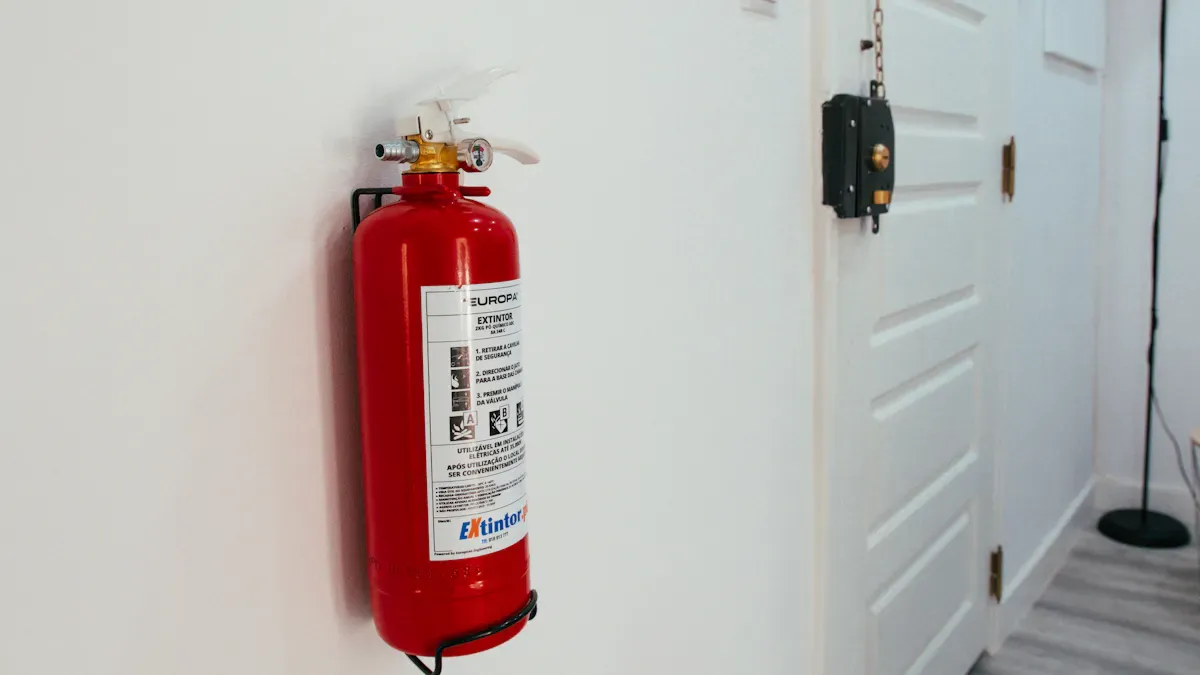
Regular professional inspections are vital for maintaining the safety and functionality of automatic door motors. These inspections help identify potential issues before they escalate into costly repairs or safety hazards.
Frequency of Professional Checks
Industry experts recommend frequent professional inspections to ensure optimal performance. Here are some key points regarding inspection frequency:
- Daily safety inspections are essential for automatic doors, including their motors.
- Manufacturers emphasize the importance of these daily checks.
- Regular adherence to these recommendations can prevent malfunctions and enhance safety.
What to Expect During an Inspection
During a professional inspection, technicians perform a series of checks to ensure the automatic door motors operate correctly. The following table outlines typical inspection procedures:
| Inspection Procedure | Description |
|---|---|
| Sensor Testing | Inspectors check if door sensors accurately detect movement to ensure safe operation. |
| Obstruction Detection | Tests are conducted to ensure doors stop operation when obstacles are detected, preventing injuries. |
| Mechanical System Checks | Inspectors examine components like tracks and rollers for wear, lubrication, and alignment. |
| Control Systems and Backup | Backup systems are tested to ensure doors operate reliably during power outages or emergencies. |
| Decibel and Speed Measurement | Sound levels and operational speed are assessed to comply with regulations and identify issues. |
These inspections provide detailed reports on system conditions, identified issues, and compliance status. Documentation from inspections is often required for insurance, audits, and regulatory compliance.
Choosing the Right Service Provider
Selecting a qualified service provider is crucial for effective inspections. Consider the following criteria when choosing a technician:
| Qualification Criteria | Description |
|---|---|
| Certification Training | AAADM provides training for installers and service technicians to enhance safety and technology knowledge. |
| Work Experience | Candidates must have worked in the automatic pedestrian door industry for at least 6 months or 90 days with factory training. |
| Employment Restrictions | Individuals directly employed by end users (e.g., facility maintenance) are not eligible for certification. |
By ensuring that a qualified technician conducts inspections, property owners can reduce liability and ensure compliance with safety standards.
Identifying Early Signs of Problems in Automatic Door Motors
Unusual Noises and Movements
Automatic door motors often exhibit early warning signs before a malfunction occurs. One of the most common indicators is unusual noises during operation. According to a 2026 survey, over 57% of garage door failures were preceded by noticeable noise changes. Recognizing these sounds can help prevent further damage. Here are some typical noises to watch for:
- Grinding Noises: This sound often indicates worn gears or motor problems.
- Squeaking Sounds: These noises suggest dry or unlubricated parts, possibly worn-out bearings.
- Rattling and Banging: Such sounds may point to loose hardware or misaligned tracks.
- Humming Sounds: This can signal motor issues or capacitor problems.
Tip: If any of these noises occur, it is essential to investigate promptly. Ignoring them can lead to more severe issues.
Door Misalignment Issues
Misalignment of automatic doors can significantly affect their operation and safety. Common causes of misalignment include:
- Broken Rollers: Damaged rollers can prevent the door from moving properly.
- Worn-Out Rollers: Over time, rollers can develop flat spots, causing the door to jerk or drag.
- Bent or Dirty Tracks: Tracks that are bent or obstructed by dirt can lead to uneven door movement.
Misalignment can result in several operational issues, such as:
- Door Reversal: The door may begin to close but reverse before touching the ground.
- Non-Responsive Door: The door might refuse to close using the remote or wall switch.
- Flashing Sensor Lights: Indicator lights on the sensors may blink or display error signals.
Addressing misalignment issues promptly can prevent further complications and ensure the safety of users.
Response Time Delays
A delayed response or hesitation in the operation of automatic door motors can indicate underlying motor issues. Factors contributing to response time delays include:
- Low-Quality Electronic Components: Substandard parts can overheat or fail.
- Poorly Designed Firmware: Non-optimized algorithms can cause delays.
- Insufficient Power Supply: Voltage issues can lead to instability.
- Interference from External Signals: Electromagnetic interference (EMI) can disrupt operations.
- Inadequate Testing and Calibration: Lack of thorough testing can lead to unpredictable behavior.
To address response time delays, users should:
- Monitor the motor’s response time for delays.
- Check for wear or damage in internal components.
By identifying these early signs, users can take proactive measures to maintain their automatic door motors and avoid costly repairs.
Maintaining automatic door motors through routine tasks and professional inspections is essential for optimal performance. Regular maintenance leads to improved safety, extended equipment lifespan, and reduced risk of unexpected downtime. Facilities that prioritize these practices enjoy peace of mind, knowing skilled technicians oversee their systems.
Implementing the tips discussed in this blog can enhance the reliability of automatic doors. The long-term benefits include compliance with safety standards and a safer environment for all users.
| Aspect | Preventive Maintenance (PPM) | Reactive Repairs |
|---|---|---|
| Breakdown Frequency | Fewer breakdowns | More frequent breakdowns |
| Budget Predictability | Clear annual cost | Unexpected costs |
| Downtime | Reduced downtime | Increased downtime |
| Asset Lifespan | Longer lifespan | Shorter lifespan |
| Maintenance Costs | Lower overall costs | Higher due to emergencies |
By investing in regular maintenance, facilities can ensure their automatic door systems operate safely and efficiently for years to come.
FAQ
What are the common causes of automatic door motor failure?
Common causes include worn-out components, lack of lubrication, misalignment, and electrical issues. Regular maintenance can help identify and address these problems before they lead to failure.
How often should I lubricate my automatic door motor?
Lubrication should occur every three to six months, depending on usage. High-traffic doors may require more frequent lubrication to ensure smooth operation and prevent wear.
Can I perform maintenance on my automatic door motor myself?
Yes, basic maintenance tasks like cleaning and lubrication can be done by users. However, professional inspections are essential for complex issues and safety compliance.
What should I do if my automatic door is making strange noises?
Investigate the source of the noise immediately. Common issues include worn gears or misaligned tracks. If the problem persists, consult a professional technician for further evaluation.
How can I find a qualified technician for inspections?
Look for technicians with AAADM certification and relevant experience in automatic door systems. Check reviews and ask for recommendations to ensure quality service.