
Automatic door systems represent a critical intersection of ADA (Americans with Disabilities Act) compliance, energy efficiency, and modern building security. As the global automatic door market is projected to reach approximately $43.5 billion by 2030 (source: Fortune Business Insights), understanding the technical nuances of these systems is vital for facility managers and architects. This article analyzes the functional superiority of various configurations, including sliding, swinging, and revolving mechanisms. We evaluate how specialized components—such as low-energy operators and advanced motion sensors—enhance pedestrian flow while maintaining rigorous safety standards like ANSI/BHMA A156.10. By integrating high-quality Automatic Doors and Door Controls, commercial enterprises can achieve a seamless balance between automated convenience and structural integrity, ensuring long-term operational reliability and regulatory adherence across diverse architectural environments.
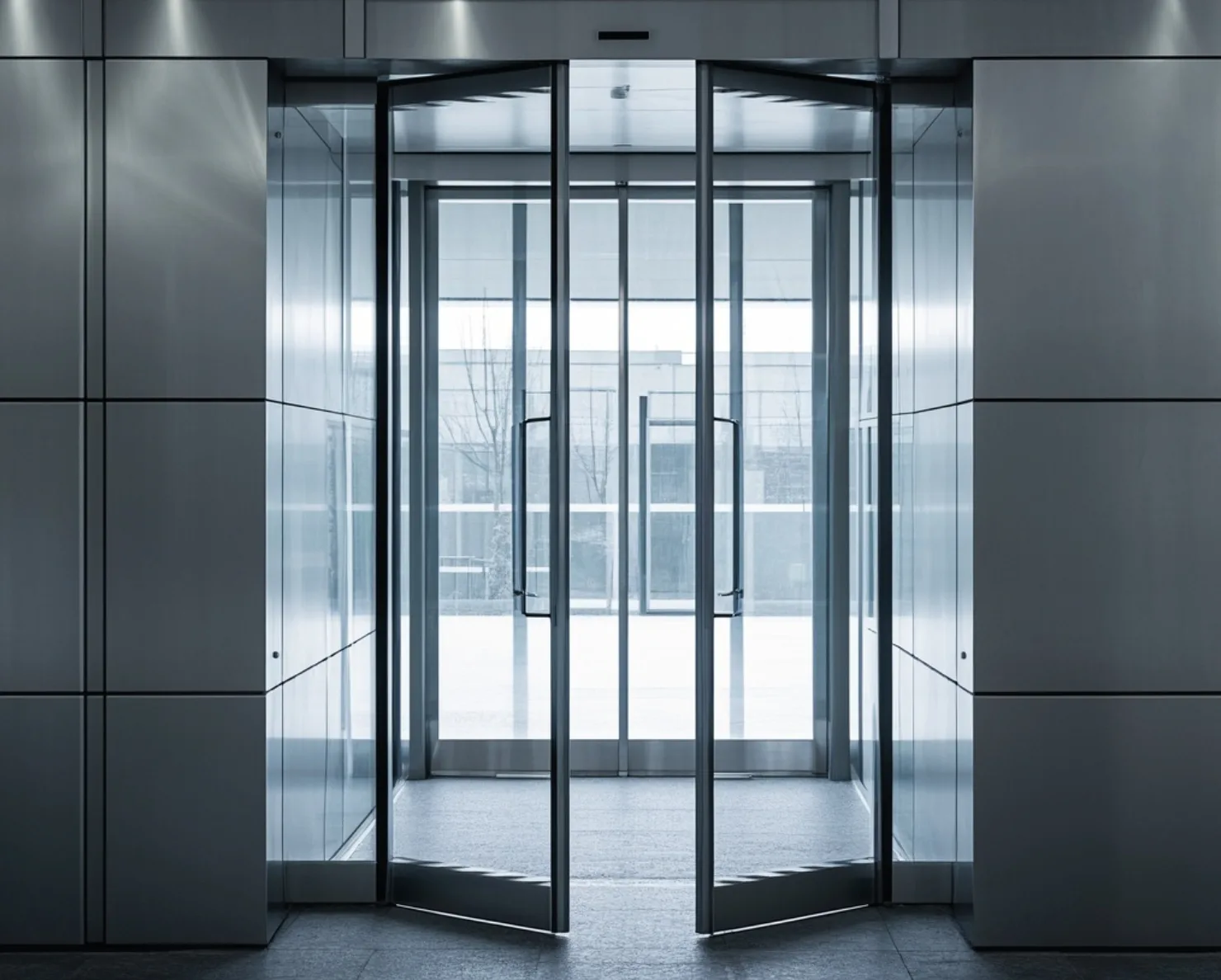
What Defines the Technical Superiority of Automatic Sliding Doors in High-Traffic Retail Environments?
Automatic sliding doors are the primary choice for retail and healthcare facilities due to their space-saving design and high-speed operation. Unlike manual doors, these systems utilize microprocessor-controlled drive units that adjust opening and closing speeds based on traffic density. According to industry data, sliding door systems can reduce HVAC energy loss by up to 30% compared to traditional swinging doors by minimizing the “air exchange” duration.
Key technical components of an Automatic Door sliding system include:
1.The Drive Train: Typically a brushless DC motor designed for millions of cycles.
2.The Controller: A digital processor that monitors safety sensors and manages “hold-open” times.
3.The Sensors: Combined microwave and active infrared sensors that detect both motion and presence to prevent contact with pedestrians.
How Do Low Energy Swing Door Operators Ensure ADA Compliance for Public Facilities?
Low energy swing door operators, often referred to as “power-assist” systems, are engineered to automate existing Storefront Doors without requiring the intensive safety railings or overhead sensors needed for high-energy systems. These operators comply with ANSI A156.19 standards, which dictate that the door must move at a slow speed and with limited force (less than 15 lbf or 67 N).
The implementation of these systems provides a cost-effective solution for retrofitting Door Hardware to meet accessibility mandates. They are particularly effective in office buildings and educational institutions where manual access remains an option, but automated assistance is required for individuals with mobility challenges.
Why are Hollow Metal Doors Critical for Fire Safety and Structural Durability?
Hollow Metal Doors serve as the backbone of commercial security and fire protection. Constructed from reinforced steel sheets and filled with materials like polystyrene or honeycomb cores, these doors offer fire ratings ranging from 20 minutes to 3 hours. National Fire Protection Association (NFPA) standards, specifically NFPA 80, mandate the regular inspection of these fire-rated assemblies.
Statistical analysis indicates that steel doors have a longer lifespan and lower maintenance cost-per-year than wood or aluminum alternatives in high-abuse environments. Their “strength-to-weight” ratio makes them the ideal substrate for mounting heavy-duty Door Controls and exit devices.
What is the Comparison Between Electromechanical and Electro-Hydraulic Door Operators?
Understanding the mechanical differences between operator types is crucial for selecting the right hardware for specific site conditions.
| Feature | Electromechanical Operators | Electro-Hydraulic Operators |
|---|---|---|
|
Drive Mechanism |
Gear-driven motor for both opening and closing. |
Motor-driven pump with hydraulic fluid and spring closure. |
|
Best For |
High-traffic, precision control, and silent operation. |
Heavy-duty doors requiring high closing force/latching. |
|
Adjustability |
Fully programmable via digital interface. |
Manual valve adjustment for sweep and latch speeds. |
|
Failure Mode |
Usually requires power or battery backup to function. |
Mechanical spring ensures closing even during power loss. |
For most modern Storefront Doors, electromechanical units are preferred for their diagnostic capabilities and ease of integration with building management systems.
How to Execute a Professional Automatic Door Installation and Maintenance Protocol?
A systematic approach to installation ensures the longevity of Automatic Doors. Following the AAADM (American Association of Automatic Door Manufacturers) guidelines, the process follows these sequential steps:
1.Structural Assessment: Verify that the header and floor are level to prevent binding of the door panels.
2.Mechanical Mounting: Install the operator or track system using anchors appropriate for the wall substrate (e.g., steel studs or masonry).
3.Electrical Wiring: Connect the high-voltage power supply and integrate low-voltage Door Controls.
4.Sensor Calibration: Adjust detection zones to ensure no “dead spots” exist in the pedestrian path.
5.Safety Compliance Testing: Conduct a “Daily Safety Check” including force tests and timing measurements to ensure the system meets current safety codes.
Which Door Control Technologies are Evolving to Enhance Building Security?
The integration of IoT (Internet of Things) into Door Hardware is transforming how facilities manage access. Modern controllers now offer cloud-based monitoring, allowing managers to receive real-time alerts if a door is “propped open” or if a motor is experiencing unusual friction. Research from Gartner suggests that smart building technologies can reduce operational costs by 15% through predictive maintenance.
Furthermore, touchless activation sensors have become a standard requirement in a post-pandemic environment. These sensors use capacitive or infrared technology to trigger the door without physical contact, significantly reducing the transmission of pathogens in high-traffic commercial zones.
FAQ
What are the main benefits of installing Automatic Doors?
Automatic doors improve building accessibility, enhance energy efficiency by controlling air exchange, and provide a professional aesthetic for commercial entrances. They are essential for complying with ADA regulations in public spaces.
How often should Commercial Door Hardware be inspected?
According to AAADM recommendations, automatic doors should be inspected annually by a certified technician. However, building owners should perform basic safety checks daily to ensure sensors and emergency exits are functioning correctly.
Can Hollow Metal Doors be customized for specific security needs?
Yes, Hollow Metal Doors can be manufactured with various gauges of steel and internal reinforcements to provide blast resistance, bullet resistance, or high-intensity fire protection depending on the building’s requirements.
Are Door Controls compatible with existing access control systems?
Most modern Door Controls are designed with dry contact inputs and outputs, making them highly compatible with card readers, biometric scanners, and remote monitoring software.
What is the difference between a high-energy and low-energy Automatic Door?
High-energy doors move at faster speeds and require comprehensive safety sensors and guard rails. Low-energy doors move slowly, exert less force, and are typically activated by a “push-to-open” button or plate, requiring less auxiliary safety equipment.