
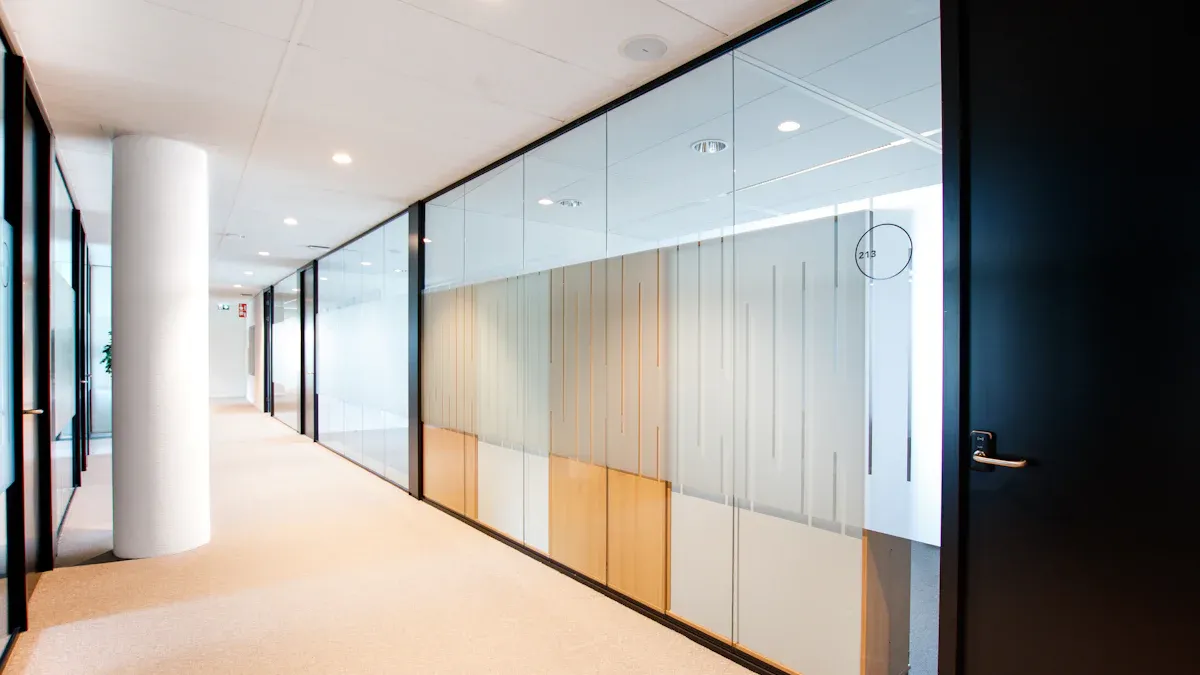
Modern homes are increasingly adopting advanced automatic sliding door operator systems, which truly transform daily living. These innovative solutions offer enhanced safety, seamless smart home integration, and improved energy efficiency. When exploring leading models, you’ll find features like quiet operation and unparalleled modern convenience. A reliable motor for door operation is crucial for ensuring smooth and consistent functionality. Furthermore, advanced sensor for sliding door technology guarantees optimal user safety. For added convenience, many of these systems also come with a remote control sliding door option, and some even include a low energy swing door operator for other access points in the home.
Key Takeaways
- Automatic sliding door operators make daily life easier. They offer hands-free access and help people with limited movement.
- These door systems make homes look modern. They also add value and improve security with strong locks.
- Choose a door operator with good safety features. It should also work well with your smart home system and run quietly.
- Regular cleaning and oiling help your door operator last longer. Keep its smart features updated for the best use.
Why Upgrade to an Automatic Sliding Door Operator?
Unmatched Convenience and Accessibility
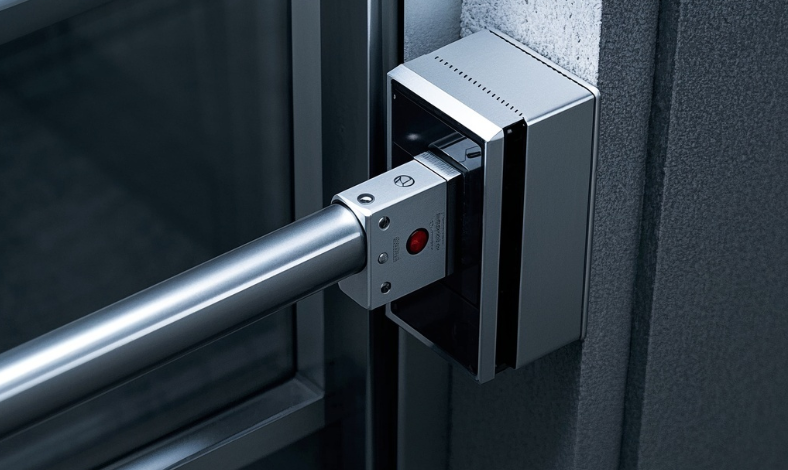
An automatic sliding door operator significantly enhances daily living by providing effortless access. These systems offer hands-free operation, which proves invaluable for individuals carrying groceries or pushing strollers. For people with limited mobility, an iOpen RFID tag provides a hassle-free way to operate automatic doors. Users can trigger the automatic opening of doors as they approach, eliminating the need for manual exertion or additional control devices. This hands-free technology offers greater independence and ease of movement. Integrating Siri and Alexa with automatic door systems further elevates convenience. Users can effortlessly control their sliding doors with voice commands, which particularly benefits individuals with mobility challenges. Automatic sliding door operators enhance accessibility for individuals with disabilities, the elderly, and parents with strollers, promoting independence and convenience. These systems often comply with the Americans with Disabilities Act (ADA), ensuring safe and easy entry for everyone while reducing physical strain and the risk of accidents. They eliminate the need to push or pull heavy doors, thereby reducing physical strain and facilitating effortless movement.
Boosting Home Value and Modern Appeal
Installing an automatic sliding door operator instantly modernizes a home. These advanced systems add a touch of sophistication and luxury, making a property more attractive to potential buyers. Homeowners often find that such upgrades contribute to a higher resale value. The sleek design and quiet operation of modern operators complement contemporary architectural styles. This upgrade signals a commitment to smart living and cutting-edge technology, enhancing the home’s overall aesthetic and marketability.
Enhanced Security and Energy Savings
Automatic sliding door operators offer robust security features. Many models include advanced locking mechanisms that provide superior protection compared to traditional manual locks. Homeowners can integrate these systems with their existing security networks, allowing for remote monitoring and control. This integration provides peace of mind, knowing the doors are secure. Furthermore, these operators contribute to significant energy savings. They ensure doors close completely and consistently, minimizing drafts and preventing heat loss or gain. This precise closure helps maintain indoor temperatures more efficiently, reducing reliance on heating and cooling systems and lowering utility bills.
Essential Factors for Choosing an Automatic Sliding Door Operator in 2025
Prioritizing Safety Features
Safety remains the paramount concern when selecting an automatic sliding door operator. Consumers must ensure the chosen system adheres to rigorous international safety standards. For instance, EN 16005 in Europe outlines requirements for sensors, detection ranges, and emergency mechanisms. In the United States, ANSI/BHMA A156.10 specifies activation sensor range, door speeds, and force limitations. ISO 9386-1 also focuses on accessibility and performance. Essential safety features include presence and motion sensors, which detect individuals to prevent unexpected closures. Safety beams, typically infrared, protect against entrapment at lower levels. Obstacle detection and auto-reverse functions ensure the door stops and reverses upon encountering an obstruction. Manual override and emergency break-out capabilities allow for manual opening during power failures or emergencies. A backup power supply guarantees continued operation during outages, and audible and visual alerts warn users of door movement.
Seamless Smart Home Integration
Modern automatic sliding door operators are designed for seamless integration with popular smart home platforms. This capability allows users to manage their doors alongside other smart devices, such as lighting, thermostats, and security systems. Often, a single application or voice command controls the entire smart home ecosystem. Some models directly connect with existing smart home products from the same manufacturer, creating a unified automation experience. Autoslide automatic sliding door operators, for example, enhance smart homes by improving accessibility and convenience, especially for entertainment areas, the elderly, and pets. They also integrate with smart locks, providing remote access capabilities and bolstering overall home security.
Understanding Noise Levels and Smooth Operation
The operational noise level of an automatic sliding door operator significantly impacts home comfort. Homeowners prefer systems that operate quietly, especially in residential settings. Modern operators, particularly those utilizing brushless DC motors, achieve very low noise levels, comparable to a soft whisper. This ensures discreet operation and contributes to a peaceful environment. For quiet environments like clinics or libraries, experts recommend automatic sliding door operators with noise levels below 50 dB. A smooth operation also indicates a well-engineered system, preventing jarring movements and ensuring longevity.
Assessing Durability and Warranty Coverage
Durability is a critical factor for any home appliance. A robust automatic sliding door operator ensures long-term reliability. A well-maintained automatic sliding door can typically last between 15 and 20 years. However, its lifespan significantly reduces without proper maintenance. This includes regular cleaning, lubrication, and prompt attention to wear and tear. Individual components also have varying lifespans:
- Motor: A high-quality motor can last from 10 to 20 years with proper care.
- Gear Assembly: With regular maintenance, the gear assembly typically lasts around 5 to 10 years.
- Control Board: The control board generally has a lifespan of 5 to 10 years.
- Safety Sensors: These components are durable and often last 5 to 10 years.
- Remote Control Devices: Remote controls usually last 2 to 5 years, depending on usage and battery life. Manufacturers often provide warranties reflecting their confidence in product longevity. A longer warranty period usually indicates higher quality components and construction.
Installation Considerations and Costs
Installing an automatic sliding door operator requires careful planning. Homeowners can choose between professional installation or a DIY approach. Professional installation ensures correct setup and optimal performance. It also often includes calibration and testing. Costs vary based on the system’s complexity and features.
| Component/Feature | Cost Range (USD) |
|---|---|
| Basic Opener & Installation | $2,000 – $4,000 |
| Advanced Model (with smart home, motion sensors, touchless buttons) | $4,000 – $10,000 |
| Professional Installation (per opener) | $600 – $1,000 |
These figures provide a general estimate. Final costs depend on specific product choices and labor rates in your area.
Power Options for Your Automatic Sliding Door Operator
Understanding power options is essential for efficient operation. Most residential automatic sliding door operators use standard AC power. Many models also offer battery backup systems. These systems ensure continued functionality during power outages. This feature provides peace of mind and uninterrupted access. Automatic sliding door operators typically have motors ranging from 60 W to 150 W. Power consumption varies based on the door type and mechanism. Sliding doors are more energy-efficient due to their simpler, lighter mechanisms. For residential use, a 60 W motor operating about 200 cycles daily consumes approximately 0.1-0.2 kWh per day. This low energy usage makes them an economical choice for modern homes.
Top Residential Automatic Sliding Door Operators for 2025
Olide DSW120 Automatic Sliding Door Opener: Best Overall Value
The Olide DSW120 automatic sliding door opener stands out for its exceptional balance of performance, reliability, and cost-effectiveness. This system offers homeowners a robust solution without a premium price tag. It features a durable motor and smooth track mechanism, ensuring consistent operation for everyday use. The DSW120 supports various door sizes and weights, making it versatile for different residential applications. Users appreciate its straightforward installation process and user-friendly controls. This model often includes basic safety sensors and remote control capabilities, providing convenience and peace of mind. Homeowners seeking a dependable and budget-friendly option find the Olide DSW120 an excellent choice for automating their sliding doors.
Open Sesame Automatic Door Opener: Ideal for Accessibility
The Open Sesame Automatic Door Opener provides unparalleled accessibility for individuals with mobility challenges. This system offers multiple access methods, ensuring users can operate their doors with ease. It supports Z-Wave technology, spec switches, proximity switches, and push plates for multiple users. A phone app and handheld remote also provide convenient control. An optional keypad offers another access point. The Open Sesame system integrates seamlessly with autonoME, allowing control through touch, voice, eye gaze, head tracking, and sip and puff mechanisms. This broad range of control options empowers users with diverse needs.
The standard Model 133 includes a remote control, which can be handheld or mounted on a wheelchair. It also comes with an electric door strike for automatic unlatching, a low-voltage wiring kit, and a backup battery system. This ensures continued operation during power outages. The system is compatible with Amazon Alexa via a wireless Voice Interface, enabling voice activation for hands-free operation. Users can program how long the door remains open, customizing the experience to their specific needs. The system features obstruction detection; it stops the door from closing if it encounters resistance. This enhances safety for all users. The Open Sesame opener is highly versatile, compatible with inward, outward, French, and storm doors. This makes it a flexible solution for many home configurations.
Autodoor Residential Sliding Door System: Premium Quiet Operation
The Autodoor Residential Sliding Door System caters to homeowners who prioritize a serene living environment. This premium automatic sliding door operator delivers exceptionally quiet operation, making it ideal for bedrooms, studies, or any area where noise reduction is crucial. Its advanced motor technology and precision-engineered track system minimize friction and sound during door movement. The Autodoor system also boasts a sleek, minimalist design that integrates seamlessly with modern home aesthetics. Beyond its quiet performance, it offers robust construction and sophisticated control options, including smart home integration and advanced safety features. This system represents a top-tier choice for those seeking both tranquility and high-end functionality in their automated doors.
Edison Automatic Sliding Barn Door Opener: Direct Drive Technology
The Edison Automatic Sliding Barn Door Opener represents a significant advancement in automated door systems, particularly for barn door applications. This operator utilizes direct drive technology, which offers several distinct advantages. Direct drive systems connect the motor directly to the door’s movement mechanism. This design eliminates the need for belts, gears, or chains, common in traditional operators. Consequently, the system experiences less wear and tear, leading to enhanced durability and a longer lifespan. Homeowners benefit from the increased efficiency of direct drive technology. It delivers power directly to the door, resulting in smoother and more consistent operation. The Edison opener also boasts a sleek, minimalist design. This design complements the rustic yet modern aesthetic of barn doors. Its quiet operation further enhances the home environment, making it an ideal choice for interior spaces where noise is a concern. The Edison system provides a reliable and aesthetically pleasing solution for automating barn doors.
AutoSlide Automatic Sliding Door System: Automating Existing Doors
The AutoSlide Automatic Sliding Door System offers an innovative solution for homeowners seeking to automate their existing sliding doors. This system specializes in retrofitting various door types, providing a cost-effective alternative to full door replacement. The AutoSlide system is universally compatible with existing sliding doors. It can be retrofitted to various types of sliding doors, including:
- Patio doors
- Pocket doors
- Barn doors
- Closet doors
- Pantry doors
Installers can mount the system inside or outside due to its weatherproof design. Installation is flexible, allowing for top or bottom mounting. The drive system can be re-handed to accommodate different door openings and applications. This flexibility ensures suitability for diverse home configurations. The standard motor supports up to 12 lbs. of drag force. The Elite Motor handles up to 55 lbs. of drag force, making it an upgrade for heavier doors and light-commercial environments. For multiple sliding doors, such as bi-parting or telescoping doors, homeowners require two AutoSlide drive systems or a MultiDrive system. The AutoSlide system transforms manual doors into automated ones, enhancing convenience and accessibility without extensive renovations.
DIY Smart Sliding Door Kits: Customizable and Budget-Friendly
DIY smart sliding door kits provide an excellent option for homeowners who prefer a hands-on approach to home automation. These kits offer a customizable and budget-friendly way to upgrade existing sliding doors with smart features. Homeowners can personalize their systems to meet specific needs, from pet access to voice control. Many kits include components for remote operation, smart home integration, and enhanced security. These kits typically come with all necessary hardware and instructions, making installation manageable for those with basic DIY skills. The table below showcases popular DIY smart sliding door kits and their average costs, highlighting the affordability of these solutions:
| Kit Name | Price |
|---|---|
| DIY Home Automatic Sliding Door Opener with Smart Pet Tags | $392.00 |
| WiFi Pocket Electric Sliding Door Opener CASA1 with RF Remote, Smart Phone Control Door Closer | $457.00 |
| DIY Residential Automatic Sliding Door Operator, Black/White Electric Patio Door Opener Manufacturer | $392.00 (Sale), $509.00 (Regular) |
| Olidesmart Wifi Switch Automatic Sliding Door Opener Alexa Voice Control | $469.00 (Sale), $609.00 (Regular) |
| Olide Home Automatic Sliding Door Operator For Pet, Residential Patio Door Opener with Wireless Infrared Sensors | $457.00 (Sale), $594.00 (Regular) |
| DIY Home Automatic Sliding Door Opener with Smart Pet Tags (White/Black) | $522.00 SGD |
These kits empower homeowners to integrate smart technology into their sliding doors without the expense of professional installation or custom-built systems. They offer a practical path to a more convenient and automated living space.
Specialty Automatic Sliding Door Operators: Niche Solutions
Beyond standard residential applications, a range of specialty automatic sliding door operators addresses unique requirements. These niche solutions cater to specific needs, offering enhanced functionality, robust performance, or tailored aesthetics. Homeowners can find operators designed for particular challenges, ensuring optimal performance in diverse settings.
Many homeowners seek solutions for their pets. Specialty operators integrate pet-friendly features, allowing animals independent access while maintaining home security. These systems often include:
- Pet-specific sensors: These sensors detect pets, activating the door only when an animal approaches.
- Adjustable opening sizes: Homeowners can set the door to open just enough for a pet, preventing larger animals or intruders from entering.
- Smart pet tags: Pets wear these tags, which communicate with the door operator, granting access only to authorized animals.
For example, some systems offer a “pet mode” that allows smaller, controlled openings, ensuring pets can come and go freely without compromising the home’s climate control or security.
Heavy-duty automatic sliding door operators serve applications involving oversized or exceptionally heavy doors. Standard residential operators may not handle the weight or frequent usage of these doors. Specialty heavy-duty systems feature more powerful motors, reinforced tracks, and robust components. They ensure smooth and reliable operation for large glass panels, custom-built wooden doors, or doors in high-traffic areas. These operators often incorporate commercial-grade technology, adapted for residential environments. They provide the necessary strength and durability for demanding applications.
Architectural and aesthetic considerations also drive the demand for niche solutions. Some homeowners desire automatic doors that blend seamlessly with their home’s design, requiring operators with discreet or hidden mechanisms. These specialty operators can feature:
- Concealed tracks: Installers embed tracks within walls or ceilings, making them invisible when the door operates.
- Minimalist designs: Operators feature sleek, compact profiles, reducing their visual impact.
- Custom finishes: Manufacturers offer operators with finishes matching specific door materials or interior décor.
These systems ensure the automatic functionality enhances the home’s aesthetic rather than detracting from it. They provide automation without compromising design integrity.
Operators with advanced environmental controls represent another specialized category. These systems go beyond simple opening and closing. They integrate features that help maintain indoor climate and air quality. For instance, some operators work with air curtain systems. These systems create an invisible barrier of air when the door opens, minimizing heat loss or gain and preventing insects or dust from entering. Other specialty operators offer enhanced sealing mechanisms. These mechanisms create a tighter seal when the door closes, improving insulation and reducing energy consumption. These solutions are particularly beneficial for homes in extreme climates or those prioritizing energy efficiency and indoor air purity.
Finally, some specialty operators cater to unique door configurations, such as curved sliding doors or multi-panel telescoping doors. These complex designs require highly specialized mechanisms and control systems. Manufacturers engineer these operators precisely, ensuring smooth, synchronized movement across multiple panels or along a curved path. They often involve custom fabrication and advanced programming to achieve flawless operation. These niche solutions demonstrate the versatility and adaptability of automatic sliding door technology, meeting virtually any residential need.
Installation and Maintenance for Your Automatic Sliding Door Operator
Professional vs. DIY Installation Insights
Homeowners face a choice between professional installation and a do-it-yourself approach for automatic sliding door operators. Professional installers ensure correct setup and optimal performance. They often include calibration and testing as part of their service. This option guarantees adherence to safety standards and proper functionality. Conversely, DIY installation can save money. However, it requires a good understanding of electrical wiring and mechanical systems. Incorrect installation can lead to safety hazards or system malfunctions. Homeowners should carefully assess their skills and the complexity of the chosen operator before deciding.
Routine Cleaning and Lubrication for Longevity
Regular maintenance significantly extends the lifespan of an automatic sliding door operator. Homeowners should conduct a comprehensive check every quarter or half-year. This check includes cleaning sensors, lubricating tracks, and replacing aging parts. Keeping the tracks free of debris prevents grinding and ensures smooth operation. Lubricating moving components reduces friction and wear. This proactive approach helps maintain peak performance and prevents costly repairs.
Troubleshooting Common Operator Issues
Automatic sliding door operators can occasionally experience issues. Knowing basic troubleshooting steps helps homeowners address minor problems quickly.
| Issue | Likely Cause | Quick Check |
|---|---|---|
| Door not opening | Dirty or misaligned sensors | Clean and realign sensors |
| Door opens slowly or erratically | Faulty motor, incorrect settings | Test controller and motor operation |
| Door reverses mid-motion | Blocked safety beam or overly sensitive sensors | Clear beam path, adjust sensor sensitivity |
| Grinding or jerky movement | Worn rollers or dirty tracks | Inspect and clean track; replace rollers |
| Intermittent or no response | Electrical fault or system reset required | Check power supply and connections |
When troubleshooting, homeowners should follow a systematic approach:
- Always start by verifying the power source. Ensure the switch is on and receiving electricity. Also, check the function switch is set to automatic (AUT). If set to closed (CLS) or open (OPN), the door will remain in that position.
- Test the sensors for dirt, obstruction, or misalignment. Clear obstructions from door pathways and tracks. Modern sensor systems are adaptive but can be interfered with by items like garbage cans, plants, signage, or decorations.
- Clear the track of any physical debris.
- If the system has a manual override, try moving the door to check for mechanical blockages.
- Verify that the wave plate changes status when activated. A beep, light turning on, or light changing colors indicates this.
- If the door does not close or open, turn the power off. Wait 15 to 30 seconds for reboot, then turn it back on.
- If basic steps fail, consult a qualified technician. The issue might reside in the control unit or internal wiring.
Keeping Smart Features Updated
Maintaining the smart features of an automatic sliding door operator requires regular updates. These updates ensure optimal performance and security. Manufacturers frequently release new software versions. Users must install these updates promptly. This practice safeguards the system against potential vulnerabilities. It also enhances overall functionality.
Software updates often introduce new features. They can improve existing ones. For example, an update might refine motion detection algorithms. It could also expand voice command capabilities. These enhancements provide a more convenient user experience. They keep the system current with evolving smart home technology.
Firmware updates are equally important. Firmware is the permanent software embedded in the hardware. Updating firmware can boost the operator’s efficiency. It can also extend its lifespan. Users should check the manufacturer’s website or app for notifications. Many modern systems offer automatic update options. Enabling this feature simplifies maintenance.
Compatibility with other smart home devices also depends on updates. As smart home ecosystems evolve, devices need to communicate effectively. Updates ensure seamless integration. They prevent conflicts between different smart platforms. This maintains a cohesive and functional smart home environment.
Tip: Always back up system configurations before performing major updates. This precaution helps restore settings if an issue arises.
Regular updates also address bug fixes. They resolve minor glitches that can affect operation. A well-maintained system operates smoothly and reliably. It provides consistent convenience and security. Neglecting updates can lead to performance degradation. It might also expose the system to security risks. Therefore, users must prioritize keeping their smart features updated. This proactive approach ensures long-term satisfaction with the automatic sliding door operator.
The Future of Residential Automatic Sliding Door Operator Technology
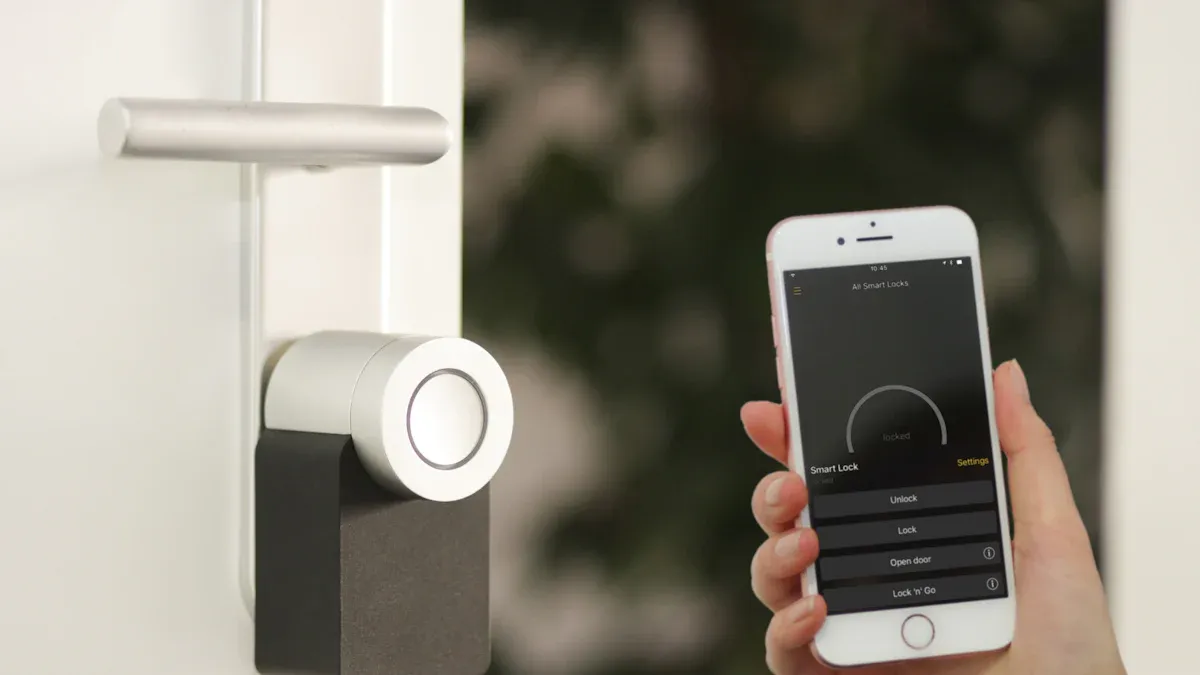
The future of residential automatic sliding door operators promises even greater sophistication and efficiency. Innovations will focus on intelligent systems, enhanced security, and environmental responsibility. These advancements will make homes smarter, safer, and more sustainable.
AI-Powered Predictive Maintenance
Artificial intelligence (AI) will revolutionize how homeowners maintain automatic sliding door operators. AI-based predictive maintenance proactively identifies potential issues. This prevents failures before they occur, minimizing downtime. It also extends the lifespan of door sensors and other components. AI-powered sensors learn from usage patterns and environmental conditions. They predict door operations, improving energy efficiency. This also reduces wear and tear on the system. Predictive maintenance helps building owners and manufacturers anticipate defective components. They can replace these parts before they fail. Real-time monitoring minimizes downtime and maximizes operating hours. It prevents unexpected failures. AI enables remote management and troubleshooting of door sensors. This facilitates maintenance and minimizes downtime. It also provides actionable data to maximize uptime and operating hours. This technology reduces life cycle costs through efficient use of automatic doors.
Advanced Biometric Security Integration
Future automatic door systems will integrate advanced biometric security. This offers homeowners unparalleled access control. Fingerprint recognition allows unlocking doors with a unique fingerprint. It eliminates keys or access codes. This provides instant identity verification. Facial and iris scans offer advanced recognition of unique features. These systems provide convenience and security without physical keys. Voice recognition enables entry by speaking a passphrase. Voiceprints are securely stored and protected by advanced encryption. Behavioral biometrics analyzes unique patterns of behavior. This enhances authentication security. Multi-modal biometrics combines multiple biometric identifiers. This increases accuracy and reliability. Biometrics offer a higher level of security compared to traditional methods. Unique features like facial patterns or iris patterns are difficult to replicate or steal. These systems eliminate the need for keys or passwords. Your unique biometric feature becomes the key. Biometric systems provide quick access, allowing entry in seconds.
Sustainable and Energy-Harvesting Designs
Future automatic sliding door operators will prioritize sustainability. Designs will incorporate recycled and sustainable materials. These materials are a game-changer for the environment. They contribute to reduced greenhouse gas emissions. They also ensure efficient resource utilization throughout their lifecycle. Their incorporation leads to significant reductions in carbon footprints. Environmental assessments demonstrate these benefits. Examples of sustainable materials include glass, available in various forms like clear tempered or low-E insulated. Metals such as stainless steel, bronze, and anodized aluminum offer sleek aesthetics. Wood and laminates maintain a warm or heritage look. Composite panels provide high strength and lightweight options. These materials are suitable for specific acoustic or fire-resistant ratings. Energy-harvesting designs will also become more common. These systems will generate power from the door’s movement or ambient light. This reduces reliance on external power sources.
Homeowners make an informed decision for their automatic sliding door operator. They carefully balance advanced features, robust safety protocols, and individual lifestyle needs. Selecting the right system elevates their smart living experience. The perfect operator choice enhances daily convenience and home security.
An automatic sliding door operator transforms a home, offering unparalleled accessibility and modern appeal.
This guide provides essential insights for making that crucial selection.
FAQ
How long do automatic sliding door operators typically last?
A well-maintained automatic sliding door operator can last 15 to 20 years. Regular cleaning, lubrication, and prompt attention to wear and tear are crucial for maximizing its lifespan.
Can homeowners install an automatic sliding door operator themselves?
Homeowners can attempt DIY installation. However, it requires understanding electrical wiring and mechanical systems. Professional installation ensures correct setup, optimal performance, and adherence to safety standards.
Are automatic sliding door operators energy efficient?
Yes, these operators are energy efficient. They ensure doors close completely, minimizing drafts and preventing heat loss or gain. This precise closure helps maintain indoor temperatures, reducing heating and cooling costs.
Do automatic sliding door operators integrate with smart home systems?
Modern operators seamlessly integrate with popular smart home platforms. This allows users to manage doors alongside other smart devices. A single application or voice command can control the entire smart home ecosystem.