

Sliding Door Openers provide convenience in many commercial and residential settings. However, these systems sometimes encounter operational issues. Users often ask, "Why Won’t My Sliding Door Opener Close All the Way?" or inquire, "Why Do Sliding Door Openers Get Stuck or Fail to Open?" Even a robust Brushless DC motor sliding door opener in a busy Mall sliding door opener can experience malfunctions. Understanding common issues and knowing How to Solve Sliding Door Opener Misalignment/Lubrication Issues? is crucial for maintaining functionality. Identifying when to seek professional assistance ensures optimal performance and safety.
Key Takeaways
- Check the power supply and clean tracks if your sliding door does not open or close fully.
- Unusual noises from your door mean parts are worn or need lubrication.
- A slow or stopping door can be due to a weak power source or dirty sensors.
- If your door reverses by itself, check the safety sensors and wiring.
Sliding Door Openers Not Opening or Closing Fully
When automatic doors fail to open or close completely, they present significant inconvenience and potential safety hazards. Several factors contribute to this common problem. Identifying the root cause helps in implementing an effective solution.
Power Supply and Electrical Issues
A door’s inability to operate often stems from its power source. A disconnected or unstable power supply prevents the door from functioning correctly. Technicians must ensure the power is properly connected. They also verify the voltage remains stable. Fluctuations in electrical current can disrupt the opener’s operation. Addressing these electrical issues often restores full functionality to the door system.
Track Obstructions and Damage
Physical impediments on the door tracks frequently cause incomplete movement. Debris such as dirt, pebbles, or small objects can block the rollers. This prevents the door from gliding smoothly. Damage to the tracks themselves, like bends or dents, also impedes motion. Regular inspection and cleaning of the tracks are essential. Repairing or replacing damaged sections ensures unobstructed travel for the door.
Motor and Gearbox Malfunctions
The motor and gearbox are critical components for door operation. Wear and tear on these parts can lead to the door not opening or closing fully. Operators might notice unusual noises, such as grinding, squeaking, or humming, indicating motor wear. The door may also exhibit slow or erratic movement. Over time, these issues can lead to slower operating speeds or even complete motor malfunction. Addressing these mechanical failures promptly prevents further damage and ensures reliable performance for the Sliding Door Openers.
Remote Control and Wall Switch Problems
Remote controls and wall switches serve as primary interfaces for operating automatic doors. When these devices malfunction, users cannot properly command the door. This leads to frustration and operational delays. Technicians often find issues with power, signal, or internal components.
Remote controls frequently experience battery-related problems. The battery life for a remote control typically ranges from one to two years. Several factors influence this lifespan. Coin-cell batteries, such as CR2032, often last longer, sometimes up to two years, compared to AAA batteries. Frequent use significantly depletes batteries faster. An older remote or one exposed to harsh conditions, like extreme temperatures or moisture, may also have a shorter battery life. Remotes with extra features, such as lights or keypads, also consume battery power more quickly. Users should regularly check and replace remote control batteries to ensure consistent operation.
Wall switches can develop issues from loose wiring or internal component failure. A disconnected wire prevents the switch from sending commands to the door opener. Sometimes, the switch itself wears out from repeated use. Technicians inspect the wiring connections behind the switch. They also test the switch’s continuity to determine if it functions correctly. Signal interference can also affect both remote controls and wireless wall switches. Other electronic devices or structural elements might block the signal, preventing the Sliding Door Openers from receiving commands. Repositioning the remote or checking for signal obstructions can resolve these issues.
Unusual Noises from Sliding Door Openers
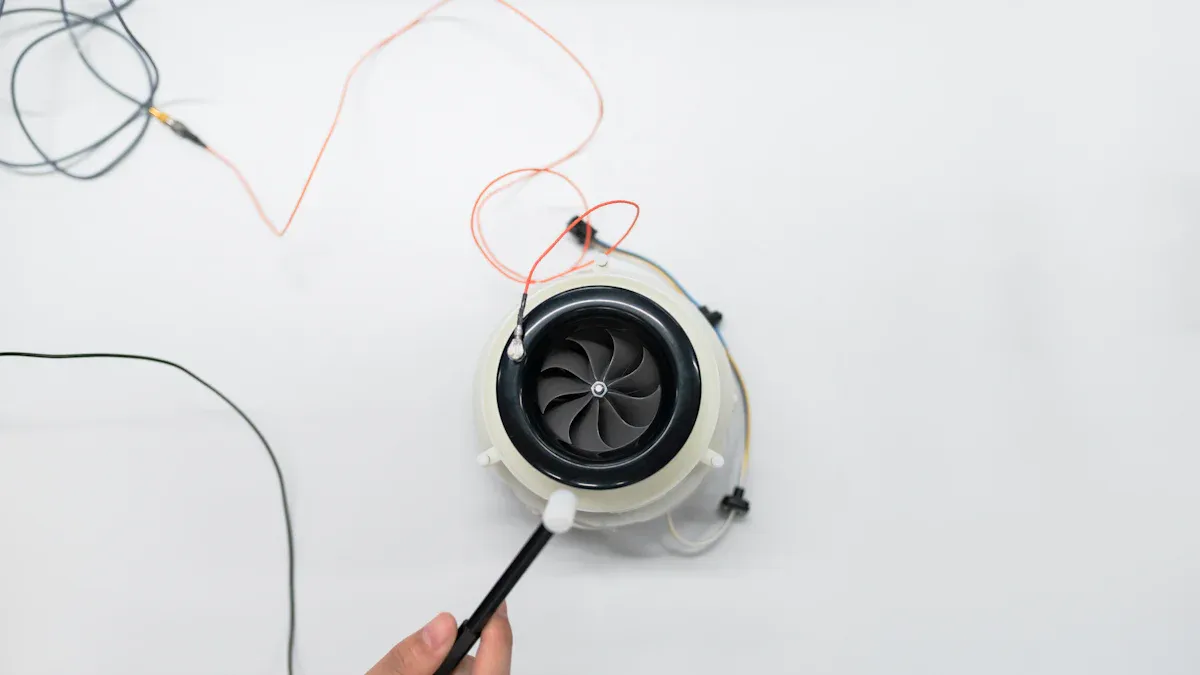
Automatic door systems should operate smoothly and quietly. When an opener begins to produce unusual sounds, it often signals an underlying issue. Addressing these noises promptly prevents further damage and ensures safe operation.
Worn Rollers and Bearings
Rollers and bearings facilitate the door’s movement along its track. Over time, these components experience wear and tear. Worn rollers often appear cracked, chipped, or significantly abraded. These conditions necessitate immediate replacement due to safety risks. Damaged rollers and bearings produce grinding, squealing, or rattling noises as the door moves. These sounds indicate friction and resistance within the system. Regular inspection helps identify worn parts before they cause more extensive damage or operational failure.
Lack of Lubrication
Proper lubrication is essential for the smooth operation of any mechanical system. A lack of lubrication in the door opener’s moving parts, such as rollers, tracks, and hinges, creates excessive friction. This friction manifests as squeaking, grinding, or scraping sounds during door movement. Technicians apply appropriate lubricants to reduce friction and restore quiet operation. Regular maintenance schedules should include lubrication to prevent these issues.
Misaligned Tracks
Misaligned tracks significantly impede door movement and generate considerable noise. The door may stick, drag, or require extra force to open or close, suggesting a warped or obstructed track. Unusual noises like squeaking, grinding, or rattling often indicate debris in the track or worn-out rollers. Visible damage, such as cracks, bends, or rust along the track, clearly signals the need for repair or replacement. If the door appears uneven or does not close properly, the track may be loose or bent. Daily wear and tear can damage tracks, especially the metal track along the threshold. This part endures constant stress from foot traffic and door movement. This repeated stress causes bends, bumps, and wrinkles in the track. These issues result in doors that ride roughly, frequently jump off the track, or become difficult to open and close smoothly.
Debris in Moving Parts
Accumulated debris significantly impacts the smooth operation of sliding door openers. Foreign materials often find their way into critical moving components. This includes the tracks, rollers, and gears. These obstructions create friction and hinder proper movement.
Common types of debris that cause problems include:
- Dirt
- Dust
- Small particles
- Sand
- General debris accumulation
These fine particles and larger pieces of debris act as abrasives. They wear down components over time. For instance, dirt and dust can clog the roller bearings. This prevents them from rotating freely. Sand, a particularly abrasive material, accelerates wear on both the tracks and the rollers. When debris accumulates, the door opener motor works harder. This leads to increased strain and potential overheating.
The presence of debris often results in various unusual noises. Users might hear grinding, scraping, or squealing sounds. These noises indicate the door struggles against the obstruction. The door may also move erratically or become stuck. Regular cleaning and maintenance prevent these issues. Technicians recommend periodically inspecting the tracks and rollers. They remove any visible dirt, dust, or other foreign objects. A clean system operates more efficiently and quietly. It also extends the lifespan of the door opener components. Ignoring debris accumulation can lead to costly repairs and premature component failure.
Slow or Intermittent Operation of Sliding Door Openers
Automatic doors should operate at a consistent speed. When a door moves slowly or stops intermittently, it signals a problem. Several factors can contribute to this reduced performance. Technicians must identify the specific cause to restore optimal function.
Weak Power Source
An unstable power connection or voltage fluctuations significantly impact door speed. Adjustable speed controls on many automatic doors can also be misconfigured. This leads to slow operation. Different types of openers have varying power needs. Residential Sliding Gate Openers typically consume 50-200 watts. Commercial Sliding Gate Openers require 200-1000+ watts. Industrial Sliding Gate Openers can use 500 to several thousand watts, especially during startup. AC motors, common in heavy-duty applications, have a high starting power of around 1500-2000 watts. Their running power stabilizes to 300-500 watts. DC motors are more energy-efficient. They typically consume 100-200 watts during operation. A small, lightweight sliding gate might only need an opener consuming 50-100 watts. An insufficient or fluctuating power supply prevents the motor from receiving the necessary energy. This results in sluggish movement.
Sensor Misalignment or Obstruction
Sensors play a crucial role in the safe operation of automatic doors. They detect objects in the door’s path. When sensors are misaligned or obstructed, they can cause the door to operate slowly or stop unexpectedly. A common cause of sensor misalignment is incorrect calibration. This leads to the sensors misinterpreting the environment. They falsely detect an obstruction. This causes the door to stop closing prematurely or reverse. Dirt, dust, or spiderwebs on the sensor lenses can also block their view. This triggers false alarms. Regular cleaning and proper alignment of these safety devices are essential for smooth operation.
Overheating Motor
An overheating motor can cause a door to operate slowly or intermittently. Motors generate heat during operation. Prolonged use or excessive strain can lead to overheating. When a motor overheats, its internal protection mechanisms often reduce power or shut down the system. This prevents damage. Factors like a heavy door, excessive friction from worn components, or continuous operation without sufficient rest can overwork the motor. This leads to increased heat. Technicians should check for signs of strain on the motor. They should also ensure proper ventilation around the motor housing. Addressing the root cause of the motor’s strain helps prevent overheating.
Worn-Out Components
Sliding door openers contain numerous moving parts. These components experience significant stress during daily operation. Over time, this constant use leads to wear and tear. Heavy-duty automatic sliding door openers are particularly susceptible to this issue. Replacing worn-out parts becomes a common maintenance task. This wear often results in slow or intermittent door operation.
Several key components frequently show signs of wear. These include:
- Metal or plastic tracks
- Damaged or worn rollers
The tracks guide the door’s movement. They can become bent or warped from continuous use or impact. This damage creates friction and resistance. The door struggles to move smoothly along an uneven track. Rollers support the door as it glides. Worn or broken rollers prevent the door from rolling freely. They can cause jerky movements or complete stops.
Other components also contribute to operational issues when worn. Weak springs, for example, fail to provide adequate tension. This affects the door’s balance and ease of movement. The motor then works harder to compensate. This leads to slower speeds and increased strain. Bearings within the system also wear out. They lose their ability to reduce friction effectively. This results in increased resistance and reduced efficiency.
Identifying and replacing these worn-out components is crucial. Regular inspections help detect early signs of wear. Technicians can then replace parts before they cause significant operational problems. Addressing these issues promptly ensures the door operates at its intended speed and efficiency. It also extends the overall lifespan of the sliding door opener system.
Sliding Door Openers Reversing Unexpectedly
Automatic doors should close smoothly. When a door reverses unexpectedly, it indicates a problem. This behavior often stems from safety mechanisms misinterpreting the environment.
Safety Sensor Malfunctions
Sliding Door Openers frequently reverse unexpectedly due to issues with their safety sensors. These sensors prevent the door from closing on people or objects. Various types of sensors exist to ensure safety. Infrared sensors detect movement by sensing changes in heat. Pressure sensors activate when force applies to a mat or surface. Radar-based sensors emit waves and detect reflections from approaching objects. Older configurations used black motion detection sensors and horizontal presence detection sensors. Initially, control mats and electric eye holding beams were standard. Later, overhead sensor systems combined motion detection with threshold protection. Modern sensors often integrate both motion and presence detection functions into single units. Other types include motion detector sensors, presence sensors, dual technology sensors, photoelectric beam sensors, active infrared sensors, passive infrared sensors, and microwave sensors. When these sensors become dirty, misaligned, or faulty, they can falsely detect an obstruction. This causes the door to reverse its closing cycle, even when the path is clear.
Obstruction Detection System Issues
Beyond the sensors themselves, the door’s overall obstruction detection system can malfunction. This system interprets signals from the sensors. It then commands the door to reverse if it encounters resistance. Problems can arise if the system’s logic board or wiring has issues. A faulty connection might send incorrect signals. This leads the door to believe an obstruction exists. The door then reverses as a safety measure. This happens even if no physical barrier is present.
Force Setting Adjustments
Incorrect force settings also cause unexpected reversals. Automatic doors have adjustable force settings. These settings determine how much resistance the door can encounter before it reverses. If the force setting is too sensitive, the door will reverse at the slightest resistance. This could be due to minor friction in the tracks or even a slight breeze. Technicians must calibrate these settings correctly. They ensure the door applies enough force to close properly but reverses safely when it meets a genuine obstruction.
Wiring Problems
Wiring forms the nervous system of any automatic sliding door opener. It transmits power and signals between the control board, motor, sensors, and switches. Problems within this intricate network often lead to unexpected door reversals. Technicians frequently encounter issues such as loose connections, damaged wires, or incorrect wiring configurations. Each of these can disrupt the door’s normal operation.
Loose connections represent a common culprit. Vibrations from daily door movement can gradually loosen terminal screws or connectors. A loose wire might intermittently lose contact, causing the control board to receive incomplete or erroneous signals. For instance, a sensor signal might drop out momentarily, making the system believe an obstruction has appeared. This triggers an immediate reversal as a safety precaution.
Damaged wires also pose a significant problem. Wires can become frayed, pinched, or even cut due to wear and tear, rodent activity, or accidental impact. A damaged wire can create a short circuit or an open circuit. Both conditions disrupt the flow of electricity and data. If a wire connecting to a safety sensor is compromised, the sensor might fail to transmit its status correctly. The door’s control system then interprets this as a fault or an obstruction, initiating an unexpected reversal.
Incorrect wiring, often a result of improper installation or previous repair attempts, can also cause doors to reverse. If a wire connects to the wrong terminal, the component it serves will not function as intended. For example, if the wiring for the closing limit switch is incorrect, the door might not recognize its fully closed position. It could then reverse prematurely, thinking it has hit an obstacle. Proper wiring ensures all components communicate effectively and the door operates safely. Addressing these wiring issues requires careful inspection and often professional expertise.
Regular maintenance prevents significant issues with automatic doors. Users should clean tracks weekly and lubricate moving parts every 3-6 months. Monthly sensor checks ensure proper function. Annual professional inspections offer comprehensive care. Neglecting problems leads to safety risks, potential injuries, and increased utility costs. Promptly addressing malfunctions maintains security and operational efficiency. Complex issues like persistent misalignment, motor failures, or intricate wiring problems require professional expertise. Technicians possess the tools and knowledge for accurate diagnosis and repair, ensuring safe and reliable door operation.
FAQ
Why does a sliding door opener sometimes not open or close completely?
Power supply issues, track obstructions, or motor malfunctions often cause incomplete door movement. Remote control or wall switch problems can also prevent full operation. Technicians check these areas first.
What causes unusual noises from a sliding door opener?
Worn rollers and bearings create grinding or squealing sounds. A lack of lubrication also causes friction and noise. Misaligned tracks or debris in moving parts contribute to unusual sounds.
Why does a sliding door opener operate slowly or intermittently?
A weak power source can reduce door speed. Misaligned or obstructed sensors also cause slow or intermittent operation. An overheating motor or worn-out components like tracks and rollers contribute to this issue.
What makes a sliding door opener reverse unexpectedly?
Safety sensor malfunctions often trigger unexpected reversals. Issues with the obstruction detection system also cause this behavior. Incorrect force setting adjustments or wiring problems can lead to the door reversing prematurely.