
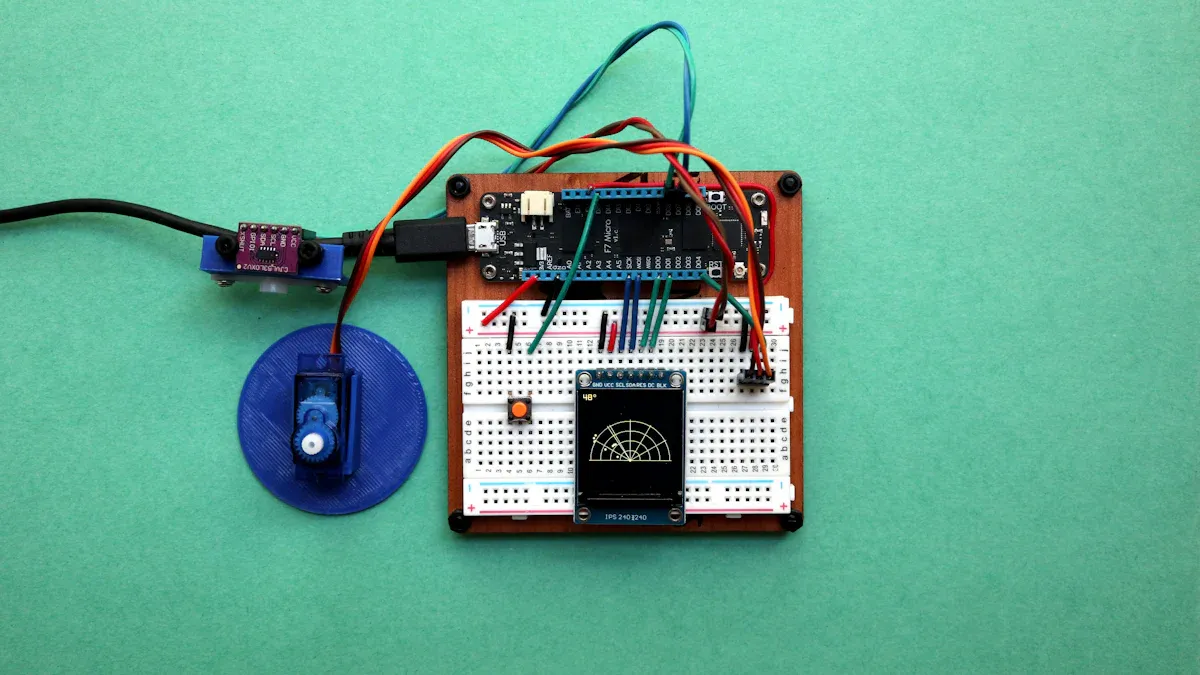
Automatic door sensors are essential in modern architecture and convenience. In 2026, these systems enhance accessibility, allowing seamless entry for individuals in various environments. Industries such as healthcare and retail increasingly adopt motion sensors doors to improve customer experience and operational efficiency. For instance, healthcare facilities account for approximately 35% of the national demand, while touchless entry solutions, including infrared door sensors, represent about 60% of newly installed systems. This growing trend highlights the importance of door sensor technology, including automatic door safety sensors, in creating hygienic and efficient spaces. Additionally, finding the best door sensors for sliding doors is becoming increasingly important as more facilities seek to enhance their entry systems.
Key Takeaways
- Automatic door sensors enhance accessibility and convenience in various environments, making them essential for modern architecture.
- Different types of sensors, like infrared and microwave, offer unique advantages, such as energy efficiency and versatility in installation.
- Regular maintenance and proper installation are crucial for optimal performance and longevity of automatic door sensors.
- Integrating smart technology with door sensors improves user experience and operational efficiency, allowing for remote monitoring and control.
- Choosing the right sensor type depends on environmental conditions and specific needs, ensuring safety and effectiveness in various settings.
Types of Automatic Door Sensors

Infrared Sensors
Infrared sensors play a crucial role in automatic door systems. They operate by detecting changes in heat signatures, which allows them to identify when a person approaches the door. This capability makes infrared sensors a primary type of motion sensor used in various environments, including retail stores and healthcare facilities.
Advantages of Infrared Sensors:
- Energy Efficiency: They consume less power compared to other sensor types.
- Cost-Effectiveness: Infrared sensors are generally more affordable to install and maintain.
- Enhanced Security: These sensors can detect unauthorized access, improving overall security.
| Advantages | Limitations |
|---|---|
| Energy Efficiency | Environmental Factors |
| Cost-Effectiveness | False Alarms |
| Enhanced Security | N/A |
| Versatility in Applications | N/A |
Microwave Sensors
Microwave sensors utilize high-frequency electromagnetic waves to detect motion. They emit these waves and measure the reflections to identify movement. This technology allows them to function effectively in various environments, particularly in outdoor areas and spaces with significant temperature variations.
- Microwave sensors can detect movement through obstacles, such as walls or doors, making them suitable for large spaces like warehouses and open-plan offices.
- They do not require a direct line of sight, which enhances their versatility in installation.
| Sensor Type | Operational Principle |
|---|---|
| Microwave Sensors | Utilize electromagnetic waves, measuring the reflection of microwaves to detect movement. |
| Infrared Sensors | Emit infrared light and measure the reflected light to detect interruptions caused by objects or people. |
Pressure Sensors
Pressure sensors function by detecting changes in pressure when a person steps on or approaches the sensor. These sensors are commonly used in automatic doors, particularly in hospitals and cleanrooms, where hygiene and safety are paramount.
- Proper installation is crucial for effective sensor operation. Calibration ensures safety and reliability in door automation.
- Pressure sensors also contribute to energy efficiency in building automation systems.
| Use Case | Environment |
|---|---|
| Automatic doors | Hospitals |
| Automatic doors | Cleanrooms |
| Monitoring air pressure | HVAC systems |
| Safety in automated systems | Various environments |
| Energy efficiency | Building automation |
Regular maintenance of pressure sensors is essential to ensure their longevity and reliability. Following the manufacturer’s guidelines and performing scheduled calibrations can help maintain optimal performance.
Ultrasonic Sensors
Ultrasonic sensors utilize sound waves to detect motion and presence. These sensors emit ultrasonic waves and measure the time it takes for the waves to bounce back after hitting an object. This technology allows them to function effectively in various environments, including busy commercial spaces and outdoor areas.
Advantages of Ultrasonic Sensors:
- High accuracy in detecting movement, even in challenging conditions.
- Ability to cover larger areas compared to other sensor types.
- Less affected by surface colors and textures, making them versatile.
| Sensor Type | Accuracy in Varying Conditions | Affected by Surface Colors/Textures | Precision for Short-Range Detection |
|---|---|---|---|
| Ultrasonic Sensors | Higher | Less | Moderate |
| Infrared Sensors | Lower | More | Higher |
Despite their advantages, ultrasonic sensors face challenges. Environmental factors can interfere with their performance. Common issues include:
- Metallic structures
- Electrical noise
- Reflective surfaces
- Dust and humidity
- Physical damage
These factors can lead to false readings or reduced effectiveness, particularly in complex environments.
Safety Sensors
Safety sensors are critical components of automatic door systems. They enhance safety by detecting when a person is in a dangerous zone and stopping the door’s movement. This technology significantly reduces the risk of injuries, making it essential in high-traffic areas such as hospitals and shopping centers.
Key Benefits of Safety Sensors:
- They improve safety and accessibility for all individuals.
- Smart sensors enhance responsiveness, supporting non-contact entry solutions.
- Recent studies show that these sensors effectively prevent accidents and injuries.
The integration of safety sensors in automatic doors not only enhances user experience but also aligns with modern hygiene standards. As more facilities prioritize touchless entry solutions, the demand for advanced safety sensors continues to grow.
Key Features of Automatic Door Sensors
Detection Range
Detection range refers to the distance within which an automatic door sensor can effectively detect motion. This feature is crucial for ensuring that doors open promptly when someone approaches. Most infrared and microwave sensors have adjustable detection ranges, allowing users to customize settings based on their specific needs.
Key Considerations:
- Short Range: Ideal for indoor environments where space is limited.
- Long Range: Suitable for outdoor applications or larger entryways.
Response Time
Response time measures how quickly an automatic door sensor reacts to detected motion. A shorter response time enhances user experience by ensuring swift access. Most modern sensors boast response times of less than one second, making them efficient for high-traffic areas.
| Sensor Type | Average Response Time |
|---|---|
| Infrared Sensors | < 0.5 seconds |
| Microwave Sensors | < 0.3 seconds |
| Ultrasonic Sensors | < 0.4 seconds |
Power Source
The power source of automatic door sensors significantly impacts their functionality and installation. Sensors can operate on various power sources, including battery, hardwired electricity, or solar power.
- Battery-Powered Sensors: Offer flexibility in installation but require regular battery replacements.
- Hardwired Sensors: Provide consistent power but may involve complex installation processes.
- Solar-Powered Sensors: Eco-friendly options that reduce energy costs, especially in outdoor settings.
Choosing the right power source depends on the specific application and environmental conditions.
Weather Resistance
Weather resistance is a critical feature for automatic door sensors, especially in regions prone to extreme weather conditions. Heavy rain and moisture can impair sensor functionality. Excessive moisture may infiltrate electronic components, leading to corrosion and potential damage. To mitigate these effects, manufacturers recommend using weatherproofing techniques. Waterproof enclosures and sealants can protect sensitive parts from moisture.
In addition, high humidity can cause condensation, resulting in short circuits and malfunctions. Regular inspection and cleaning are essential to prevent ice buildup during snowstorms and freezing temperatures. Applying protective coatings or lubricants can help avoid freezing. Installing snow guards can also prevent heavy snow accumulation. Proper insulation and weatherproofing of electrical components are crucial to prevent damage from cold conditions.
Integration with Smart Systems
The integration of automatic door sensors with smart building systems is transforming how facilities manage access and security. In 2026, AI-powered sensors can seamlessly connect with building management systems, enabling centralized control and automation. This integration allows for enhanced monitoring and management of entry points.
As smart technology continues to evolve, automatic sliding door sensors are becoming more integrated with other smart systems. This integration allows for remote monitoring and control, improving operational efficiency. Smart sensors enhance responsiveness, reduce accidents, and support accessibility standards. They also enable non-contact entry solutions, which are increasingly important in today’s health-conscious environment.
By investing in weather-resistant and smart-integrated automatic door sensors, businesses can ensure reliable performance and improved user experience.
Buying Guide for Automatic Door Sensors
Assessing Environmental Conditions
When selecting automatic door sensors, environmental conditions play a crucial role. Factors such as sunlight, heat, and moisture can significantly impact sensor performance. Therefore, it is essential to consider the following:
- Avoid installing sensors in areas with excessive sunlight, as this can lead to false readings.
- High heat can affect the sensor’s accuracy, particularly infrared types.
- Moisture can damage electronic components, leading to malfunctions.
For environments with challenging conditions, microwave radar sensors are often preferred. These sensors exhibit high stability and adaptability, making them suitable for various settings. Additionally, ensure that the emission frequency and power comply with local regulations. This compliance guarantees that the sensor’s performance remains unaffected by rain, door panel movement, or vibrations.
Understanding Your Budget
Budget considerations are vital when purchasing automatic door sensors. Prices can vary widely based on sensor type, features, and brand reputation. Here are some key points to keep in mind:
- Basic Models: Entry-level sensors, such as passive infrared (PIR) sensors, typically cost less. They are suitable for low-traffic areas like offices and libraries.
- Advanced Models: Ultrasonic and microwave sensors may have higher upfront costs but offer enhanced features like quick response times and broader detection ranges. These sensors are ideal for environments such as hospitals and warehouses.
- Long-Term Savings: Investing in high-quality sensors can lead to long-term savings through reduced maintenance costs and improved energy efficiency.
Evaluating Sensor Types for Specific Needs
Different sensor types cater to various building requirements. Understanding these needs helps in selecting the most suitable option. The following table summarizes how different sensor types align with specific building types and their key advantages:
| Sensor Type | Building Types | Key Advantages |
|---|---|---|
| PIR (Passive Infrared) | Offices, Libraries | Low cost, Low power consumption, Effective for basic counting |
| Ultrasonic | Hospitals, Libraries | High sensitivity, Comprehensive coverage, Quick response |
| Microwave | Warehouses, Outdoor Security | Wide detection range, Reliable performance |
| Dual-Technology | Offices, Schools | High accuracy, Reduced false alarms |
| Time-of-Flight | Retail, Smart buildings | High accuracy, Anonymous protection |
| AI | Hospitals, Retail | High accuracy, Adaptive learning capabilities |
Occupancy sensors are tailored for specific environments. In hospitals, they monitor patient flow and enhance safety. In retail, they track customer movement to optimize layouts. In offices, they help manage space utilization and energy efficiency. Each sensor type meets the unique needs of these building types, ensuring optimal performance and user satisfaction.
Considering Brand Reputation and Warranty
When selecting automatic door sensors, brand reputation plays a significant role in ensuring quality and reliability. Reputable brands often invest in research and development, leading to innovative and effective products. Here are some of the most respected brands in the industry:
- Tormax: Known for advanced and reliable sensor systems suitable for various types of doors.
- Eagle: Offers the K-band microwave motion detector, recognized for its reliability and compliance with ANSI standards.
- Stanley Access Technologies: Provides service agreements that enhance door performance and compliance.
In addition to brand reputation, warranty terms are crucial. A solid warranty indicates the manufacturer’s confidence in their product. For instance, Infinity Shield offers a 2-year warranty along with a 90-Day No-Questions-Asked Money-Back Guarantee. This type of warranty provides peace of mind, ensuring that customers can trust their investment.
Installation Requirements
Proper installation of automatic door sensors is essential for optimal performance. Depending on the sensor type and the environment, installation requirements may vary. Here are some key considerations:
-
Professional Installation vs. DIY: While some sensors allow for DIY installation, professional installation is often recommended. Professionals ensure that sensors are correctly calibrated and positioned for maximum effectiveness.
-
Site Assessment: Before installation, conduct a thorough site assessment. Evaluate the environment, including potential obstacles and lighting conditions. This assessment helps determine the best sensor type and placement.
-
Electrical Considerations: Ensure that the installation site has the necessary electrical infrastructure. Some sensors require hardwiring, while others may operate on batteries or solar power. Understanding these requirements is crucial for a successful installation.
-
Compliance with Local Codes: Adhere to local building codes and regulations during installation. Compliance ensures safety and functionality, particularly in commercial settings.
-
Testing and Calibration: After installation, testing and calibration are vital. This process verifies that the sensors function correctly and respond appropriately to motion. Regular testing can help identify any issues early, ensuring long-term reliability.
By considering brand reputation, warranty terms, and installation requirements, individuals can make informed decisions when selecting automatic door sensors. These factors contribute to the overall effectiveness and longevity of the systems, enhancing convenience and safety in various environments.
Installation and Maintenance Tips for Automatic Door Sensors
Professional Installation vs. DIY
Choosing between professional installation and DIY for automatic door sensors depends on several factors. Professional installation ensures that experts handle the setup, which can enhance performance and safety. Technicians possess the skills to calibrate sensors correctly and comply with local regulations. However, DIY installation can save costs for those with technical skills. Individuals should assess their comfort level with electrical work and sensor technology before deciding.
Regular Maintenance Practices
Regular maintenance is essential for optimal performance of automatic door sensors. Following a structured maintenance schedule can prevent issues and extend the lifespan of the sensors. Here’s a breakdown of recommended practices:
| Frequency | Maintenance Practices |
|---|---|
| Daily | – Visual Inspection: Check for cleanliness, damage, and obstructions. |
| – Operational Test: Verify smooth operation and proper closing. | |
| – Sensor Functionality: Test motion and safety sensors. | |
| Weekly | – Safety Features: Inspect emergency functions and manual switches. |
| – Hinges and Pivots: Lubricate and check for wear. | |
| Monthly | – Electrical Components: Inspect wiring and control panel. |
| – Battery Backup: Test backup system functionality. | |
| – Weather Stripping: Check and replace damaged seals. | |
| Quarterly | – System Calibration: Re-calibrate sensors and update software. |
| – Drive Mechanism: Inspect and maintain mechanical parts. | |
| – Glass and Glazing: Inspect and clean glass. | |
| Bi-Annual | – Professional Inspection: Have a technician perform thorough checks. |
| – Performance Assessment: Evaluate door performance under various conditions. | |
| Annual | – Comprehensive Inspection: Detailed check of all components and update maintenance records. |
Troubleshooting Common Issues
Automatic door sensors may encounter common issues that require troubleshooting. Here are some typical problems and their solutions:
- Door Fails to Open: Check for obstructions in the sensor’s path. Ensure that the power supply is functioning.
- False Activations: Adjust the sensitivity settings or reposition the sensor to minimize interference from environmental factors.
- Inconsistent Operation: Inspect wiring and connections for damage. Regular calibration may also resolve this issue.
By following these installation and maintenance tips, individuals can ensure that their automatic door sensors operate efficiently and safely.
Safety Features of Automatic Door Sensors
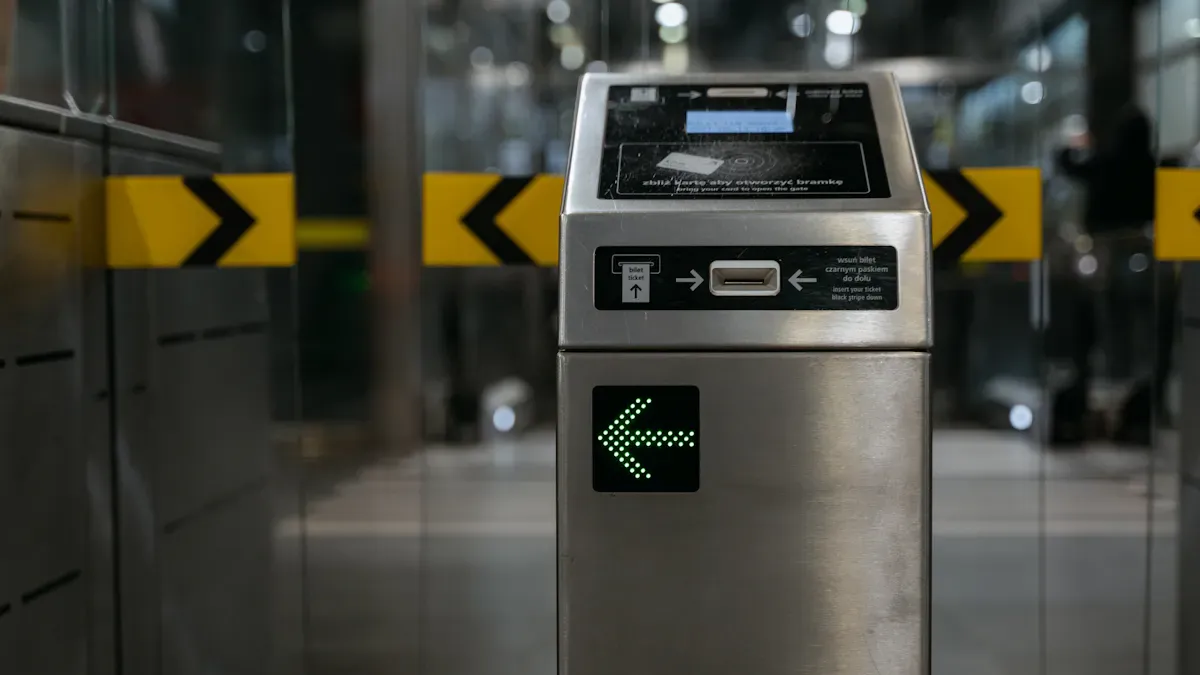
Emergency Stop Functions
Emergency stop functions in automatic door sensors enhance safety significantly. These systems utilize various sensors, such as electric eye beams and infrared curtain sensors. When an object interrupts the electric eye beam, the system sends a signal to halt the door’s closing action. This feature prevents accidents and injuries. Many systems also include manual switches and crush sensors in revolving doors. These components can immediately stop the door’s movement if necessary, ensuring reliable operation in emergencies.
Obstacle Detection
Obstacle detection is vital for the safe operation of automatic door sensors. Several technologies contribute to this functionality:
- Infrared Sensors: These sensors emit infrared light beams to detect obstacles based on reflection changes. They ensure quick and accurate responses.
- Ultrasonic Sensors: These sensors use high-frequency sound waves to identify obstacles by measuring the time taken for the waves to return. This allows for precise detection.
- Microwave Sensors: These sensors emit low-power microwave pulses to monitor frequency changes caused by moving objects. They provide consistent performance in various conditions.
Each technology has its strengths and weaknesses. Infrared sensors are reliable for detecting people but can be overly sensitive, leading to false activations. Ultrasonic sensors offer high accuracy but may struggle in noisy environments. Microwave sensors activate quickly and can detect a wide range of objects, but they may lead to unnecessary openings.
Compliance with Safety Standards
Compliance with safety standards is crucial for automatic door sensors. Leading products adhere to various regulations to ensure user safety. Here are some key standards:
| Standard | Region | Key Requirements |
|---|---|---|
| EN 16005 | Europe | Impact resistance, control systems, obstacle detection, emergency operation |
| ANSI/BHMA A156.10 | United States | Sensor placement, response times, signage for safe usage |
| ISO 13849 | Global | Safety of machinery control systems, reliability, and redundancy of safety mechanisms |
Smart sensors ensure compliance with these safety standards. They provide precise detection and consistent performance. Their adaptability to changing conditions enhances safety for all users.
Latest Innovations in Automatic Door Sensor Technology
AI and Machine Learning Integration
In 2026, the integration of artificial intelligence (AI) and machine learning into automatic door sensors revolutionizes access control systems. These AI-powered sensors learn user behaviors and predict traffic flow, enhancing responsiveness and energy efficiency. Key advancements include:
- Facial Recognition: This feature improves security by allowing only authorized individuals access.
- Gesture Control: Users can open doors with simple hand movements, promoting accessibility.
- Predictive Maintenance: Sensors analyze real-time data to anticipate issues, reducing downtime and extending lifespan.
The adoption of AI-powered door sensors in smart buildings is expected to increase, leading to advanced personalization that enhances user experiences.
Enhanced Energy Efficiency
Recent advancements in energy efficiency for automatic door sensors focus on minimizing energy consumption while maintaining functionality. The following table highlights significant innovations:
| Advancement Type | Description |
|---|---|
| Low-E Glass Technology | Utilizes low-emissivity glass to minimize heat transfer, reducing heating and cooling demands. |
| Enhanced Insulation | Features improved thermal sealing and tighter frames to reduce air leakage. |
| Motion and Presence Sensors | Employs advanced sensors to ensure doors open only when necessary, minimizing energy loss. |
These innovations contribute to sustainable building practices, aligning with the growing emphasis on energy conservation.
Advanced User Interfaces
The development of advanced user interfaces for automatic door sensors enhances user interaction and accessibility. Modern systems now feature intuitive touchscreens and mobile app integration, allowing users to control door settings remotely. These interfaces provide real-time feedback, enabling users to monitor door status and adjust settings as needed.
Moreover, voice-activated controls are becoming more prevalent, making it easier for individuals with disabilities to operate doors without physical contact. This focus on user-friendly design reflects the industry’s commitment to improving accessibility for all.
Choosing the right automatic door sensor is crucial for ensuring safety, efficiency, and user satisfaction. Each environment presents unique challenges, so personal needs and environmental factors must guide the selection process. For instance, a busy retail space may require a different sensor than a quiet office.
Looking ahead, advancements in technology promise even smarter and more efficient sensors. Innovations like AI integration and enhanced energy efficiency will shape the future of automatic door systems. These developments will continue to improve accessibility and convenience for all users.
FAQ
What are the main benefits of automatic door sensors?
Automatic door sensors enhance convenience, improve accessibility, and increase security. They allow hands-free entry, reduce the spread of germs, and streamline traffic flow in high-traffic areas.
How do I choose the right sensor type for my needs?
Consider factors such as the environment, traffic volume, and specific requirements. Infrared sensors work well indoors, while microwave sensors suit outdoor applications. Evaluate your unique needs before making a decision.
Can I install automatic door sensors myself?
While some sensors allow for DIY installation, professional installation is recommended. Experts ensure proper calibration and compliance with local regulations, enhancing safety and performance.
How often should I maintain my automatic door sensors?
Regular maintenance is essential. Conduct daily visual inspections and operational tests. Schedule more thorough checks every month and have a professional inspection at least once a year.
Are automatic door sensors energy-efficient?
Yes, many modern automatic door sensors are designed for energy efficiency. They minimize power consumption by using advanced technologies, such as motion detection, to operate only when necessary.