
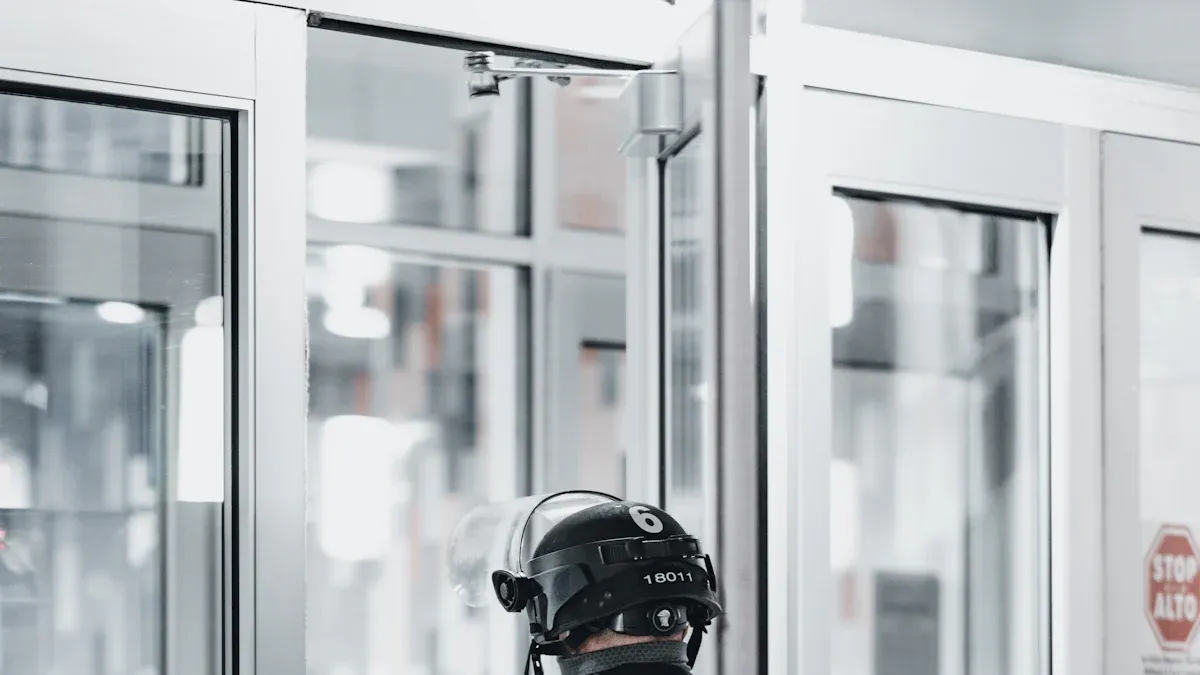
Automatic sliding door operators significantly improve access for employees and visitors in office buildings. These automatic door systems facilitate seamless entry and exit, enabling smooth transitions without the need for physical contact. Approximately 50% of corporate office buildings now utilize access-controlled automatic doors, highlighting their increasing importance. Additionally, the use of automatic door accessories enhances security features to protect against unauthorized access, ensuring a safe environment. The integration of technology in office automatic door solutions supports modern workplace needs, making these employee-friendly automatic doors essential for contemporary workspaces.
Key Takeaways
- Automatic door systems improve access for everyone, making it easier for employees and visitors to enter and exit office buildings.
- These systems enhance security with advanced features like access control and surveillance integration, ensuring only authorized personnel can enter restricted areas.
- Automatic doors support energy efficiency by minimizing air exchange, which helps reduce heating and cooling costs in office buildings.
- Touchless operation of automatic doors promotes better hygiene by reducing physical contact, which is crucial in maintaining cleanliness in high-traffic areas.
- Customization options allow businesses to tailor automatic door systems to their specific needs, enhancing both functionality and aesthetics in the workplace.
Increased Security Features
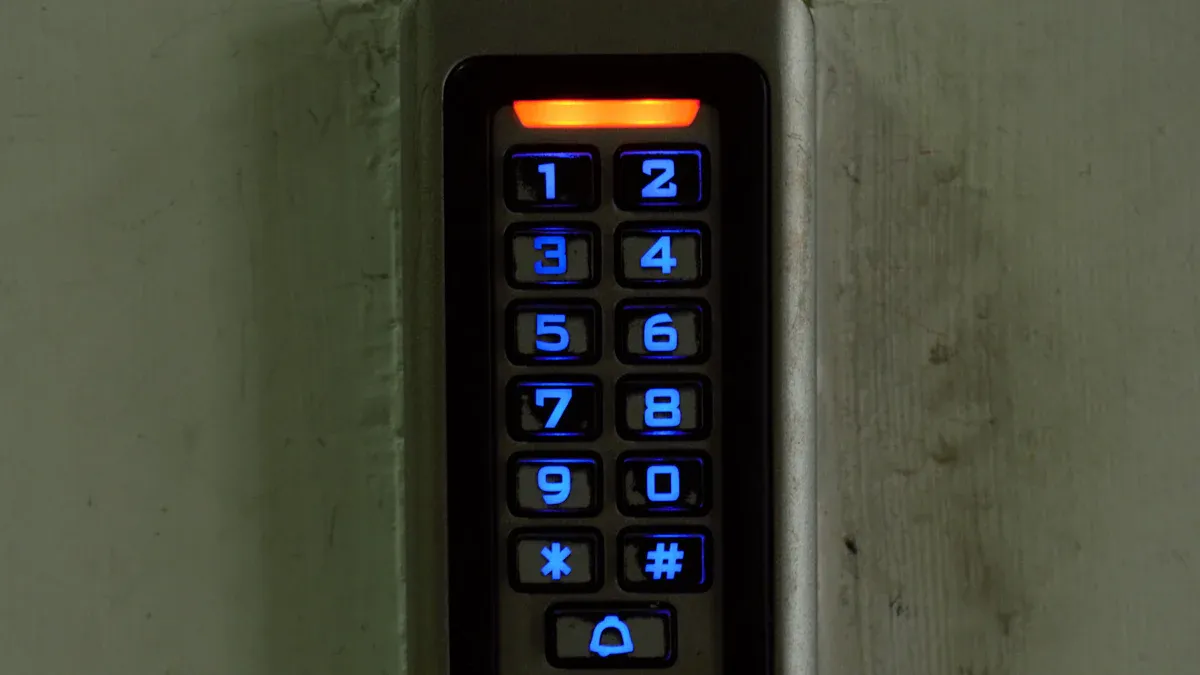
Automatic door systems significantly enhance security in office buildings through various advanced features. These systems not only streamline access but also protect sensitive areas from unauthorized entry.
Access Control Systems
Access control systems play a crucial role in managing who can enter specific areas within an office. Common technologies integrated with automatic door systems include:
- RFID smart card access
- Face recognition systems
- Fingerprint access
- QR-code visitor entry
- Mobile app-based access (Bluetooth/NFC)
These technologies ensure that only authorized personnel can access restricted areas. Biometric verification, for instance, prevents credential sharing. This method guarantees that the individual presenting credentials is physically present, eliminating proxy access vulnerabilities. Additionally, biometric identifiers are unique to each individual, making them difficult to duplicate or share. This significantly reduces the risk of unauthorized access.
Surveillance Integration
Integrating surveillance systems with automatic door operators enhances security outcomes. Real-time video monitoring allows security personnel to visually verify access events as they occur. This capability helps identify unauthorized entries and improves response times to incidents.
A door access control system that operates in isolation from the rest of your security infrastructure is a missed opportunity. When an access event cannot be correlated with video footage, your security team is working with an incomplete picture.
Moreover, AI features can notify security of tailgating incidents, enhancing monitoring effectiveness. Real-time alerts with video feeds enable immediate decision-making on access control, ensuring a swift response to potential threats.
Emergency Protocols
Automatic door systems also support critical emergency protocols. They facilitate rapid evacuation during fire or security emergencies by ensuring pathways remain clear. These doors can close automatically in response to smoke detection, preventing the spread of fire and smoke. They are equipped with fail-safe mechanisms that allow them to open quickly during emergencies.
| Protocol Type | Description |
|---|---|
| Breakouts & Egress | Adjustments for emergency egress behavior and safety corrections after impacts or heavy use. |
| Emergency Exit Control | Governed by EN 13637, ensuring doors release immediately during emergencies like power failure. |
Automatic doors must open in the direction of escape and allow for immediate evacuation. Panic exit devices can be integrated to facilitate rapid opening under stress, ensuring that even unfamiliar visitors can evacuate swiftly.
Enhanced Accessibility

Automatic door systems significantly improve accessibility in office buildings, ensuring that all individuals can navigate spaces with ease. These systems cater to various needs, making workplaces more inclusive and welcoming.
ADA Compliance
Automatic doors must adhere to the Americans with Disabilities Act (ADA) requirements to ensure accessibility for all. The following table outlines the specific requirements for different types of automatic doors:
| Type of Door | Requirements |
|---|---|
| Power-Operated Doors | Must automatically open for individuals, initiated by a motion sensor or pressure pad. |
| Low-Energy, Power-Operated Doors | Must automatically open after a button is pressed or panel control is accessed near the door. |
| Power-Assist Doors | Reduces the force to operate the door but does not provide hands-free entrance. |
| Public Entrances | At least 60% of public entrances must be accessible, with specific requirements for power-operated doors. |
Automatic doors must be provided at public entrances in buildings with specified occupant loads. For buildings with multiple tenants, each tenant space with its own entrance must meet the automatic door requirements if it exceeds the specified occupant loads. The 2024 International Building Code (IBC) will clarify provisions for entrances with multiple doors and vestibules.
User-Friendly Design
User-friendly design is a hallmark of modern automatic door systems. These systems enhance accessibility by allowing easy entry for individuals with disabilities, children, and the elderly. Key features include:
- Touchless operation, which minimizes the need for physical contact.
- Simple activation methods, such as push buttons or mobile app controls.
- Adjustable opening speeds and hold-open times to accommodate various user needs.
Such features not only improve efficiency but also create a more welcoming environment for all visitors. Automatic doors facilitate smooth traffic flow in busy office settings, reducing congestion and enhancing overall user experience.
Support for Mobility Impairments
Automatic door systems play a crucial role in supporting individuals with mobility impairments. They provide hands-free access, essential for those using wheelchairs or other mobility aids. The benefits include:
- Enhanced independence, allowing individuals to enter and exit buildings without assistance.
- Compliance with ADA and ICC A117.1 accessibility standards, ensuring safe access for wheelchair users.
- Built-in safety sensors that prevent contact, enhancing user safety.
These systems also create a more inclusive environment by removing barriers that can hinder access. Automatic doors facilitate quick exits during emergencies, improving overall safety for everyone in the building.
Energy Efficiency
Automatic door systems contribute significantly to energy efficiency in office buildings. Their design and technology help maintain comfortable indoor environments while minimizing energy consumption.
Automatic Climate Control
Automatic climate control features in door systems play a vital role in energy savings. These systems utilize sensors that open and close doors only when necessary. This functionality prevents unnecessary energy loss and helps maintain stable indoor temperatures. Key benefits include:
- Minimized air exchange: Automatic doors reduce the transfer of air between the inside and outside, which lowers heating and cooling costs.
- Winter efficiency: In colder months, these sensors prevent warm air from escaping, easing the burden on heating systems.
- Summer savings: During warmer months, they minimize the loss of cool air, leading to reduced air conditioning expenses.
Reduced Energy Costs
The installation of automatic door systems can lead to substantial energy savings for office buildings. Research indicates that buildings with automatic balanced doors achieve energy savings ranging from 12% to 18% compared to those using manual door systems. This reduction in energy costs results from enhanced efficiency and better climate control.
Sustainable Practices
Automatic door systems also support sustainable practices in office environments. Their energy-efficient design contributes to lower utility costs and improved indoor comfort. Notable aspects include:
- Compliance with green standards: Many automatic doors meet green building standards like LEED, showcasing a commitment to environmental responsibility.
- Minimized energy wastage: These doors limit the time they remain open, reducing heat or cool air loss and enhancing overall energy efficiency.
- Eco-friendly materials: Many automatic doors utilize recycled aluminum frames and sustainable glass options, which help minimize environmental impact.
By integrating these energy-efficient features, automatic door systems not only enhance convenience and security but also promote sustainability in modern office buildings.
Improved Hygiene
Automatic door systems significantly enhance hygiene in office buildings. Their design minimizes physical contact, which is crucial for maintaining cleanliness in high-traffic areas.
Touchless Operation
Touchless operation is a key feature of automatic doors. These systems activate without physical contact, which helps reduce germ transmission. The benefits include:
- Minimized contact: Touchless entry systems eliminate the need to touch door handles or buttons, which are often hotspots for germs.
- Enhanced hygiene: Wave switches and motion sensors allow users to enter without touching surfaces, significantly improving hygiene standards.
- Critical environments: In settings like hospitals and restaurants, touchless systems help maintain sterile conditions, essential for health and safety.
Reduced Contamination Risks
Automatic doors play a vital role in reducing contamination risks. They are designed with hygiene in mind, making them suitable for busy office environments. Key points include:
- Lower transmission risk: Touchless doors minimize physical contact, which decreases the likelihood of germ spread.
- Bacteria hotspots: Studies show that door handles can harbor more bacteria than toilet seats, emphasizing the need for touchless solutions.
- Pandemic awareness: The COVID-19 pandemic heightened the focus on surface contamination, leading to increased demand for touchless entry systems. Businesses adopting these systems demonstrate their commitment to health and safety.
Maintenance and Cleaning Benefits
Automatic door systems offer significant maintenance and cleaning advantages over manual doors. Their design promotes a cleaner environment, particularly in high-traffic areas. Notable benefits include:
- Reduced physical contact: Automatic doors lower the risk of transmitting germs and viruses, enhancing overall hygiene.
- Operational efficiency: These systems facilitate a ‘walk-through’ workflow, allowing staff to pass through without stopping to open doors, which is critical in busy settings.
- Support for PPE: In environments where personnel wear personal protective equipment (PPE), automatic doors enable safer and more efficient movement without the need for hand contact.
By integrating automatic door systems, office buildings can significantly improve hygiene, ensuring a safer environment for employees and visitors alike.
Customization Options
Automatic door systems offer extensive customization options, allowing businesses to tailor solutions to their specific needs. This flexibility enhances both functionality and aesthetics in office environments.
Design Flexibility
Design flexibility is a key feature of automatic door systems. They can adapt to various office layouts, ensuring seamless integration into any space. The following table outlines some of the customization features available:
| Customization Feature | Description |
|---|---|
| Configurations | Can be installed in straight, angled, or curved configurations. |
| Entry Width | Can be installed in pairs for wider entries. |
| Access Control Options | Includes remote control, touchless switch, keypad access, and infrared sensors. |
| Aesthetic Variety | Available in a wide variety of designs to fit seamlessly into office aesthetics. |
This adaptability allows businesses to create entrances that align with their branding while ensuring optimal functionality.
Technology Integration
Modern automatic door systems integrate advanced technologies to enhance performance and user experience. The following table highlights key technology integrations:
| Technology Integration | Description |
|---|---|
| Energy-Efficient Technologies | Innovations like insulated glass and thermally broken frames reduce energy consumption. |
| Touchless Solutions | Features such as wave-to-open sensors and mobile app controls enhance hygiene and accessibility. |
| Smart Features | Integration with building automation systems allows for real-time monitoring and enhanced security. |
These integrations not only improve convenience but also contribute to energy efficiency and security.
Tailored Solutions for Businesses
Automatic door systems can be tailored to meet specific business needs. The following table summarizes some customization aspects:
| Customization Aspect | Description |
|---|---|
| Door Lock Solutions | Tailored to specific operational needs with compatibility for various door types. |
| Power Options | Includes low-voltage wiring and long-life batteries with alerts for continuous operation. |
| Remote Access Management | Allows real-time addition or revocation of access credentials without physical rekeying. |
| Audit Trails | Records entry and exit events for compliance and oversight. |
These tailored solutions enhance accessibility, improve customer experience, and can increase foot traffic by up to 50% during peak hours. Automatic doors also contribute to energy efficiency by minimizing heat loss, crucial for maintaining a comfortable office environment.
Automatic Sliding Door Operator
Automatic sliding door operators offer numerous advantages that enhance functionality in office buildings. These systems provide seamless access while ensuring security and convenience.
Benefits of Sliding Mechanisms
The benefits of sliding mechanisms are significant. They contribute to energy savings by helping reduce heating and cooling costs. By preserving conditioned air, these doors maintain a comfortable indoor environment. Additionally, touchless entry minimizes contact with shared surfaces, which reduces the spread of germs. This feature is particularly important in today’s health-conscious world. Furthermore, sliding doors provide hands-free access, making them beneficial for individuals carrying items.
Space-Saving Solutions
Sliding doors are designed to save space effectively. Unlike traditional swing doors, which require additional room to open, sliding doors operate within the width of their frame. This design allows for more efficient use of floor space, creating flexible environments that can accommodate various office layouts. The use of clear glass panels enhances the aesthetic appeal while allowing natural light to permeate the workspace. This combination contributes to a more open and inviting atmosphere.
Enhanced User Experience
Automatic sliding door operators significantly enhance user experience in office settings. The following table summarizes key features and their benefits:
| Feature | Benefit |
|---|---|
| Convenience | Effortless access for individuals with mobility limitations or carrying heavy items. |
| Energy Efficiency | Reduces energy consumption by minimizing the time doors are open, maintaining interior temperature. |
| Hygiene | Reduces the spread of germs by eliminating manual contact, important in healthcare settings. |
| Safety | Anti-pinch sensors and emergency stop buttons enhance safety and prevent accidents. |
| Aesthetic Appeal | Adds a modern look with customizable finishes, enhancing the visual appeal of entryways. |
| Accessibility Features | Complies with ADA standards, making them suitable for individuals with disabilities. |
These features collectively improve the overall functionality and appeal of office environments, making automatic sliding door operators an essential component of modern office design.
Automatic door systems significantly enhance convenience and security in office buildings. They improve accessibility for individuals with mobility limitations, the elderly, or those carrying heavy loads. These systems streamline pedestrian flow in high-traffic areas, reducing congestion and enhancing operational efficiency. For instance, in a New York City office tower, automatic doors reduced employee entry time by 30% during peak hours and led to a 25% reduction in security incidents.
Investing in these systems offers long-term benefits. They can last up to 20 years, lower energy bills, and extend the life of HVAC systems. Additionally, automatic doors support sustainability by reducing energy consumption and carbon emissions. Overall, these systems demonstrate a commitment to safety and regulatory adherence, making them a valuable addition to any modern office environment.
FAQ
What are the main benefits of automatic door systems in office buildings?
Automatic door systems enhance convenience, security, and accessibility. They streamline entry and exit, reduce energy costs, and improve hygiene by minimizing contact. These systems also support compliance with ADA regulations, making workplaces more inclusive.
How do automatic doors improve energy efficiency?
Automatic doors reduce energy loss by minimizing air exchange between indoor and outdoor environments. They utilize sensors to open and close only when necessary, maintaining stable indoor temperatures and lowering heating and cooling costs.
Are automatic doors compliant with safety regulations?
Yes, automatic doors comply with safety regulations, including ADA and fire safety standards. They feature emergency protocols, such as automatic closing during smoke detection, ensuring safe evacuation during emergencies.
How do touchless automatic doors enhance hygiene?
Touchless automatic doors minimize physical contact, reducing germ transmission. They operate via motion sensors or wave switches, promoting a cleaner environment, especially in high-traffic areas like offices and healthcare facilities.
Can automatic doors be customized for specific business needs?
Absolutely! Automatic doors offer extensive customization options, including design flexibility, access control features, and technology integration. Businesses can tailor these systems to meet their unique operational requirements and aesthetic preferences.