

Automatic Sliding Door Operators and Automatic Swing Door Openers play a crucial role in hospitals. They enhance accessibility for patients and staff, allowing for hands-free hospital doors that improve movement. These systems significantly reduce the physical effort needed to enter and exit, especially for individuals with mobility challenges. Additionally, the efficiency of patient flow increases, particularly in high-traffic areas like emergency rooms, where an automatic swing door for emergency rooms is essential. The integration of a cleanroom door opener further ensures both safety and convenience in healthcare environments, while office swing door automation enhances functionality in administrative areas.
Key Takeaways
- Automatic swing door openers enhance accessibility in hospitals, allowing hands-free entry for patients and staff.
- Safety features like sensor technology and emergency stop functions reduce the risk of accidents and promote hygiene.
- Regular maintenance of automatic doors is essential to ensure their reliability and safety in high-traffic areas.
- Compliance with ADA standards ensures that automatic doors are accessible for individuals with mobility challenges.
- Investing in quality automatic door systems can lead to long-term savings and improved operational efficiency.
Types of Automatic Swing Door Openers
Standard Automatic Swing Doors
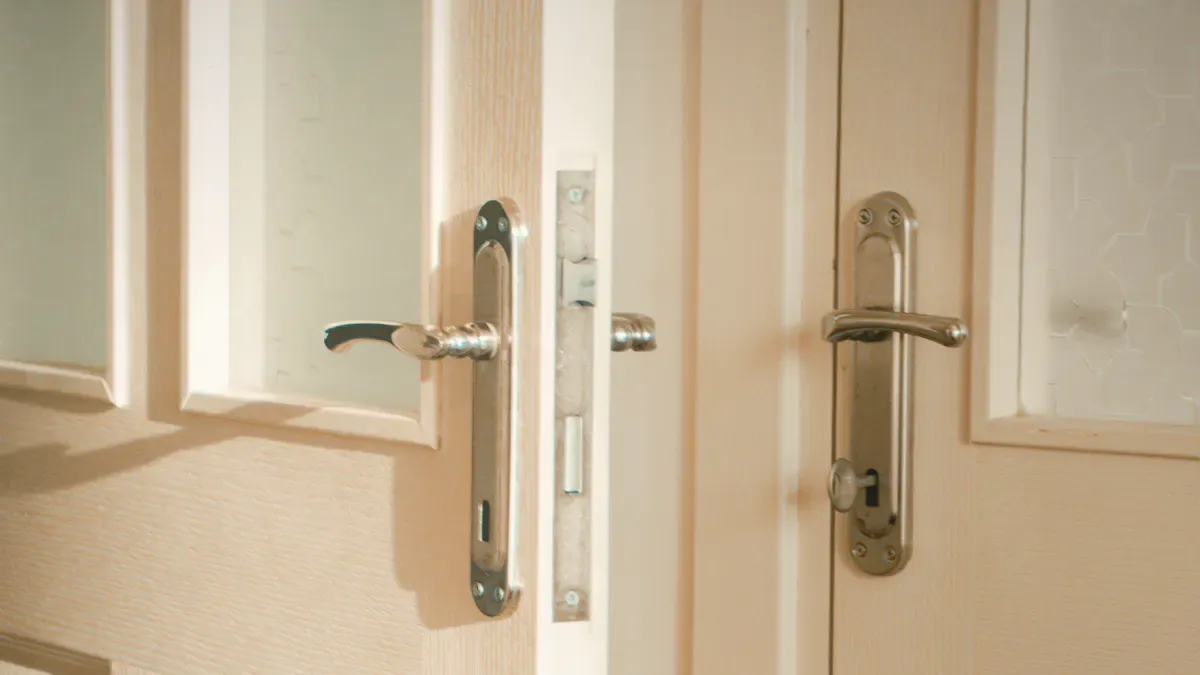
Standard automatic swing doors operate using sensors, such as radar or touchless technology. These doors find extensive use in sterile areas like intensive care units (ICUs) and operating rooms. Their design emphasizes hygiene, featuring touchless operation and hermetic sealing to maintain sterility. The following table summarizes the key differences between standard automatic swing doors and other types of automatic doors:
| Feature | Automatic Swing Doors | Other Types of Automatic Doors |
|---|---|---|
| Mechanism | Operated by sensors (e.g., radar, touchless) | Varies (e.g., sliding, folding) |
| Application in Hospitals | Used in sterile areas like ICUs and operating rooms | General access areas, less focus on hygiene |
| Hygiene Features | Touchless operation, hermetic sealing for sterility | May not have hermetic sealing, focus on convenience |
Low Energy Automatic Swing Doors
Low energy automatic swing doors are ideal for healthcare environments where patient flow is essential. They facilitate smooth movement while minimizing contact points, which helps maintain hygiene standards. These doors are particularly beneficial in clinics and outpatient facilities. Their design reduces the risk of cross-contamination by eliminating the need for physical contact with surfaces and handles.
- They support seamless entry for patients and staff.
- They enhance safety by reducing the transmission of germs.
High Energy Automatic Swing Doors
High energy automatic swing doors cater to high-traffic areas within hospitals. These doors ensure a seamless flow of people, facilitating quick and efficient movement. Their hands-free access feature is crucial in busy environments, allowing for smoother transitions for both patients and staff.
- They comply with ADA regulations, making them accessible for individuals with mobility challenges.
- The M-Force swing door operator automates these doors, enhancing operational efficiency while ensuring quiet and smooth operation.
These features are vital in maintaining a conducive environment in healthcare settings, where efficiency and accessibility are paramount.
Automatic Sliding Door Operator
Automatic sliding door operators serve as a vital component in hospital environments. These systems enhance accessibility and streamline patient flow. They allow for hands-free entry, which is particularly beneficial for medical staff carrying equipment or assisting patients.
The advantages of automatic sliding doors include:
- High dynamic acceleration: This feature enhances efficiency, allowing doors to open quickly when needed.
- Independent power supply: This increases operational power, ensuring that doors function reliably even during power fluctuations.
- Intelligent controllers: These systems provide stability and reliability, adapting to varying traffic conditions.
- Foot sensors: These sensors enable hands-free access, which is crucial for healthcare professionals who often have their hands full.
However, there are some disadvantages to consider. Automatic sliding doors require a constant power supply, which can raise energy consumption concerns. Additionally, the initial costs and maintenance expenses tend to be higher compared to manual swing doors.
Despite these drawbacks, the benefits of automatic sliding door operators often outweigh the challenges. Hospitals can improve operational efficiency and enhance patient experience by implementing these systems. The seamless access provided by sliding doors contributes to a more organized and efficient healthcare environment.
Applications in Healthcare Settings
Emergency Room Access
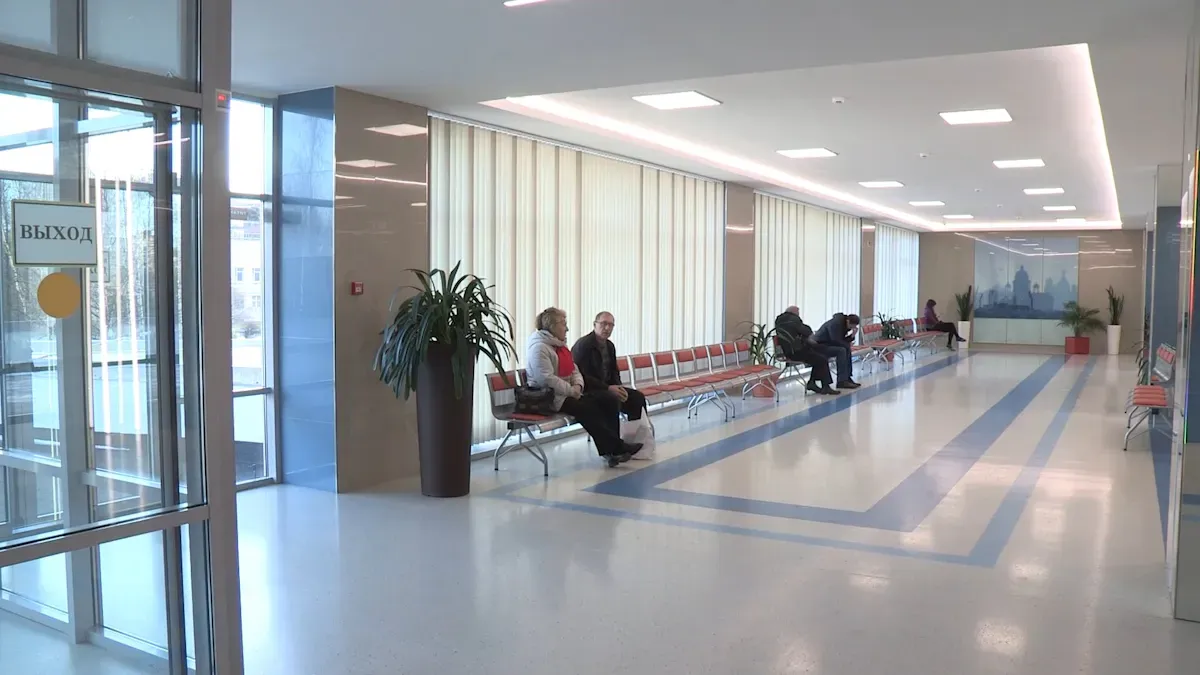
Automatic swing door openers significantly enhance access to emergency rooms. They provide quick, barrier-free entry, which is essential during critical situations. The following benefits highlight their importance:
- They eliminate the need for manual operation, allowing medical staff to move swiftly with equipment and patients.
- The robust design withstands frequent use, ensuring reliability in high-pressure environments.
- Emergency overrides are available for power failures, maintaining functionality when it matters most.
These features collectively improve the efficiency of emergency response, ensuring that patients receive timely care.
Patient Room Entrances
Automatic swing doors also play a vital role in patient room entrances. They enhance accessibility for all individuals, including those with disabilities, elderly patients, and those carrying heavy items. The following table summarizes the benefits of automatic doors in this context:
| Benefit | Description | Example |
|---|---|---|
| Accessibility | Automatic doors comply with ADA standards, providing easy access for everyone. | An automatic door allows a patient using a wheelchair to enter without assistance. |
By facilitating easier access, these doors contribute to a more inclusive healthcare environment, promoting patient independence and comfort.
Surgical and Procedure Areas
In surgical and procedure areas, automatic swing door openers are crucial for maintaining a sterile environment. Their touchless operation can reduce surface contamination by up to 90%, significantly lowering the risk of healthcare-associated infections (HAIs). Key contributions include:
- Eliminating the need to touch door handles, which are common vectors for pathogens.
- Enhancing workflow efficiency by allowing seamless movement between sterile and non-sterile zones.
- Supporting patient safety in high-demand healthcare settings.
These doors not only improve operational efficiency but also play a critical role in infection control, making them indispensable in surgical environments.
Staff and Supply Entrances
Automatic swing door openers at staff and supply entrances play a vital role in enhancing hospital operations. These systems not only improve accessibility but also contribute to a safe and sterile healthcare environment. Here are some key benefits of using automatic doors in these areas:
- Safety and Sterility: Automatic doors help maintain a clean environment, which is crucial in hospitals. They minimize the risk of contamination by reducing physical contact with surfaces.
- Welcoming Entry Points: These doors provide a functional and inviting entry for staff, patients, and visitors. Their design supports a smooth flow of traffic, which is essential in busy healthcare settings.
Accessibility is another significant advantage of automatic swing doors. They cater to individuals with mobility challenges, such as wheelchair users, children, and the elderly. By eliminating the need for manual operation, these doors reduce the risk of germ transmission. This feature is particularly important in hospitals, where hygiene is paramount.
Moreover, automatic doors enhance operational efficiency. Staff and supply personnel can move quickly without needing to stop and open doors manually. This efficiency is crucial during peak hours when time is of the essence.
Safety Features of Automatic Swing Door Openers
Sensor Technology
Sensor technology plays a pivotal role in enhancing the safety of automatic swing door openers in hospitals. These systems utilize advanced sensors to facilitate hands-free operation, which significantly reduces the risk of contamination. The benefits of sensor technology include:
- Hands-Free Operation: Sensors allow doors to open automatically, minimizing the need for physical contact. This feature is crucial in maintaining hygiene standards in healthcare settings.
- Emergency Evacuation: In critical situations, sensor-equipped doors open automatically, preventing obstructions and facilitating easier evacuation.
- Bacterial Reduction: By eliminating the need to touch door handles, sensor technology minimizes the spread of bacteria commonly found on surfaces, promoting a healthier environment for patients and staff.
Emergency Stop Functions
Emergency stop functions are essential safety features in automatic swing door openers. These functions enhance safety for both patients and staff by providing immediate control over the door’s operation. Key aspects include:
- Manual Activation: Emergency stop buttons can be activated to halt the door’s motion during emergencies, ensuring that individuals can safely navigate through the area.
- Force Sensing Technology: This technology enables the door to detect resistance when encountering an obstruction. If an object or person blocks the door, it stops and reverses, preventing injury and ensuring a safer environment.
Safety Edges and Anti-Collision Systems
Safety edges and anti-collision systems further enhance the safety of automatic swing door openers. These features are designed to protect individuals from potential accidents. The advantages include:
- Safety Edges: These edges are equipped with sensors that detect contact with an object or person. When contact occurs, the door immediately stops and reverses, reducing the risk of injury.
- Anti-Collision Systems: These systems adjust the door’s opening speed when an obstruction is detected, ensuring that the door does not close too quickly and potentially harm someone.
The integration of these safety features not only protects patients and staff but also contributes to a more efficient and secure healthcare environment.
| Feature | Description |
|---|---|
| Safety | Eliminates the need to push/pull doors, reducing injury risks. |
| Hassle-free access | Provides easy entry and exit for patients and the elderly. |
| Improved movement flow | Enhances pedestrian flow, reducing overcrowding during busy times. |
| Security access | Offers secure access to restricted areas with sophisticated designs. |
| Energy efficiency | Automatically closes after use, minimizing air exchange in temperature-controlled environments. |
| Obstruction sensing | Adjusts opening speed when an obstruction is detected. |
| Adjustable features | Customizable speeds and time intervals for opening and closing. |
Hinge Area Protection
Hinge area protection is a critical safety feature in automatic swing door openers, especially in hospital environments. This protection ensures that the door’s hinge mechanism operates safely and efficiently, minimizing the risk of injury to patients and staff. Here are some key aspects of hinge area protection:
-
Safety Sensors: Many automatic swing doors incorporate safety sensors around the hinge area. These sensors detect any obstruction, such as a person or object, and prevent the door from closing. This feature significantly reduces the risk of pinching or crushing injuries.
-
Hinge Guards: Hinge guards are physical barriers that cover the hinge area. They prevent fingers or other body parts from getting caught in the hinge mechanism. This design is particularly important in high-traffic areas where children or individuals with limited mobility may be present.
-
Durable Materials: Manufacturers often use durable materials for hinge components. These materials withstand frequent use and resist wear and tear. A robust hinge mechanism ensures that the door operates smoothly, reducing the likelihood of malfunctions that could lead to accidents.
Tip: Regular maintenance of the hinge area is essential. Hospital staff should inspect the hinges periodically to ensure they function correctly and that safety features remain intact.
The integration of hinge area protection not only enhances safety but also promotes a more efficient workflow in hospitals. By preventing accidents, these features contribute to a safer environment for both patients and healthcare professionals.
| Feature | Benefit |
|---|---|
| Safety Sensors | Detects obstructions, preventing door closure and reducing injury risks. |
| Hinge Guards | Protects against pinching injuries, especially in high-traffic areas. |
| Durable Materials | Ensures longevity and reliability of the door mechanism, minimizing maintenance needs. |
Installation Considerations
Space and Structural Requirements
When installing automatic swing door openers in hospitals, proper space and structural requirements are crucial. The following table outlines the minimum specifications necessary for effective installation:
| Requirement | Specification |
|---|---|
| Minimum clear width | 32 inches minimum, 36 inches preferred |
| Minimum latch-side clearance (pull side, front approach) | 18 inches |
| Minimum latch-side clearance (push side, front approach) | 12 inches |
| Maneuvering space for wheelchairs | 60-inch turning radius required |
These specifications ensure that the doors accommodate various users, including those in wheelchairs. Safety mechanisms, such as safety reversing sensors and anti-crush technology, further enhance the operational safety of these doors.
Compliance with Accessibility Standards
Automatic swing door openers must comply with accessibility standards, such as those outlined by the Americans with Disabilities Act (ADA). Key requirements include:
- Minimum clear width of at least 32 inches for wheelchair access.
- Maximum sill height of 0.25 inches to prevent tripping hazards.
- Controlled opening and closing speed of 3–4 seconds to ensure safety.
- A manual release mechanism during emergencies.
These standards ensure that all individuals, regardless of mobility, can access hospital facilities safely and efficiently.
Integration with Existing Systems
Integrating automatic swing door openers with existing hospital security and access control systems requires careful planning. Key considerations include:
- Ensuring adequate space for installation.
- Selecting the appropriate size of the opener.
- Verifying the required electrical source and voltage.
Automatic doors can connect with various electronic sensors and access control systems. Options include push plates, wall switches, presence sensors, and wireless controls. This integration enhances security while maintaining compliance with safety codes.
Tip: Proper placement of sensors and push-buttons is essential to prevent injuries and ensure smooth operation.
By addressing these installation considerations, hospitals can enhance accessibility and safety for all users.
Compliance with Safety Codes
Compliance with safety codes is essential when installing automatic swing door openers in hospitals. These codes ensure that the doors operate safely and effectively, protecting both patients and staff. Hospitals must adhere to several key safety codes, including:
-
National Fire Protection Association (NFPA) Codes: These codes govern the installation of doors in healthcare facilities. They ensure that doors do not obstruct emergency exits and that they can withstand fire hazards.
-
Americans with Disabilities Act (ADA): This act mandates accessibility standards for public facilities. Automatic swing doors must meet specific width and height requirements to accommodate individuals with disabilities.
-
International Building Code (IBC): The IBC outlines structural safety requirements for buildings, including door installations. Hospitals must ensure that automatic doors can withstand high traffic and are securely anchored.
-
Occupational Safety and Health Administration (OSHA) Regulations: OSHA sets forth guidelines to ensure workplace safety. Hospitals must comply with these regulations to protect staff from potential hazards associated with automatic doors.
Tip: Regular audits and inspections can help hospitals maintain compliance with these safety codes.
In addition to adhering to these codes, hospitals should also consider the following best practices:
-
Training Staff: Staff should receive training on the proper use and emergency procedures related to automatic doors. This training enhances safety and ensures that everyone knows how to respond in case of a malfunction.
-
Routine Maintenance: Regular maintenance checks can identify potential issues before they become serious problems. Hospitals should schedule inspections to ensure that all safety features function correctly.
-
Documentation: Keeping detailed records of compliance efforts is crucial. Hospitals should document inspections, maintenance, and any modifications made to the door systems.
By prioritizing compliance with safety codes, hospitals can create a safer environment for patients and staff. This commitment to safety not only protects individuals but also enhances the overall efficiency of hospital operations.
Factors to Consider When Selecting a System
Traffic Flow and Usage Patterns
When selecting automatic swing door openers, hospital administrators must assess traffic flow and usage patterns. Understanding how many people will use the doors daily helps determine the appropriate type of opener. High-traffic areas, such as emergency rooms and surgical suites, require robust systems that can handle frequent use. Key considerations include:
- Size and weight of the door: The operator must manage the door’s weight and size effectively.
- Traffic patterns: The system should accommodate expected usage, especially in busy zones.
Maintenance and Support Services
Regular maintenance is crucial for ensuring the longevity and reliability of automatic swing door openers. Hospitals should implement a maintenance schedule that includes:
- Checking infrared or motion sensors monthly.
- Keeping tracks and thresholds clean.
- Applying lubricant every 3–6 months.
- Verifying door panel alignment periodically.
Additionally, hospitals should conduct thorough inspections at least once a year. More frequent checks may be necessary in high-traffic areas or harsh conditions. This proactive approach helps prevent malfunctions and ensures safety.
Budget and Cost Considerations
Budget constraints often influence the selection of automatic swing door systems. However, investing in quality systems can lead to long-term savings. Consider the following factors:
- Energy efficiency: Many automatic swing doors are designed to reduce energy costs.
- Compliance with regulations: Adhering to building codes and accessibility standards helps avoid legal penalties.
- Maintenance costs: Reliable systems typically require less maintenance, further reducing expenses.
| Factor | Description |
|---|---|
| Size and weight of the door | The operator must handle the door’s weight and size to function properly without strain. |
| Traffic patterns and usage | The operator should accommodate the expected frequency of use, especially in high-traffic areas. |
| Power usage and efficiency | Energy-efficient operators save costs and are environmentally friendly. |
| Noise level | Quiet operation is crucial in sensitive environments like hospitals to avoid disturbances. |
| Safety features | Essential safety features include sensors and emergency stop buttons to prevent accidents. |
| Cost and budget considerations | Comparing costs, including installation and maintenance, is vital for budget management. |
By carefully evaluating these factors, hospital administrators can select automatic swing door openers that enhance accessibility, improve safety, and contribute to operational efficiency.
Automatic swing door openers significantly enhance hospital accessibility. They provide hands-free access, which is crucial for patients and staff. These systems improve operational efficiency by streamlining movement in busy healthcare environments.
Key safety features protect both patients and staff. These include:
- Compliance with safety standards, ensuring regulatory demands are met.
- Infection control measures that reduce cross-contamination risks.
- Emergency access protocols that facilitate rapid evacuation during crises.
Hospital administrators should consider implementing these systems. Doing so can lead to improved patient outcomes and a safer environment for all.
| Safety Feature | Description |
|---|---|
| Compliance with safety standards | Ensures that doors meet regulatory demands for safety in healthcare environments. |
| Infection control measures | Touchless operation reduces cross-contamination risks, essential for maintaining hygiene. |
| Emergency access protocols | Design allows for rapid evacuation and access during emergencies, crucial for patient safety. |
FAQ
What are the benefits of automatic swing door openers in hospitals?
Automatic swing door openers enhance accessibility, reduce physical strain, and improve patient flow. They minimize contact points, promoting hygiene and safety for both patients and staff.
How do automatic swing doors improve safety in healthcare settings?
These doors feature advanced sensor technology, emergency stop functions, and anti-collision systems. Such features prevent accidents and ensure safe operation in busy hospital environments.
Are automatic swing doors compliant with ADA standards?
Yes, automatic swing doors meet ADA standards. They provide sufficient width and ease of access for individuals with disabilities, ensuring compliance with accessibility regulations.
What maintenance is required for automatic swing door openers?
Regular maintenance includes checking sensors, cleaning tracks, and lubricating moving parts. Hospitals should schedule inspections to ensure optimal performance and safety.
Can automatic swing doors be integrated with existing security systems?
Yes, automatic swing doors can integrate with existing security systems. They can connect to access control devices, enhancing security while maintaining ease of access for authorized personnel.