
Introduction
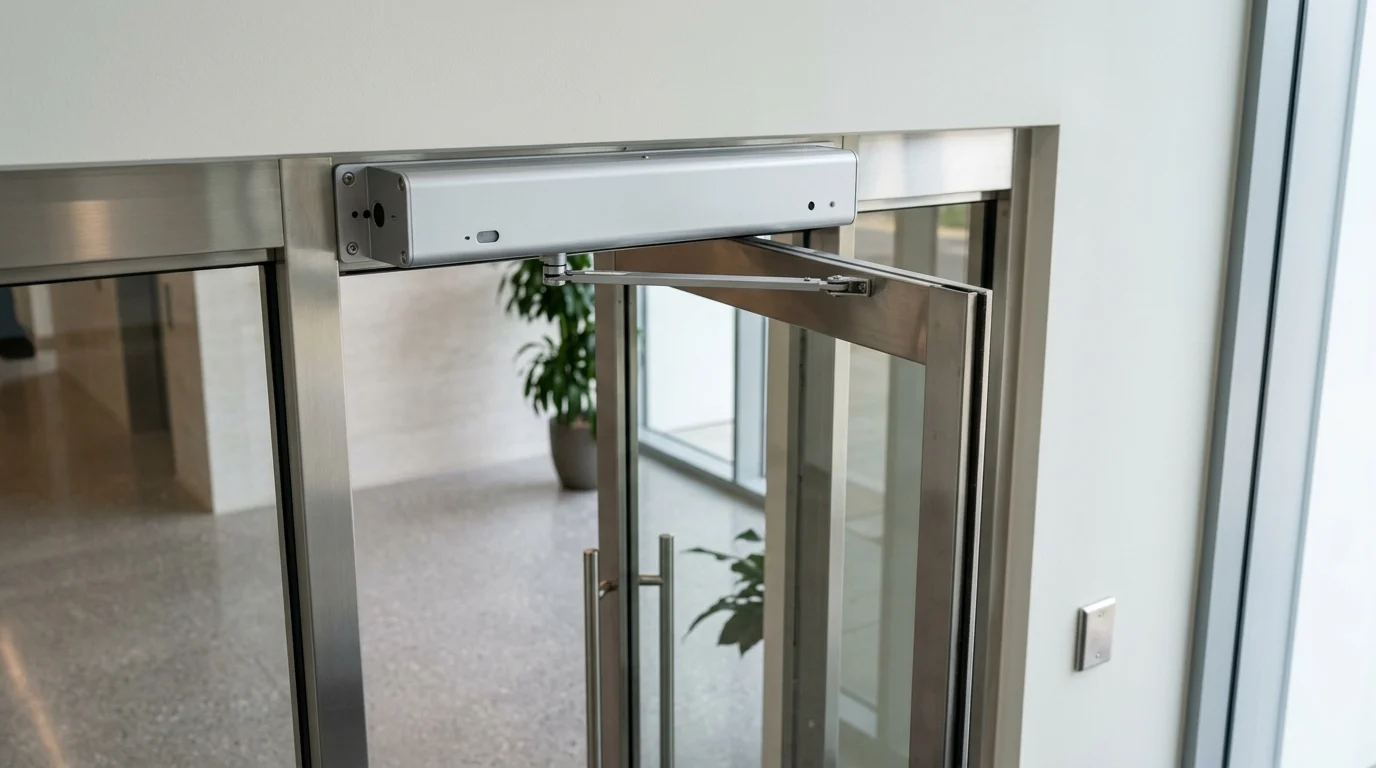
Material selection plays a direct role in how well a swing door operator resists wear, corrosion, and repeated daily cycles. Components exposed to moisture, temperature swings, and constant mechanical stress can fail early if their alloys, bearings, housings, or internal gears are not designed for those conditions. This article explains which materials tend to last longer, how they affect maintenance needs and lifecycle cost, and what to look for when comparing operator assemblies for commercial or high-traffic entrances. With that context, the discussion can move from general durability concerns to the specific metals, coatings, and engineered parts that make a meaningful difference in service life.
Why Material Choice Matters for Swing Door Operators
The operational lifespan of automated access systems heavily relies on the physical composition of their core components. For swing door operators, selecting the correct materials is the primary defense against mechanical failure, environmental degradation, and rising maintenance expenses. Industry data suggests that premium materials can extend an operator’s lifespan to 15 years or more, whereas substandard alloys may fail within 36 to 48 months under similar stress.
Durability, maintenance, and lifecycle cost
Durability directly impacts the total lifecycle cost of a building’s entrance infrastructure. While premium materials like high-grade stainless steel carry a higher initial procurement cost, they drastically reduce the frequency of component replacement and emergency servicing. Facility managers evaluating lifecycle costs often find that operators built with robust materials yield a return on investment within the first five years, primarily through a 40% to 60% reduction in maintenance interventions.
Operating conditions that cause early wear
Swing door operators face rigorous operating conditions, ranging from extreme temperature fluctuations to continuous mechanical stress. In high-traffic commercial environments, a single door may experience upwards of 1,500 open-and-close cycles daily. If the internal gears or outer housings are made from inferior metals or standard plastics, this volume leads to rapid abrasive wear. Additionally, exposure to coastal environments introduces saline humidity, which accelerates galvanic corrosion in mismatched metals, leading to premature structural failure.
Best Materials for Long-Lasting Swing Door Operators
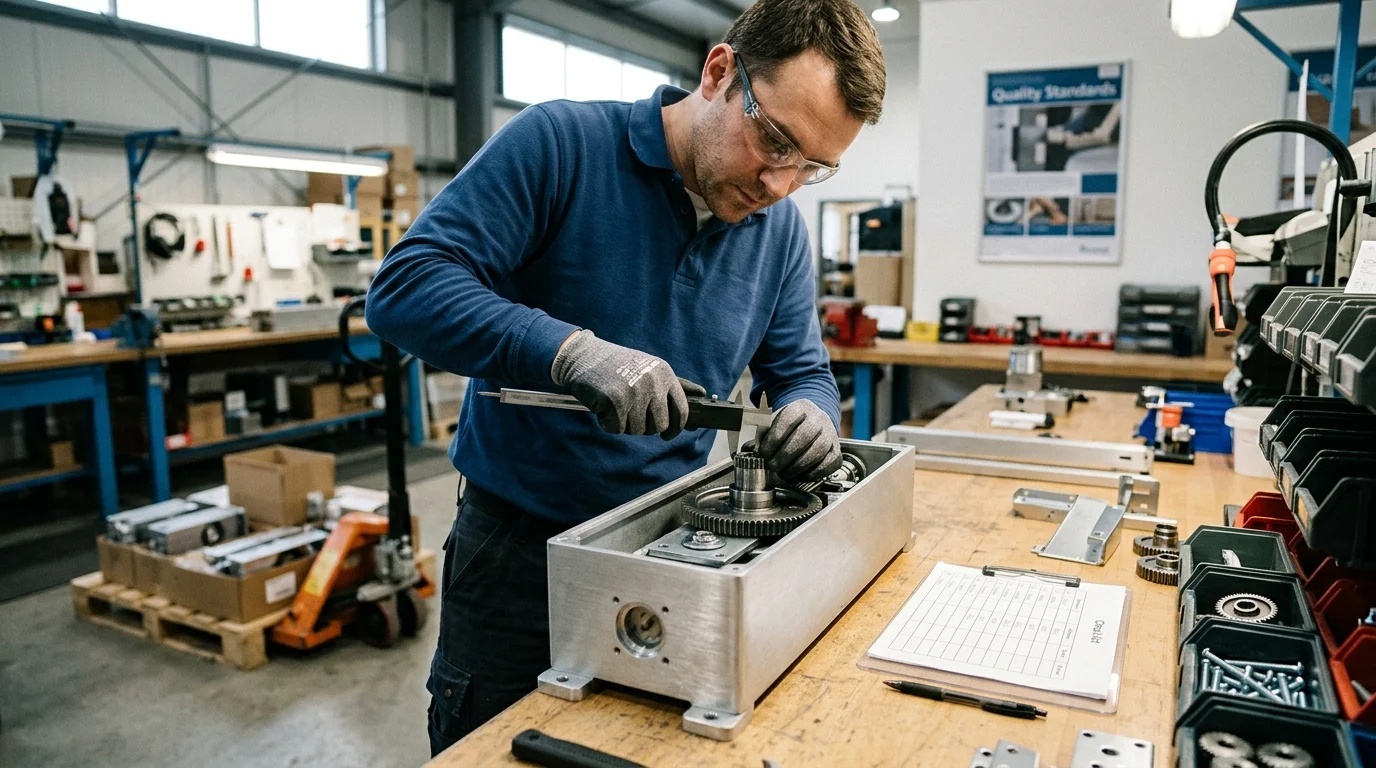
Engineers and manufacturers rely on a specific spectrum of metals and polymers to balance weight, strength, and corrosion resistance. The material composition must support heavy door leaves—often weighing between 100 kg and 250 kg—without compromising the operator’s motor efficiency or structural integrity over time.
Aluminum, stainless steel, carbon steel, and engineered polymers
Extruded aluminum is the industry standard for operator housings due to its excellent strength-to-weight ratio and natural resistance to oxidation. For environments requiring maximum durability, such as hospitals or heavy industrial sites, Grade 304 or 316 stainless steel offers superior impact resistance and hygiene control. Carbon steel is occasionally utilized for heavy-duty mounting brackets but requires rigorous powder coating to prevent rust. Engineered polymers, such as glass-filled nylon, are increasingly used for non-load-bearing covers to reduce overall unit weight and manufacturing costs.
Internal component materials for long-term performance
The internal mechanics dictate the true longevity of the operator. High-wear components, particularly the reduction gears and pinion shafts, must be machined from hardened alloy steel or phosphor bronze to withstand continuous torque. Springs, which store the energy required for mechanical closure during power failures, are typically manufactured from high-tensile silicon-chrome steel wire. Using self-lubricating polymers like polyacetal (POM) for internal bushings can reduce friction coefficients by up to 30%, significantly extending the life of the motor assembly.
Strength, corrosion resistance, and cost comparison
Comparing materials requires evaluating their mechanical properties against their market price. Facility planners must weigh these factors to determine the most cost-effective solution for their specific architectural needs.
| Material | Primary Application | Tensile Strength (MPa) | Corrosion Resistance | Relative Cost |
|---|---|---|---|---|
| Extruded Aluminum (6061) | Housings, Tracks | 276 – 310 | High | Moderate |
| Stainless Steel (Grade 316) | Covers, Heavy-duty Arms | 500 – 550 | Very High | High |
| Hardened Alloy Steel | Gears, Pinions | 800 – 1200 | Low (Requires oil) | Moderate |
| Phosphor Bronze | Worm Gears | 300 – 450 | High | High |
| Polyacetal (POM) | Bushings, Spacers | 60 – 70 | Very High | Low |
How to Evaluate Material Specs and Compliance
Procuring reliable swing door operators requires strict attention to international standards and material specifications. Ensuring that materials meet recognized benchmarks, such as those published by the International Organization for Standardization, guarantees that the product will perform safely under specified loads and environmental conditions. Commercial-grade operators must typically pass rigorous endurance tests exceeding 1,000,000 operations to achieve certification.
Material grades, coatings, and surface treatments
Raw materials rarely perform optimally without appropriate surface treatments. Aluminum housings are typically subjected to hard-coat anodizing, which creates an aluminum oxide layer roughly 15 to 25 microns thick, vastly improving scratch and weather resistance. For carbon steel components, electrostatic powder coating or hot-dip galvanizing is mandatory to prevent oxidation. When evaluating specifications, buyers should verify the exact grade of the alloy; for instance, specifying 316L stainless steel rather than standard 304 ensures a lower carbon content, which minimizes carbide precipitation and localized corrosion during the welding process.
Fire ratings, accessibility, and ingress protection
Compliance with life safety and accessibility codes dictates specific material requirements. Fire-rated doors require operators with internal components that can withstand extreme temperatures without melting or collapsing; these are often certified to maintain integrity for 90 to 180 minutes under active fire conditions. Furthermore, operators installed on exterior doors must feature robust ingress protection. An IP54 rating is generally sufficient for sheltered exterior use, but environments exposed to direct rain or high-pressure washdowns demand materials and seals capable of achieving an IP65 rating to prevent water and dust from degrading the internal electronics and motors.
Sourcing and Installation Practices That Extend Service Life
Even the highest-grade materials will fail prematurely if they are improperly manufactured or installed. The longevity of swing door operators is a combination of rigorous manufacturing tolerances—often requiring precision machining down to 0.05 mm—and meticulous field execution. Effective sourcing and installation strategies are non-negotiable for maximizing the service life of automated entrances.
Supplier quality, traceability, and manufacturing standards
Securing durable operators begins with vetting supplier quality and demanding material traceability. Reputable manufacturers operate under strict quality management systems and can provide material test reports (MTRs) to verify the chemical composition of their metals. This transparency prevents the infiltration of counterfeit or substandard alloys into the supply chain. Buyers should prioritize suppliers who adhere to global manufacturing standards and maintain rigorous inbound quality control, ensuring that every gear, spring, and housing meets the specified mechanical thresholds before assembly.
Installation, environmental fit, and preventive maintenance
The physical installation process is equally critical to material longevity. If a heavy-duty stainless steel operator is mounted to a weak door frame or improperly aligned, the resulting mechanical binding will generate excessive shear forces on the internal gears, stripping them regardless of their material hardness. Installers must adhere to precise torque specifications for all mounting hardware. Following installation, establishing a preventive maintenance schedule—typically requiring comprehensive inspections and lubrication every 6 to 12 months—ensures that moving parts remain free of abrasive debris and that protective coatings remain intact against environmental wear.
Choosing the Best Long-Term Material Strategy
Formulating a long-term strategy for swing door operators requires moving beyond initial capital expenditure (CAPEX) to consider the total cost of ownership (TCO). Investing in superior materials typically incurs a 20% to 35% premium at the time of purchase, but this cost is rapidly offset by reductions in operational downtime, emergency repair invoices, and premature system replacements.
Balancing upfront cost and total cost of ownership
Evaluating the total cost of ownership reveals the financial advantage of specifying high-durability materials. A standard aluminum and plastic operator may cost less initially, but high failure rates in heavy-traffic zones drive up lifecycle costs. Conversely, a premium operator featuring hardened steel internals and stainless steel housings ensures sustained performance.
| Cost Component | Standard Material Operator | Premium Material Operator |
|---|---|---|
| Initial Purchase & Installation | $1,500 | $2,100 |
| Annual Maintenance (Average) | $300 | $100 |
| Expected Lifespan | 5 Years | 15 Years |
| Replacements over 15 Years | 2 (Total $3,000) | 0 (Total $0) |
| Total 15-Year TCO | $9,000 | $3,600 |
Decision criteria for matching operators to applications
The ultimate decision must be guided by matching the material specifications directly to the intended application. For interior office doors with moderate traffic, standard extruded aluminum housings and synthetic polymer gears provide an optimal balance of cost and quiet operation. However, for exterior retail entrances, hospital corridors, or industrial facilities, decision-makers must prioritize heavy-duty alloys, IP65-rated enclosures, and corrosion-resistant coatings. By accurately assessing daily cycle counts, environmental exposure, and security requirements, facility planners can select a material strategy that guarantees reliable, long-lasting automated access.
Key Takeaways
- The most important conclusions and rationale for Swing Door Operators
- Specs, compliance, and risk checks worth validating before you commit
- Practical next steps and caveats readers can apply immediately
Frequently Asked Questions
Which housing material lasts longest in swing door operators?
Extruded aluminum is the common long-life choice for housings. In corrosive or washdown settings, 304 or 316 stainless steel usually lasts longer and needs less upkeep.
What internal materials best resist wear in a swing door operator?
Use hardened alloy steel or phosphor bronze for gears, silicon-chrome steel for springs, and POM bushings to lower friction and extend motor life.
Is stainless steel worth the higher cost?
Often yes for hospitals, coastal sites, and heavy-use entrances. Its corrosion resistance can cut service calls and replacement frequency over the operator’s life.
Which material is best for coastal or humid installations?
Grade 316 stainless steel performs best near salt air. Pair it with compatible metals and proper coatings to reduce galvanic corrosion and premature failure.
How can buyers verify a durable swing door operator?
Check published material grades, coating details, and endurance ratings. On AutomaticDoorBlog.com topics, look for operators tested to high cycle counts and compliant with recognized standards.