
Automatic Door Safety IR Sensor Working Principle Explained
Automatic door safety IR sensors are critical components that detect motion and presence to prevent accidents at entrances. Understanding the working principle of these infrared-based safety devices helps facility managers and installers ensure proper functionality and compliance with safety standards. For comprehensive information about automatic door products, motors, and accessories, consult manufacturer documentation. This guide explains how IR sensors work, their types, installation requirements, and maintenance practices for automatic door systems.
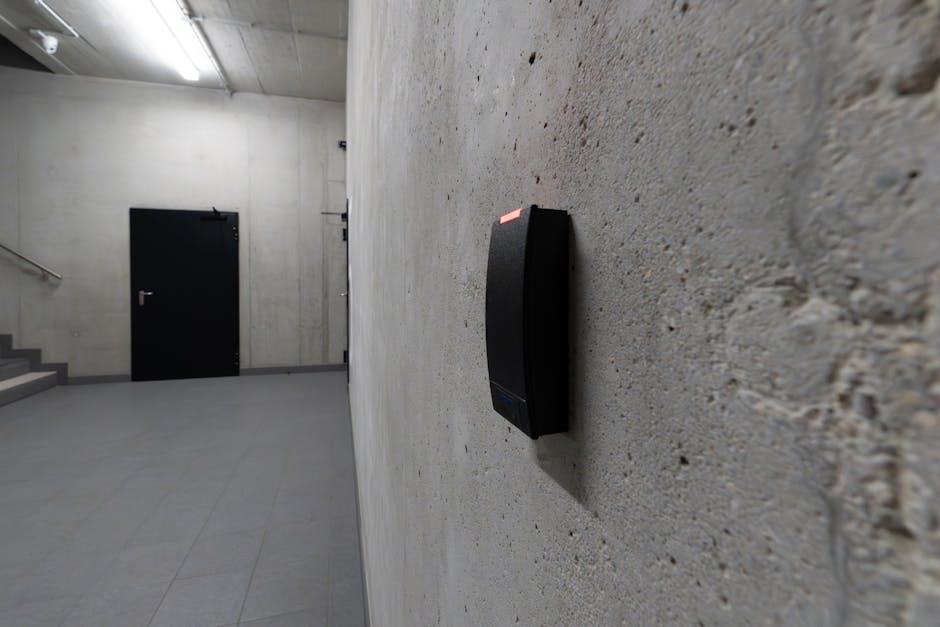
What Is an Automatic Door Safety IR Sensor?
An automatic door safety IR sensor is an electronic device that uses infrared light to detect the presence of people or objects in a designated zone. These sensors emit invisible infrared radiation and analyze reflected signals to determine if someone is approaching, present, or exiting through the doorway. The primary function is to keep the door open while users pass through and prevent the door from closing on individuals or objects in the threshold area.
Safety IR sensors differ from basic motion detectors in their sensitivity and detection pattern. While standard motion sensors detect general movement within a wide area, door safety sensors create precise detection zones that cover the full swing path of the door. Modern automatic door systems typically incorporate multiple sensor types working in tandem to provide comprehensive coverage.
How Does the IR Sensor Working Principle Function?
The IR sensor working principle relies on the emission and detection of infrared light waves. The sensor contains an infrared LED that emits a beam of IR light at a specific frequency, typically in the 850nm to 950nm wavelength range. When this invisible light hits an object or person, it reflects back toward the sensor’s receiver unit.
The detection process involves several key stages working in sequence. First, the LED emitter projects modulated IR light pulses across the detection zone. Second, the photodiode receiver captures any reflected energy from objects in the path. Third, the sensor’s microcontroller analyzes the signal strength and pattern to determine if the detection is valid. Finally, the sensor outputs a signal to the door controller to maintain door position accordingly.
The modulation of IR signals prevents interference from ambient light sources such as sunlight, fluorescent lighting, and other infrared-emitting devices. This ensures reliable operation across various environmental conditions and lighting scenarios typical in commercial buildings.
Types of IR Sensors Used in Automatic Doors
Active infrared sensors are the most common type used in automatic door safety applications. These sensors continuously emit and receive IR energy, creating an invisible protection curtain across the door opening. Active sensors excel at detecting stationary or slow-moving objects that might otherwise go unnoticed by motion-only devices.
Passive infrared sensors detect body heat and movement without emitting any energy. While less common as primary safety sensors, they serve useful secondary functions in automatic door systems. Many modern installations combine both active and passive technologies to achieve comprehensive detection coverage.
Safety light curtains represent an advanced application of IR technology in door systems. These arrays create a dense grid of infrared beams that provide extremely precise detection along the entire door edge. Light curtains meet the most stringent safety requirements defined by the International Organization for Standardization (ISO) in their door safety standards.
Key Components of an IR Safety Sensor System
The primary components include the sensor housing, infrared LED array, photodetector, signal processing electronics, and output relays. Quality sensors feature adjustable detection ranges, configurable detection patterns, and diagnostic LEDs for troubleshooting. Many units also include built-in heater elements to prevent condensation and ensure reliable operation in cold environments.
Modern sensors connect to door controllers through standard interfaces, typically providing relay outputs for door hold-open signals and safety reverse inputs. This standardized approach simplifies integration with various automatic door products and operators from different manufacturers.
Detection Patterns and Coverage Zones
Effective safety coverage requires properly configured detection zones that address all potential hazard areas. The primary detection zone covers the threshold area where the door meets the floor when closing. Secondary zones extend outward to detect approaching traffic well before they reach the door path.

Swing door sensors typically create a curved detection pattern extending outward from the door hinge area. Sliding door sensors project a fan-shaped zone that covers the entire opening width. Understanding these patterns helps ensure proper sensor placement and alignment during installation.
Safety Standards and Compliance Requirements
Automatic door safety sensors must comply with various regional and international safety regulations. In the United States, sensors used with commercial door operators should meet Underwriters Laboratories (UL) requirements. European installations typically require CE marking demonstrating compliance with EN 16005 standard for power operated pedestrian doors.
The Web Content Accessibility Guidelines also influence automatic door design, ensuring that safety sensors do not create barriers for users with disabilities. Proper sensor placement and timing adjustments ensure doors remain accessible while maintaining safety for all users.
Installation Best Practices for IR Safety Sensors
Proper installation directly impacts sensor performance and system safety. Mount sensors at the correct height, typically 15 to 30 inches above floor level, to detect both standing adults and children. Position sensors to avoid detection gaps that could allow objects to enter the door path undetected.
Consider environmental factors during installation planning. Avoid placing sensors where direct sunlight or reflective surfaces could cause false detections. In areas with extreme temperatures, verify that sensors are rated for the expected operating range and consider units with built-in temperature compensation.
Maintenance and Testing Procedures
Regular testing ensures continued safe operation of IR sensor systems. Monthly testing should include walking through the detection zone to confirm proper door reopening and checking that no dead zones exist along the door threshold. Annual professional inspections should verify alignment, sensitivity settings, and connection integrity.
Common maintenance tasks include cleaning sensor lenses to remove dust and debris accumulation, checking mounting brackets for secure attachment, and verifying that wiring connections remain tight and corrosion-free. Document all test results and maintenance activities for compliance records and warranty purposes.
Troubleshooting Common IR Sensor Issues
Erratic door behavior often indicates sensor problems requiring investigation. If doors close unexpectedly, check for objects in the detection zone and verify sensor alignment. False activations may result from reflective surfaces, vegetation movement visible through nearby windows, or insect accumulation on the lens.
Sensor failure typically manifests as complete loss of detection capability, causing doors to remain closed or fail to reopen. Before replacing sensors, verify power supply voltage, check output relay functionality, and confirm communication with the door controller.
Choosing the Right Sensor for Your Application
Different automatic door types require specific sensor configurations for optimal safety coverage. Sliding doors benefit from wide-angle sensors with extended detection range, while swing doors need sensors optimized for hinge-side coverage. YF150 automatic door motors and similar systems typically pair with sensors rated for high cycle counts in commercial environments.
Heavy-duty applications such as warehouse entrances and industrial facilities require sensors with robust construction and enhanced environmental protection. The YF200 automatic door motor series accommodates sensors designed for intensive use scenarios with extended operational lifespans.
Compact sensor options suit applications where aesthetics and space constraints matter. The BF150 automatic door motor systems integrate seamlessly with slim-profile sensors that maintain safety performance without compromising visual appearance.
High-traffic commercial applications benefit from sensors with adjustable detection algorithms that prevent false triggers while maintaining responsiveness. The YFS150 automatic door motor configurations support advanced sensor options suitable for retail environments, office buildings, and healthcare facilities.
Swing door applications require specialized sensors with mounting options that account for door movement. The YFSW200 automatic swing door motor systems work with sensors designed specifically for hinge-mounted and transom-mounted configurations.
Future Trends in Automatic Door Safety Technology
Advancements in sensor technology continue improving automatic door safety and user experience. Multi-dimensional detection systems combining infrared, microwave, and camera technologies provide enhanced discrimination between pedestrians, vehicles, and environmental noise. These hybrid approaches reduce false activations while maintaining rapid response to genuine safety events.
Artificial intelligence integration enables sensors to learn traffic patterns and optimize door operation accordingly. Smart sensors can distinguish between different user types, adjust detection sensitivity based on weather conditions, and provide predictive maintenance alerts before failures occur. These developments promise safer, more efficient automatic door systems for years to come.
Frequently Asked Questions
How far can IR sensors detect in automatic door applications?
Most automatic door safety sensors detect presence within 6 to 10 feet of the threshold, though detection range is adjustable on most models to suit specific installation requirements.
Can sunlight affect IR sensor operation?
Quality IR sensors use modulated signals and optical filtering to reject ambient light interference, including direct sunlight and artificial lighting sources.
Why do automatic doors sometimes close on people?
Door closing incidents typically result from sensor misalignment, incorrect sensitivity settings, dead zones in detection coverage, or sensor failure requiring maintenance or replacement.
How often should IR safety sensors be tested?
Functional testing should occur monthly, with comprehensive professional inspection annually to ensure compliance with safety standards and manufacturer specifications.
Do IR sensors work in complete darkness?
Yes, IR sensors actively emit infrared light, so they function effectively in dark conditions as well as bright environments without degradation in detection performance.