
Choosing between an Automatic Sliding Door Operator and swing automatic doors can significantly impact functionality and user experience. Key factors influence this decision, including:
- Functionality and Use: Each door type serves different operational demands, making a door operator comparison essential.
- Traffic Flow: Sliding doors excel in high-traffic environments, allowing seamless passage, especially when considering automatic sliding vs swing doors.
- Accessibility Compliance: Both options must meet ADA standards for individuals with mobility challenges.
- Space and Dimensions: Installation requires careful spatial planning.
- Commercial Requirements: Different industries may favor one style over the other based on security and aesthetic needs, leading to the search for the best door operator for retail.
Recent market data shows that sliding doors hold a 40% share and are projected to grow at a CAGR of 5.7% from 2024 to 2034, while swing doors see a slower growth rate of 3.2% annually. Additionally, the durability of sliding swing door operators is a crucial consideration for long-term investment.
Key Takeaways
- Sliding automatic doors are ideal for high-traffic areas, allowing smooth entry and exit, which enhances customer flow.
- Swing automatic doors require more space to operate but offer a traditional aesthetic and lower maintenance needs.
- Consider energy efficiency when choosing doors; sliding doors often provide better insulation, leading to lower utility costs.
- Evaluate the specific needs of your environment; sliding doors suit confined spaces, while swing doors work well in larger areas.
- Both door types can be customized to meet aesthetic and functional requirements, ensuring they fit your business’s unique style.
Functionality of Sliding Automatic Doors
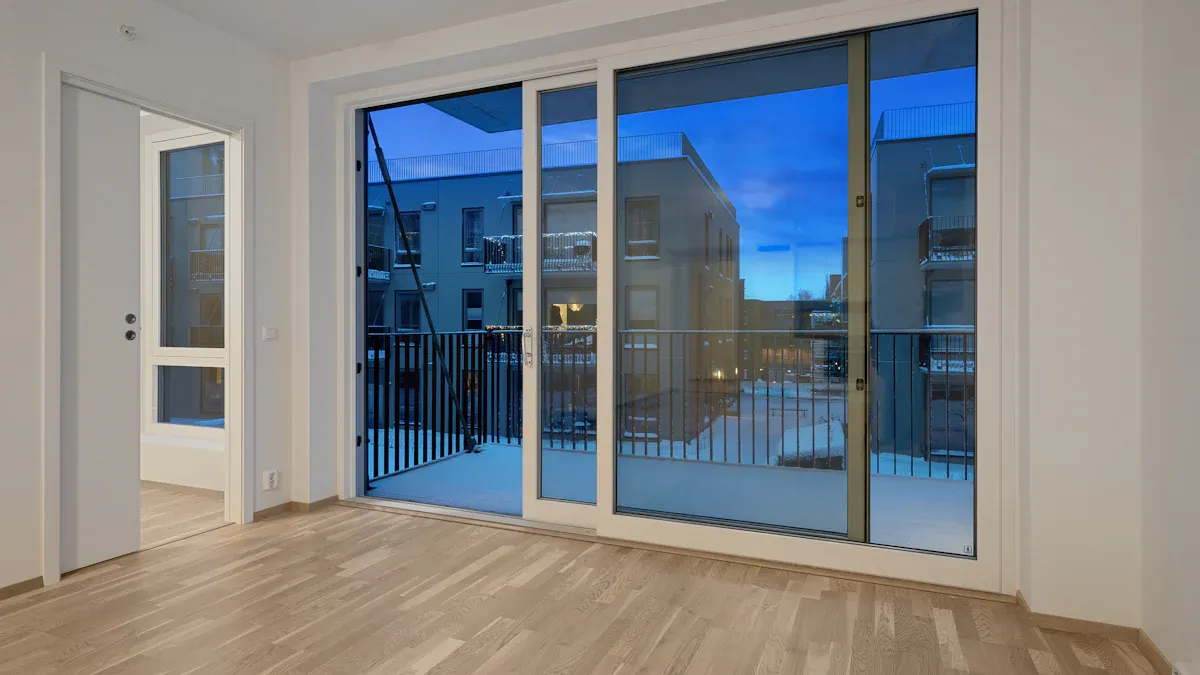
Sliding automatic doors offer a range of functionalities that make them ideal for various commercial applications. These doors utilize advanced technologies to enhance user experience and operational efficiency.
One of the primary mechanisms in sliding automatic door operators is the energy-efficient motor. This motor significantly reduces electricity consumption, making it a cost-effective choice for businesses. Additionally, sliding doors incorporate advanced sensor technology that detects movement with precision. This feature ensures that doors open only when necessary, minimizing energy loss and enhancing safety.
Key Features of Sliding Automatic Doors:
- Automatic Closing Mechanisms: These mechanisms help maintain indoor climate control by reducing air exchange.
- Safety Features: Many sliding doors include safety beam sensors that detect obstacles, preventing accidents during operation.
The reliability of sliding automatic doors is another critical aspect. Regular maintenance can prevent common issues such as misalignment and sensor malfunctions. Here are some maintenance tips to ensure optimal performance:
| Maintenance Tips | Common Issues |
|---|---|
| Keep tracks and sensors clean | Misalignment due to dirt |
| Periodic inspections | Sensor malfunctions |
| Lubricate moving parts | Frequent repairs may indicate replacement needed |
In terms of speed and noise levels, sliding automatic doors generally operate quietly, especially those with belt-driven systems. These systems provide smooth movement, making them suitable for environments where noise is a concern. Conversely, chain-driven systems tend to produce more noise, which may not be ideal for all settings.
Sliding automatic doors also excel in accessibility. They provide a hands-free solution, promoting inclusivity for individuals with mobility challenges. The wide entryway accommodates wheelchair users effectively, and these doors comply with ADA requirements for force and speed, ensuring safe operation for all users.
When it comes to installation, several requirements must be met for optimal functionality:
- Frame Setup: A sturdy frame is essential for supporting the door’s weight.
- Track Installation: The track on which the door will slide must be carefully mounted and aligned.
- Door Panel Setup: The sliding panels are installed on the track to ensure smooth operation.
- Sensor and Motor Installation: The sensors, motor, and control system are connected and calibrated.
The installation process typically takes a few hours to a full day, depending on the complexity of the project. Costs can vary widely based on the type of door and customization, but most installations range between $2,000 and $5,000.
Functionality of Swing Automatic Doors
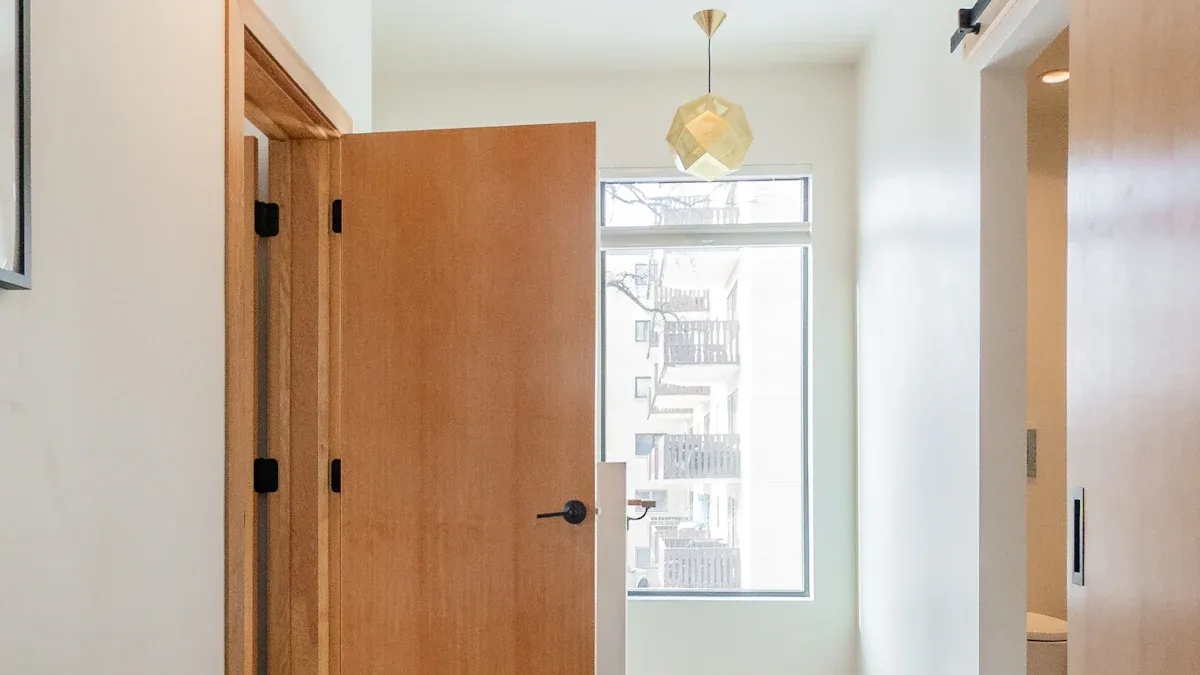
Swing automatic doors operate using a simple yet effective mechanism. These doors swing open and closed on hinges, making them suitable for various environments. Their design allows for easy access, especially in settings where space is not a constraint.
Key Features of Swing Automatic Doors:
- Accessibility: Swing doors can accommodate individuals with mobility challenges. They can be equipped with automatic openers, allowing hands-free operation.
- Aesthetic Appeal: These doors often feature a traditional and elegant design, enhancing the overall look of a building.
- Maintenance: Swing doors typically have fewer moving parts compared to sliding doors. This simplicity leads to lower maintenance needs and costs over time.
In terms of operational efficiency, swing doors may not handle high traffic as effectively as sliding doors. Sliding doors excel in managing large volumes of pedestrian traffic, while swing doors require more clearance for their opening arc. This distinction is crucial for businesses that experience heavy foot traffic.
| Feature | Automatic Sliding Doors | Automatic Swing Doors |
|---|---|---|
| Operational Mechanism | Panels slide horizontally to open and close. | Doors swing open and closed on hinges. |
| Space Efficiency | Requires minimal floor space, ideal for narrow areas. | Needs clearance for the opening arc. |
| Traffic Flow Management | Excels in managing high volumes of pedestrian traffic. | May not handle high traffic as efficiently. |
| Accessibility | Hands-free operation via sensors for easy access. | Can be equipped with push-button or motion sensors. |
| Aesthetics | More modern and contemporary appearance. | Traditional and elegant design. |
| Maintenance Considerations | More components that may require consistent maintenance. | Hinges may wear out frequently and need periodic replacement. |
Swing doors also provide a quieter operation, especially when equipped with disengaging operators. These systems ensure smooth and silent movement, making them suitable for environments where noise levels matter.
For accessibility, swing doors must meet specific requirements. They should have level landings on both sides and additional maneuvering clearances for wheelchair users. Clearances should extend 18 inches to the side and 60 inches away from the door, ensuring a mostly level area. This design promotes safety and ease of use for all individuals.
Cost Comparison
When evaluating the costs associated with automatic doors, both initial investment and long-term operational expenses play crucial roles. The price of an Automatic Sliding Door Operator can vary significantly based on the type of door, installation requirements, and maintenance needs.
Initial Costs
The following table outlines the average cost range for sliding and swing automatic doors, including installation:
| Use Case | Cost Range (USD) | Installation Cost (USD) |
|---|---|---|
| Residential | $2,000 – $10,000 | $600 – $1,000 |
| Commercial | $1,300 – over $10,000 | $1,800 – $3,500 |
Sliding doors generally have a higher upfront cost, especially for commercial applications. However, they often provide better energy efficiency, which can lead to savings over time.
Long-Term Operational Costs
Energy efficiency is a vital factor in the overall cost of automatic doors. Sliding doors tend to offer several advantages in this area:
- Sliding doors provide a tighter seal to prevent cold air from escaping, which is crucial for energy savings.
- They minimize air leakage, essential for maintaining temperature control.
- These doors help regulate HVAC costs, which can account for up to 40% of total building energy consumption.
- Choosing energy-saving sliding doors can lead to lower utility costs and increased property value.
In contrast, swing doors may require more energy to maintain comfortable indoor temperatures due to their design. They often do not seal as tightly as sliding doors, leading to higher heating and cooling costs.
Conclusion on Costs
While the initial investment for sliding automatic doors may be higher, their energy efficiency and lower operational costs can make them a more economical choice in the long run. Businesses and homeowners should consider both upfront and ongoing expenses when deciding between sliding and swing automatic doors.
Aesthetic Appeal
The aesthetic appeal of automatic doors plays a significant role in enhancing the overall look of commercial spaces. Sliding automatic doors often feature sleek, minimal frames that provide unobstructed views. This design enhances the visual connection between interior and exterior spaces. Large glass panels maximize natural light, creating a bright and welcoming environment. These elements contribute to an inviting atmosphere that attracts customers and complements modern architectural styles. For instance, the ASSA ABLOY SL500 CGL model exemplifies this trend, offering captivating entryways with clear views and stylish designs. Such features improve the building’s facade, making entrances more appealing and professional.
On the other hand, swing automatic doors also offer unique aesthetic benefits. Glass swing doors are known for their elegance and functionality. They provide a seamless connection between spaces while allowing natural light to flow freely. The transparent panels create a bright atmosphere, making rooms feel larger and more open. Customization options, such as frosted or tinted glass, enhance privacy while maintaining a modern look. For example, clear glass is ideal for areas like walk-in closets, while frosted glass suits utility rooms, showcasing the versatility of swing door designs.
Both door types can significantly influence the ambiance of a space. Businesses should consider their specific aesthetic goals when choosing between sliding and swing automatic doors. Ultimately, the right choice can elevate the overall design and functionality of a building, making it more attractive to customers and visitors alike.
Space Utilization
Space utilization is a critical factor when choosing between sliding and swing automatic doors. Each type has unique spatial requirements that can significantly impact the layout of a building.
Sliding automatic doors require minimal floor space. They operate by moving horizontally along a track, which allows them to fit into narrow areas. This feature makes them ideal for locations with limited entry space, such as shopping centers or hospitals. Their design eliminates the need for a large swing radius, allowing for more efficient use of available space.
In contrast, swing automatic doors need more room to operate effectively. These doors swing open and closed on hinges, requiring adequate clearance on both sides. For instance, a pull-side front approach necessitates a minimum latch-side clearance of 18 inches and a clear opening width of at least 32 inches. Similarly, a push-side front approach also requires a minimum latch-side clearance of 12 inches with the same clear opening width.
Important Considerations for Swing Doors:
- A 60-inch turning radius must be maintained for wheelchair accessibility.
- The door swing must not overlap required clear floor spaces, especially in tight layouts.
These requirements can limit the placement of swing doors in smaller or more congested areas. Businesses must carefully assess their space before installation to ensure compliance with accessibility standards and to avoid operational issues.
Ultimately, the choice between sliding and swing automatic doors hinges on the specific spatial constraints of the environment. Sliding doors offer a space-efficient solution, while swing doors provide a traditional aesthetic but require more room for operation. Understanding these differences can help businesses make informed decisions that enhance both functionality and accessibility.
Customer Experience
Customer experience plays a vital role in the effectiveness of automatic doors in various settings. Both sliding and swing automatic doors offer unique advantages that enhance user satisfaction.
Sliding automatic doors significantly improve customer flow and convenience, especially in retail environments. They allow for simultaneous entry and exit, effectively managing high customer traffic. This feature is particularly beneficial during peak hours when many customers visit a store. Additionally, sliding doors enhance accessibility for individuals with mobility challenges, such as wheelchair users and parents with strollers. By eliminating the need for manual operation, these doors promote a seamless shopping experience. Their modern design also improves visibility into the store, attracting more customers and creating an inviting atmosphere.
Key Benefits of Sliding Automatic Doors:
- Facilitate simultaneous entry and exit.
- Enhance accessibility for individuals with mobility challenges.
- Allow for flexible store layouts, maximizing usable space.
- Improve visibility into the store, attracting more customers.
In healthcare facilities, swing automatic doors provide essential benefits that enhance the overall customer experience. The following table outlines the key advantages of swing doors in such environments:
| Benefit | Description |
|---|---|
| Accessibility | Automatic doors enhance ease of movement for individuals with disabilities, allowing them to navigate spaces comfortably and independently. |
| Convenience | These doors open without physical effort, benefiting not only those with mobility challenges but also parents with strollers and individuals carrying heavy items. |
| Safety | Equipped with sensors, these doors reduce the risk of accidents in high-traffic areas by preventing premature closure and ensuring safe passage for all users. |
| Hygiene | Automatic doors minimize physical contact, reducing the spread of germs and maintaining higher hygiene standards, which is crucial in healthcare settings. |
Both door types contribute to a positive customer experience by prioritizing accessibility, convenience, and safety. Businesses should carefully consider these factors when selecting the appropriate automatic door operator to enhance their overall service quality.
Application Suitability
Choosing the right automatic door type depends on the specific application and environment. Each door style has unique advantages that make it suitable for different settings.
Sliding automatic doors are ideal for various commercial and residential applications. Common environments include:
- Healthcare
- Airports
- Retail
- Banks
- Office Buildings
These doors work well in areas with limited space, such as banks and airports. Their design allows for efficient traffic flow, making them perfect for high-traffic locations.
Several factors determine the suitability of sliding automatic doors:
| Factor | Description |
|---|---|
| Door Size and Weight | Heavier or larger doors need stronger mechanisms for reliable operation. |
| Traffic Volume | High-traffic areas require drives that can handle frequent use without performance issues. |
| Safety Features | Essential features like sensors and emergency stops are crucial for user safety. |
| Noise Level | Quiet operation is important in sensitive environments like hospitals and libraries. |
| Energy Efficiency | Energy-saving features help reduce costs and support sustainability. |
| Durability and Reliability | High-quality materials and construction ensure long-term performance. |
| Integration Capabilities | Compatibility with existing systems enhances functionality. |
| Customization Options | Custom finishes and configurations allow for tailored solutions. |
| Regulatory Compliance | Adherence to building codes and accessibility standards is necessary for legal compliance. |
On the other hand, swing automatic doors also serve specific applications effectively. They are suitable for environments where space is not a constraint. Key considerations for swing doors include:
- Space Requirements: Evaluates door opening size, installation area, and clearance space to ensure safe operation.
- Power and Maintenance Needs: Considers power supply, energy efficiency, and routine maintenance for reliable door operation.
- Security and Integration: Ensures compatibility with security systems and access control for enhanced safety and management.
In summary, sliding and swing automatic doors each offer distinct advantages. Sliding doors excel in space utilization and traffic flow, making them ideal for high-traffic areas. They require a higher initial investment but provide modern aesthetics and energy efficiency. Conversely, swing doors are more cost-effective and simpler to install, suitable for low-traffic entrances and spacious environments.
| Feature | Automatic Sliding Doors | Automatic Swing Doors |
|---|---|---|
| Space Utilization | Operate along a horizontal track, ideal for confined areas | Require defined swing radius, better for spacious areas |
| Traffic Flow | Allow bidirectional movement, efficient for high traffic | Typically support one-way passage, may cause delays |
| Cost Considerations | Higher initial investment, complex installation | More cost-effective, easier to retrofit |
| Maintenance and Durability | More components, may require frequent maintenance | Simpler operation, potentially lower maintenance needs |
| Aesthetic Integration | Sleek, modern appearance, integrates well with designs | Can be customized but may lack minimalistic impact |
| Application Suitability | Best for high foot traffic areas like malls and hospitals | Suitable for secondary entrances and smaller businesses |
Ultimately, businesses should assess their specific needs and environments when choosing between these two options.
FAQ
What are the main differences between sliding and swing automatic doors?
Sliding doors move horizontally along a track, while swing doors open and close on hinges. Sliding doors are ideal for high-traffic areas, whereas swing doors suit spaces with ample clearance.
Are automatic doors energy-efficient?
Yes, many automatic doors, especially sliding models, feature energy-efficient designs. They minimize air leakage, helping maintain indoor temperatures and reducing HVAC costs.
How do I maintain automatic doors?
Regular maintenance includes cleaning tracks and sensors, lubricating moving parts, and conducting periodic inspections. This practice ensures optimal performance and longevity.
Can automatic doors be customized?
Absolutely! Both sliding and swing automatic doors offer various customization options. Businesses can choose materials, finishes, and sizes to match their aesthetic and functional needs.
Are automatic doors compliant with accessibility standards?
Yes, both sliding and swing automatic doors can meet ADA requirements. They provide hands-free operation and accommodate individuals with mobility challenges, ensuring safe access for all users.