

Selecting the appropriate automatic door motor is vital for guaranteeing reliability and optimal performance. Motor failures can represent around 30%-40% of total failures in automatic door systems, frequently resulting from problems such as burnout or overheating. Important factors in automatic door motor selection include RPM, torque requirements, and energy efficiency. For instance, a 24V brushless automatic door motor is known for its high torque capabilities and energy-efficient design, which can significantly enhance the door’s operation and lifespan. Understanding what is an automatic door operator and how it integrates with the chosen motor is crucial. A well-chosen motor not only improves functionality but also ensures compatibility with existing systems, making it essential to assess specific needs before finalizing a decision.
Key Takeaways
- Selecting the right horsepower is crucial. Heavier and larger doors need more horsepower for smooth operation.
- Waterproof performance matters. Choose motors with appropriate IP ratings to ensure longevity in wet environments.
- Regular maintenance extends motor lifespan. Simple tasks like lubrication and inspections can add years to motor performance.
- Compatibility with existing systems is essential. Ensure the motor matches the door’s weight, size, and safety features.
- Understand the type of automatic door operator. Different operators require specific motor characteristics for optimal performance.
Horsepower Requirements for Automatic Door Motor Selection
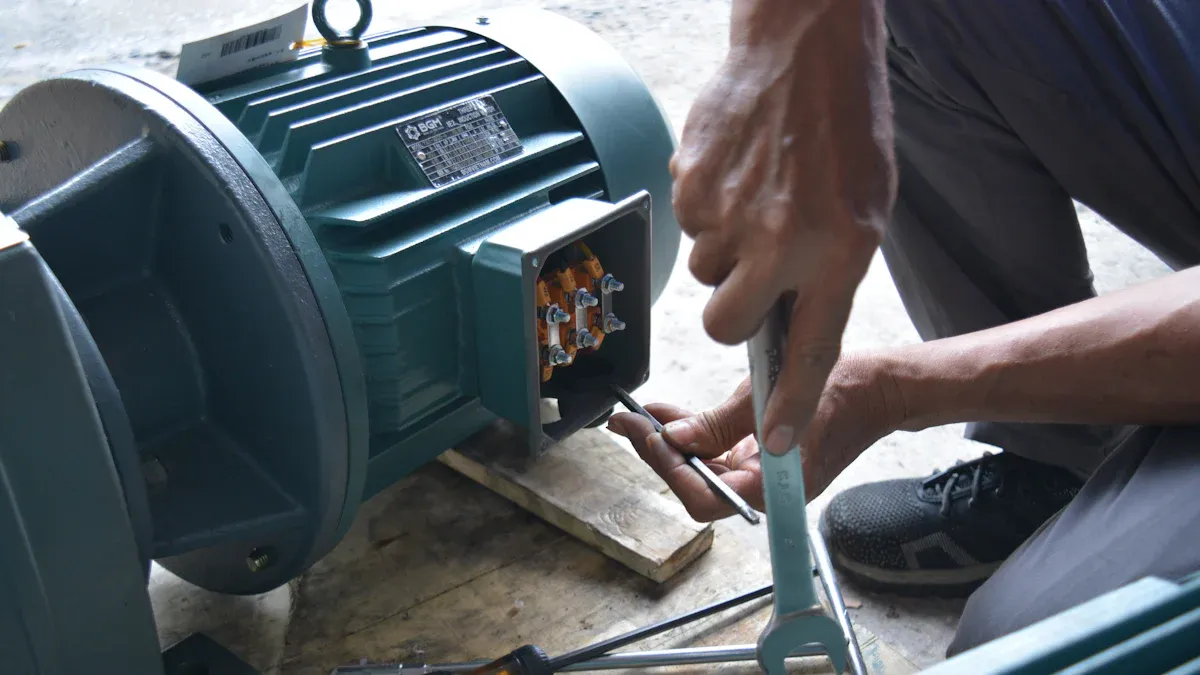
Selecting the right horsepower for an automatic door motor is crucial for ensuring smooth operation. Horsepower directly influences the motor’s ability to handle the weight and size of the door. A higher horsepower rating allows the opener to manage heavier doors with ease.
Consider the following factors when determining the necessary horsepower:
- Door Weight: Heavier doors require more horsepower for efficient operation.
- Door Size: Larger doors may also need higher horsepower to function effectively.
The table below summarizes how door weight and size impact horsepower requirements:
| Evidence Description | Key Point |
|---|---|
| A higher horsepower rating allows the opener to handle heavier doors with ease. | Heavier doors require more horsepower for efficient operation. |
| Larger doors may require higher horsepower to operate effectively and efficiently. | Size impacts the horsepower needed for smooth operation. |
| A heavier and larger door will require a higher horsepower to lift it efficiently. | Weight and size are critical factors in determining the necessary horsepower. |
Using a motor with insufficient horsepower can lead to several issues. The door may operate slowly or inconsistently, causing user frustration. Frequent stalling can occur as the motor struggles to function, leading to unexpected stops. Additionally, excessive strain on the motor can result in potential breakdowns, leading to costly repairs.
Industry standards provide guidance on horsepower ratings for various door types. The following table outlines suitable horsepower ratings based on door type and materials:
| Horsepower | Suitable Door Type | Typical Door Materials |
|---|---|---|
| 1/3 HP | Single-car garage doors | Lightweight wood, aluminum |
| 1/2 HP | Standard double-car garage doors | Steel, insulated steel |
| 3/4 HP | Heavy doors, oversized doors | Solid wood, double-steel |
| 1 HP+ | Commercial doors, extra-large residential doors | Heavy-duty materials |
Understanding these horsepower requirements is essential for effective automatic door motor selection.
Waterproof Performance
Waterproof performance is a critical factor in the selection of electric motors for automatic doors. These motors often operate in environments exposed to moisture, rain, or even flooding. Therefore, understanding waterproof ratings helps ensure the motor’s longevity and reliability.
The Ingress Protection (IP) rating system classifies the degree of protection against water and dust. Here are common IP ratings relevant to automatic door motors:
| IP Rating | Description |
|---|---|
| IP55 | Dust-protected + water jets; suitable for outdoor areas with rain and occasional hose-down. |
| IP56 | Better for stronger jets/splash zones; ideal for marine decks and aggressive hose-downs. |
| IP65/IP66 | Dust-tight with jets (IP65) or powerful jets (IP66); great for environments with fines and slurry mist. |
| IP67 | Temporary immersion; applicable in cases of accidental flooding. |
| IP68 | Continuous immersion; used for submersible motors with specified depth/time. |
Selecting a motor with an appropriate IP rating is essential for effective automatic door motor selection. Motors designed with waterproof features can significantly enhance their performance and lifespan. Key waterproofing technologies include:
- Sealed housing that protects internal components from dust and water.
- Corrosion-resistant materials, such as stainless steel and anodized aluminum, to resist rust.
- High efficiency and durability through brushless designs that minimize wear.
- Advanced thermal management to prevent overheating in various environments.
- Precision speed and torque control for high accuracy and reliability.
Incorporating moisture resistance and waterproofing features is vital. Internal components must be made from corrosion-resistant materials. Effective sealing designs prevent moisture ingress, while adequate ventilation reduces internal moisture levels. These factors collectively contribute to the motor’s overall performance and reliability.
Choosing a motor with the right waterproof performance ensures that automatic doors function smoothly, even in challenging conditions.
Motor Lifespan
The lifespan of electric motors used in automatic doors significantly impacts their overall performance and reliability. Understanding the average lifespan helps users make informed decisions during the automatic door motor selection process. Under normal operating conditions, different motor types exhibit varying lifespans. The table below summarizes the average lifespan for common motor types:
| Motor Type | Average Lifespan (Years) |
|---|---|
| Sliding Gate Motors | 10 to 15 (up to 20 with maintenance) |
| Swing Gate Motors | 10 to 15 |
| Barrier Gate Motors | 10 to 15 |
| Cantilever Gate Motors | 15 to 20 |
| Vertical Lift Motors | 15 |
| Bi-folding Gate Motors | 10 to 15 (with maintenance) |
| Telescopic Gate Motors | 10 to 15 |
Several factors influence the lifespan of these motors. Key considerations include:
- Quality of Materials: Higher quality materials lead to longer lifespans.
- Exposure to Weather Conditions: Extreme weather can accelerate deterioration.
- Maintenance Practices: Regular maintenance can extend lifespan by 3-5 years.
- Motor Type: Different types of motors have varying lifespans and maintenance needs.
- Installation Quality: Proper installation is crucial for longevity.
The table below highlights how different door types affect motor lifespan and their maintenance needs:
| Door Type | Lifespan (Years) | Maintenance Needs |
|---|---|---|
| Steel Worm Drive Systems | 10-15 | Low – lubrication every 6 months |
| Cable and Pulley Systems | 5-8 | High – cable replacement every 2-3 years |
| Linear Actuator Systems | 7-10 | Moderate – seal replacement, debris cleaning |
Implementing effective maintenance practices can significantly enhance the operational life of electric motors. Regular tasks include:
- Visual Inspection and Cleaning: Prevents malfunction by removing debris and ensuring proper function.
- Lubrication: Reduces wear on moving parts, enhancing smooth operation.
- Sensor Calibration: Ensures reliable operation by adjusting detection range.
- Safety Mechanisms Check: Confirms safety features are functional, preventing accidents.
- Hardware Tightening: Prevents additional wear from loose components.
By understanding these factors and adhering to maintenance schedules, users can maximize the lifespan of their automatic door motors.
Type of Automatic Door Operator
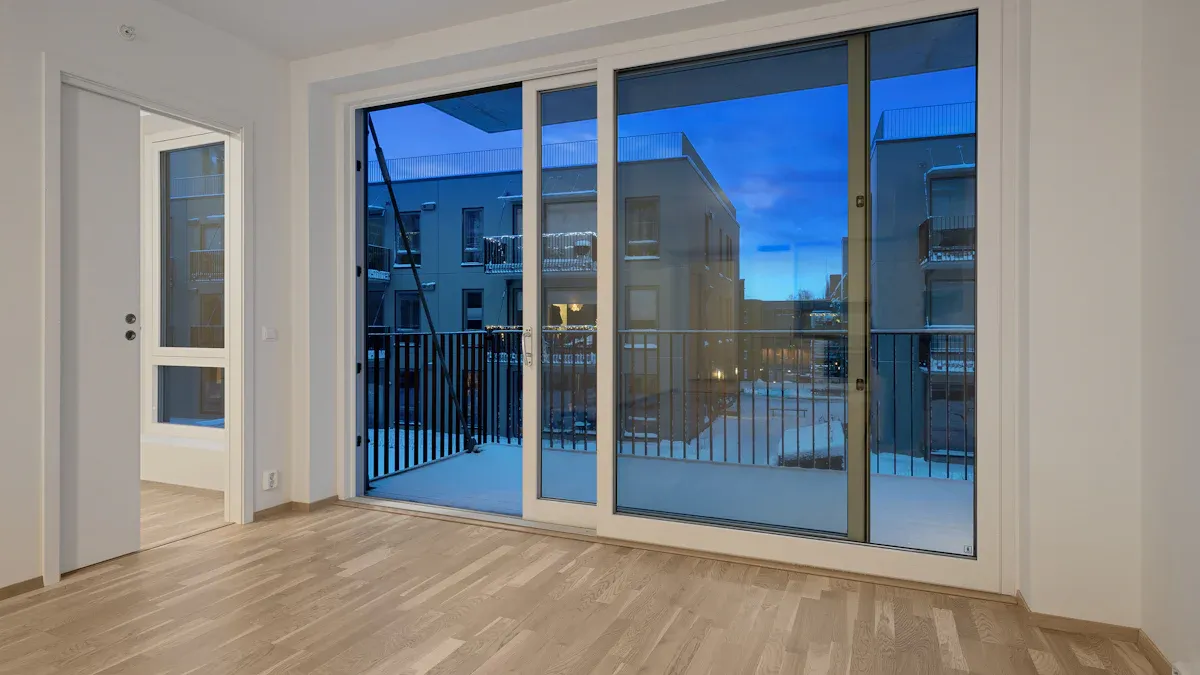
Choosing the right type of automatic door operator is essential for effective motor selection. Different operators have unique operational needs that directly influence the characteristics required from the electric motor. The three main types of automatic door operators include hydraulic, electromechanical, and pneumatic systems.
| Type | Description |
|---|---|
| Hydraulic | Uses hydraulic power for smooth and controlled operation, ideal for high-traffic environments. |
| Electromechanical | Operates using electric motors, providing reliable performance in various settings. |
| Pneumatic | Utilizes air pressure for operation, suitable for specific applications requiring quick access. |
Each type of operator demands specific motor characteristics. For instance, speed and precision are critical factors in motor selection.
- Speed: The motor must balance efficiency and safety. Typical opening and closing times vary by application. Commercial doors often require 1-3 seconds, while public transport doors may need to open in just 1 second.
- Precision: High precision ensures accurate door positioning. Parameters like position accuracy and repeatability are crucial for safety and performance.
Different environments also dictate varying demands. For example, commercial buildings require fast operation during peak traffic, while healthcare facilities need quick access for medical emergencies. High-end venues benefit from smooth, elegant movement to enhance user experience.
When selecting an automatic door motor, understanding the type of operator is vital. Each operator type influences the motor’s specifications, ensuring optimal performance and reliability. Therefore, evaluating the specific needs of the installation site will lead to better automatic door motor selection.
Compatibility with Existing Systems
Ensuring compatibility with existing systems is crucial when selecting an electric motor for automatic doors. Incompatibility can lead to operational failures, safety risks, and increased costs. Several factors influence compatibility, and understanding these can streamline the selection process.
Consider the following compatibility factors:
- Rail and Trolley System: The rail connects the motor to the door. Proprietary designs may prevent compatibility between brands.
- Door Size and Weight: Motors are rated for specific weight ranges. Using an incompatible motor can lead to failure.
- Horsepower Rating: This rating determines lifting capacity. Matching the motor’s power to the door’s requirements is essential.
- Smart Features and Connectivity: Advanced features may not work with older systems, affecting overall functionality.
- Safety Features: Mixing incompatible components can compromise safety systems, posing risks, especially for families.
The table below summarizes these compatibility factors:
| Compatibility Factor | Description |
|---|---|
| Rail and Trolley System | The rail connects the motor to the door; proprietary designs may prevent compatibility between brands. |
| Door Size and Weight | Motors are rated for specific weight ranges; using an incompatible motor can lead to failure. |
| Horsepower Rating | Determines lifting capacity; matching the motor’s power to the door’s requirements is essential. |
| Smart Features and Connectivity | Advanced features may not work with older systems, affecting overall functionality. |
| Safety Features | Mixing incompatible components can compromise safety systems, posing risks especially for families. |
When evaluating options, users should assess their current systems and identify any specific requirements. This approach ensures that the selected automatic door motor aligns with existing components, enhancing performance and reliability. A thorough understanding of compatibility factors can significantly improve the automatic door motor selection process.
Choosing the right electric motor for automatic doors requires careful consideration of several factors. Key aspects include horsepower requirements, waterproof performance, motor lifespan, and compatibility with existing systems. Evaluating specific needs is essential, as different applications have varying performance requirements. For instance, understanding power requirements and selecting the appropriate speed and torque can significantly impact functionality.
To assist in making informed decisions, resources such as the KONE Doors Brochure and the KONE Doors Handbook for Architects provide valuable insights into innovative door solutions and design processes. By leveraging these resources, individuals can enhance their automatic door motor selection process and ensure optimal performance.
FAQ
What factors affect the lifespan of an electric motor for automatic doors?
The lifespan of an electric motor depends on material quality, weather exposure, maintenance practices, motor type, and installation quality. Regular maintenance can extend the motor’s life significantly.
How do I determine the right horsepower for my automatic door?
To determine the right horsepower, consider the door’s weight and size. Heavier and larger doors require higher horsepower ratings for efficient operation.
What is the importance of waterproof performance in electric motors?
Waterproof performance protects motors from moisture and environmental damage. Selecting a motor with a suitable Ingress Protection (IP) rating ensures reliability and longevity in wet conditions.
Can I use any motor with my existing automatic door system?
Not all motors are compatible with existing systems. Factors like rail design, door weight, and horsepower ratings must align to ensure proper functionality and safety.
How often should I perform maintenance on my automatic door motor?
Regular maintenance should occur every six months. Tasks include visual inspections, lubrication, and sensor calibration to ensure optimal performance and longevity.