
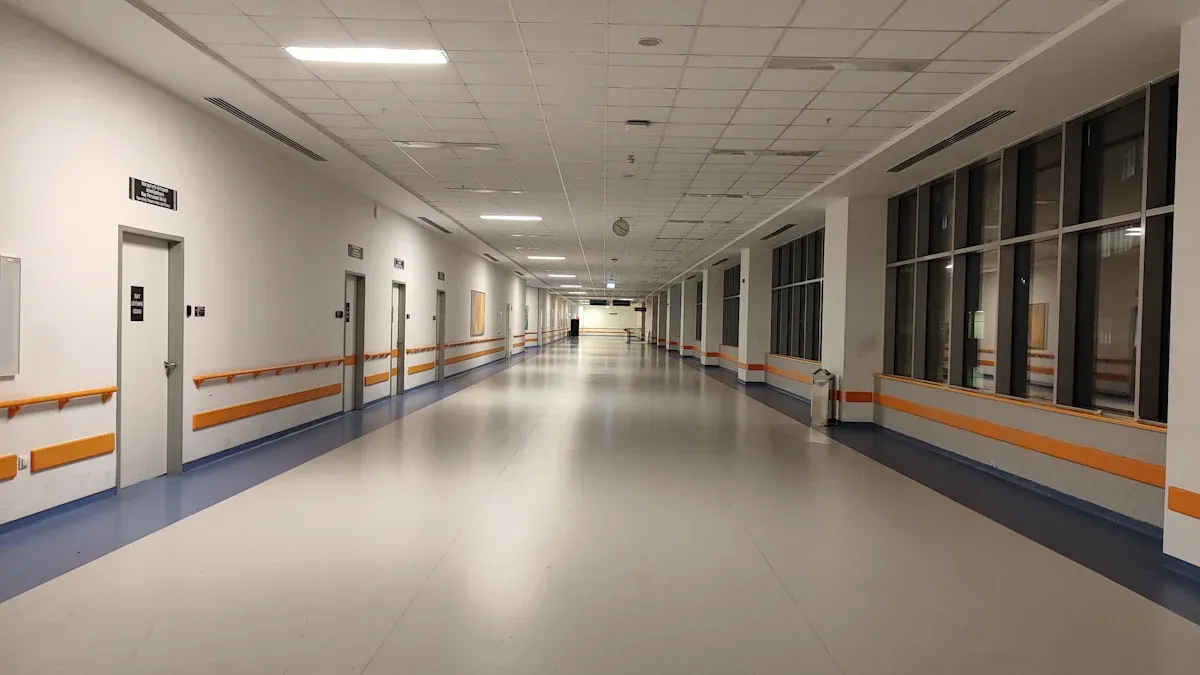
Hospitals in 2025 will critically need Automatic Door Operators equipped with advanced features. These systems demand specific capabilities to support modern healthcare environments. A Brushless DC Motor Door Operator, for example, delivers consistent and quiet performance. Hospitals will partner with an Automatic Door System Supplier that offers solutions for advanced infection control and intelligent safety sensors. Seamless system integration is vital for operational efficiency. Robust durability with low maintenance ensures uninterrupted service. Customizable accessibility with speed control addresses diverse patient and equipment needs. Even a low noise automatic door operator for hotel lobby settings highlights the universal demand for quiet, efficient access, which is paramount in hospitals. A Telescopic Sliding Door Operator or an Automatic Sliding Door Operator can provide optimal space utilization and smooth patient flow.
Key Takeaways
- Hospitals need automatic doors with advanced infection control. This includes touchless activation and hermetically sealed doors to stop germs from spreading.
- Intelligent safety sensors are important for hospital doors. They use AI to prevent accidents and keep patients and staff safe.
- Automatic door systems must connect well with other hospital systems. This helps improve security and saves energy.
- Hospital doors need to be strong and easy to maintain. This keeps them working all the time and lowers costs.
- Doors should adjust for different people and equipment. This means they can open wider for wheelchairs and operate quietly for a better patient experience.
Why are advanced infection control features essential for Automatic Door Operators in 2025?

Hospitals face a constant challenge: preventing the spread of infections. In 2025, advanced infection control features in door systems will become critical. These features directly protect patients and staff. They also help maintain sterile environments throughout the facility.
How do touchless activation Automatic Door Operators minimize pathogen transmission?
Touchless activation systems significantly reduce the risk of pathogen transmission. People do not need to physically touch door handles or push plates. This eliminates a common point of contact for germs. Sensors detect movement or presence, then activate the door. This hands-free operation is especially important in high-traffic areas. It also benefits areas where staff move patients or equipment. Reducing contact points directly lowers the chance of spreading bacteria and viruses. This makes the hospital environment safer for everyone.
What role do hermetically sealed Automatic Door Operators play in maintaining sterile environments?
Hermetically sealed Automatic Door Operators are vital for sterile areas. These doors create an airtight seal when closed. This prevents air, dust, and contaminants from entering or leaving critical zones. Operating rooms, isolation rooms, and cleanrooms rely on this technology. The seal helps maintain precise air pressure differentials. This is crucial for infection control. Manufacturers design these doors to meet strict industry standards.
Hospitals look for specific certifications for these specialized doors:
| Standard/Compliance | Application/Significance |
|---|---|
| ISO 9001 | Baseline for quality management systems (general) |
| ISO 14644 | Specific for cleanroom applications |
| ASME BPE | For bioprocessing equipment |
| FDA registration | Indicates commitment to pharmaceutical-grade quality systems |
| cGMP compliance | Good Manufacturing Practices documentation |
| ASME Section VIII | For pressure vessel components (pursued by rigorous manufacturers) |
These doors also adhere to various performance metrics and regional standards:
| Category | Standard/Certification | Description/Application |
|---|---|---|
| Regional Standards | EN 16034 | Fire/smoke resistance in Europe |
| UL 10B/C | North America | |
| GB standards | Chinese installations | |
| Performance Metrics | Air leakage rates | Below 0.5 l/s·m² at 250 Pa pressure differential |
| Cycle testing | Certification for 500,000 operations | |
| Essential Certifications | ISO 9001 | Quality management |
| ISO 13485 | Medical devices | |
| CE marking | European markets | |
| EN 16034 | Fire/smoke containment | |
| Cleanroom Compliance | ISO 14644-1 | Cleanroom doors, with appropriate classification documentation |
These standards ensure the doors perform reliably. They guarantee the doors maintain the required level of sterility.
Why are intelligent safety sensors crucial for hospital Automatic Door Operators?
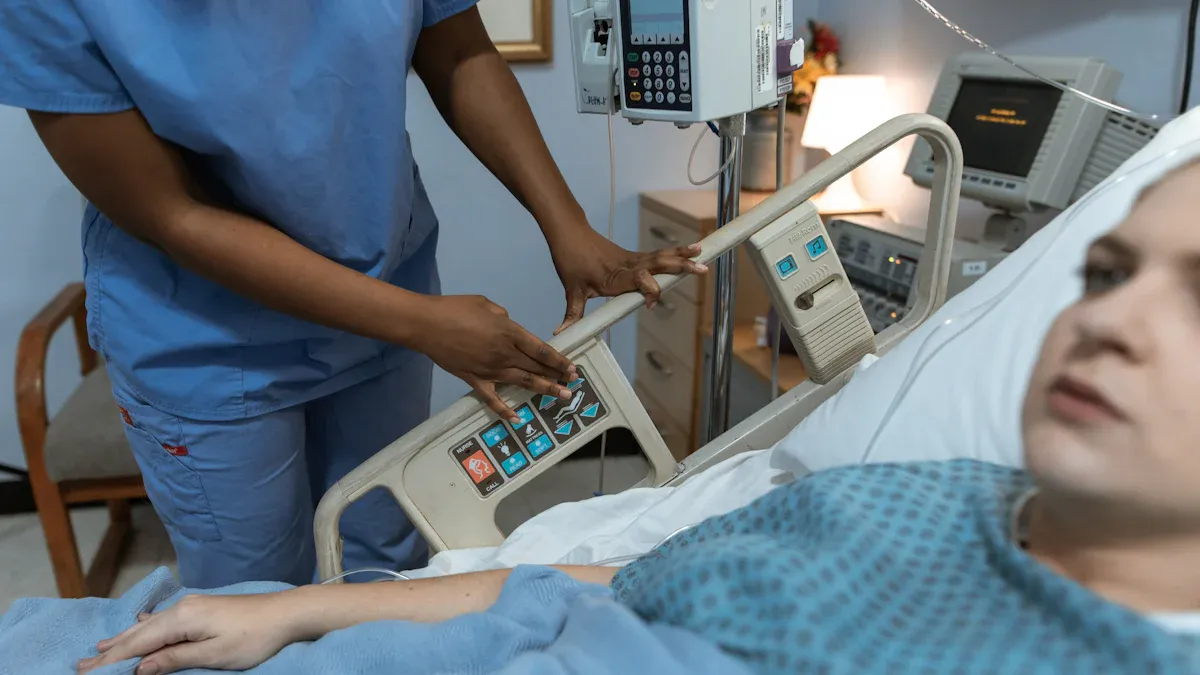
Intelligent safety sensors are vital for hospital environments. They protect patients, staff, and visitors from potential hazards. These advanced sensors prevent accidents and ensure smooth operation in busy healthcare settings. Hospitals handle vulnerable individuals and expensive equipment. Therefore, reliable safety features in door systems are non-negotiable.
How do AI-powered sensors in Automatic Door Operators enhance patient and staff safety?
AI-powered sensors significantly boost safety for everyone in a hospital. These sensors use advanced algorithms to understand movement. For example, Predictive Motion Analysis allows doors to anticipate when someone approaches. This means the door opens before a person reaches it, preventing collisions. Adaptive Learning enables doors to adjust their behavior based on usage patterns. A door might open wider during peak hours. This improves flow and reduces contact.
AI also supports Personalized Access Control. Doors can identify authorized personnel using facial recognition or other biometric data. This grants access only to specific individuals, enhancing security in sensitive areas. Proximity Detection prevents injuries. The door senses if someone stands too close and delays closing. Furthermore, these smart systems can identify Suspicious Behavior. They detect attempts to force a door open and trigger an alarm, adding another layer of security.
What impact do smart sensors in Automatic Door Operators have on preventing accidents and optimizing flow?
Smart sensors play a critical role in preventing accidents and optimizing hospital flow. They detect obstacles in the door’s path, stopping closure immediately. This prevents doors from hitting patients, staff, or equipment. The sensors ensure a clear passage, especially for wheelchairs, gurneys, and medical carts. This smooth movement reduces delays and bottlenecks in hallways.
Optimized flow means patients reach their destinations faster. Staff can transport equipment efficiently. The sensors contribute to a calmer, more organized environment. They minimize disruptions caused by door-related incidents. This allows hospitals to maintain high operational standards. These intelligent features make hospital Automatic Door Operators safer and more efficient for daily operations.
Why is seamless integration vital for hospital Automatic Door Operators with existing systems?
Seamless integration makes hospital operations more efficient. It connects door systems with other critical hospital technologies. This connection improves security, access control, and energy management. Integrated systems work together, creating a smarter and safer environment.
How do integrated Automatic Door Operators enhance security and access control?
Integrated door systems significantly boost hospital security. They allow staff to manage door operations remotely. This means security personnel can control doors from a central location. Card access systems restrict entry to authorized individuals. This prevents unauthorized people from entering sensitive areas. Fire protection door systems contain fires and smoke. They enhance safety during emergencies. Self-closing components ensure doors always close automatically. This maintains security and environmental control. Automatic locks prevent unauthorized entry into secure patient rooms. They also protect other facility areas. These systems control the flow of people within the hospital. This enhances overall security.
Hospitals also use specialized security features. Delayed egress systems prevent abductions, especially of infants. An alarm sounds if someone tries to open a door with this system without authorization. A timed countdown begins before the door opens. This gives staff time to respond. Panic buttons and keyed lockdown solutions offer staff safety. Pressing a panic button can trigger various safety functions. These include emergency release of electric door locks or requests for backup. Keyed emergency lockdown buttons activate exit door releases or alarms. They require a key to reset, ensuring a security response.
What are the benefits of connecting Automatic Door Operators with building management systems for energy efficiency?
Connecting door systems with building management systems (BMS) saves energy. This connection helps hospitals reduce operational costs. An AI solution for automatic doors, like ecoLOGIC, dynamically adjusts door settings. It changes speed and hold-open time. This minimizes energy loss from heating or cooling. Intelligent control units and networking of windows and doors, through platforms like myGEZE Control, combine sustainability with excellent energy efficiency. This leads to highly energy-efficient buildings. The BMS can coordinate door operations with HVAC systems. For example, it can keep doors closed longer during extreme weather. This maintains indoor temperatures and reduces energy waste.
Why is robust durability and low maintenance a top priority for hospital Automatic Door Operators?
Hospitals operate 24/7. They experience constant traffic. This environment demands equipment that can withstand heavy use. Robust durability and low maintenance for Automatic Door Operators are not just convenient; they are essential. These features ensure continuous operation, reduce costs, and maintain safety standards. Hospitals cannot afford frequent breakdowns or extensive repair times.
How do durable Automatic Door Operators reduce operational costs and downtime?
Durable Automatic Door Operators significantly reduce operational costs. They require fewer repairs and replacements. This saves money on parts and labor. High-quality components resist wear and tear. This extends the lifespan of the door system. Less downtime means doors remain functional. Patients, staff, and equipment move freely without interruption. This efficiency prevents delays in critical hospital services. A reliable door system contributes to a smoother, more cost-effective operation. It also ensures patient care remains uninterrupted.
What maintenance considerations are key for high-traffic hospital Automatic Door Operators?
High-traffic hospital environments require specific maintenance considerations. Regular checks prevent unexpected failures. The American Association of Automatic Door Manufacturers (AAADM) advises annual inspections. Certified professionals perform these inspections for safety and code compliance. Automatic doors in high-traffic areas, including hospitals, typically require more frequent attention. They need quarterly or bi-annual inspections to ensure continuous reliable operations.
- High-traffic environments, such as hospitals, may necessitate quarterly or even monthly maintenance.
- Revolving doors in high-visibility settings like hospitals are recommended for quarterly service.
These schedules ensure the longevity of the door systems. They also guarantee optimal performance. Proactive maintenance identifies potential issues before they become major problems. This approach minimizes disruptions and keeps the hospital running efficiently.
Why is customizable accessibility and speed control important for Automatic Door Operators in diverse hospital settings?
Hospitals care for a wide range of individuals. They also transport various types of medical equipment. Customizable accessibility and speed control in door systems are crucial. These features ensure every person can move safely and efficiently. They also support the smooth flow of essential hospital operations.
How do adjustable Automatic Door Operators support diverse patient and equipment needs?
Adjustable Automatic Door Operators meet the varied needs of patients and equipment. These doors can open wider for bariatric patients. They also accommodate large medical equipment like gurneys and wheelchairs. This ensures smooth passage for everyone. Hospitals must meet specific accessibility requirements. ADA Compliant Low Energy Door Operators help facilities achieve this. They make it easier for individuals with disabilities to enter and exit public buildings.
For example, interior hinged, sliding, or folding doors (excluding fire doors) must open with a maximum force of five pounds. Door closers also need careful adjustment. They must take at least five seconds to move from a 90-degree open position to 12 degrees from the latch. This allows enough time for safe passage for all users.
What impact does silent and seamless operation of Automatic Door Operators have on the patient experience?
Silent and seamless operation greatly improves the patient experience. Hospitals are often stressful environments. Quiet doors reduce noise pollution. This creates a more peaceful atmosphere. Patients can rest better. Staff can communicate more clearly. For instance, some low energy automatic swing door operators have a running noise level of ≤40Db. Caelus sliding automatic doors are also noted for their quiet operation, often below 40dB(A). Traditional automatic doors often produce buzzing noises from reducer boxes or motor wear. This highlights the significant difference. Smooth operation also prevents jarring movements. This makes the hospital feel more calming. It contributes to a better healing environment for patients.
The five essential features for hospital Automatic Door Operators in 2025 include advanced infection control, intelligent safety sensors, seamless system integration, robust durability with low maintenance, and customizable accessibility with speed control. These capabilities collectively support future hospital demands. They enhance patient safety, improve operational efficiency, and optimize the healthcare environment. Investing in these advanced features represents a strategic decision for hospitals. It helps them meet evolving healthcare standards and provide superior patient care.