
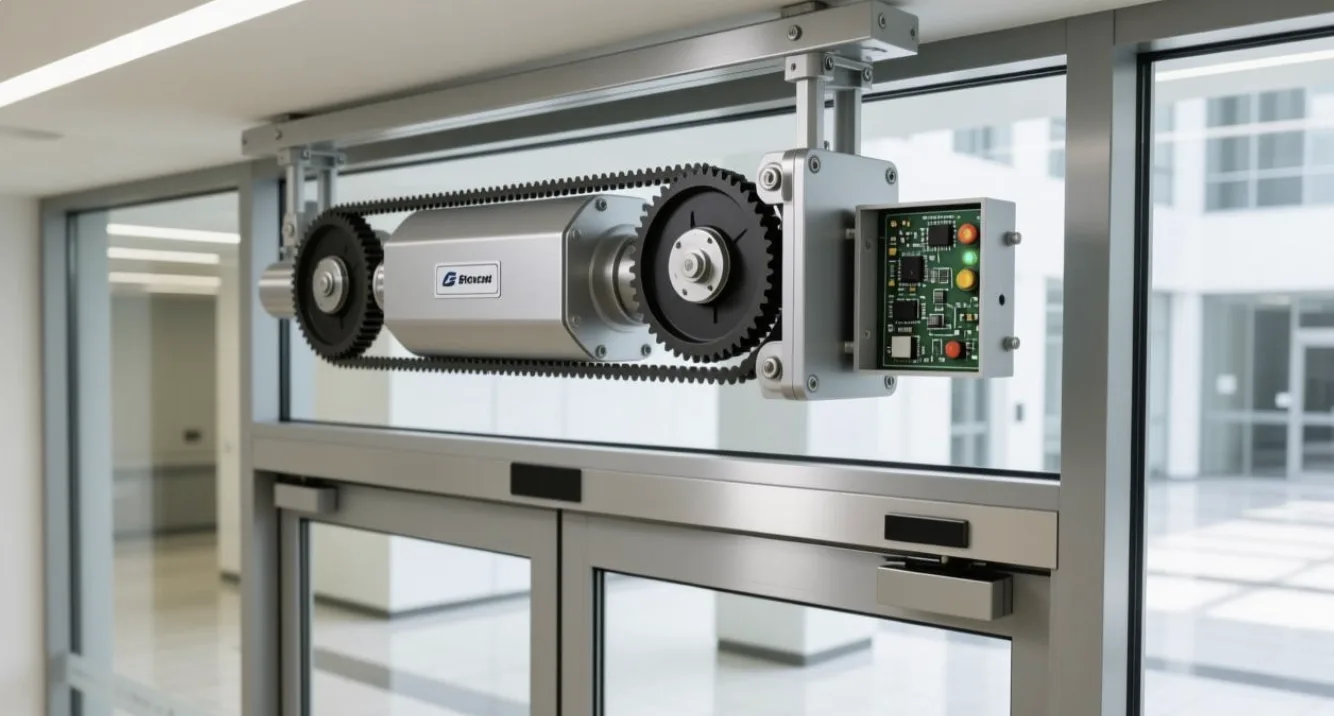
What Is an Automatic Sliding Door Motor?
An automatic sliding door motor is the core power unit that drives a sliding door panel to open and close automatically. It is widely used across commercial, industrial, and residential settings to provide hands-free, convenient, and safe access. Also referred to as a sliding door operator, automatic door drive, or motorized sliding door mechanism, this device converts electrical energy into precise mechanical motion through a belt, chain, or gear-rail system.
- Delivers consistent and smooth door movement along a fixed track
- Activated by sensors, remote controls, push buttons, or access control systems
- Available in AC, DC, and low-voltage power configurations
- Equipped with built-in safety features such as obstacle detection and auto-reverse
- Designed for high-cycle applications in retail stores, hospitals, airports, and warehouses
The automatic sliding door actuator has become an essential component of modern building infrastructure, improving accessibility, energy efficiency, and user experience in high-traffic environments.
Key Types of Automatic Sliding Door Motors
Selecting the right sliding door opener depends on the specific application, door weight, and expected traffic volume. Understanding the main categories of motors helps buyers and installers make informed decisions.
- Belt-driven motors: Quiet operation, ideal for retail shops, hotels, and office lobbies; use a reinforced toothed belt connected to a drive wheel
- Chain-driven motors: Higher torque output, suitable for heavy industrial doors and warehouse entrances; built for durability under demanding conditions
- Geared motor systems: Provide precise control and compact installation, commonly used in hospitals and clean rooms where noise and space are concerns
- Linear drive motors: Offer smooth, direct push-pull motion without belts or chains, popular in premium architectural applications
- Electromechanical vs. electrohydraulic: Electromechanical units are more common and energy efficient; electrohydraulic models handle extremely heavy door panels in specialized industrial settings
Each type of automatic sliding door drive has its own advantages in terms of noise level, load capacity, maintenance frequency, and installation complexity.
How to Choose the Right Sliding Door Motor for Your Project
Choosing the appropriate motorized sliding door system involves evaluating multiple technical and environmental factors to ensure long-term performance and reliability.
- Door weight and panel dimensions: Heavier and wider doors require motors with higher torque ratings and reinforced rail systems
- Traffic frequency: High-traffic locations like supermarkets and transportation hubs demand motors rated for continuous or heavy-duty cycles
- Opening speed and closing force: Adjustable speed and force settings allow fine-tuning for safety compliance and energy conservation
- Power supply compatibility: Confirm whether the site supports 230V AC, 110V AC, 24V DC, or solar-compatible low-voltage systems
- Safety certifications: Look for CE, UL, or ISO markings to ensure the motor meets regional safety and quality standards
- Integration capability: The motor controller should support connection with microwave sensors, infrared sensors, card readers, fire alarm interfaces, and building management systems
- Climate and environment: Corrosion-resistant or IP65-rated enclosures are necessary for outdoor or humid installations
Working with an experienced supplier helps match the correct sliding door gear motor to your exact project requirements, reducing the risk of costly retrofits or downtime.
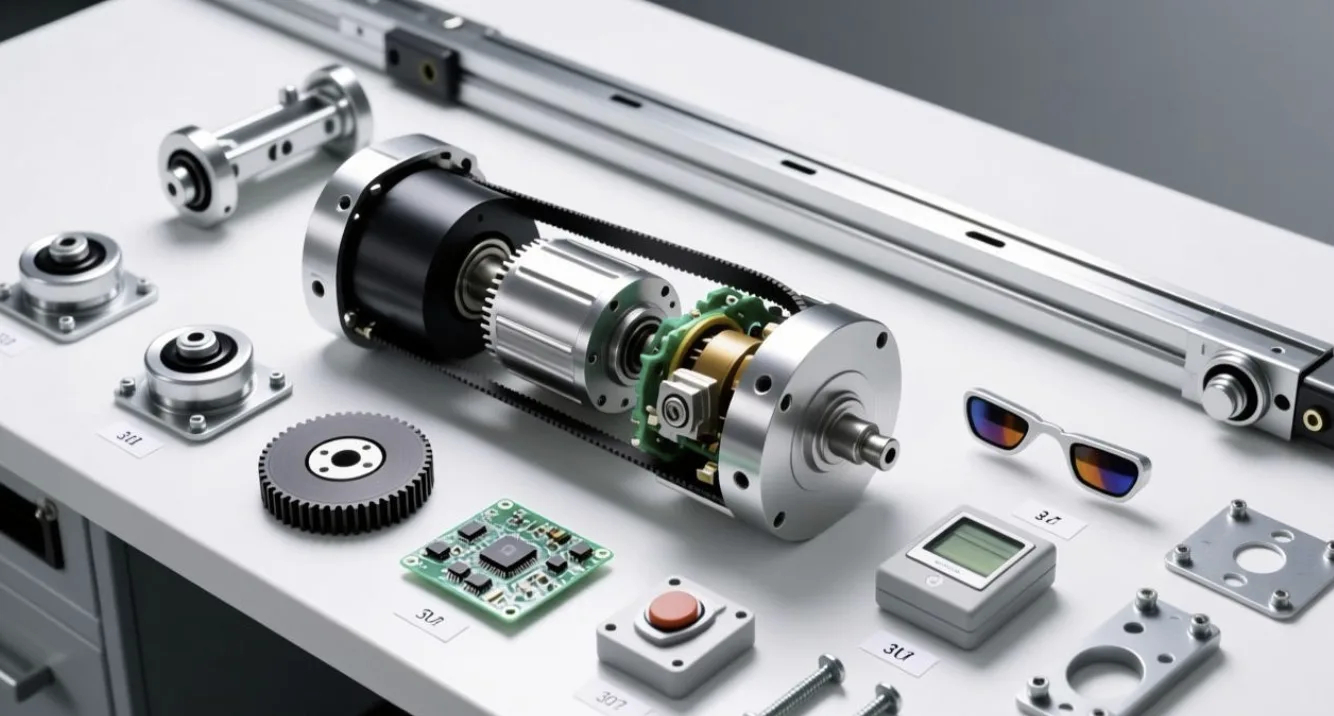
Installation and Maintenance Best Practices
Proper installation and regular upkeep are critical to maximizing the service life and safety performance of any automatic door slide motor. Neglecting maintenance can lead to erratic operation, increased energy consumption, and premature component failure.
- Always follow the manufacturer’s mounting instructions and use the recommended rail bracket spacing
- Ensure the track is level, clean, and free of debris before mounting the motor head and carriage assembly
- Calibrate the obstacle detection sensitivity during initial setup to prevent false triggers or safety hazards
- Lubricate moving parts such as belts, chains, and rollers on a scheduled basis—typically every three to six months
- Inspect sensors and photocells regularly for alignment, cleanliness, and proper response to obstructions
- Check electrical connections, wiring terminals, and emergency backup batteries at least twice a year
- Keep a log of maintenance activities and replace wear parts such as belts, rollers, and limit switches proactively
Establishing a preventive maintenance routine not only extends the lifespan of the automatic sliding door mechanism but also ensures compliance with local building codes and accessibility regulations.
About AutomaticDoorBlog.com
AutomaticDoorBlog.com is a professional online platform dedicated to providing comprehensive information, product resources, and industry insights about automatic sliding door systems and related access control technologies. Our mission is to bridge the gap between end users, installers, and manufacturers by delivering reliable, up-to-date knowledge that helps customers make confident purchasing and installation decisions.
- Product coverage: We cover a wide range of automatic door products including sliding door motors, swing door operators, revolving door drives, garage door openers, access controllers, and safety sensors
- Technical expertise: Our team brings years of hands-on experience in automatic door engineering, installation, and troubleshooting, ensuring that every piece of content is practical and accurate
- Industry insights: We regularly publish buying guides, comparison articles, maintenance tutorials, and trend analyses to keep professionals and business owners informed about the latest developments in the automatic door industry
- Application support: From retail storefronts and healthcare facilities to industrial warehouses and smart buildings, we provide tailored recommendations for virtually every automatic door application scenario
- Commitment to quality: All product recommendations and technical advice on our platform are based on thorough research, real-world testing, and feedback from certified installers worldwide
Whether you are a facility manager looking to upgrade your building’s entry system, an installer seeking the best sliding door motor kit for a client project, or a business owner exploring automated access solutions, AutomaticDoorBlog.com is your go-to resource for expert guidance and trusted information.
Frequently Asked Questions
How long does an automatic sliding door motor last?
Most quality sliding door motors have a service life of 10 to 15 years or approximately 1 to 2 million operating cycles, depending on usage frequency, maintenance quality, and environmental conditions.
Can an automatic sliding door motor be retrofitted to an existing manual door?
Yes, most manual sliding doors can be upgraded with a retrofit automatic door motor kit, provided the existing track, frame structure, and panel weight are compatible with the motor’s specifications.
What power supply is required for a sliding door operator?
Common power options include 230V AC, 110V AC, and 24V DC. Many modern systems also support low-voltage or solar power configurations for energy efficiency and safety compliance.
How much does an automatic sliding door motor cost?
Prices typically range from $200 to$2,000+ depending on motor type, load capacity, brand, sensor integration, and whether it is a single-leaf or bi-parting door setup.
Are automatic sliding door motors energy efficient?
Yes, modern automatic door motors are designed with energy-saving standby modes, adjustable speed settings, and smart sensor activation to minimize power consumption while maintaining reliable performance.