
Understanding the Basics of an Automatic Door Motor
An automatic door motor is an electromechanical device that powers the opening and closing of automatic doors without manual effort. Also known as an automatic door operator, motorized door opener, or door drive motor, this component serves as the heart of every automatic entrance system, converting electrical energy into controlled mechanical motion. Automatic door motors are found in a wide variety of door types including sliding, swinging, folding, and revolving doors, and they play a critical role in ensuring smooth, safe, and reliable access in both commercial and residential settings.
- Powered by electricity from mains supply or low-voltage DC sources
- Controlled by microprocessors that manage speed, force, and timing
- Activated through sensors, remote controls, keypads, or building automation systems
- Available in different configurations for sliding, swing, folding, and revolving doors
- Incorporates safety features such as obstacle detection, auto-reverse, and emergency backup
- Rated by load capacity, operating speed, duty cycle, and noise level
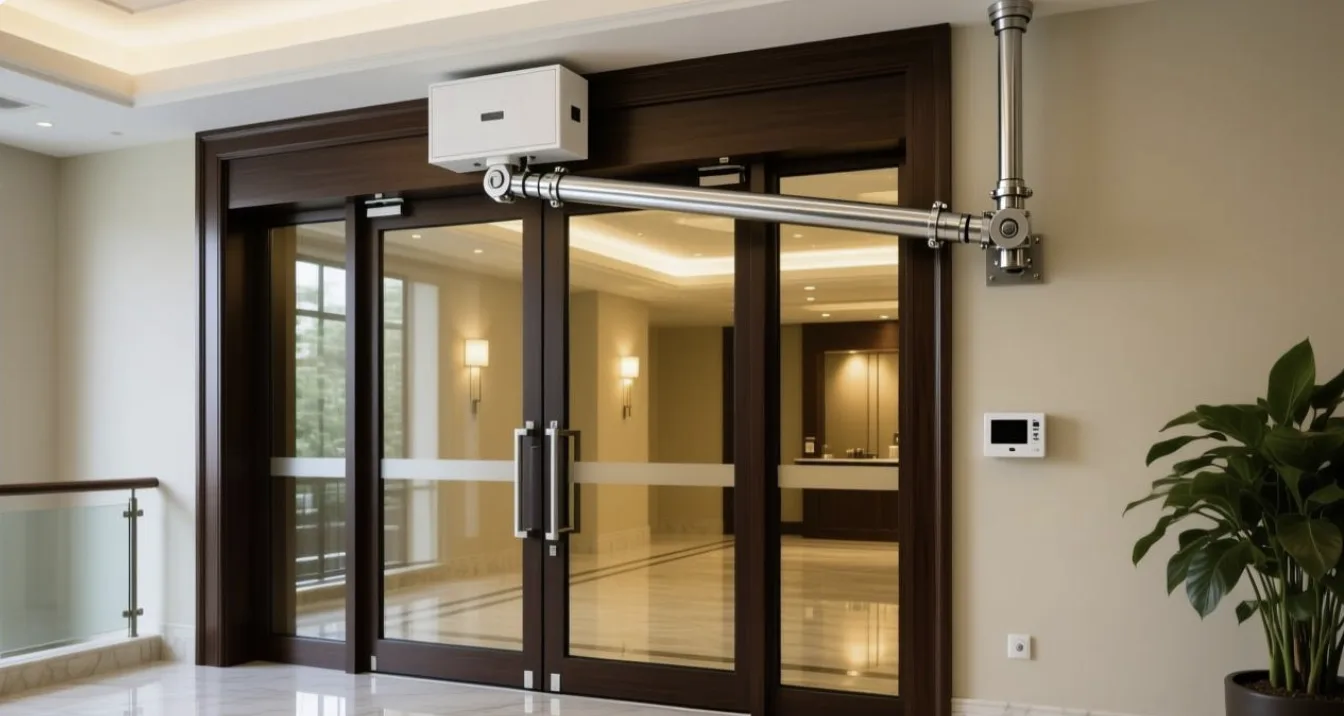
Whether installed in a busy shopping mall, a hospital entrance, or a residential garage, the automatic door actuator is the driving force that makes hands-free access possible, enhancing convenience, accessibility, and energy efficiency for any building.
How Does an Automatic Door Motor Actually Work?
The working principle of an automatic door drive motor can be broken down into a straightforward sequence of detection, signal processing, and mechanical actuation. Understanding this process helps installers, facility managers, and end users troubleshoot issues and optimize performance.
- Signal detection: A sensor (microwave, infrared, or pressure mat) detects the presence or movement of a person or vehicle approaching the door
- Signal transmission: The sensor sends an electrical signal to the motor controller board, which interprets the input and determines the appropriate action
- Motor activation: The controller sends power to the motor, which begins rotating in the direction required to open the door
- Motion conversion: Through a belt, chain, gear, or arm mechanism, the rotary motion of the motor is converted into the linear or swinging movement of the door panel
- Speed regulation: The controller adjusts the motor speed using variable frequency or PWM technology to ensure smooth acceleration and deceleration
- Closing cycle: After a preset hold-open time (typically adjustable from 1 to 10 seconds), the motor reverses direction to close the door
- Safety intervention: If an obstacle is detected during the closing cycle, the system immediately reverses or stops the door to prevent injury or damage
This entire process typically takes only a few seconds and repeats reliably for millions of cycles over the lifespan of the automatic door mechanism.
Common Types of Automatic Door Motors
Not all automatic entrance system motors are built the same way. Different door styles and application requirements call for specific motor designs, each with distinct mechanical architectures and performance characteristics.
- Sliding door motors: Use a belt or chain driven along an overhead track; the most widely used type in retail stores, airports, hospitals, and office buildings; available in single-leaf and bi-parting configurations
- Swing door motors: Employ an articulated arm or linear actuator mounted on the door frame to push or pull the door open; common in hotels, restaurants, and accessible building entrances
- Folding door motors: Drive two or more door panels that fold together when opened, saving space in compact entryways; popular in warehouses, parking garages, and public transit vehicles
- Revolving door motors: Located in the central shaft or canopy, providing continuous 360-degree rotation; designed for high-traffic buildings such as skyscrapers and hotels to minimize air infiltration
- Overhead gate motors: Rack-and-pinion or chain-driven systems designed for heavy industrial gates and security barriers; built for outdoor durability and high-torque performance
- Garage door motors: Trolley-type or jackshaft operators specifically designed for residential and commercial garage doors; often include battery backup and smart home integration
Each type of motorized door operator is engineered to handle specific load weights, cycle frequencies, and environmental conditions, making it essential to match the motor type to the application.
Key Factors to Consider When Choosing an Automatic Door Motor
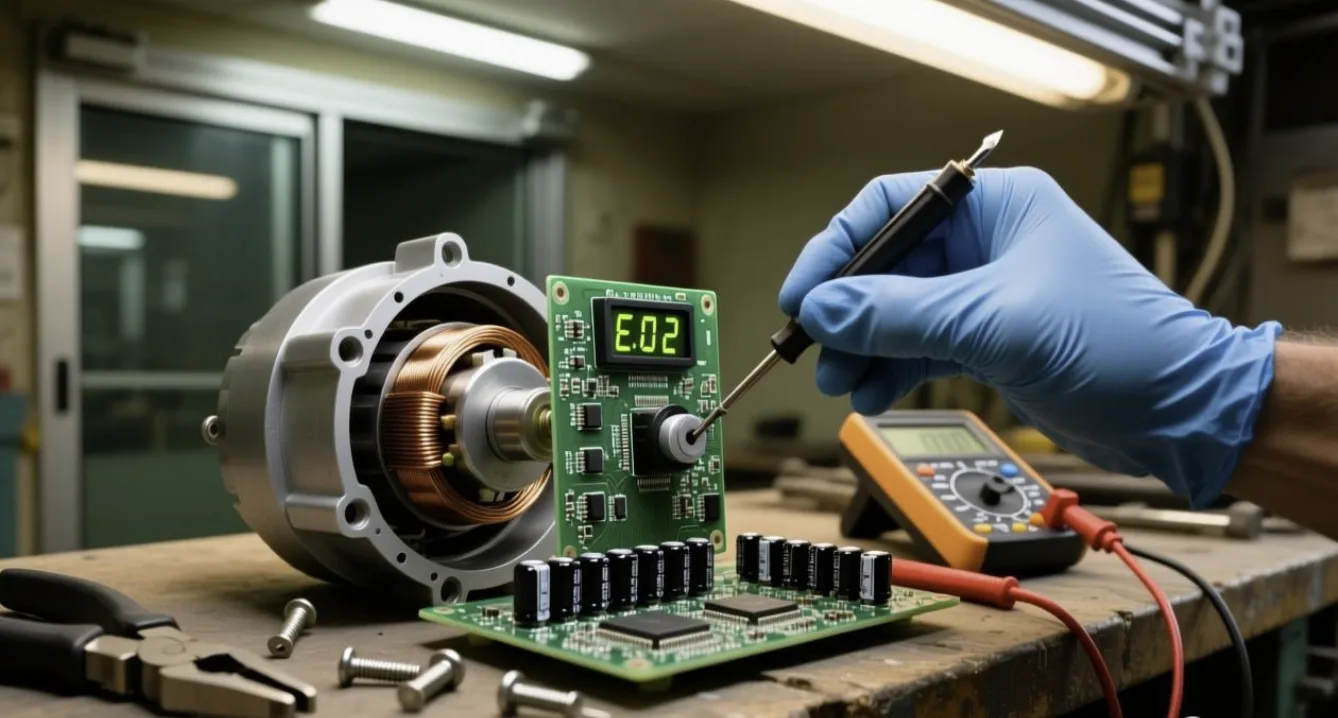
Selecting the right automatic door opener motor involves evaluating several technical and practical criteria to ensure long-term reliability and compliance with safety standards.
- Door weight and dimensions: The motor must be rated to handle the specific weight and width of the door panel; exceeding capacity leads to premature wear and safety risks
- Traffic volume and duty cycle: High-traffic locations require heavy-duty motors rated for continuous or intensive use, while low-traffic settings can use standard-duty units
- Power supply type: Confirm compatibility with available power sources including 230V AC, 110V AC, 24V DC, or solar-compatible systems
- Noise level requirements: Hospitals, hotels, and libraries demand ultra-quiet operation; belt-driven and linear motors typically produce less noise than chain-driven models
- Safety compliance: The motor system should meet CE, UL, EN 16005, or ADA standards depending on the region and application
- Integration with access control: Modern motors should support connectivity with card readers, biometric scanners, fire alarm systems, and building management platforms
- Environmental protection rating: Outdoor or washdown installations require IP55 or higher ingress protection to resist dust, moisture, and temperature extremes
- Maintenance and serviceability: Choose motors from reputable brands that offer readily available spare parts, technical support, and clear documentation
Investing time in proper selection at the planning stage significantly reduces installation costs, maintenance frequency, and total cost of ownership over the life of the automatic door gear motor.
Maintenance Tips to Extend the Life of Your Automatic Door Motor
Routine maintenance is essential to keep any automatic door drive system operating safely and efficiently over its intended service life of 10 to 15 years. A well-maintained motor not only performs better but also reduces energy consumption and the risk of unexpected downtime.
- Inspect the motor and track monthly: Look for signs of wear, looseness, misalignment, or unusual noise during operation
- Clean sensors and photocells regularly: Dust, dirt, and moisture on sensor lenses can cause false triggers or failure to detect approaching persons
- Lubricate moving parts: Apply manufacturer-recommended lubricant to belts, chains, rollers, hinges, and guide rails every three to six months
- Check electrical connections: Inspect wiring terminals, power cables, and backup batteries for corrosion, fraying, or loose connections at least twice a year
- Test safety functions quarterly: Verify that obstacle detection, auto-reverse, emergency stop, and battery backup all function correctly
- Calibrate closing force and speed: Adjust the motor controller settings to comply with local safety regulations and ensure smooth, safe door movement
- Replace wear parts proactively: Belts, rollers, limit switches, and seals degrade over time; replace them according to the manufacturer’s recommended service intervals rather than waiting for failure
- Keep a maintenance log: Document all inspections, adjustments, and part replacements to track performance trends and plan future service
A structured preventive maintenance program is the single most effective way to protect your investment in an automatic door motor system and ensure uninterrupted, safe access for building users.
About AutomaticDoor
AutomaticDoorBlog.com is a leading online information platform dedicated to the automatic door industry. We provide in-depth technical guides, product comparisons, installation tutorials, and industry news to help professionals, business owners, and homeowners make informed decisions about automatic door motors and related entrance systems. Our content is created by a team of experienced automatic door technicians, engineers, and industry analysts who bring decades of combined field knowledge to every article we publish.
- Comprehensive product coverage: We cover the full spectrum of automatic door products including sliding door motors, swing door operators, folding door actuators, revolving door drives, gate openers, sensors, access controllers, and safety accessories
- Technical expertise you can trust: Every guide and recommendation on our platform is grounded in real-world installation experience, engineering analysis, and feedback from certified professionals across the global automatic door industry
- Unbiased buying guidance: We provide objective product comparisons and selection frameworks that help readers identify the best automatic door motor for their specific application, budget, and compliance requirements
- Installation and troubleshooting support: Our step-by-step tutorials and diagnostic guides empower installers and maintenance teams to handle common challenges with confidence, reducing reliance on costly service calls
- Industry trend analysis: We track emerging technologies such as IoT-connected door systems, AI-powered sensors, energy-harvesting actuators, and cloud-based building access management, keeping our readers ahead of the curve
- Global perspective: Our content addresses automatic door standards, regulations, and market trends across North America, Europe, Asia-Pacific, and other key regions, serving a worldwide audience of professionals and decision-makers
Whether you are a facility manager planning a building entrance upgrade, an installer looking for the best automatic door operator for a commercial project, or a homeowner exploring motorized door options, AutomaticDoorBlog.com is your trusted, one-stop resource for authoritative, practical, and up-to-date automatic door information.
FAQ
What is the difference between an automatic sliding door motor and a swing door motor?
A sliding door motor moves door panels horizontally along a track using a belt or chain, while a swing door motor uses an articulated arm or linear actuator to push or pull the door in a pivoting motion. The choice depends on the door type and installation environment.
How much power does an automatic door motor consume?
Most automatic door operators consume between 100W and 500W during active operation and only 5W to 15W in standby mode, making them highly energy efficient for continuous-use commercial applications.
Can an automatic door motor work during a power outage?
Many modern automatic door drive systems include a built-in battery backup or can be connected to an uninterruptible power supply (UPS), allowing the door to continue operating for a limited time during power failures. Some models feature a manual release mechanism for emergency use.
How often should an automatic door motor be serviced?
Routine inspection should be performed monthly, with comprehensive servicing including lubrication, sensor cleaning, and safety testing recommended every 3 to 6 months, depending on traffic volume and environmental conditions.
What safety standards do automatic door motors need to meet?
In most regions, automatic door motors must comply with standards such as EN 16005 (Europe), ANSI/BHMA A156.10 (North America), or UL 325 for garage doors. These standards cover obstacle detection, closing force limits, emergency release, and sensor performance requirements.