
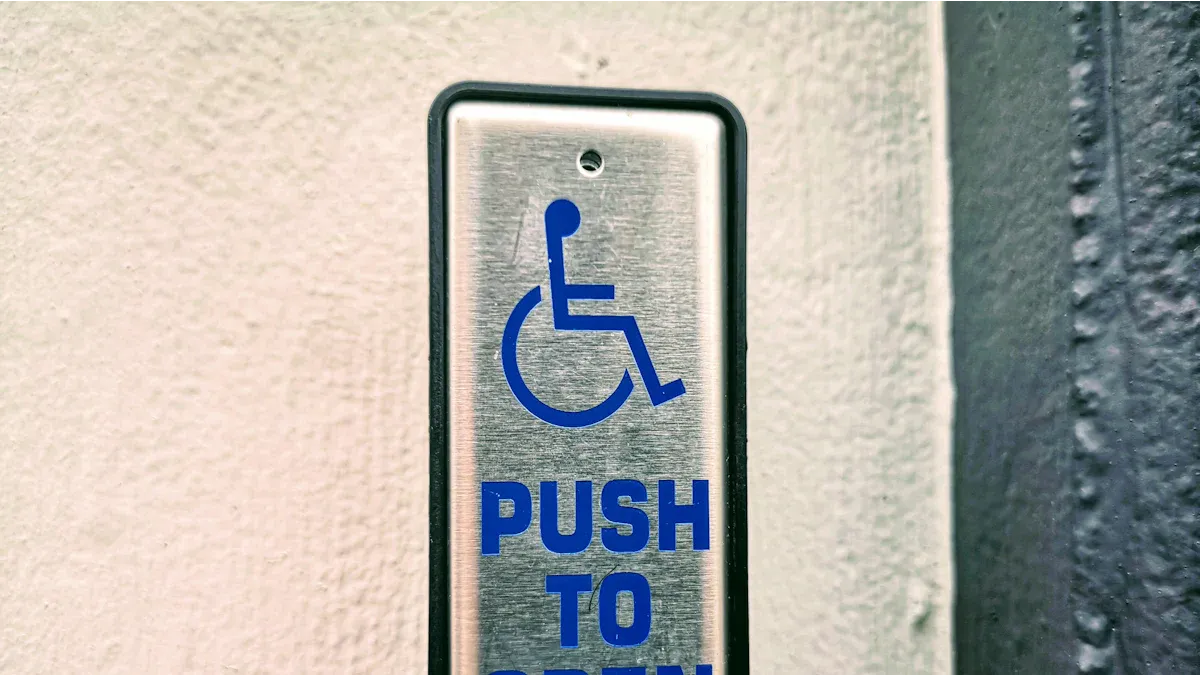
Retrofitting automatic doors significantly enhances accessibility and convenience. These upgrades allow individuals with disabilities or those carrying items to enter buildings effortlessly. Building owners benefit from increased property value and improved user experience. Retrofitting also ensures compliance with regulations like the Americans with Disabilities Act (ADA) and EN 16005, which mandate accessible design in public spaces.
Key Benefits of Retrofitting Automatic Doors:
Benefit Description Improved Accessibility Retrofitting automatic doors facilitates easy access for all users, including those with limited mobility. Increased Convenience Automatic door operators provide ease of use for individuals carrying items like strollers or shopping bags. Compliance with ADA Converting manual doors to automatic ensures compliance with accessibility regulations, enhancing usability.
When considering the cost of adding automatic door openers, it’s essential to evaluate the long-term benefits of a retrofit automatic sliding door kit. Additionally, many may wonder, "What is involved in retrofitting an automatic sliding door operator?" The process typically includes assessing the existing door structure, selecting the appropriate door operators, and ensuring proper installation for optimal functionality.
Key Takeaways
- Retrofitting automatic doors improves accessibility for everyone, especially individuals with disabilities, making buildings more welcoming.
- These upgrades enhance convenience, allowing easy entry for those carrying items, which improves overall user experience.
- Compliance with regulations like the ADA is crucial; retrofitting ensures buildings meet legal standards and avoid potential fines.
- Regular maintenance is essential for safety and functionality; schedule inspections at least twice a year to prevent issues.
- Consulting professionals for retrofitting ensures proper installation and compliance, maximizing the benefits of automatic doors.
Benefits of Retrofitting Automatic Doors
Enhanced Accessibility
Retrofitting automatic doors significantly improves accessibility for all users. These doors allow individuals with disabilities to enter and exit buildings without physical effort. The integration of automatic door openers with voice control enables hands-free operation, which is especially beneficial for those with mobility limitations. This approach aligns with universal design principles, ensuring environments are usable by everyone without the need for specialized adaptations.
- Convenience: Automatic doors facilitate easy entry and exit.
- Safety: They reduce the risk of accidents in high-traffic areas.
- Energy Efficiency: These doors help maintain a stable indoor climate, minimizing air exchange with the outside.
Increased Property Value
Building owners can expect an increase in property value after retrofitting automatic doors. Modern automatic doors enhance the aesthetic appeal of a building while providing functional benefits. Properties that prioritize accessibility attract a broader range of tenants and customers. Additionally, the installation of these doors can lead to lower energy costs, as they reduce the workload on heating and cooling systems.
- Marketability: Accessible buildings appeal to a wider audience.
- Long-term Savings: Energy-efficient doors contribute to reduced operational costs.
Improved User Experience
Retrofitting automatic doors enhances the overall user experience. Occupants enjoy the convenience of hands-free access, which is particularly advantageous for those carrying items. The seamless operation of automatic doors creates a welcoming atmosphere, encouraging more foot traffic. Furthermore, these doors can integrate with security systems, providing peace of mind for occupants and visitors alike.
- User Satisfaction: Easy access leads to happier occupants.
- Enhanced Security: Automatic doors can include locking mechanisms for added safety.
Safety and Security Features of Retrofitting Automatic Doors

Retrofitting automatic doors enhances safety and security in various ways. These systems incorporate advanced features that protect users and ensure compliance with safety regulations.
Emergency Egress Considerations
During emergencies, automatic doors play a crucial role in facilitating safe evacuations. They streamline the exit process, allowing individuals to leave buildings quickly. The integration of these doors with fire alarm systems ensures they open automatically when alarms activate. This feature aids in safe evacuations, especially for individuals with mobility challenges.
| Benefit | Description |
|---|---|
| Streamlined Evacuation | Automated doors reduce operational complexity, allowing for quicker exits. |
| Integration with Emergency Systems | These doors work with fire alarms to open automatically, aiding in safe evacuation. |
| Accessibility | They assist individuals with mobility challenges by minimizing physical effort. |
| Prevention of Bottlenecks | Automated doors help prevent crowding at exits, reducing the risk of injuries. |
| Operational During Power Failures | Many systems remain functional even without power, ensuring continuous access. |
Integration with Security Systems
Integrating retrofitted automatic doors with existing security systems enhances overall safety. Automatic door openers include safety sensors that detect obstructions, preventing the door from operating if an obstruction is present. This feature ensures user safety and minimizes accidents.
- Choosing features that integrate seamlessly with existing systems enhances security and accessibility.
- Access control systems should communicate effectively with security measures to ensure safety and alert management.
- Integrating automatic doors with access control systems improves operational efficiency and creates a safer environment.
Compliance with Safety Standards
Retrofitted automatic doors must comply with various safety standards in North America and Europe. Compliance ensures that these systems operate safely and effectively. Key standards include:
- Adherence to British and European safety standards for retrofit automatic doors.
- Regular inspections to ensure ongoing compliance with safety regulations.
Incorporating these safety and security features not only protects occupants but also enhances the functionality of retrofitted automatic doors.
Timeframe for Retrofitting Automatic Doors
Project Planning and Scheduling
Effective project planning is crucial for retrofitting automatic doors. It involves assessing various factors that influence the timeline and execution of the project. Key considerations include:
| Factor | Description |
|---|---|
| Installation Considerations | Assessing compatibility with existing door structures and ensuring proper installation to avoid hazards. |
| Maintenance Requirements | Regular upkeep is essential to prevent malfunctions and ensure safety, including cleaning and inspections. |
| Product Quality | Variability in quality affects durability and efficiency; choosing reputable manufacturers is crucial. |
| Compliance with Safety Standards | Ensuring that installations meet safety regulations to prevent accidents and ensure user safety. |
Minimizing Disruption to Occupants
Minimizing disruption during the retrofitting process is essential for maintaining occupant satisfaction. Several strategies can help achieve this goal:
- Implementing phased work can reduce disruption to occupants.
- Utilizing specific hardware that does not require significant alterations to existing structures helps maintain the integrity of the building.
- Electrified latch retraction locks can be retrofitted without altering fire-rated door frames, thus preserving their integrity. This method minimizes labor and material costs while reducing disruption during the retrofitting process.
Typical Installation Duration
The duration of the installation process for retrofitting automatic doors varies based on several factors, including the complexity of the project and the type of doors being installed. Generally, the installation can take anywhere from a few hours to several days. Simple retrofits may require less time, while more complex installations involving structural modifications may extend the timeline.
Proper planning and scheduling can streamline the process, ensuring that the installation occurs efficiently and with minimal impact on building occupants.
Compatibility with Existing Doors for Retrofitting
Assessing Door Types
When retrofitting automatic doors, assessing the types of existing doors is crucial. Certain materials lend themselves better to automation than others. The following table outlines the compatibility of various door types with automatic door operators:
| Door Type | Compatibility |
|---|---|
| Timber | Yes |
| Aluminum | Yes |
| Steel | Yes |
Timber, aluminum, and steel doors are all suitable for retrofitting automatic doors. These materials provide the necessary strength and durability to support the mechanisms involved in automation.
Structural Considerations
Structural integrity plays a vital role in retrofitting automatic door operators, especially in older buildings. Various factors must be addressed to ensure safety and functionality. The table below summarizes key structural considerations:
| Consideration | Description |
|---|---|
| Structural integrity and reinforcement | Older buildings may not meet modern wind load and seismic requirements, necessitating structural upgrades without compromising aesthetics. |
| Accessibility (ADA) and historic preservation | Ensuring main entryways comply with ADA standards while preserving character-defining features can be challenging. |
| Fire safety and means of egress | Compliance with the International Building Code (IBC) and NFPA 101 is essential for safety and preservation. |
Modern automatic door systems can be designed to be less intrusive. Mechanisms can often be concealed behind original architectural features, allowing for a seamless integration that preserves the building’s character.
Custom Solutions for Unique Designs
For buildings with unique architectural designs, custom solutions are available to retrofit automatic doors effectively. Here are some notable examples:
- New York City Art Museum: Custom frameless glass revolving doors with bronze accents enhance climate control and aesthetic appeal.
- Healthcare Facility in Manhattan: Stainless steel sliding doors with antimicrobial coatings and wave sensors ensure hygiene and security in surgical units.
- Corporate Headquarters: Bi-parting glass doors with laser-etched logos and RGB lighting integrate into a smart building network for energy efficiency.
These tailored solutions demonstrate that retrofitting automatic doors can accommodate diverse architectural styles while enhancing functionality.
Maintenance Requirements for Retrofitted Automatic Doors
Regular Inspections and Servicing
Regular inspections and servicing are essential for maintaining the functionality and safety of retrofitted automatic doors. Most commercial buildings should schedule these inspections at least twice a year. High-traffic environments may require quarterly or even monthly maintenance, while low-traffic locations might only need annual service. Specific maintenance intervals should depend on the type of door and its usage frequency.
Maintenance Schedule Recommendations:
Maintenance Interval Description Annually Safety technology inspection by an expert to check the safe condition of the door in accordance with DIN maintenance specifications. Half-yearly Recommended maintenance and functional testing of all automatic doors used in escape and rescue routes. Operator Responsibility The operator is liable for automatic door malfunctions if they cannot verify that regular maintenance was carried out. According to DIN 18650, the operator is responsible for the operation, regular maintenance, and safety testing for automatic doors.
Troubleshooting Common Issues
Despite regular maintenance, issues may still arise with retrofitted automatic doors. Common problems include:
- Unresponsive door activation: This issue often requires systematic diagnostics and adjustments to controller parameters.
- Failure to close or unexpected reopening: Typically, this can be resolved by checking sensor sensitivity and ensuring proper installation.
- Sluggish movement: This problem can often be fixed by examining the mechanical movement and adjusting motor power settings.
- Configuration errors: These are usually resolved by analyzing controller parameters to ensure they are set correctly during installation.
Long-term Care and Upkeep
Long-term care practices are vital for ensuring the durability of retrofitted automatic door systems. Recommended practices include:
- Routine maintenance to ensure safe and quiet operation.
- Scheduled maintenance programs to prevent breakdowns and extend door life.
- Detailed inspections, lubrication, and adjustments for hardware and automatic systems.
Implementing these practices will help maintain the efficiency and longevity of retrofitted automatic doors, ensuring they continue to serve their purpose effectively.
Retrofitting automatic doors plays a vital role in enhancing accessibility and safety in existing buildings. These upgrades not only comply with legal standards but also improve the overall functionality of the space. Building owners should consider retrofitting for several reasons:
- Enhanced Accessibility and Customer Experience
- Legal Compliance and Risk Mitigation
- Operational Efficiency and Safety
Consulting with professionals ensures that installations meet all necessary standards and function optimally. Upgrading existing doors with ADA-compliant operators is a cost-effective solution that promotes better hygiene and accessibility for all users.
Key Benefits of Consulting Professionals:
Benefit Description Accessibility Automatic doors enhance accessibility for all users, making buildings more welcoming. Hygiene Reduces contact with shared surfaces, promoting better hygiene. Compliance with ADA standards Ensures that buildings meet legal requirements for accessibility, avoiding potential fines.
Embracing these improvements can lead to a more inclusive and efficient environment.
FAQ
What types of buildings benefit from retrofitting automatic doors?
Most commercial, residential, and public buildings benefit from retrofitting automatic doors. These upgrades enhance accessibility, improve user experience, and comply with safety regulations.
How do automatic doors improve energy efficiency?
Automatic doors minimize air exchange between indoor and outdoor environments. They help maintain stable indoor temperatures, reducing the workload on heating and cooling systems.
Are there specific regulations for retrofitting automatic doors?
Yes, retrofitting must comply with local building codes and accessibility standards, such as the Americans with Disabilities Act (ADA) in the U.S. Compliance ensures safety and accessibility for all users.
How often should automatic doors be serviced?
Regular inspections should occur at least twice a year. High-traffic environments may require quarterly maintenance, while low-traffic areas might only need annual checks.
Can retrofitting be done on any door type?
Not all doors are suitable for retrofitting. Common materials like timber, aluminum, and steel work well. Assessing the existing door structure is essential for successful retrofitting.