

Automatic Door Motors offer numerous advantages for businesses, transforming commercial spaces with enhanced functionality and efficiency. These advanced systems provide increased operational efficiency, streamlining traffic flow for customers and employees. Businesses often ask, "Why should I install an automatic door motor?" They find these installations improve their professional appearance and ensure long-term durability. Understanding "What is an automatic door motor?" reveals its crucial role in modern commercial environments. Automatic Door Operators, including Sliding Door Motors, reduce wear and tear on doors, ensuring reliability. These smart building automatic door solutions also offer significant cost savings.
Key Takeaways
- Automatic doors help everyone enter and exit easily, including people with disabilities.
- These doors save businesses money by lowering heating and cooling costs.
- Automatic doors make buildings safer with features that stop them from closing on people.
- They help keep places clean by offering touchless entry, which stops germs from spreading.
- Automatic doors make a business look modern and professional to customers.
Enhanced Accessibility with Automatic Door Motors

ADA Compliance and Inclusivity
Businesses prioritize accessibility for all patrons. Automatic Door Motors play a crucial role in achieving this goal. They help businesses comply with the Americans with Disabilities Act (ADA) guidelines, ensuring everyone can enter and exit facilities easily. These systems address specific requirements such as adequate door width, appropriate opening force, and sufficient maneuvering clearance. Doors must operate with one hand, require no tight grasping, pinching, or twisting of the wrist, and need no more than 5 pounds of force to open. Furthermore, the 2021 International Building Code (IBC) mandates that buildings with an occupancy load exceeding 300 must have at least one full power-operated or low-energy power-operated door at each public, accessible entrance. Businesses demonstrate their commitment to inclusivity by installing these accessible solutions.
Effortless Entry and Exit for All
Automatic door systems significantly improve accessibility for over 54 million Americans with disabilities, many of whom have mobility impairments. These systems remove the fundamental barrier of heavy, closed doors. They offer no-struggle entry and exit, eliminating the need for physical effort. For example, a person in a motorized wheelchair can use a remote to open a door as they approach. Hands-free operation is possible through touchless sensors, voice activation, or specialty switches, removing the barrier of traditional doorknobs. These systems hold doors open for a set duration, allowing individuals using walkers or wheelchairs to pass through safely without fear of the door closing on them. This enhances independence, allowing individuals with mobility challenges to move freely without needing assistance. Flexible control options, such as wireless remotes or wall-mounted push plates, cater to diverse user needs. These benefits extend to older adults, small children, and anyone carrying multiple items, aligning with universal design principles.
Improved Customer Experience with Automatic Door Motors
Modern and Welcoming Impression
A business’s entrance significantly shapes customer perception. This initial impression creates a "halo effect," influencing overall opinions about the business and its products. A modern entrance, for example, makes products seem high-quality. Conversely, a neglected entrance can make even excellent products appear questionable. The design of the entrance answers subconscious questions about professionalism, safety, and value. Glass doors communicate openness, modernity, and confidence, inviting customers to see inside. Businesses like tech companies and upscale retail often choose them to project innovation. Steel and aluminum doors convey strength and modern sophistication, popular with industrial-chic restaurants and tech startups. Beyond aesthetics, functionality is crucial. A beautiful door becomes a liability if it is difficult to use. Features like ADA compliance, wide openings, and properly positioned hardware demonstrate a business values all customers. This makes a powerful statement about its values. A modern entrance, with elements like bright, well-designed lighting, makes a space feel welcoming, safe, and vibrant. This directly impacts mood and perception. The entryway’s condition, including clean, modern, and visible signage, sets the immediate tone for a customer’s first physical interaction with the brand.
Convenience for Shoppers and Visitors
Automatic door systems offer unparalleled convenience for all visitors. They provide hands-free operation, allowing individuals to enter and exit effortlessly. This is ideal for places where people often carry bags, luggage, or other items. It eliminates the need to manually open doors. Shoppers balancing bags and pushing carts experience a seamless, hands-free transition. This hands-free entry and exit prioritize customer comfort. Automatic Door Motors facilitate smooth movement, especially in high-traffic areas. They open and close seamlessly, requiring minimal effort from users. This benefits those carrying bulky items. This convenience extends to parents with strollers, delivery personnel, and anyone navigating the entrance with their hands full. Businesses enhance the overall shopping and visiting experience by removing physical barriers.
Increased Energy Efficiency from Automatic Door Motors
Regulated Climate Control
Automatic Door Motors significantly contribute to maintaining stable indoor temperatures. They achieve this through enhanced sealing around the door panels, which ensures relative airtightness. This design prevents cold air infiltration during winter and keeps cool air inside during summer. Consequently, businesses preserve their indoor temperature more effectively, reducing the need for constant heating or cooling. Smart sensors further optimize this process; they ensure doors open only when necessary, minimizing energy waste. The quick closing feature of automatic sliding doors also helps maintain the desired indoor climate by limiting the time doors remain open. Integrating air curtains can further prevent heat exchange, decreasing the demand on heating and cooling systems. This precise control over the indoor environment directly supports energy conservation efforts.
Reduced Heating and Cooling Costs
Businesses experience substantial reductions in heating and cooling expenses due to the efficiency of these systems. Automatic door systems can achieve energy savings of up to 43% compared to manual doors. This significant saving results primarily from controlled airflow and reduced strain on HVAC systems. When doors open only when needed and close quickly, less conditioned air escapes, and less unconditioned air enters. This reduces the workload on heating, ventilation, and air conditioning units. Furthermore, replacing traditional AC motors with energy-efficient DC motors in commercial building automatic doors can reduce electricity consumption by up to 30%. These combined factors lead to lower utility bills and a more sustainable operation for any business.
Enhanced Security Measures with Automatic Door Motors
Controlled Access Points
Automatic Door Motors significantly enhance security measures for businesses. They create controlled access points. These systems integrate seamlessly with modern access control technologies. This includes keycards, biometric scanners, and mobile credentials. This integration ensures only authorized individuals can enter restricted areas. Ampacet Corporation successfully implemented this at employee entrances. Access credentials automatically open doors there. This simplifies access and enhances security. It eliminates manual locks. It also maintains digital access logs. These logs allow real-time monitoring of entry and exit activities. Automatic door motor systems effectively prevent unauthorized access. They can lock automatically when detecting unauthorized entry attempts. High-end retail stores use synchronized operations with motion detectors. This has thwarted theft by locking individuals inside until law enforcement arrived. These systems also restrict access to sensitive areas. Examples include server rooms or financial vaults. This ensures only properly cleared individuals can enter. It significantly reduces breach risks and enhances overall building security.
Integration with Security Systems
Businesses benefit from integrating automatic door systems with broader security networks. These systems are crucial for emergency preparedness. They respond to critical situations like fires or active shooter scenarios. They follow pre-set protocols. For instance, systems can lock down sensitive areas immediately. They can also open widely for mass evacuation. This ensures occupant safety while maintaining security. This dynamic response capability is vital. In public buildings like hospitals, these systems often include backup power. This ensures continued function during power outages. They prevent unauthorized access and ensure patient safety even without electricity. This makes them an indispensable part of modern building security infrastructure. This seamless integration provides a comprehensive and adaptive security solution for any commercial environment.
Reduced Wear and Tear on Doors by Automatic Door Motors
Smooth and Controlled Operation
Automatic door systems operate with remarkable precision. They eliminate the harsh impacts and jerky movements often associated with manual doors. Motors control the door’s speed and force during opening and closing cycles. This prevents slamming against frames or sudden stops. Sensors detect obstacles, further ensuring a gentle operation. This smooth movement significantly reduces stress on hinges, door frames, and glass panels. It also protects internal components like rollers and tracks from premature damage. Businesses benefit from this controlled action, as it minimizes the physical strain on the entire door assembly. This careful handling preserves the door’s structural integrity over time.
Extended Door Lifespan
The gentle and consistent operation provided by these systems directly contributes to an extended lifespan for commercial doors. Manual doors often suffer from rough handling, leading to bent hinges, misaligned frames, and damaged hardware. Automatic systems prevent these common issues. They reduce the frequency of repairs and the need for replacement parts. This means businesses spend less on maintenance and avoid costly door replacements. Investing in these systems protects the initial investment in the doors themselves. It ensures they remain functional and aesthetically pleasing for many years. This proactive approach to door care ultimately saves businesses money and maintains a professional appearance.
Optimized Traffic Flow with Automatic Door Motors
Seamless Movement During Peak Hours
Businesses experience significant benefits from optimized traffic flow, especially during peak hours. Automatic doors with motion sensors detect pedestrian movement. This ensures doors open precisely when needed. They maintain smooth traffic flow and provide hands-free entry in high-traffic commercial facilities. These systems allow effortless hands-free operation, enhancing convenience for all users. They also ensure ADA-compliant accessibility, providing seamless access for individuals with mobility challenges. This smooth operation prevents congestion. It allows customers and employees to move efficiently through entrances and exits. This creates a more pleasant and productive environment for everyone.
Prevention of Bottlenecks
Automatic Door Motors play a crucial role in preventing bottlenecks at entry and exit points. Pedestrian entrance doors manage the flow of foot traffic. They separate pedestrian access from vehicle traffic, creating safer pathways and minimizing operational disruptions. Designating clear pedestrian entry points helps businesses minimize accidents in busy environments. Strategic placement of these doors in high-traffic zones creates efficient movement patterns. This supports productivity and reduces bottlenecks. Motion-activated doors offer touchless entry, which is ideal for hygiene-sensitive environments. They provide convenience, streamlining entry for staff, consumers, and delivery personnel. This proactive management of traffic flow ensures a continuous and unobstructed path for all visitors.
Elevated Hygiene Standards via Automatic Door Motors
Touchless Entry Solutions
Businesses significantly enhance hygiene through touchless entry solutions. The touchless operation of automatic door openers minimizes physical contact with door handles. This reduces the spread of germs and infections. This feature becomes especially important in today’s health-conscious environment. Healthcare facilities, restaurants, and other public spaces prioritize maintaining a clean and sanitary environment. Installing touch-free or hands-free devices effectively reduces germ spread by limiting high-touch surfaces. Illness-causing pathogens survive on surfaces for hours. Increased cleaning frequency may not always be feasible. These devices eliminate touch points. This reduces the number of surfaces where germs can spread. It also decreases the number of surfaces requiring janitorial attention. Staff can then focus on other high-priority tasks. Automatic doors, once verified, open without requiring physical contact. This reduces germ transmission and improves efficiency.
Reduced Germ Transmission
Automatic doors provide hands-free entry. They eliminate the need to touch handles or push bars. These are common points of contamination in public spaces like hospitals, airports, and shopping malls. They improve hygiene in high-traffic areas. They reduce the number of surfaces multiple individuals touch. This mitigates the spread of bacteria and viruses. Businesses often construct automatic doors from sanitary materials. These include stainless steel, tempered glass, or treated aluminum. These materials are non-porous, resistant to bacterial growth, and easy to clean and disinfect. In healthcare settings, these doors limit germ spread. They allow staff, patients, and visitors to move between rooms without physical contact. This helps maintain sterile environments in areas like operating rooms and ICUs. These doors also reduce airborne germ spread. They close promptly after use. This minimizes air exchange between indoor and outdoor environments. They often feature advanced sealing technology to prevent drafts and external contaminants. Studies indicate bacteria can begin multiplying on a disinfected door handle within 15 minutes. This highlights the rapid accumulation of germs on frequently touched surfaces. Touchless devices are crucial for infection control. They minimize direct contact and prevent germ spread.
Professional Brand Image with Automatic Door Motors
Modern Aesthetic Appeal
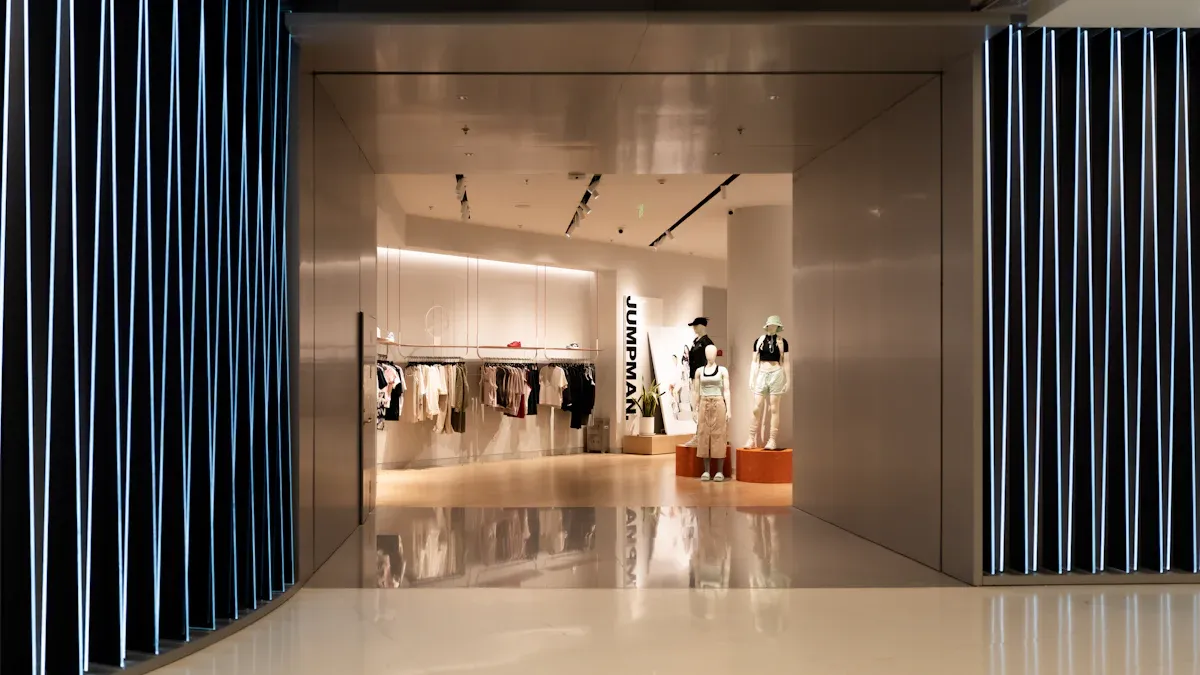
A business’s entrance significantly shapes customer perception. Its aesthetic appeal, influenced by elements like high-speed roll-up doors, significantly impacts customer perception and brand image. These doors come in various styles and finishes. Businesses can choose options that complement their overall aesthetic. A well-designed and sleek roll-up door conveys an image of professionalism and competence. This assures customers of the business’s commitment to quality and efficiency. Modern and sleek designs create an inviting entrance, attracting customers. Glass automatic doors, in particular, offer a contemporary look and increase visibility, encouraging foot traffic. Businesses can also customize these doors with tinted glass, etched logos, or unique framing. This reflects their brand identity, leaving a lasting impression and establishing a professional appearance. The visual appeal of a business’s doors, including overhead doors, significantly impacts perception and brand image. These doors are not just functional; they contribute to the facility’s aesthetic. With various design options like windows, colors, and finishes, businesses can select a style that complements their brand. The design process allows for tailoring doors to reinforce a specific brand image, whether it is a sleek modern look or a rugged industrial vibe. Furthermore, the integration of these doors with the building’s architecture enhances visual continuity and professionalism.
Perception of Innovation
Businesses that install automatic doors project an image of modernity and forward-thinking. These advanced systems signal a commitment to convenience, efficiency, and customer care. Customers often associate such technology with innovation and a business that invests in its infrastructure. This perception can differentiate a business from competitors, positioning it as a leader in its industry. The smooth, quiet operation and sophisticated appearance of automatic doors contribute to a high-tech ambiance. This reinforces the idea that the business embraces contemporary solutions. This subtle yet powerful message enhances brand reputation and attracts a clientele that values progress and quality.
Cost Savings on Manual Labor from Automatic Door Motors
Elimination of Door Attendants
Businesses constantly look for ways to optimize operational costs. Eliminating the need for human door attendants offers a significant opportunity for savings. Automatic doors perform the functions of a human attendant efficiently and consistently. They greet visitors by opening automatically. They also manage the flow of people entering and exiting the premises. This automation directly minimizes manual labor requirements. It removes the need to hire, train, and schedule staff specifically for door management. Businesses can therefore significantly cut down on labor costs, including salaries, benefits, and potential overtime expenses. This allows businesses to reallocate human resources to more strategic roles. Automating dock doors and levelers, for instance, leads to substantial cost reductions. It minimizes manual labor and reduces the time it takes to load and unload trucks. This directly cuts down on labor costs and overtime. The initial investment in automatic door technology quickly pays for itself through these ongoing labor savings. This efficiency contributes to a leaner operational model.
Reduced Maintenance Calls
Beyond labor savings, businesses also benefit from reduced maintenance expenses. Automatic door systems operate with precision and control. This minimizes the harsh impacts and jerky movements often associated with manual doors. The smooth operation reduces wear and tear on critical door components. These include hinges, frames, and glass panels. Sensors detect obstacles, preventing forceful closures or collisions. This gentle handling extends the lifespan of the entire door assembly. Businesses experience fewer breakdowns and malfunctions. This translates directly into a decrease in the frequency of maintenance calls. They spend less on repair services and replacement parts. This proactive approach to door care ensures long-term reliability. It also contributes to a more predictable budget for facility management. The durability of these systems means doors remain functional and aesthetically pleasing for many years. This protects the initial investment in the doors themselves. Businesses avoid unexpected repair bills. This contributes to overall financial stability.
Greater Safety for Patrons with Automatic Door Motors
Obstacle Detection Features
Modern automatic doors prioritize patron safety through advanced obstacle detection features. These systems incorporate AI-driven sensors. These sensors adapt to environmental changes, enhancing safety with intelligent and responsive obstruction detection. Touchless activation also reduces physical contact, minimizing germ spread. This feature has become increasingly important since the COVID-19 pandemic. Safety sensors are often placed at the bottom of the door’s path. They create a safety zone. If an obstruction, such as a person’s foot, enters this zone, the door stops to prevent injury. Modern automatic doors also incorporate force-sensing technology. This allows the door to detect resistance when it encounters an obstruction. If the resistance exceeds a safe limit, the door stops and reverses its motion. This prevents harm or damage. Some systems include audible and visual indicators. These alert patrons to door movement or obstructions. Fail-safe operations ensure doors remain open during a power failure. This prevents entrapment and allows safe egress.
Prevention of Accidents
Obstacle detection features actively prevent accidents. The Smart Autonomous Door, for example, integrates an obstacle detection function. This enhances safety by preventing accidents and damage. It includes anti-pinch functionality and an Intelligent Door Brake System. These provide maximum safety for passengers, vehicles, and traffic. Touchless obstacle detection with collision avoidance sensors triggers automatic door stops. This effectively prevents damage to vehicles and accidents involving people. Modern automatic doors immediately halt their operation upon sensing an obstruction. This critical safety mechanism prevents injuries to individuals as the door closes. Automatic sliding door operators reopen if they encounter an obstacle during closing. However, sensors primarily prevent accidents. They stop the door before it makes contact with a user. Simple light beam sensors detect an obstruction when a beam breaks. More advanced infrared and radar safety sensors are also common. These systems ensure safe and reliable operation. They reverse the door’s movement if an obstruction is detected during opening or closing. An automatic reversal system is a mandatory safety feature. It ensures a closing door reverses and reopens if it encounters an obstruction. This prevents injuries or damage to people, pets, or objects.
Investing in Automatic Door Motors represents a strategic decision for businesses. These systems enhance accessibility, improve customer experience, and achieve operational efficiencies. They offer a compelling return on investment through energy savings, enhanced security, and a modern brand image. Businesses can significantly upgrade their commercial spaces by embracing this technology.
FAQ
What types of businesses benefit most from automatic door motors?
Retail stores, hospitals, hotels, and office buildings significantly benefit. These motors enhance accessibility, improve customer flow, and elevate hygiene standards in high-traffic environments.
How long do automatic door motors typically last?
Automatic door motors generally last 10 to 15 years with proper maintenance. Regular servicing extends their operational lifespan, ensuring consistent performance and reliability for businesses.
Are automatic door motors difficult to maintain?
Automatic door motors require routine professional maintenance. This includes checking sensors, lubrication, and electrical components. Regular servicing ensures optimal performance and prevents costly repairs, simplifying upkeep.
Can existing doors be converted to automatic?
Many existing manual doors can be retrofitted with automatic door motor systems. Businesses should consult with a professional installer to assess feasibility and ensure proper integration for optimal functionality.