
Automatic Door Motors Are the Core of Modern Door Automation
Automatic door motors are the driving force behind modern automatic door systems, enabling smooth, efficient, and contactless operation. In commercial buildings, hospitals, hotels, and retail environments, automatic sliding door motors and automatic swing door motors play a vital role in improving accessibility and user experience. High-quality automatic door motor systems are designed for durability, energy efficiency, and consistent performance in high-traffic environments.
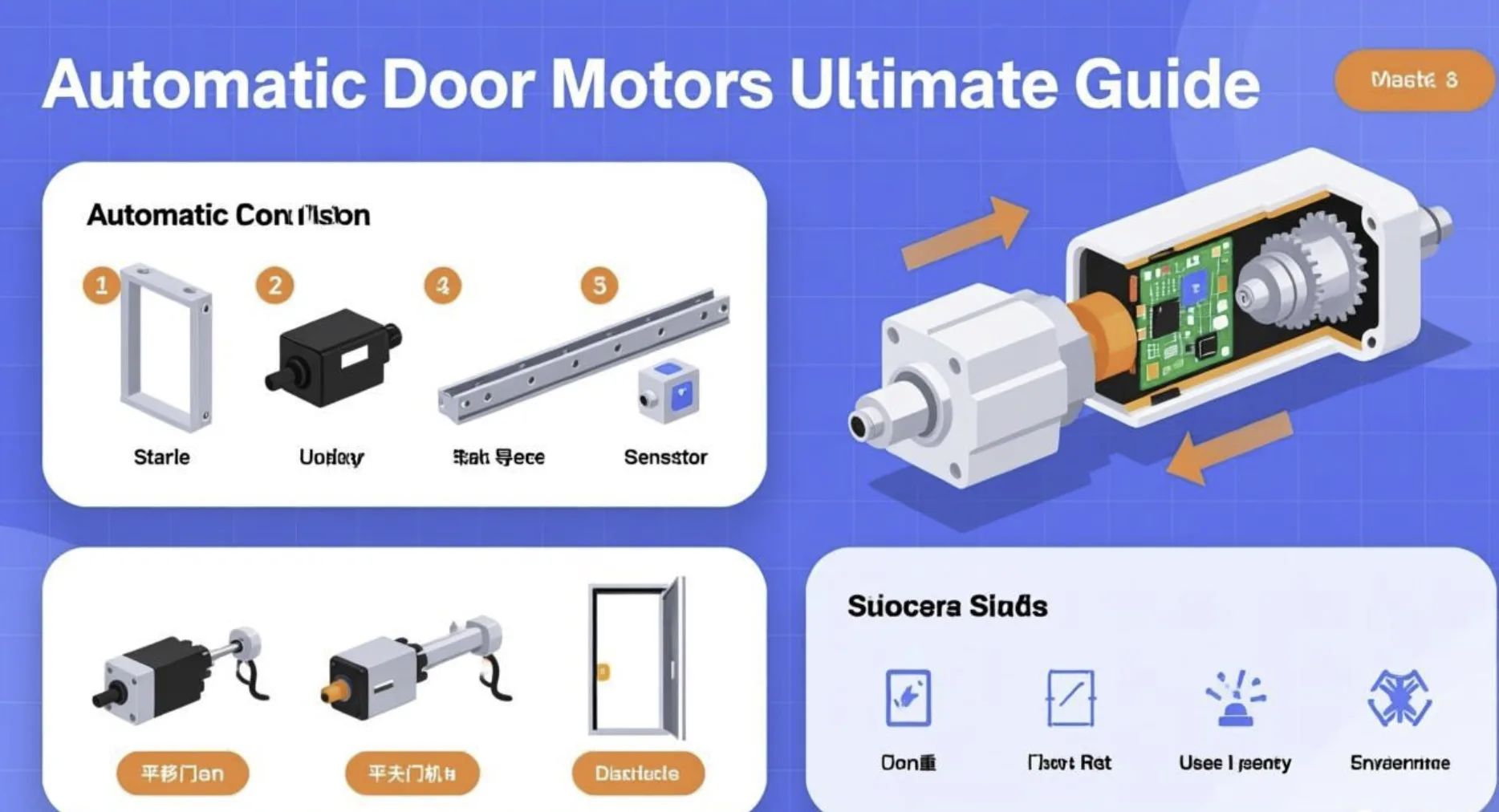
How Automatic Door Motors Work
Automatic door motors operate by converting electrical energy into mechanical motion to open and close doors. Sensors detect movement or access signals, triggering the motor to activate. Advanced automatic door motor mechanisms use control units, tracks, and drive systems to ensure precise and quiet operation. Many modern systems also integrate with pneumatic cylinder assisted door systems, combining air-powered motion with electric control for enhanced stability and load handling.
Types of Automatic Door Motors and Their Applications
There are various types of automatic door motors designed for different building needs. Automatic sliding door motors are ideal for commercial entrances with high traffic flow, while automatic swing door operators are commonly used in offices and healthcare facilities. Heavy-duty applications may incorporate industrial automatic door motors combined with pneumatic cylinder systems for additional force and control. Choosing the right type depends on door size, weight, usage frequency, and installation environment.
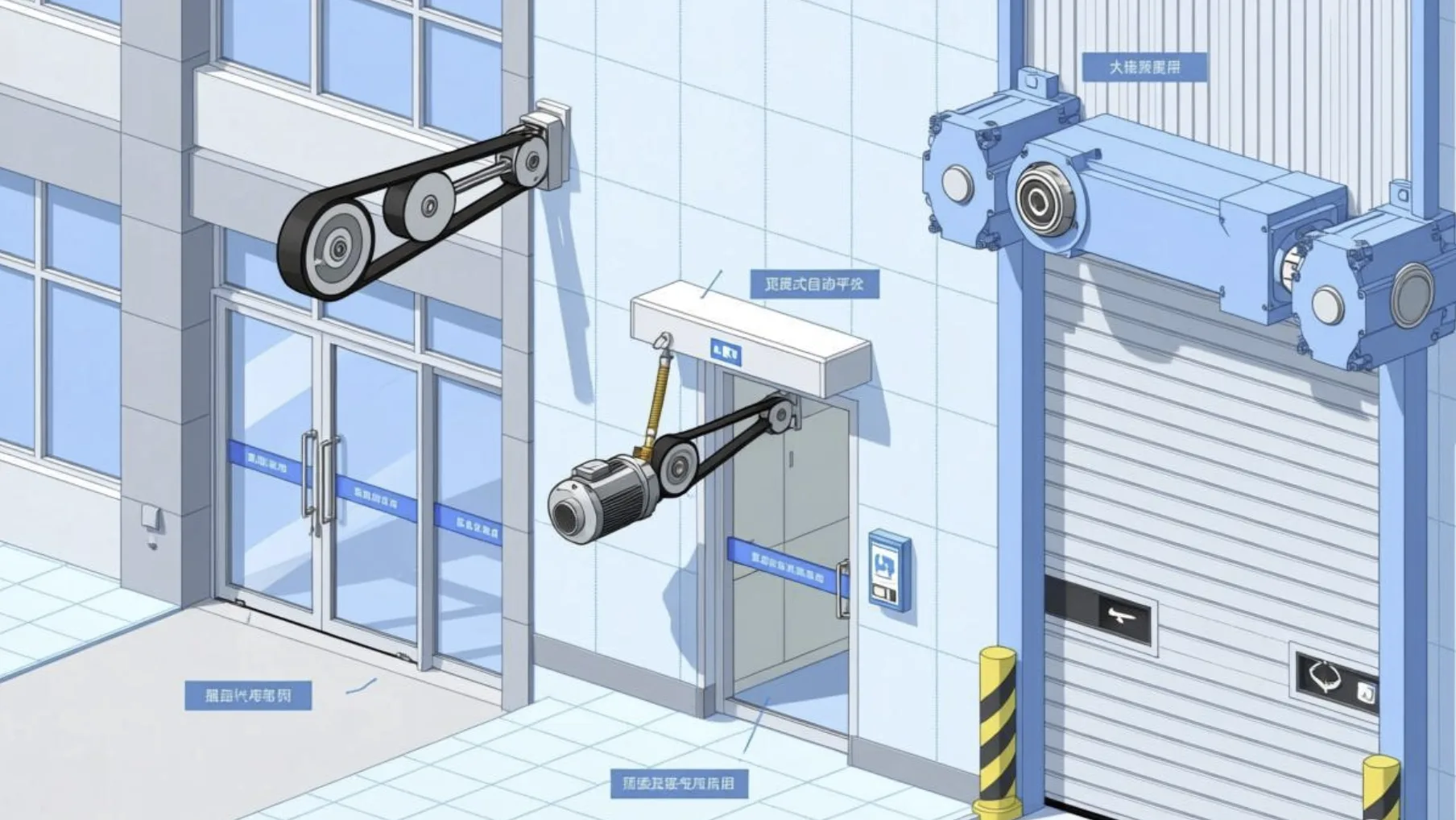
Installation and Maintenance of Automatic Door Motor Systems
Proper installation is essential to ensure the long-term performance of automatic door motor systems. This includes correct alignment, secure mounting, and integration with sensors and control systems. Regular maintenance, such as checking motor performance, lubrication, and component wear, helps extend service life. High-quality systems often include durable components and may integrate pneumatic cylinder support mechanisms to reduce mechanical stress and improve operational efficiency.
Choosing the Right Automatic Door Motor Improves Efficiency and Safety
Selecting the right automatic door motor solution is crucial for both safety and efficiency. Factors such as door type, traffic volume, environmental conditions, and automation requirements should be considered. Reliable manufacturers offer custom automatic door motor systems with advanced engineering, energy-saving features, and long-lasting performance. Integrating pneumatic cylinder technology in certain applications can further enhance motion control and load capacity.
FAQ
Q1: What is the complete guide to choosing the right automatic door motor?
A: Choosing the right automatic door motor involves evaluating door type, weight, usage frequency, and installation environment to ensure optimal performance.
Q2: What should businesses consider when buying automatic door motor systems?
A: Businesses should focus on durability, energy efficiency, safety features, and compatibility with existing door systems.
Q3: What is a beginner friendly guide to automatic door systems?
A: Automatic door systems consist of motors, sensors, controllers, and tracks that work together to enable automatic opening and closing.
Q4: What are the step by step components of an automatic door motor system?
A: A system typically includes the motor, control unit, sensors, drive mechanism, and safety devices for smooth operation.
Q5: What are the key things to know about door automation technology?
A: Door automation improves convenience, hygiene, and efficiency, and can be enhanced with advanced control systems and optional pneumatic support.