

When considering security for entryways, many people ask: Are automatic door operators safe? Generally, swing automatic door operators offer better inherent security than their sliding counterparts. This happens mainly because of their strong design and how automatic door operators work, especially their typical locking mechanisms. This built-in advantage makes swing doors a more secure basic option for many places. For example, a good automatic door operator manufacturer in Ningbo, like Ningbo Beifan automatic door operator manufacturer, often points out these differences. Knowing these things helps you learn how to choose an automatic door operator supplier that fits your security needs.
Key Takeaways
- Swing automatic doors are generally more secure than sliding doors. They have a stronger design and better locks.
- Sliding automatic doors can be made more secure. You can add special locks, alarms, and strong materials.
- Proper installation and regular check-ups are very important. They keep all automatic doors working safely and securely.
- Consider your specific needs when choosing a door. Think about how busy the area is and your budget.
- Always ask experts for advice. They can help you find the best door for your building’s security.
Inherent Security Advantages of Swing Automatic Door Operators

Swing automatic door operators generally offer a stronger security baseline. Their design and construction naturally resist forced entry more effectively than sliding doors. This section explores the specific advantages that make swing doors a more secure choice.
Robust Construction and Frame Integration
Swing doors often feature more robust construction. They typically use heavier, more durable materials for both the door leaf and its frame. For example, many secure swing doors use hollow metal steel. This material comes in various configurations, including flush doors, single doors with sidelites or transoms, and double doors with sidelites or transoms. These options provide significant structural integrity.
| Material Type | Frame Design | Notes |
|---|---|---|
| Hollow Metal Steel | Flush Door and Frame | Available in single and double door configurations, various sizes. |
| Hollow Metal Steel | Single Door with Sidelite and/or Transom | |
| Hollow Metal Steel | Double Door with Sidelite and/or Transom |
Beyond the door itself, the operator’s construction also matters. The LEADER AUTOMATIC SWING DOOR OPERATOR SW100, for instance, uses an aluminum alloy material for its frame. This choice creates a reasonable and reliable transmission structure, ensuring long-term durability. For specialized environments, manufacturers use stainless steel (304 or 316) for door frames. This material resists disinfectants and prevents contaminant production during sterilization. Its continuous-seam design eliminates cracks and crevices, making cleaning and sterilization easy. This seamless construction, especially with CleanSeam™ stainless steel, enhances durability and hygiene. It removes areas where contaminants could accumulate, making these doors suitable for controlled environments. This strong integration of materials and design makes swing automatic door operators inherently more resistant to physical attacks.
Superior Locking Mechanism Integration
Swing doors allow for the integration of more traditional and robust locking mechanisms. They can accommodate heavy-duty deadbolts, multi-point locking systems, and electromagnetic locks directly into the door frame and jamb. These locks engage deeply with the surrounding structure, creating a formidable barrier. A swing door closes into a solid frame, providing a stable point for the lock bolt to secure. This direct engagement makes it much harder for intruders to pry the door open or force the lock. Sliding doors, by contrast, often rely on locks that engage with the track or a less substantial part of the door, which can be easier to compromise. The ability to use standard, high-security locks gives swing doors a significant advantage in preventing unauthorized access.
Tighter Seal and Resistance to Forced Entry
A swing door closes much like a traditional door, fitting snugly into its frame. This design creates a tight seal around the perimeter of the door. This tight fit leaves very little gap for intruders to exploit. They cannot easily insert pry bars or other tools to force the door open. The door essentially becomes a solid, integrated part of the wall when closed and locked. This contrasts sharply with sliding doors, which often have inherent gaps or tolerances in their design to allow for smooth movement. These small gaps, even if minimal, can become vulnerabilities for forced entry. The tight seal of a swing door significantly increases its resistance to prying and other forms of physical attack.
Enhanced Deterrent Against Ramming
Swing automatic door operators offer a much stronger defense against ramming attacks. Imagine a vehicle or a heavy object trying to force its way through an entrance. A swing door closes into a solid, fixed frame. This creates a rigid barrier. The door leaf, often made of robust materials, and its sturdy frame work together to absorb and distribute the impact force. The hinges, which attach the door to the frame, are also designed to withstand significant direct pressure. When a swing door is locked, its locking mechanisms engage deeply with the door jamb, making it incredibly difficult to dislodge the door from its position.
Tip: Think of a swing door like a solid wall that temporarily opens. When it closes, it becomes part of that wall again.
Sliding doors, on the other hand, present different vulnerabilities. Their design relies on a track and roller system. A strong ramming force can cause a sliding door to derail from its track. It can also damage the rollers or the motor mechanism. This makes the door ineffective as a barrier. The force might even push the entire door panel out of its frame. Swing doors, with their direct connection to the building’s structure through hinges and a solid frame, resist these types of attacks much more effectively. They stand firm against direct, forceful impacts, making them a superior choice for locations needing protection against ramming.
Security Limitations of Sliding Automatic Door Operators
Sliding automatic door operators offer convenience and save space, but they often come with inherent security weaknesses. Their design, while efficient for movement, can create vulnerabilities that make them less secure than swing doors. Understanding these limitations helps you make informed decisions about your security needs.
Vulnerabilities in Track and Roller Systems
Sliding doors move along a track system, relying on rollers to guide them. This system, while essential for their operation, presents a significant security weakness. Attackers can target these components. For instance, a strong impact or persistent force can cause the door to derail from its track. Once a door leaves its track, it loses its structural integrity and becomes much easier to push aside or remove entirely.
Think about it: If a door cannot stay on its path, it cannot protect the entrance.
The rollers themselves can also be vulnerable. They might break or become damaged, especially if someone tries to force the door. Damaged rollers make the door difficult to operate and can create gaps. Tampering with the track or rollers can disable the door’s automatic function, leaving it unsecured. These mechanical parts are often exposed or accessible, making them potential targets for those trying to bypass security.
Challenges with Locking Mechanism Integration
Integrating robust locking mechanisms into sliding automatic door operators presents unique challenges. Unlike swing doors, which can use heavy-duty deadbolts that secure into a solid frame, sliding doors often lack a substantial fixed point for locks to engage deeply. Many sliding door locks engage with the track itself or with a less sturdy part of the door panel.
- Limited Engagement: Locks might only secure the door to the track, not to the building’s main structure.
- Weaker Points: The locking points can be less substantial, making them easier to force open.
- Complex Solutions: Achieving high security often requires specialized, more complex, and sometimes more expensive locking solutions for sliding doors.
These limitations mean that standard, high-security locks, common on swing doors, do not always translate effectively to sliding door designs. This can leave sliding doors more susceptible to forced entry, as the locking mechanism might be the weakest link.
Gaps and Potential for Prying
Sliding automatic door operators, by their very nature, require small gaps to function smoothly. The door panel needs space to move within its frame and along its track. These necessary gaps, even if small, create potential entry points for intruders.
An attacker can insert tools like pry bars into these gaps. They can then use leverage to force the door open, damage the locking mechanism, or even lift the door off its track. The tight seal of a swing door makes this type of attack much harder. Sliding doors, however, often have a slight tolerance around their edges. This tolerance allows for movement but also provides an opportunity for malicious intent. Even a tiny gap can become a significant vulnerability when someone applies force with a tool. This makes sliding doors inherently less resistant to prying attempts compared to their swing counterparts.
Susceptibility to Derailment
Sliding automatic door operators face a significant security weakness: they can derail. These doors move on a track system. Rollers guide the door panel along this track. This design allows for smooth, horizontal movement. However, it also creates a point of vulnerability.
Imagine someone applies a strong, sudden force to a sliding door. This force could come from a vehicle, a heavy object, or even a determined intruder. Such an impact can easily push the door panel off its track. Once a door leaves its track, it loses all its structural integrity. It no longer functions as a secure barrier.
Think about it: A door off its track is like a gate with broken hinges. It just does not protect anything anymore.
When a sliding door derails, several security problems arise. First, the door becomes easy to push aside. An intruder can simply shove the door out of the way, creating a wide-open entry. Second, derailment often creates large gaps between the door panel and the frame. These gaps make it simple for someone to slip through or to pry the door further open. The rollers or the track itself can also suffer damage. This damage makes the door impossible to operate correctly. It leaves the entrance exposed and unsecured.
Swing doors do not have this problem. They attach to the building frame with strong hinges. These hinges hold the door firmly in place. A swing door closes into a solid jamb. This design makes it very difficult to dislodge the door from its position. It resists direct impacts much better than a sliding door’s track and roller system. Therefore, the risk of derailment makes sliding doors less secure against forceful entry attempts.
Operational Differences and Their Security Implications for Automatic Door Operators
The way automatic doors operate also plays a big role in their security. Beyond just the physical design, how a door is installed, how much space it uses, and even how much noise it makes can affect how secure an entrance truly is.
Installation Complexity and Security
The complexity of installing an automatic door operator directly impacts its security. Swing doors often have a more straightforward installation process. They attach to a frame with hinges, much like a regular door. This simpler setup means fewer potential points of failure if installers follow proper procedures. A well-installed swing door integrates tightly with the building’s structure, making it very secure.
Sliding doors, however, involve more intricate systems. They need precise alignment for tracks, rollers, and sensors. If installers do not set up these components perfectly, it can create vulnerabilities. For example, a misaligned track could make the door easier to derail. Poorly calibrated sensors might not detect obstructions, leading to damage or gaps. Therefore, the higher complexity of sliding door installation means that security relies heavily on the expertise of the installation team.
Space Utilization and Security Risks
Sliding doors are popular because they save space. They move horizontally, so they do not need a large clear area to open. This is great for crowded hallways or small lobbies. However, this space-saving design can introduce security risks. To move, sliding doors need small gaps between the door panel and the frame. These gaps, as discussed earlier, can be targets for prying tools.
Swing doors, on the other hand, require more space to open. They swing inward or outward, needing a clear arc. While this takes up more room, it allows for a much tighter seal when the door closes. This tight fit eliminates the gaps that sliding doors often have. The solid closure of a swing door, combined with its robust frame integration, offers a more secure barrier, even if it means sacrificing some floor space.
Noise Levels and Covert Entry
The noise an automatic door operator makes can also have security implications. A loud door often acts as a deterrent. Anyone trying to enter or exit covertly would find it difficult to do so without drawing attention. The sound of the motor, the door moving, or the locking mechanism engaging can alert people nearby.
However, modern automatic door operators are becoming increasingly quiet. Some of the quietest models, like certain garage door openers, have decibel ratings below 60 dB. While quiet operation is a benefit for user comfort, it could pose a security risk in some situations. A very quiet door might allow an unauthorized person to enter or exit a building without being noticed. For high-security areas, a door that makes a noticeable sound upon operation might actually be a desirable security feature, providing an audible alert that the door is in use.
Enhancing Security for Both Types of Automatic Door Operators
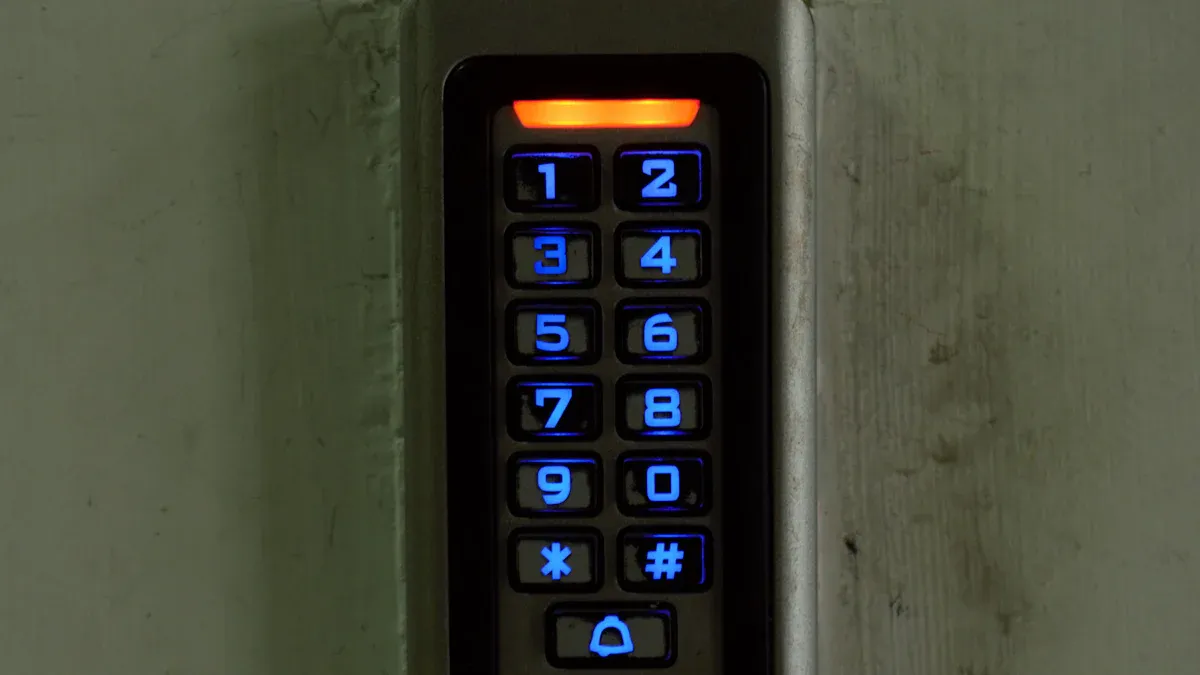
You can significantly boost the security of any automatic door, whether it swings or slides. This often involves adding extra layers of protection. These enhancements address specific vulnerabilities and create a more secure entry point.
Advanced Access Control Systems Integration
Integrating advanced access control systems makes a big difference. These systems go beyond simple keys. They use technology to manage who can enter and when. Think about card readers, biometric scanners (like fingerprint or facial recognition), or even mobile credentials. These systems ensure only authorized people can activate the automatic door operators. They also create a digital record of every entry and exit. This helps track activity and identify any suspicious events. You can program these systems to restrict access during certain hours or for specific individuals. This adds a powerful layer of digital security to your physical doors.
Reinforced Materials and Glazing Options
Choosing the right materials makes doors much stronger. For example, hollow metal doors are a top choice for high-traffic and high-security areas. They offer exceptional durability and resist impact and forced entry very well. These doors work great with automatic swing door operators and can even include fire-rated cores for extra safety. Steel commercial doors also provide unmatched strength and durability, ensuring long-lasting security. You can also find metal doors, including commercial metal and hollow metal options, which resist wear and tear and offer enhanced protection.
💡 Tip: Both hollow metal and aluminum doors come with various glazing options. This means you can customize them to fit your building’s look and security needs.
Even specialized glass doors can integrate into security solutions, balancing aesthetics with function. These reinforced materials make it much harder for someone to physically break through the door.
Integrated Alarm and Surveillance Systems
Connecting your automatic doors to alarm and surveillance systems provides constant monitoring. Security cameras can watch the entry point, recording all activity. If someone tries to force the door or tamper with the access control, an integrated alarm system can trigger immediately. This sends alerts to security personnel or local authorities. The presence of visible cameras and alarm sensors also acts as a strong deterrent to potential intruders. These systems work together to create a comprehensive security solution, giving you peace of mind.
Professional Installation and Maintenance Protocols
Proper installation and ongoing maintenance are critical for any automatic door’s security. When someone installs an automatic door, they must do it right from the start. Hiring a licensed and experienced professional is crucial. These experts possess the necessary knowledge, skills, and tools for correct and safe installation. They know how to choose the right operator for the door’s size, weight, and type. They also follow the manufacturer’s exact steps for wiring, mounting, and adjustment procedures.
After installation, these professionals always test important safety features. This includes auto-reverse mechanisms and photo-eye sensors. They ensure these work perfectly. They also securely mount the operator with appropriate hardware and brackets. This prevents vibrations and ensures smooth operation. They follow electrical codes for proper wiring and connections. They also calibrate the operator’s speed, force, and travel limits.
Even after a perfect installation, doors need regular care. People should schedule professional maintenance checks. These checks involve inspecting, lubricating, and tightening hardware. They also ensure safety features continue to work.
- Regular Inspections: Look at the door, operator, and parts monthly for wear or damage.
- Lubrication: Lubricate moving metal parts to reduce friction.
- Check Safety Features: Test auto-reverse and photo-eye sensors often.
- Tighten Hardware: Check and tighten bolts and screws on the door and operator.
Only AAADM certified technicians should perform service work on automatic door systems. Many businesses choose preventative commercial door maintenance programs. Technicians regularly inspect automatic doors to stop problems before they start. These plans can range from basic safety checks to full coverage for labor and parts. A quick daily safety check also helps. People should watch for doors that open harder, make more noise, or move too fast or too slow. If someone notices changes, they should contact a professional for inspection and repair.
Situational Suitability and Security Trade-offs for Automatic Door Operators
Choosing the right automatic door operator involves balancing many factors. Security is a big one, but it often interacts with other practical needs. Understanding these trade-offs helps you make the best decision for your specific situation.
High-Traffic Environments and Security Needs
High-traffic areas, like building entrances, often use high-energy automatic sliding doors. They handle many people efficiently. However, their fast operation can create security concerns. For example, they might pose difficulties for people using mobility devices if they lack sensors to pause door movement. Modern commercial door operators boost security in these busy places. They integrate with access control and security platforms. This integration allows remote lock/unlock functions, diagnostics, and cycle reporting. These features reduce human error, improve safety, and optimize flow. They also let facilities control who enters, track entry activities, and quickly respond to security incidents.
Failing to update door systems in high-traffic areas brings significant financial and operational risks. These include:
- Injury Costs: People can get shoulder and back injuries from manual operation. This leads to lost time and workers’ compensation claims.
- Compliance Fines: You risk fines for not meeting industry rules that require secure, automatic closures, like OSHA.
- Security Risks: Old systems not connected to access control create weaknesses. This makes it hard to control who enters and track activity.
Low-energy automatic sliding doors can greatly improve security. They integrate with access control systems. This integration restricts door access to authorized people. It also logs credentials used for operation. This feature is important for sensitive areas like medication rooms or places with hazardous materials. Tracking entry activity is crucial there.
Budgetary Considerations for Security Features
Security features often come with a price tag. High-security automatic doors, especially those with advanced access control or reinforced materials, cost more. You must weigh the level of security needed against your available budget. Sometimes, a less expensive door with strong supplementary security measures can offer good protection. Other times, the risk is too high to compromise on the door’s inherent security.
Aesthetic Preferences Versus Security Priorities
The look of a door matters for many buildings. Architects and designers often prefer sleek, modern designs. These might include large glass panels or minimalist frames. However, these aesthetic choices can sometimes conflict with top-tier security. For example, a full-glass sliding door might look appealing but offers less physical resistance than a solid, reinforced swing door. You must decide if visual appeal outweighs certain security advantages. Often, you can find a good balance between design and protection.
Specific Site Constraints and Security Solutions
Every building has its own unique challenges. These challenges directly impact the best security solutions for automatic doors. You must consider these specific site constraints when choosing between swing and sliding operators.
For example, some locations have very limited space. A narrow hallway or a small lobby might not have enough room for a swing door to open fully. In these cases, a sliding door becomes the only practical option. Even with its inherent security limitations, you can enhance a sliding door’s security. You can add robust locking mechanisms or reinforced tracks.
Architectural limitations also play a big role. A historical building might have strict rules about altering its structure. This could limit the types of doors or operators you can install. You might need custom-fitted solutions that blend with the existing design. These solutions often require specialized engineering to maintain security without compromising aesthetics.
Environmental factors also matter.
- Extreme weather: Locations with high winds or heavy snow need doors that can withstand these conditions.
- Dusty environments: Industrial settings with a lot of dust require sealed systems to protect the operator’s internal components.
These factors affect the door’s durability and long-term security. A door that fails due to environmental stress becomes a security risk.
Ultimately, you need to find solutions that fit your specific site. This often means working with experts. They can assess your building’s unique needs. They then recommend tailored security measures. These measures balance the door’s functionality with its protective capabilities.
💡 Tip: Always consult with an automatic door specialist. They help you navigate site constraints and find the most secure, practical solution.
Swing automatic door operators offer better security. Their design, strong build, and superior locks make them a safer choice. Sliding automatic doors can also be secure. However, they often need more added features to fix their weak points. The best choice depends on your specific security needs, how you use the door, and the building’s conditions. Consulting with security and automatic door experts is crucial. They give tailored recommendations that balance security with other practical considerations.
FAQ
What type of automatic door offers better security?
Swing automatic door operators generally offer better inherent security. Their design and robust construction make them more resistant to forced entry. They also integrate superior locking mechanisms.
Can you make sliding automatic doors more secure?
Yes, you can enhance sliding door security. Add advanced access control systems and reinforced materials. Integrated alarms and surveillance also boost their protection. Professional installation and maintenance are crucial.
What makes swing doors inherently more secure than sliding doors?
Swing doors have robust construction and integrate tightly with their frames. They use superior locking mechanisms. They also create a tighter seal, resisting prying. Swing doors offer enhanced deterrence against ramming attacks.
Does regular maintenance affect automatic door security?
Absolutely. Regular professional maintenance ensures all security features work correctly. It keeps the door operating smoothly and prevents vulnerabilities from wear and tear. This is vital for long-term security.
Should I consider my budget when choosing security features?
Yes, budget is an important factor. High-security features often cost more. You must balance your security needs with what you can afford. Sometimes, a less expensive door with strong added security measures works well.