

Many homeowners consider upgrading their property. An Automatic Sliding Door Operator presents a modern solution for access. People often weigh the benefits of an Automatic Sliding Door System against potential drawbacks. This decision involves evaluating how such a system aligns with their lifestyle. It also considers the specific needs of their property. While a Commercial Sliding Door Operator serves high-traffic areas, residential versions prioritize convenience and safety. A Sliding Door Operator with Safety Sensor offers peace of mind. Proper Sliding Door Operator Installation ensures long-term functionality.
Key Takeaways
- Automatic sliding doors offer great convenience and make homes more accessible for everyone. They open by themselves, which helps people with disabilities or when your hands are full.
- These doors can make your home safer with features like sensors that stop the door if something is in the way. They also help save energy by closing quickly and tightly.
- Installing an automatic door costs money at first, and it needs regular check-ups. It is important to think about these costs and the need for professional help.
- Before you choose, consider your family’s needs, your budget, and if the door will fit your current setup. Always check local building rules too.
- An automatic door is a smart choice for better access, modern living, and saving energy. However, a manual door might be better if you want to save money or use the door less often.
The Advantages of an Automatic Sliding Door Operator
Enhanced Convenience and Ease of Access
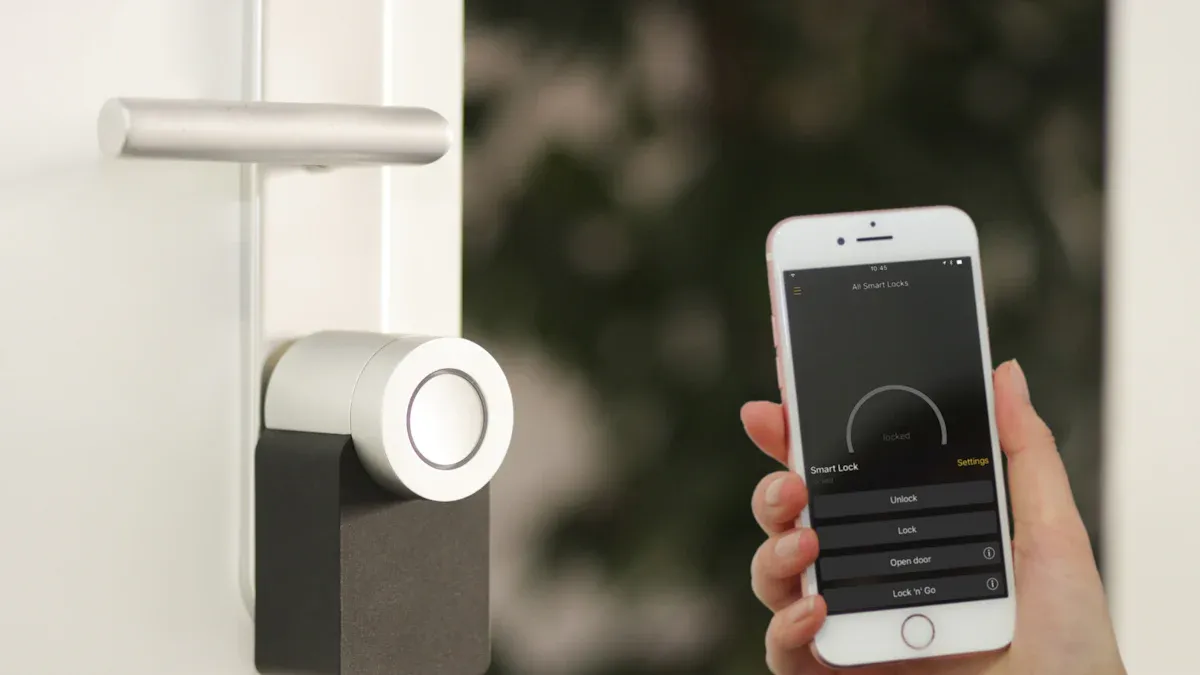
Automatic sliding door operators significantly enhance convenience and ease of access for all users. These systems eliminate the need for manual effort. Sensors detect movement, prompting the doors to open automatically. This hands-free operation is particularly advantageous in various settings. It improves foot traffic flow and makes entry and exit easier for everyone. Users no longer need to push or pull handles. This feature is especially beneficial in environments where hygiene is a concern. It reduces physical contact with surfaces.
Improved Accessibility for All
Automatic sliding door operators greatly improve accessibility for individuals with diverse needs. These doors meet stringent accessibility standards. They provide a minimum clear opening width of 32 inches. This ensures ample space for mobility aids. The maximum operating force required is only 5 pounds. This allows individuals with limited strength to operate the doors effortlessly.
Automatic doors are designed to meet Americans with Disabilities Act (ADA) standards. They ensure accessibility for all users. Key features include:
- A minimum clear opening width of 32 inches when open.
- A maximum operating force of 5 pounds.
- Level landings on both sides with specific maneuvering clearances for wheelchair users.
- Automatic operation eliminates manual effort, benefiting those with limited strength or mobility.
- Increased independence for seniors and individuals with disabilities, enhancing their autonomy.
These systems also feature level landings on both sides. This provides necessary maneuvering clearances for wheelchair users. The doors remain open for a sufficient duration. This allows individuals using mobility aids to pass through safely. Some manufacturers offer self-closing options. These options reduce strain on occupants with limited mobility. Low-energy automatic operators with safety sensors can be added. Users can activate these by waving, pressing a button, or sensing proximity. This comprehensive design ensures effortless navigation for everyone.
Boosting Home Security with an Automatic Sliding Door Operator
An Automatic Sliding Door Operator can significantly boost home security. Modern systems integrate advanced features designed to protect property and occupants. They offer more than just convenience.
Modern sliding door operators incorporate several security features:
- S4A M-227B Safety Sensors: These sensors create a safety zone at the door’s path. They stop the door if an obstruction is detected.
- Force Sensing: This technology detects resistance. The door stops and reverses if resistance exceeds a safe threshold. This prevents injury or damage.
- Adjustable Hold-Open Time: Systems are programmed with an adjustable hold-open time. This prevents the door from remaining open indefinitely. It reduces the risk of unauthorized entry.
- Emergency Stop Buttons: Some systems include buttons to immediately halt door motion in critical situations.
- Battery Backup: A battery backup system ensures continued function during power outages. This allows safe exit from the building.
- Manual Override: Users can manually open or close the door during system malfunctions or power failures.
- Audible Alarms and Visual Indicators: These activate when an obstruction is detected or the door is in motion. They alert individuals to exercise caution.
These integrated safety and security features provide peace of mind. They ensure the door operates safely and securely at all times. Compliance with safety standards further guarantees the correct operation of these features.
Energy Efficiency Benefits of an Automatic Sliding Door Operator
An Automatic Sliding Door Operator significantly contributes to a home’s energy efficiency. These systems reduce air exchange between indoor and outdoor environments. This helps maintain consistent indoor temperatures. They minimize air leakage by sealing tightly, which stabilizes indoor temperatures and lowers energy consumption.
Automatic sliding door operators utilize sensors. These sensors ensure doors remain closed when not in use. This reduces air infiltration and enhances insulation. Consequently, the demand on heating and cooling systems lessens. The doors open only when necessary. This minimizes the impact of outside temperatures on indoor environments. It also reduces the influx of cold or hot air. The quick closing feature helps maintain the desired indoor climate. This leads to lower heating and cooling costs. Some systems integrate air curtains. Air curtains further prevent heat exchange. This decreases the demand on heating and cooling systems. Timers ensure doors close when not in use. This further reduces energy consumption and helps maintain indoor temperature.
Automatic sliding doors can cut energy consumption by up to 50% compared to traditional doors. These systems can lower energy use by up to 50%. They lead to lower heating and cooling costs. They improve HVAC efficiency. They also offer significant savings on utility bills by minimizing heat loss. These systems support sustainability. They lower energy consumption and reduce carbon emissions. This makes them ideal for eco-friendly buildings.
Modern Aesthetic and Property Value
An Automatic Sliding Door Operator enhances a home’s modern aesthetic. These systems offer a sleek, contemporary look. They integrate seamlessly into various architectural styles. The absence of visible handles or manual mechanisms creates a clean, minimalist appearance. This contributes to an upscale feel. Homeowners often choose automatic doors for their sophisticated design. They provide a touch of luxury.
Installing an automatic sliding door can also increase property value. Potential buyers often view modern amenities as desirable features. An automatic door signals a technologically advanced and well-maintained home. It suggests convenience and accessibility. This can make a property more attractive in the real estate market. The perceived value of a home rises with such upgrades. This makes it a worthwhile investment for homeowners looking to modernize their living space and boost its market appeal.
Potential Drawbacks of an Automatic Sliding Door Operator
Initial Investment and Installation Costs
Installing an automatic sliding door operator involves a significant initial financial outlay. Homeowners must consider the cost of the operator unit itself. These units vary in price based on features, brand, and technology. Professional installation also adds to the overall expense. Specialized technicians ensure correct setup and calibration. This prevents future malfunctions and ensures safe operation. The combined cost can be a deterrent for budget-conscious individuals. This upfront investment requires careful financial planning.
Installation Complexity for an Automatic Sliding Door Operator
The installation of an automatic sliding door operator presents several technical complexities. These systems require precise integration of mechanical, electrical, and software components. Errors during installation can lead to operational issues or safety hazards.
- Modular Design and Wiring Errors: Control systems often feature a modular design. This increases the risk of incorrect peripheral connections. For example, connecting a 24V DC output to a signal input can damage components. Confusing normally open/closed contacts for locks also causes incorrect device behavior.
- Poor Cable Management: Disorganized wiring creates signal interference. High-current motor cables can interfere with sensitive signal wires. This results in erratic door operation. Poor cable management also increases the risk of physical damage to wires from moving parts. It complicates future troubleshooting efforts.
- Firmware and Parameter Pitfalls: Using incompatible firmware or incorrectly setting parameters leads to inefficient operation. Incorrect speeds or hold-open times can stress mechanical components. This also violates safety standards.
- Electric Lock Integration Issues: Mistakes include installing the wrong type of lock. Incorrect timing logic can cause the motor to attempt opening the door before the lock disengages. This leads to significant mechanical strain and damage.
- Battery Backup and Emergency Function Misconfigurations: Errors involve insufficient testing of battery backup systems during power failures. Incorrect programming of power-fail behavior or improper wiring compromises safety during critical events.
- Manual Override and Breakout Function Problems: Mechanical errors, such as blocking breakout paths, hinder safe egress. Incorrectly setting breakout resistance makes it too hard or too easy to push open. Failing to provide proper signage also creates safety concerns.
- Skipping Commissioning Steps: Neglecting crucial steps like learning cycles or force limitation testing leads to unsafe operation. Thorough documentation is also essential for compliance and future maintenance.
These complexities highlight the importance of professional installation. Expert technicians possess the knowledge and tools to manage these intricate processes.
Ongoing Maintenance Requirements
Automatic sliding door operators require regular maintenance to ensure optimal performance and longevity. Homeowners must commit to a consistent maintenance schedule. This includes routine checks and professional servicing.
- Monthly Maintenance Tasks:
- Conduct a visual inspection for physical damage, misalignment, or debris accumulation.
- Clean sensor lenses and surrounding areas with a soft, lint-free cloth and suitable cleaning solution.
- Perform a basic functionality test. Trigger sensors and observe door response for smooth operation.
- Quarterly Maintenance Tasks:
- Check sensor alignment. This ensures proper positioning and detection zone coverage.
- Adjust sensor sensitivity as needed. This optimizes performance and prevents false triggers.
- Inspect wiring and connections for security, integrity, and absence of corrosion.
- Yearly Maintenance Tasks:
- Schedule a professional inspection and maintenance service. This includes cleaning, calibration, and testing.
- Install any available software updates for the sensor or door control system.
- Replace batteries in battery-powered sensors according to manufacturer recommendations.
Neglecting these maintenance tasks can lead to decreased efficiency, increased wear and tear, and potential safety issues. Regular maintenance helps prevent costly repairs and extends the lifespan of the system.
Risk of Malfunctions and Repair Needs
Homeowners considering an automatic sliding door operator must acknowledge the potential for malfunctions and the associated repair needs. Like any complex mechanical and electronic system, these operators can experience various issues. These problems can disrupt daily routines and incur unexpected costs.
Common malfunctions reported for automatic sliding door operators include:
- Sensor Failure: Dirty, misaligned, or faulty wiring in sensors can prevent the door from opening or cause it to open too slowly.
- Track Misalignment: Dirt, corrosion, or physical impacts can knock tracks out of place. This leads to jamming, dragging, or the door failing to close completely.
- Motor or Drive System Wear: Worn belts, gears, or bearings within the motor can cause slow, uneven movement or complete door stoppage.
- Door Control or Access System Problems: Malfunctions in card readers, keypads, or other access systems can prevent doors from opening or closing properly.
- Alignment and Seal Problems: Misaligned doors or worn seals can lead to drafts, dust, or increased noise.
Specific operational issues also arise:
- Door Fails to Open or Close Automatically: This often stems from a disconnected power supply, a sensor not detecting motion, a malfunctioning control panel, or a blocked safety beam.
- Door Opens or Closes Too Slowly: Low-speed settings, dirty or worn tracks/rollers, or an underperforming motor can cause this issue.
- Door Reverses or Stops Midway: Obstructions in the door’s path, overly sensitive obstacle detection settings, or a faulty safety sensor are common culprits.
- Door Produces Excessive Noise: Loose hardware, misaligned rollers, worn bearings, guide wheels, or a lack of lubrication often cause this.
- Remote or Access Control Not Working: Dead batteries in the remote, signal interference, or a faulty receiver/keypad system can lead to this problem.
- Door Remains in Open or Closed Position: The system might be in manual or ‘hold-open’ mode, or a faulty limit switch or control board error could be responsible. A power surge might also trigger a lockout.
Several factors contribute to these malfunctions. Improper door installation, including incorrect alignment, poorly calibrated sensors, or inadequate structural support, can cause unpredictable door function and safety issues. Sensor malfunctions, such as sensors failing to detect motion, can cause doors to close prematurely or not open at all. A lack of regular maintenance, leading to worn components, misaligned parts, worn rollers, loose tracks, or faulty wiring, compromises door safety and operation. Blocked door tracks, due to debris or obstructions, can cause doors to jam or move irregularly. These issues highlight the importance of professional installation and consistent maintenance.
Operational Noise Considerations
The operational noise of an automatic sliding door operator is an important consideration for homeowners. While modern technology has significantly reduced noise levels, some systems can still produce audible sounds during operation. Homeowners should evaluate their tolerance for noise, especially if the door is near living areas or bedrooms.
The noise level of an automatic sliding door operator varies significantly by model and technology.
| Model/Type | Noise Level (dB) |
|---|---|
| Industry Standard | 40 |
| Base Model | <35 |
| Advanced Model | <30 |
| Pro Model | <25 |
| Magnetic Levitation | 25 |
| Silent Mode | <30 |
The industry standard for automatic door noise is around 40 dB. However, many advanced models offer quieter operation. For instance, systems utilizing magnetic levitation drive technology can achieve noise levels as low as 25 dB. This represents a 30% reduction compared to industry benchmarks. Modern automatic sliding door operators featuring brushless DC motors can also achieve noise levels as low as 45 dB. This is comparable to the quietness of a library or a soft whisper. Homeowners seeking minimal noise should prioritize models with advanced motor technology or magnetic levitation systems.
Safety Concerns and Features of an Automatic Sliding Door Operator
While automatic sliding door operators offer convenience, they also present potential safety concerns if not properly designed, installed, and maintained. The primary risks involve the door closing on an individual or an object, causing injury or damage. However, manufacturers integrate numerous safety features to mitigate these risks.
Essential safety features for automatic sliding door operators include:
- Sensor Systems for Obstacle Detection: These systems use various technologies to detect obstructions. Infrared sensors detect presence and stop or reverse the door. Microwave motion sensors detect movement, triggering the door to open. Pressure sensors detect changes in pressure, stopping or reversing the door upon contact.
- Safety Beams and Curtains: Safety beams create an invisible barrier. If something breaks this barrier, the door stops or reverses. Light curtains use multiple infrared beams. If anything interrupts these beams, the door stops or reverses. These provide additional protection, especially in the door’s closing path.
- Emergency Stop and Manual Override: Emergency stop buttons allow immediate halting of door operation in critical situations. Manual override mechanisms enable manual operation during power failures or system malfunctions, ensuring safe egress.
- Compliance with Safety Standards: Adherence to standards like ANSI/BHMA A156.10 and EN 16005 ensures the doors meet rigorous safety requirements. These standards dictate performance, testing, and installation protocols.
- User Safety Features: These include a slow speed mode, which reduces movement speed, and soft start and stop functions, which ensure smooth operation without abrupt movements. Visual and audible alerts warn users of door movement, prompting caution.
- Presence Sensors: These detect individuals near the door, preventing it from closing on them.
- Slow Start and Stop Functionality: This ensures smooth operation by preventing abrupt movements.
- Battery Backup Systems: These allow temporary door operation during power outages, ensuring continued access or egress.
- Low Energy Mode: This reduces opening and closing force, making the door safer for environments with limited mobility users.
- Diagnostic and Monitoring Systems: These continuously assess performance, detect issues, and provide alerts for maintenance, ensuring ongoing safe operation.
These integrated safety features are crucial. They ensure the automatic sliding door operator operates safely and securely at all times, protecting occupants and property.
Key Factors Before Choosing an Automatic Sliding Door Operator
Your Household’s Specific Needs and Lifestyle
Homeowners must carefully consider their household’s specific needs and lifestyle before selecting an automatic sliding door operator. The composition of a household significantly influences the choice of features. For families with young children, safety features become paramount. Childproof locks, designed to be out of reach, provide an extra layer of security. Decals or stickers placed at children’s eye level make clear glass sliding doors more visible, preventing accidents. Door stoppers or guards prevent the door from sliding completely open or closed, reducing the risk of pinched fingers. Safety bars or rods in the track act as physical barriers, preventing outside access and enhancing childproofing. Regular maintenance ensures the door slides smoothly, minimizing hazards from loose components.
For households with elderly members or individuals with physical or cognitive disabilities, accessibility and ease of use are crucial. Child Senior Safety offers solutions for any family member requiring extra safety precautions. These solutions include customized gates, various locks, appliance and electric safety, furniture safety, pool gates, grab bars, and wheelchair ramps. An automatic door system can integrate with these broader safety measures, providing increased independence and security for vulnerable residents.
Budgetary Constraints and Long-Term Costs
Budgetary constraints and long-term costs play a significant role in the decision-making process. The initial purchase and installation represent only part of the financial commitment. Homeowners must also account for ongoing expenses. Labor costs form a significant part of maintenance, involving professional technicians for diagnosis, part replacement, and system debugging. These costs vary based on technician skill and local labor market rates. Material costs include expenses for replacing parts. Key components like motors, controllers, sensors, and tracks are more expensive than smaller items. High-quality original parts, while pricier, offer better durability and reduce failure frequency.
Homeowners can implement several strategies to reduce long-term costs. Opting for high-quality automatic door operators from reputable brands ensures better reliability. Regular maintenance, including comprehensive checks quarterly or semi-annually, prevents minor issues from escalating. This involves cleaning sensors, lubricating tracks, and replacing old parts. Adapting the environment, such as adding AC in high-humidity areas or regular cleaning in dusty areas, can lower the failure rate. Intelligent monitoring systems can detect and address potential failures proactively, minimizing downtime and maintenance costs.
Compatibility with Your Existing Sliding Door
Compatibility with an existing sliding door is a critical factor. Not all automatic operators work with every door type. Homeowners must assess the door’s material, weight, and track system. Heavy-duty doors require more powerful operators. Glass doors may need specific mounting hardware. The existing track system must be in good condition and suitable for automation. Modifying an existing door to accommodate an operator can add complexity and cost. Professional assessment ensures proper integration and functionality. This prevents potential issues and guarantees safe operation.
Local Building Codes and Regulations
Homeowners must always consult local building codes and regulations before installing any new system. These codes ensure safety and compliance. For example, the California Building Code, Section 1132A.6, addresses the effort required to operate residential doors. It specifies a maximum effort of 8 1/2 pounds (38 N) for exterior doors and 5 pounds (22 N) for interior doors. This section explicitly states that compensating devices or automatic door operators can help meet these standards. This confirms automatic door operators are a recognized solution for door operation force requirements in homes.
Furthermore, Appendix C of the California Building Codes, Section 1133B.2.3.2, provides detailed rules for automatic and power-assisted doors in residential settings. It mandates compliance with BHMA A156.10 standards for automatic doors. Slowly opening, low-powered automatic doors must meet BHMA A156.19. These doors should not open to back check faster than 3 seconds. They also require no more than 15 lbf (66.72 N) to stop door movement. If a pair of doors uses an operator, at least one door must offer a clear, unobstructed opening width of 32 inches (813 mm) when open at a 90-degree angle.
Professional Installation and Service Availability
Professional installation is crucial for the safe and efficient operation of an automatic sliding door system. Technicians require specialized training and certifications. The American Association of Automatic Door Manufacturers (AAADM) certifies technicians on all components of automatic doors. AAADM-certified professionals can inspect existing doors for safety and reliability. They identify the root causes of problems.
AAADM offers two Certification Training Programs for installers and service technicians. These programs enhance safety and promote technologies from AAADM member companies. A candidate must have worked in the automatic pedestrian door industry for at least six months immediately before applying for training. Alternatively, they need 90 days of experience and completion of a factory training course from an AAADM member. Companies like STANLEY Access Technologies provide expert training and in-field support to their technicians. This ensures safe and confident service or installation. Their technicians receive hands-on and classroom training. They learn about safe installation and servicing. All STANLEY technicians become AAADM certified after six months of employment. This allows them to diagnose and repair doors from any manufacturer.
When an Automatic Sliding Door Operator is a Smart Investment
For Enhanced Mobility and Accessibility
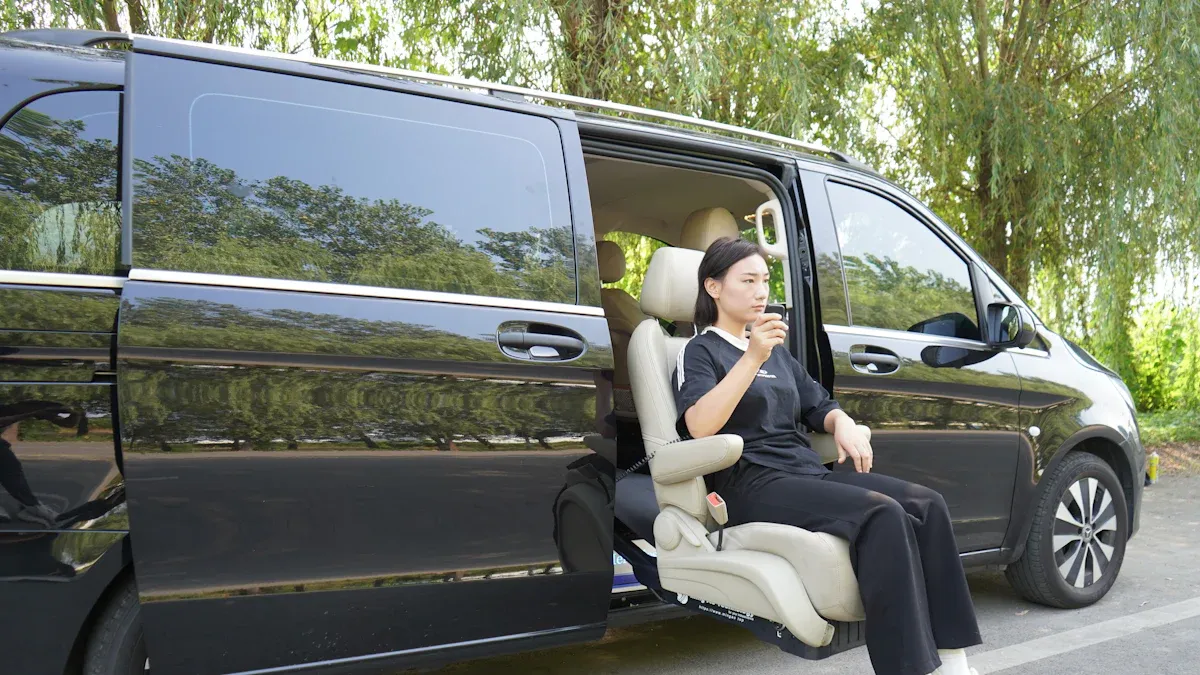
An automatic sliding door system offers significant benefits for enhanced mobility and accessibility. These systems provide effortless and secure outdoor access, especially for individuals with disabilities. They remove the need for physical exertion or assistance. Users can operate these doors from anywhere using a mobile app or voice commands. This offers convenient control and reduces accident risks associated with heavy traditional doors.
Automatic doors create obstacle-free entrances. They allow individuals using wheelchairs, walkers, or other mobility aids to move freely. They also offer hands-free operation via movement-detecting sensors, benefiting those with limited strength.
- Mobility Aid Users: Individuals using wheelchairs, walkers, or canes navigate their homes without assistance. Doors open with minimal or no physical effort. A wheelchair user can press a button or approach a sensor to open a door. This allows passage without struggling to hold it.
- Older Adults: Those with reduced strength easily open doors, enhancing their ability to move freely.
- Parents with Small Children: Automatic doors benefit small children who cannot reach or turn stiff doorknobs.
- Individuals with Hands Full: People carrying groceries or other items pass through doorways hands-free.
- Safe Passage: Automatic openers hold doors open for a specified duration. This prevents them from closing on individuals using mobility aids, ensuring safe transit.
- Customizable Operation: Systems offer various controls. These include remote controls mounted on wheelchairs, touchless sensors, voice activation, or specialty switches. They accommodate diverse user abilities.
For Increased Convenience and Modern Living
Automatic sliding doors significantly elevate daily convenience and contribute to a modern living experience. They offer hands-free operation, which simplifies tasks like carrying groceries or managing pets. The sleek design integrates seamlessly into contemporary home aesthetics, enhancing the property’s visual appeal. These systems represent a smart upgrade for homeowners seeking to blend advanced technology with everyday comfort. They provide a sophisticated touch to any residence.
For Improved Energy Management
Automatic sliding doors are a smart investment for improved energy management. They significantly reduce air infiltration. Doors minimize drafts and outside air entry by creating a tight seal upon closure. This lowers heating or cooling demands. They help maintain consistent indoor temperatures by closing swiftly after use. This is crucial for environments needing precise climate management.
- Motion Sensors and Smart Controls: These features ensure doors open only when necessary. This optimizes energy use and allows for adjustments based on foot traffic.
- Daylight Harvesting: Integration with natural light systems reduces the need for artificial lighting, conserving energy.
- Solar Gain Management: In sunny areas, sensors adjust door operations based on sun position. This mitigates direct sunlight’s impact on indoor temperatures.
These features collectively contribute to lower utility bills and a more sustainable home environment.
When a Manual Sliding Door Might Be Preferable
For Budget-Conscious Homeowners
Manual sliding doors often present a more economical choice for homeowners managing their budgets. The initial investment for these systems is significantly lower than for automatic operators. Homeowners can expect to pay less for the door unit itself and its installation.
| Feature | Manual Sliding Doors | Automatic Sliding Doors |
|---|---|---|
| Initial Cost | From £150 | From £2,000 (up to £5,000+) |
| Installation Cost | £100 to £300 | £500 to £1,500 |
| Maintenance | Minimal (cleaning, lubrication) | Regular professional servicing, potential repairs, maintenance contracts |
| Components | Simple (hinges) | Complex (sensors, motors, tracks) |
This table illustrates the substantial cost difference. Manual doors also incur fewer long-term expenses. They do not require costly preventive maintenance contracts or frequent repairs for complex electronic components. This makes them a financially sound option for those prioritizing upfront savings and lower ongoing costs.
For Simplicity and Minimal Maintenance
Manual sliding doors offer a straightforward solution with minimal maintenance demands. They feature fewer moving parts and simpler mechanisms compared to their automatic counterparts. This design reduces the likelihood of malfunctions. Homeowners typically only need to perform regular cleaning and lubrication of tracks and rollers.
| Feature | Manual Sliding Doors | Automatic Sliding Doors |
|---|---|---|
| Maintenance | Generally require less maintenance due to fewer moving parts and simpler mechanisms. Regular cleaning and lubrication of tracks and rollers are usually sufficient. | Require more frequent and specialized maintenance due to complex electronic and mechanical components. Sensors, motors, control panels, and safety features need regular inspection and calibration. |
| Repair Costs | Typically lower repair costs as parts are less expensive and repairs are often simpler. | Can incur higher repair costs due to specialized parts and the need for trained technicians. |
| Downtime | Less prone to unexpected breakdowns, leading to minimal downtime. | More susceptible to malfunctions, which can lead to longer downtime. |
Manual doors are less prone to unexpected breakdowns. This results in minimal downtime. Their robust and simple construction often contributes to a longer lifespan with proper care. Repair costs remain lower because parts are less expensive and repairs are often simpler. This contrasts with the specialized parts and trained technicians automatic doors require.
For Infrequently Used Doors
For doors homeowners use infrequently, a manual sliding door might be the most practical choice. Investing in an automatic operator for a door that sees little traffic may not provide a significant return on investment. These doors do not require the constant convenience or advanced accessibility features that justify the cost of automation. A manual door fulfills the basic function of opening and closing without the added expense or complexity. This option suits areas like storage room entrances or seasonal patio doors.
Homeowners must balance convenience, cost, and practicality when considering home door systems. Material choices, such as durable steel or insulating fiberglass, significantly impact both initial expense and long-term performance. Premium hardware and energy-efficient glass options enhance security and reduce utility bills over time. However, these features increase upfront costs. Installation complexity also influences the overall project budget. Making an informed decision requires evaluating these factors against unique household needs. Ultimately, the best choice reflects individual priorities and lifestyle.
FAQ
What is an automatic sliding door operator?
An automatic sliding door operator automates a sliding door. It uses sensors to detect movement. The system then opens and closes the door without manual effort. This enhances convenience and accessibility for users.
Are automatic sliding door operators safe for residential use?
Yes, modern operators include many safety features. These include obstacle detection sensors, safety beams, and emergency stop buttons. They prevent injuries and ensure secure operation. Compliance with safety standards further guarantees safe use. These features ensure safe use.
How much does an automatic sliding door operator typically cost?
Initial costs vary significantly. The operator unit itself, plus professional installation, contributes to the expense. Homeowners should budget for ongoing maintenance and potential repairs. High-quality systems offer better long-term value.
Can I install an automatic sliding door operator on my existing door?
Compatibility depends on your door’s material, weight, and track system. Professional assessment is crucial. Experts ensure proper integration and functionality. DIY installation is not recommended due to technical complexities and safety risks.