
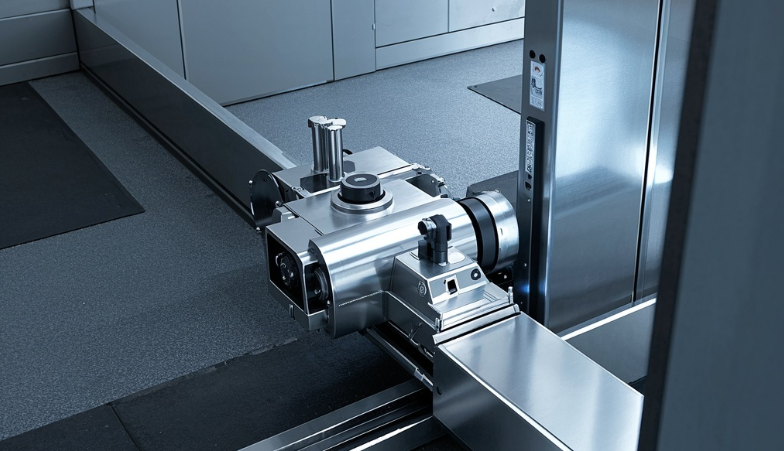
Prioritizing your door’s specifications is the crucial first step. Selecting the right automatic sliding door opener ensures long-term convenience and security. Understanding What Is a Sliding Door Opener and How Does It Work? helps consumers make informed choices. This knowledge prevents common issues and costly replacements. Considering factors like an electric sliding door motor‘s power is essential. Consumers also often ask, Which sliding door opener is best for heavy glass doors? Such informed decisions demonstrate How Sliding Door Openers Improve Convenience and Accessibility. Ultimately, these considerations contribute to Energy efficient automatic sliding doors.
Key Takeaways
- Match the opener to your door’s type, weight, and track system. This ensures the opener works correctly.
- Choose an opener with enough motor power for your door. Also, consider if you want a quiet belt drive or a strong chain drive.
- Look for important safety features. These include obstacle detection, auto-reverse, a manual release, and secure locks.
- Modern openers offer smart controls. You can use remote controls, smartphone apps, or connect to your smart home system.
- Think about the opener’s durability, warranty, and how easy it is to install and maintain. This helps ensure long-term value.
Assessing Your Sliding Door’s Specifications for an Automatic Sliding Door Opener

Thinking: The user wants only the generated section content, starting with the specified heading. I need to ensure no extra text or explanations are included, just the Markdown content for the blog section and the keyword usage summary.
Assessing Your Sliding Door’s Specifications for an Automatic Sliding Door Opener
Door Type and Material
Selecting an appropriate automatic sliding door opener begins with a thorough evaluation of the door itself. Understanding its unique characteristics ensures optimal performance and longevity for the chosen system. The type and material of a sliding door significantly influence the opener selection. Common types of sliding doors suitable for automation include patio doors, pocket doors, and barn-style doors. Manufacturers also offer specialized configurations such as standard automatic sliding doors, telescoping automatic sliding doors, and heavy-duty industrial sliding doors. Furthermore, options like hurricane-rated, blast-rated, and clean room certified systems exist for specific applications. Automatic sliding doors are available in various configurations, including single slide, bi-part slide, telescopic slide, and bifold. The door’s material, whether glass, wood, or metal, affects its weight and durability, which directly impacts the required motor power and overall system robustness.
Door Weight and Dimensions
Door weight and dimensions are critical factors. An automatic sliding door opener must possess sufficient power to move the door smoothly and reliably. For instance, Citadel’s lift-and-slide door systems can handle glass panels weighing up to 900 lbs. These systems also accommodate specialized glass, such as acoustic and bulletproof options, with thicknesses up to 2-3/8 inches. Therefore, accurately measuring the door’s width, height, and especially its weight is essential. Overlooking these specifications can lead to premature wear on the opener or inadequate operation.
Existing Track System Compatibility
The existing track system plays a vital role in compatibility. Various track types exist, each designed for specific door movements and aesthetics. A single track (mono-rail) allows one panel to slide over a fixed panel, common for closets. Double tracks (duo-rail) feature two separate rails, enabling both panels to slide for wider openings. Triple tracks (three-rail) maximize open space by allowing doors to stack. Bypass tracks also permit panels to stack as they slide open. Box tracks enclose the rail and rollers, hiding hardware, popular for barn doors. Flat tracks display the hardware as a design feature, also used for barn-style doors. Concealed tracks hide functional parts for a clean look, while pocket door tracks allow doors to slide into a wall cavity. The chosen automatic sliding door opener must seamlessly integrate with the existing track system to ensure smooth and efficient operation.
Motor Power and Drive System for Your Automatic Sliding Door Opener
Motor Type and Torque Requirements
The motor forms the core of any automatic sliding door opener, dictating its power and efficiency. Brushless motors are a crucial component in these operators. They come in two primary shapes: round and square. High-end automatic sliding door openers often utilize brushless variable speed motors. These motors are known for their power and adjustability. They frequently include a rotary encoder for precise speed and accuracy. Overheating protection also extends their lifespan. For example, the DSL16 Automatic Sliding Door Opener features a European-Style Dunker Motor, highlighting specialized engineering.
Motor torque requirements are paramount. An automatic sliding door opener must possess sufficient power to move the door smoothly and reliably. Load torque represents the sum of friction and gravitational loads. Gravitational force is calculated as mass multiplied by gravitational acceleration (m * g). Friction force is determined by multiplying the load’s mass by the friction coefficient of the surfaces (m * µ). When selecting a motor, its weight-bearing capacity should exceed the door’s actual weight by at least 20%. This additional capacity accounts for friction and prevents premature motor wear. For instance, a 600 kg motor is recommended for a 500 kg door.
Drive Mechanism Options
The drive mechanism translates motor power into door movement. Two common options exist: belt-driven and chain-driven systems. Each offers distinct advantages and disadvantages.
| Feature | Belt Drive Opener | Chain Drive Opener |
|---|---|---|
| Pros | Ultra quiet, smooth operation, low maintenance, cleaner operation (no grease) | Budget-friendly, strong and durable (for heavy doors), widely available, long-lasting with proper care |
| Cons | More expensive upfront, slightly less durable (not for extremely heavy doors unless reinforced), not ideal for harsh weather (belts may crack) | Noisy (rattle and clank), high maintenance (chain can loosen, needs lubrication), vibration (can wear out parts faster) |
| Maintenance | Uses rubber assembly, requires less maintenance, no rust prevention | Constant metal-on-metal friction, requires regular lubrication (every six months) |
| Noise | Quieter, slides through a trolley | Noisy, metal friction can be disruptive |
| Cost | More expensive upfront | Economical, more affordable, inexpensive replacement parts |
Belt-driven openers offer quieter operation and require less maintenance. Chain-driven systems are generally more affordable and robust for heavier doors, but they produce more noise and demand regular lubrication.
Noise Level Considerations
Noise level is an important factor, especially in residential or quiet commercial environments. An acceptable noise level for a residential automatic sliding door opener, specifically an electric sliding door operator, is less than 50 decibels (db). Belt-driven systems typically offer a quieter experience compared to their chain-driven counterparts. Consumers should consider the door’s proximity to living or working spaces when evaluating noise output.
Essential Safety Features of an Automatic Sliding Door Opener
Obstacle Detection and Auto-Reverse
Safety is paramount for any automatic sliding door opener. Modern systems prioritize user protection through advanced obstacle detection and auto-reverse capabilities. Early sliding door systems used control mats and electric eye holding beams. These evolved into overhead sensor systems, which incorporated motion detection and single threshold protecting sensors. Initially, presence detectors used multiple emitters to cover the doorway width. Infrared or microwave sensors later offered alternatives to pressure-sensitive mats.
Today, various sensor technologies ensure safety. Motion detector sensors primarily employ microwave technology to detect movement from people, objects, and animals. Presence sensors activate when someone stands motionless within range. Dual technology sensors combine both motion and presence sensing. Photoelectric beam sensors work with other sensors to detect individuals within the threshold. Active infrared sensors emit a signal to the floor, activating the door when an obstruction reflects the signal. Passive infrared sensors detect thermal patterns. Modern automatic sliding door openers also utilize intelligent AI motion sensors. These advanced human motion safety sensors offer touchless, high-sensitivity operation. They distinguish between human figures and general movement. Their safety-first design detects obstacles during closing, automatically reopening the door to prevent accidents and providing an enhanced anti-pinch function.
Safety standards mandate these features. The 2017 edition of ANSI/BHMA A156.10 requires power-operated pedestrian door systems to verify presence sensor functionality. If a fault occurs, the automatic operator cannot function until correction. Monitoring of presence sensors must occur at least once before each closing cycle. EN 16005 (Europe) and ANSI/BHMA A156.10 (United States) both outline minimum requirements for motion sensors, safety devices, and specifically include obstacle detection and auto-reverse features. When an obstruction is detected during movement, the door must stop and reverse direction immediately.
Manual Release Mechanism
A manual release mechanism provides a critical safety override. This feature allows users to open or close the door manually during a power outage or system malfunction. It ensures access and egress remain possible even if the automatic system fails. Users typically activate this mechanism with a simple lever or pull cord. This prevents entrapment and maintains functionality in emergency situations.
Security Locking Features
Modern automatic sliding door openers integrate robust security locking features. These features protect property and enhance peace of mind. Multi-point locking systems secure the door at multiple points along the frame, making forced entry more difficult. Options include traditional keyed locks and keyless alternatives like keypad locks or smart locks. Many locks include child safety mechanisms, such as out-of-reach locks, to prevent young children from opening the door unsupervised. Tamper-resistant features, such as reinforced strike plates and drill-resistant lock cylinders, protect against unauthorized entry. Some advanced locks feature integrated alarm systems that activate if someone attempts to force the door. Smart locks can integrate with home automation systems, allowing users to lock/unlock doors, monitor access, and receive alerts via smartphone apps. Biometric authentication, including fingerprint scanners and facial recognition, offers enhanced security and convenience. Keyless smart locks provide various entry methods, including touch via fingerprint, PIN codes, and remote access. A physical key option is also available for traditional failsafe.
Emergency Stop Functionality
An emergency stop function provides a critical safety measure for any automatic sliding door opener. This feature allows immediate cessation of door movement in urgent situations. Operators typically position these buttons in easily accessible locations near the door. They often feature a prominent red color and a clear “STOP” label for quick identification. Pressing this button instantly cuts power to the motor, halting the door’s operation regardless of its current cycle. This prevents potential injuries or damage during unexpected events.
This functionality is crucial in environments with high pedestrian traffic or where children may be present. For example, if a person or object becomes unexpectedly caught in the door’s path, the emergency stop button offers an immediate solution. It overrides all other controls, ensuring the door stops without delay. This direct control minimizes the risk of accidents.
Many systems also incorporate a reset procedure after an emergency stop. This often requires a manual reset by an authorized individual. This prevents accidental restarts and ensures a safe environment before resuming normal operation. Regular testing of the emergency stop button confirms its proper function. This proactive maintenance ensures the system remains safe and responsive when needed most. The presence and accessibility of this feature significantly enhance the overall safety profile of an automatic sliding door system.
Control and Connectivity Options for Your Automatic Sliding Door Opener
Modern automatic sliding door opener systems offer diverse control and connectivity options. These features enhance user convenience and operational flexibility. Selecting the right control method depends on specific user needs and integration preferences.
Remote Control and Keypad Access
Remote controls and keypads provide traditional and reliable access methods. Users can operate the door from a distance with a remote control. Keypads offer secure entry through a personalized code. Common keypad types include wired keypads, linear keypads, and Liftmaster keypads, such as the WKP5LM Wireless Keypad with five codes. Entry keypads are available for both residential and commercial applications. Specialized options like the Eagle Kit Gate Keypad PM654 (2 Channel, 433 MHz, Wireless Access Control) and the Power Master Kit Gate Keypad PM654 (which includes a receiver for 30 remotes) offer advanced features. The wireless keypad RADIOKEYD-LA (Radio Keyboard 433 MHz, 4 channels) also integrates with sliding gate opener systems. Remote controls often come with convenient designs, such as the Chrome Series PM201 Remote Control with Key Chain.
Smartphone App Integration
Smartphone app integration transforms how users interact with their sliding doors. This technology allows for remote control and monitoring from virtually anywhere.
- Remote Control and Monitoring: Users operate gates with smartphones or voice commands, eliminating traditional remotes.
- Enhanced Security: The system creates temporary access codes for visitors. It also sends real-time notifications of gate access and monitors property entry and exit.
- Convenient Operation: Users schedule gate operations and grant temporary access without physical presence. This streamlines overall gate management.
- Improved Efficiency: Automation of gate opening and closing based on schedules or preferences saves time and effort. It also reduces human error.
- Cost Savings: This integration potentially avoids expenses for security personnel. It also manages resources better by tracking gate usage and energy consumption.
- Smart Home Integration: The system seamlessly integrates with other smart home devices for a unified control experience.
Smart Home System Compatibility
Compatibility with smart home systems offers a unified and intelligent control experience. Many automatic sliding door openers integrate with popular platforms. Olide automatic door openers, for example, offer a wall button with Wi-Fi and Alexa integration. They also support Google Home integrations. An IFTTT option provides broader home automation system integration. The Autoslide Elite Sliding Door Starter Kit is compatible with Amazon Alexa for voice control. Home Controls offers home automation and security devices compatible with Amazon Alexa, Google Home, Wi-Fi, Z-Wave, and Zigbee. This broad compatibility allows users to incorporate their sliding door into a comprehensive smart home ecosystem.
Durability and Weather Resistance of an Automatic Sliding Door Opener
Material Quality and Construction
The longevity and reliable performance of a sliding door opener depend heavily on its material quality and construction. Manufacturers often use high-quality materials to ensure durability and structural stability. These materials include:
- Aluminum alloy
- Stainless steel
These choices offer excellent resistance to moisture, rust, and chemical wear. This makes them suitable for various environments, including humid areas. Robust construction prevents premature wear and tear, ensuring the opener withstands continuous operation and environmental stresses.
IP Rating for Environmental Protection
An Ingress Protection (IP) rating indicates an opener’s resistance to dust and water. This rating is crucial for outdoor installations or harsh indoor environments. Waterproof IP68 Automatic Sliding Gate Openers are available, showing a high level of protection against water ingress. Different models offer varying levels of protection:
| Model | IP Rating | Recommended Use |
|---|---|---|
| Base Model | IP54 | Residential/Small Commercial |
| Advanced Model | IP65 | Industrial/High-Traffic Areas, Outdoor Exposure |
| Pro Model | IP67 | Critical Infrastructure, Extreme Environments (heavy rain, dusty conditions) |
The Record PROTECT IP65 sliding door is designed for harsh conditions. These include environments near the sea, on ships, in swimming pools, or spas. Its IP65 rating signifies it is dust-tight and resistant to low-pressure water jets. This protects against damage from water, moisture, and dust particles.
Warranty and Manufacturer Support
A strong warranty and reliable manufacturer support indicate product quality and a company’s confidence in its offerings. The warranty period for electric sliding gate motors typically ranges from 1 to 5 years. Some high-end models may offer longer warranties, showing variability in the market. Reputable manufacturers stand behind their products. They provide comprehensive support, including technical assistance and readily available spare parts. This ensures long-term peace of mind for the owner.
| Component | Warranty Period |
|---|---|
| Frames, Wheels, and moving mechanisms | 10 Years |
| All other components, Accessories, locks, latches, including glass panes | 1 Year |
This detailed warranty information helps consumers understand the expected lifespan and support for different parts of the system.
Installation and Maintenance of an Automatic Sliding Door Opener

DIY vs. Professional Installation
The decision between do-it-yourself (DIY) and professional installation significantly impacts the overall cost and reliability of an automatic sliding door opener. While some individuals might consider DIY for simpler models, professional installation is often recommended. This ensures correct setup and adherence to safety standards. Professional installation for residential sliding door openers typically ranges from $600 to $1,000 per opener. This cost varies based on regional labor rates and the complexity of the specific installation. For complex setups, professional installers possess the expertise to handle intricate wiring, sensor calibration, and integration with existing systems. This prevents potential issues and ensures optimal performance.
Power Source Requirements
Proper power supply is crucial for the reliable operation of any automatic sliding door opener. These systems generally require a direct power source. An electrician must wire this connection. Automatic door openers typically need 230/110V power, with the specific voltage depending on the door type and model. For instance, a commercial door opener might require a 115VAC 60Hz 3amp service. Installers should provide this service to either a receptacle box or at the header location. Ensuring the correct voltage and amperage prevents electrical overloads and ensures consistent functionality.
Ease of Programming and Setup
The ease of programming and setup directly affects user convenience. Modern automatic sliding door openers often feature user-friendly interfaces designed for straightforward configuration. Many systems include clear instructions and intuitive control panels. This simplifies initial setup and adjustments. Some advanced models offer smartphone app integration, allowing users to program settings and monitor door status remotely. Manufacturers also provide detailed manuals and online resources to assist with programming. This ensures users can easily customize operational parameters like opening speed, closing force, and safety sensor sensitivity.
Routine Maintenance Needs
Regular maintenance significantly extends the lifespan and ensures the safe operation of an automatic sliding door opener. Neglecting routine checks can lead to malfunctions and costly repairs. Owners should establish a consistent maintenance schedule.
Several key tasks contribute to the system’s longevity. Users must keep tracks and rollers clean. Regularly vacuum or wipe down tracks. They should also inspect rollers for any signs of wear. Inspecting sensors and safety features is also crucial. Ensure sensors remain clean, free of obstructions, and respond promptly to movement. Lubricate moving parts using manufacturer-approved lubricant on tracks, rollers, and other components. Check the door alignment. Look for gaps, unusual noises, or uneven movements. Professional adjustment may be necessary if issues arise. Test the automatic door controls regularly. This includes the control panel, settings, and emergency functions. Monitor weather seals. Ensure weather stripping remains intact and effective, replacing it as needed.
Maintenance tasks can be categorized by frequency. Monthly, users should perform a visual inspection. Check sensors for physical damage, misalignment, or debris. Clean sensor lenses and surrounding areas with a soft, lint-free cloth. Conduct a functionality test. Trigger sensors with hand movements or objects to observe the door’s response.
Quarterly tasks involve more detailed checks. Verify sensor alignment. Ensure sensors are properly positioned for the detection zone. Adjust sensor sensitivity if necessary, following manufacturer instructions. Inspect wiring and connections for security, integrity, and corrosion.
Yearly maintenance often requires professional assistance. Schedule a comprehensive inspection, cleaning, calibration, and testing by a qualified technician. Install any available software updates for the sensor or door control system. Replace batteries in battery-powered sensors according to manufacturer recommendations. Scheduling professional maintenance at least once or twice a year provides in-depth checks and calibrations.
Budget and Value Proposition for an Automatic Sliding Door Opener
Initial Purchase and Installation Costs
The initial investment for an automatic sliding door opener includes both the purchase price and installation fees. These costs vary significantly based on the door’s complexity, the opener’s features, and regional labor rates. Basic residential models typically cost less than advanced commercial or industrial systems. Professional installation ensures correct setup and adherence to safety standards. This prevents potential issues and ensures optimal performance.
Energy Consumption and Operating Costs
Operating costs primarily involve energy consumption. Most automatic door motors operate between 60 W and 150 W. For a residential door with a 60 W motor, used approximately 200 cycles daily, the total power consumption averages 0.1-0.2 kWh per day. This translates to roughly 36.5-73 kWh per year. Commercial settings, with a 90 W motor operating 800-1,000 cycles daily, consume around 0.8-1.2 kWh per day. This equals approximately 292-438 kWh per year. Doorson automatic sliding doors feature an ‘energy save’ mode. The controller’s energy consumption drops to 0.4 Wh when the door is still. This is significantly lower than other doors on the market, which typically use 20–30 Wh in standby. Residential sliding gate openers typically consume between 50 to 200 watts. Commercial sliding gate openers can range from 200 to 1000 watts or more. Industrial sliding gate openers can consume from 500 to several thousand watts, especially during startup.
Long-Term Reliability and Brand Reputation
Investing in a reliable brand ensures long-term performance and minimizes maintenance issues. Several manufacturers have established reputations for durability and quality. Assa Abloy, formed in 1994, includes trusted brands like Besam. Their door systems perform well even after heavy use in hotels, villas, and commercial buildings. Hörmann, a family-owned German manufacturer since 1935, produces products found in villas, industrial sites, and airports. NABCO, part of Nabtesco Corporation, produces automatic doors for high-traffic public areas. Engineers praise their quiet, steady, and safe operation even after long use. Horton Automatics, one of the first automatic door system builders in the U.S. since 1960, offers proven functionality, performance, and longevity. Their corner block frames and door panel designs provide structural integrity for a lifetime of service.
Prioritizing door specifications, safety features, and control options ensures optimal performance from an automatic sliding door opener. A well-chosen system significantly enhances convenience and security for many years. Investing in quality components and ensuring compatibility with existing structures ultimately pays off in the long run. This approach minimizes future issues and maximizes user satisfaction.
FAQ
How long does an automatic sliding door opener typically last?
An automatic sliding door opener typically lasts 10 to 15 years. Proper installation and regular maintenance significantly extend its lifespan. High-quality materials and robust construction also contribute to durability.
How much electricity does an automatic sliding door opener use?
Most residential automatic sliding door openers use between 60W and 150W. This translates to minimal daily energy consumption. Commercial models use more power due to higher usage and heavier doors.
Is professional installation necessary for an automatic sliding door opener?
Professional installation is highly recommended. Experts ensure correct setup, proper calibration, and adherence to safety standards. This prevents potential issues and optimizes the opener’s performance.
Can an automatic sliding door opener connect to smart home systems?
Many modern automatic sliding door openers offer smart home compatibility. They integrate with platforms like Amazon Alexa, Google Home, and IFTTT. This allows for remote control and enhanced automation.
What safety features are most important in an automatic sliding door opener?
Obstacle detection with auto-reverse is crucial. A manual release mechanism ensures access during power outages. Security locking features and an emergency stop button also provide essential protection.