
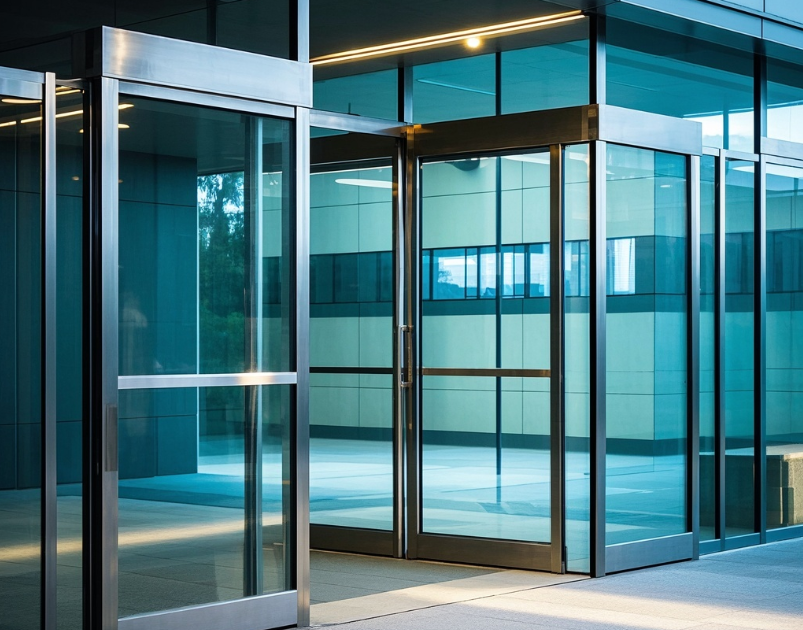
Understanding common issues with an Automatic Sliding Door Operator is crucial for smooth operations. Knowing these problems and their fixes immediately saves time and money. For instance, motor failures account for 30-40% of malfunctions, and controller issues make up another 20-30%. This guide offers practical advice for Troubleshooting Automatic Sliding Door Operator Malfunctions Step by Step. Readers will gain insights into various types, including Commercial vs residential sliding door operators. It provides essential Automatic sliding door operator maintenance tips, helping to keep any Commercial Sliding Door Operator running well. This knowledge also assists in choosing the Best automatic sliding door operator for office building needs.
Key Takeaways
- Automatic sliding doors can stop working due to dirt, worn parts, or power issues. Check for blockages, power, and adjust parts to fix them.
- Doors moving too fast or slow need speed adjustments. Check the control panel and sensor settings to fix these issues.
- Strange noises from a door mean something is wrong. Clean tracks, lubricate parts, and tighten loose screws to stop the noise.
- If a door reverses or does not sense things, its safety sensors have a problem. Clean the sensors and check their wires to make them work right.
- Regular cleaning and checks prevent many door problems. Always call a professional for big electrical issues or if you cannot fix the door.
Automatic Sliding Door Operator Not Opening or Closing Properly

When an automatic sliding door fails to open or close correctly, it can disrupt daily operations. Understanding the root causes helps in quickly resolving the issue.
Likely Causes for Malfunction
Several factors can prevent an automatic sliding door from working as it should. Mechanical problems are often culprits. For example, obstructions like dirt, leaves, or small stones on the pathway can stop rollers from moving smoothly. Worn-out components such as broken rollers, belts, or gears can also cause significant sliding problems. Sometimes, an underperforming motor or loose hardware and misaligned rollers contribute to the malfunction. Electrical issues also play a big role. A simple flipped on/off switch or a blown fuse can stop the door. Damaged power lines or issues with the electrical circuit can also prevent the door from operating. The door’s receiver might have problems if its sensor is dirty, obstructed, or if its antenna is not positioned correctly, blocking signals.
Quick Actions for Automatic Sliding Door Operators
First, check the power supply. Ensure the on/off switch is in the correct position and inspect the fuse box for any blown fuses. Next, look for any visible obstructions in the door’s path or along the tracks. Clear away any dirt, debris, or objects that might be blocking movement. If the door still struggles, you might need to check the track alignment. Turn off the power to the doors. Unscrew the fasteners at each end of the header and open the hinged header cover. Locate the four nuts on each active door panel. Loosen the nut on the outside of the urethane track roller stud. Insert an Allen key wrench into the eccentric Allen key stud of the roller. Rotate the Allen key to adjust the door height until the alignment is suitable. Tighten the nut once the door aligns correctly.
Preventive Maintenance Notes for Smooth Operation
Regular maintenance helps prevent these issues. Clean the tracks and rollers frequently to avoid debris buildup. Lubricate hinges, rollers, and other moving components to reduce friction and prevent premature wear. Experts recommend servicing single sliding doors every six to twelve months, depending on how much they are used. For dual sliding doors in high-traffic areas, maintenance every three to six months is advisable. Always refer to the manufacturer’s guidelines for specific lubrication frequencies and types. This proactive approach ensures your Automatic Sliding Door Operator continues to function reliably.
Automatic Sliding Door Operator Moving Too Slowly or Quickly
An automatic sliding door that moves too slowly frustrates people. One that moves too quickly can be a safety risk. Finding the right speed is important for both convenience and safety.
Likely Causes for Speed Issues
Several things can make a door move at the wrong speed. Sometimes, the motor or its components are wearing out. Worn belts or gears can cause the door to drag or slip, affecting its speed. Dirt or debris in the tracks can also create friction, slowing the door down. On the other hand, if the door moves too fast, the control panel settings might be incorrect. The sensors that detect movement or obstacles could also be miscalibrated. Environmental factors, like extreme temperatures, sometimes affect the lubricants or electronic components, changing how the door operates.
Quick Actions for Speed Adjustment
First, check the control panel. Many Automatic Sliding Door Operator systems have settings to adjust opening and closing speeds. Refer to the door’s manual to find these controls and make small adjustments. If the issue seems related to sensing, you can adjust the sensor’s detection range. Locate the adjustment knob or button on the sensor. Rotate the knob to increase or decrease the detection range. Test the door’s response to ensure it senses correctly within the desired distance. You can also adjust the sensor’s sensitivity. This helps the door react appropriately to people or objects.
Preventive Maintenance Notes for Optimal Speed
Regular calibration and preventative maintenance are essential for optimal door performance. Consistent checks help keep the door moving at the right speed. Perform monthly checks, including visual inspections for damage, cleaning sensor lenses, and testing the door’s response. Quarterly tasks involve verifying sensor alignment and adjusting sensitivity. Also, inspect wiring and connections. A qualified technician should perform a yearly comprehensive inspection. This includes cleaning, calibration, and software updates. High-traffic areas need monthly inspections. Moderate use environments can manage quarterly checks. All sliding doors should have an inspection at least twice a year, with more frequent checks in harsh climates.
Unusual Noises from Automatic Sliding Door Operator
Strange sounds from an automatic sliding door often signal an underlying problem. Addressing these noises quickly can prevent more serious damage.
Likely Causes of Strange Sounds
When an Automatic Sliding Door Operator starts making unusual noises, it often signals a problem. Grinding sounds can come from several places. Worn or damaged gears inside the gearbox might cause this noise. Loose or damaged belts also create a grinding sound. Worn or damaged rollers can contribute to the noise. Dirty or clogged tracks often lead to grinding as the door moves. Loose or damaged motor mounts can also cause grinding. Sometimes, a loose or damaged door frame is the culprit. Squeaking noises usually happen when the door opens or closes. This often means parts need lubrication or adjustment.
Quick Actions for Noise Reduction
You can take a few quick steps to quiet a noisy door. First, inspect the tracks. Remove any dirt, dust, or debris. Use a vacuum or a damp cloth for cleaning. Next, lubricate all moving parts. Apply a silicone-based lubricant to rollers, hinges, and tracks. Avoid oil-based lubricants as they attract dirt. Check all screws and bolts. Tighten any loose hardware on the door frame or operator mechanism. Make sure nothing obstructs the door’s path.
Preventive Maintenance Notes for Quiet Operation
Regular maintenance keeps your Automatic Sliding Door Operator running quietly. Establish a routine cleaning schedule for tracks and rollers. Lubricate moving components every few months. This prevents wear and reduces friction. A professional technician should inspect the system annually. They can check belts, gears, and motor mounts for wear. Early detection of issues prevents louder noises and bigger problems. This proactive approach ensures smooth and quiet operation.
Automatic Sliding Door Operator Reversing or Not Sensing Obstacles
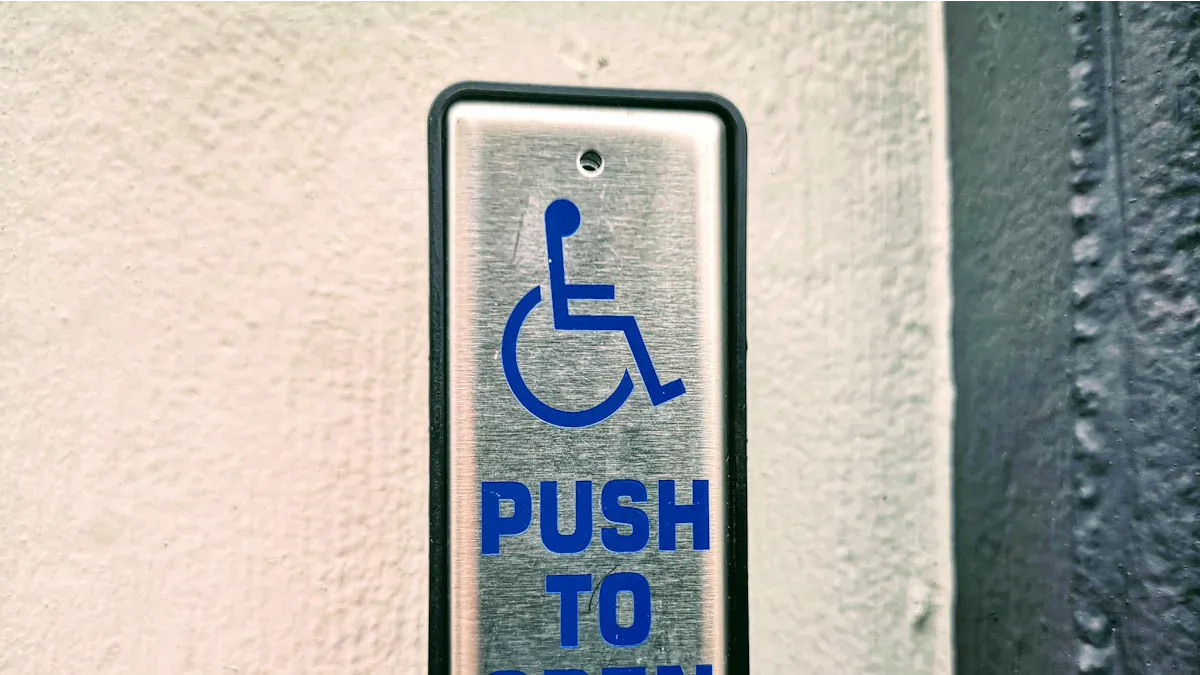
When an automatic sliding door reverses unexpectedly or fails to detect people or objects, it creates a serious safety hazard. This problem usually points to issues with the door’s safety sensors.
Likely Causes for Safety Sensor Issues
Several factors can cause safety sensors to malfunction. Often, simple obstructions like dirt, leaves, or even people standing in the doorway can block the sensors. This makes the door open and close repeatedly. Sometimes, the sensors themselves malfunction. They might detect motion when none exists, leading to erratic door behavior. Faulty or damaged wiring connecting the sensors to the control unit can also cause problems. A malfunctioning control unit, which processes sensor signals, can also lead to unexpected door movements. Environmental factors, such as heavy rain or intense sunlight, can interfere with infrared or microwave sensors. This causes inaccurate readings. Over time, sensors can also wear out or become misaligned, failing to detect people in the door’s path.
Quick Actions for Sensor Calibration
You can take immediate steps to address sensor issues. First, check for any physical obstructions blocking the sensor’s view. Clear away any dirt, debris, or objects. Next, thoroughly clean the sensor lenses. Use a soft, lint-free cloth and a mild cleaning solution. This ensures the sensors can properly detect movement. Also, inspect the wiring and connections to the sensors and the control unit. Tighten any loose wires. If the door has adjustment knobs for sensor range or sensitivity, consult the door’s manual for minor adjustments.
Preventive Maintenance Notes for Reliable Safety
Regular maintenance ensures reliable safety for your automatic sliding door. Keep the sensors clean and free of dust, dirt, and other contaminants. Clean sensors at least monthly, and more often in high-traffic or dusty areas. Use a soft, lint-free cloth and a suitable cleaning solution for sensor lenses. Avoid harsh chemicals that could damage sensor surfaces. AAADM recommends daily safety checks on automatic doors. These daily checks involve testing the automatic doors yourself. Verify correct operation, including the sensors. Activate the automatic door by engaging the actuator or motion sensor to ensure proper opening and closing. This proactive approach helps prevent accidents and keeps the Automatic Sliding Door Operator functioning safely.
Intermittent Operation or Complete Failure of Automatic Sliding Door Operator
Sometimes an automatic sliding door acts unpredictably or stops working completely. This can be very frustrating. It often points to deeper issues with the door’s power supply or control system.
Likely Causes for Power and Control Problems
Many things can cause a door to operate intermittently or fail entirely. Often, the problem lies with the power supply. A loose connection, a tripped circuit breaker, or even a power surge can disrupt the door’s function. The control board, which acts as the door’s brain, might also be faulty. This board processes all commands and sensor inputs. If it malfunctions, the door will not respond correctly. Worn-out motors or damaged wiring can also lead to these issues. Sometimes, external factors like extreme weather or even a minor impact can damage internal components, causing the door to fail.
Quick Actions for System Reset
When a door stops working, a system reset can often fix the problem. First, check the power supply. Make sure the door connects to a working power source. Also, verify the power switch and electrical outlet are functional. Next, inspect the safety sensors. Clean any dirt or obstructions from them. Damaged sensors might need replacement. Then, look at the control panel. You can try to reset it by turning its power off for a few seconds and then back on. Finally, locate the reset button on the control panel or motor assembly. Press and hold it until the door beeps or an LED light flashes. Release the button and wait before trying to operate the door. If the door still does not work after these steps, contact a qualified technician for diagnosis and repair.
Preventive Maintenance Notes for Consistent Performance
Regular maintenance helps prevent intermittent operation and complete failures. Schedule routine checks of all electrical connections. Ensure they are secure and free from corrosion. A professional should inspect the control board and motor periodically. They can identify early signs of wear or damage. Keeping the system clean and free from debris also helps. This ensures all components, including the Automatic Sliding Door Operator, function without unnecessary strain. Proactive maintenance saves money and keeps the door running reliably.
This guide explored common issues with your Automatic Sliding Door Operator. It covered problems like doors not opening, speed issues, strange noises, and sensor failures. Many solutions involve simple cleaning, adjustments, or system resets. Proactive maintenance is very important. Regular checks and care prevent bigger problems from happening. For complex electrical issues or persistent malfunctions, always seek professional help.
FAQ
How often should someone perform maintenance on an automatic sliding door?
Regular maintenance depends on door usage. For high-traffic doors, monthly checks are best. Less used doors can have quarterly or bi-annual checks. Always follow the manufacturer’s specific guidelines for optimal performance.
What should you do if an automatic sliding door completely stops working?
First, check the power supply. Ensure the door is plugged in and the circuit breaker is not tripped. Then, try a system reset. Turn the power off for a few seconds, then turn it back on. If it still does not work, contact a professional technician.
How do you clean the safety sensors on an automatic sliding door?
Use a soft, lint-free cloth and a mild cleaning solution. Gently wipe the sensor lenses to remove dirt or dust. Avoid harsh chemicals. Clean sensors monthly, or more often in dusty environments, to ensure proper detection.
When is it necessary to call a professional for automatic sliding door repairs?
Call a professional for complex electrical issues, persistent malfunctions, or if you cannot identify the problem. They have specialized tools and expertise. They can safely diagnose and fix issues beyond basic troubleshooting.