

The optimal commercial automatic doors solution is entirely dictated by specific commercial needs. Identifying a building’s unique characteristics is paramount for selecting the ideal door system, such as a smart automatic door system. Making informed decisions, guided by a comprehensive Commercial Automatic Door Operator Buying Guide, ensures long-term satisfaction, performance, and operational efficiency. For instance, an automatic door can save up to 26% more energy compared to manually operated doors.
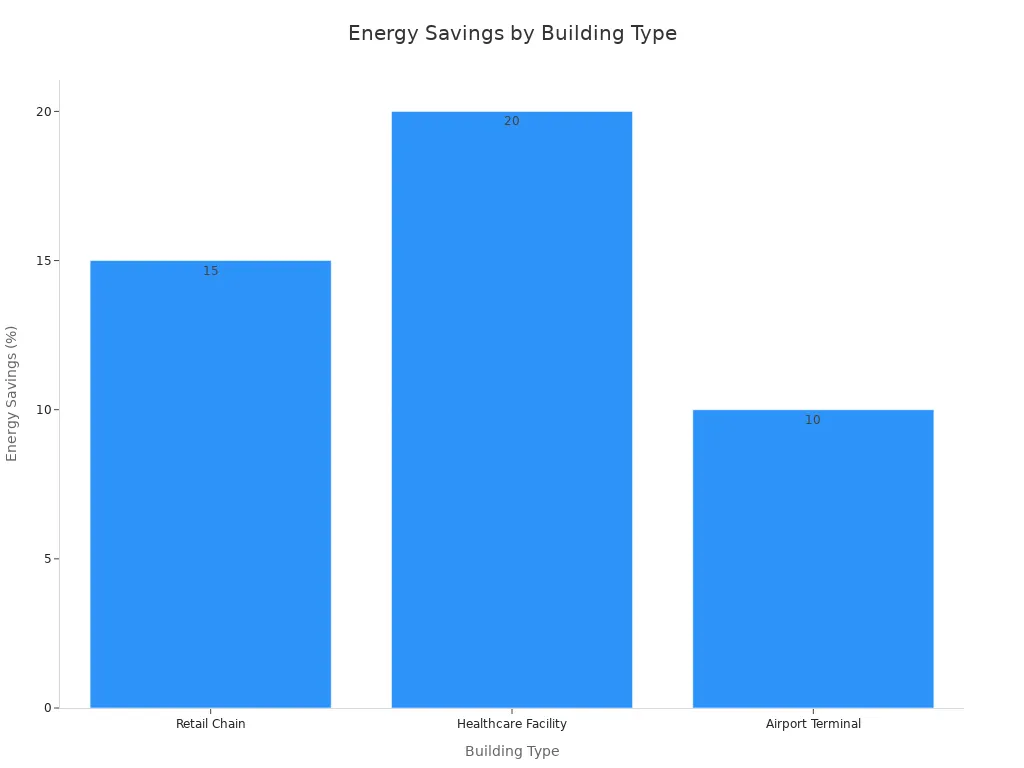
Considering factors like the choice between a sliding vs swing automatic door operator and incorporating automatic door safety tips ensures optimal functionality. Understanding “How often should automatic doors be serviced?” also contributes to sustained operational efficiency.
Key Takeaways
- Choose automatic doors based on your building’s type, how much traffic it gets, and if people with disabilities need to use it.
- Automatic doors save energy, make buildings look better, and keep people safe. They also help with security.
- There are different types of automatic doors like sliding, swing, revolving, and telescoping. Each type works best for different needs.
- Always pick a good supplier and make sure professionals install your automatic doors. This helps them work well for a long time.
- Regular check-ups and service are important for automatic doors. This keeps them safe and working correctly.
Understanding Your Commercial Building’s Unique Needs
Selecting the appropriate automatic door system begins with a thorough understanding of a commercial building’s specific operational context. Each facility presents distinct challenges and requirements that directly influence the optimal door solution.
Building Type and Purpose
A building’s fundamental type and its intended purpose significantly dictate the characteristics of its automatic doors. For instance, an elegant foyer or a store entrance in a shopping center often functions as the building’s primary “calling card.” These locations demand automatic sliding doors with features like escape and rescue functionality, robust burglary protection, and sophisticated aesthetic design. Such doors provide comfort, ensure barrier-free access, and offer space-saving installation. They frequently incorporate stylish glass designs to enhance the ambiance and maximize natural daylight.
Conversely, the nursing and healthcare sector requires doors that meet stringent hygiene conditions, particularly for surgical areas. These doors may also need specific security features, such as smoke-tightness and integrated access control systems. Industrial buildings, on the other hand, often necessitate extra-large and heavy door leaves to accommodate oversized equipment or high-volume material flow. Clinics also prioritize special hygiene conditions. Furthermore, automatic sliding doors serve effectively for room partitioning, such as between guest rooms and kitchens, emphasizing contactless ease of access and separation.
Traffic Volume and Flow
The volume of daily traffic and the typical flow patterns through an entrance are critical factors in automatic door selection. High-traffic areas, like main entrances of retail stores or public transportation hubs, require highly durable doors capable of frequent, rapid cycles without compromising performance. These doors must handle continuous use efficiently, minimizing bottlenecks and ensuring smooth pedestrian movement. Conversely, areas with moderate or low traffic might prioritize energy efficiency or specific security features over sheer speed. Analyzing peak hours and average daily footfall helps determine the necessary operational speed, robustness, and sensor sensitivity for the chosen automatic door system.
Accessibility Requirements
Ensuring universal accessibility is a legal and ethical imperative for commercial buildings. The Americans with Disabilities Act (ADA) sets specific standards for automatic doors to accommodate individuals with mobility challenges. These regulations ensure that automatic doors provide equitable access for everyone.
- The door must remain open for a sufficient duration, allowing individuals with mobility challenges ample time to pass through safely.
- Push buttons and motion sensors must be easily accessible, positioned at appropriate heights, and require minimal force to activate.
- The door should require minimal effort to open manually in case of power failure or sensor malfunction.
Beyond these general guidelines, specific technical requirements also apply to commercial automatic doors:
- Automatic doors must open and close within three seconds or less to facilitate smooth passage.
- They must stop closing when encountering no more than 15 pounds of force, preventing injury or damage.
- Double doors need to provide at least 48 inches of clear opening width to accommodate wheelchairs and other mobility aids.
- Doors should feature smooth surfaces to prevent injury if they contact a person or their mobility aid during operation.
Security Considerations for Commercial Automatic Doors
Security stands as a paramount concern for any commercial establishment. Automatic door systems play a crucial role in safeguarding assets, controlling access, and ensuring the safety of occupants. Businesses must implement robust security measures to protect their premises from unauthorized entry and potential threats.
Automatic door closers offer a simple yet effective security feature. They automatically close the door after someone opens it. This ensures only authorized individuals can enter or leave. This mechanism adds protection against unauthorized access or tampering with the door system.
Commercial automatic door systems reinforce facility defense mechanisms. They control access, allowing only credentialed individuals to enter. Facilities can program them to restrict access during specific times. These systems use sensors to close immediately after passage, minimizing unauthorized entry and preventing ‘tailgating’. When integrated with comprehensive security systems, including cameras, alarms, and access controls, they can trigger alerts if someone forces or holds them open. Surveillance cameras near these doors record entry and exit. Access control systems work together to allow authorized individuals to trigger door opening. They also instantly lock down the door and sound an alarm upon detecting unauthorized attempts.
Modern commercial automatic doors incorporate advanced technological features to enhance security:
- Encryption and Authentication: Automatic door sensor systems often incorporate encryption and authentication protocols. These secure communication between sensors, control units, and access devices, preventing interception or manipulation.
- Secure Communication Channels: These systems use encrypted wireless protocols or hardwired connections. This prevents unauthorized access to sensitive data and commands.
- Biometric Access Control: Advanced systems integrate features like fingerprint or facial recognition. This ensures only authorized individuals with verified biometric credentials can activate the door.
- Tamper Detection Sensors: These sensors identify and respond to physical tampering attempts. They trigger alarms or alert security personnel.
- Secure Firmware and Software: Manufacturers regularly update firmware and software with patches. This addresses vulnerabilities and maintains system resilience.
- User Authentication Protocols: Access is controlled through secure key cards, PIN codes, or mobile apps with two-factor authentication. This ensures only authorized users interact with the system.
- Audit Trails and Logging: Mechanisms are in place to monitor system activity. They provide a detailed history of access attempts to identify and investigate suspicious activities.
- Physical Security Measures: Secure enclosures, tamper-resistant hardware, and restricted access to installation areas prevent physical tampering.
- Regular Security Audits: Proactive audits identify and address potential vulnerabilities before exploitation.
- Integration with Overall Security Systems: Automatic door systems often integrate with broader security systems like surveillance cameras, access control, and alarms. This creates a comprehensive security infrastructure.
These integrated security features provide peace of mind. They ensure the safety and integrity of commercial properties.
Exploring Types of Commercial Automatic Doors
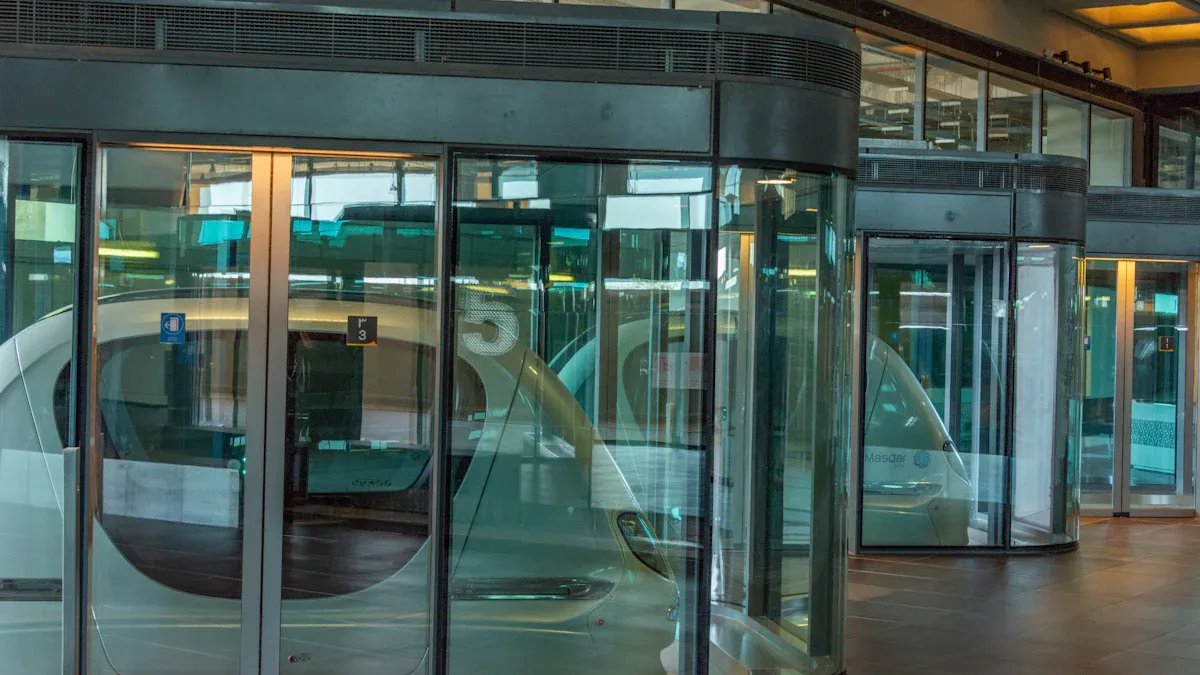
Businesses choose from various automatic door types, each offering distinct advantages for specific commercial environments. Understanding these differences helps in selecting the most effective solution.
Sliding Automatic Doors
Sliding automatic doors represent a popular choice for many commercial settings. They offer a sleek, modern appearance and provide efficient access. These doors are particularly common in commercial spaces such as shopping malls, office complexes, and airports. They effectively manage heavy foot traffic and create a welcoming atmosphere for visitors.
Sliding doors offer several key benefits:
- Convenience: They provide effortless access, especially for individuals with mobility limitations or those carrying heavy items.
- Energy Efficiency: These doors help maintain interior temperatures. They reduce energy consumption by minimizing the time doors remain open.
- Hygiene: They reduce germ spread by eliminating manual contact, which is crucial in environments like healthcare facilities.
- Safety: Features such as anti-pinch sensors and emergency stop buttons enhance safety.
- Aesthetic Appeal: They add a sleek, modern look to buildings with glass panels and customizable finishes, enhancing visual appeal.
Beyond main entrances, sliding automatic doors also serve specific functional needs. They are ideal for supply closets and rooms housing sensitive materials, such as medication rooms, providing controlled access. Server rooms in commercial settings and select areas of data centers also benefit from these doors for enhanced security. Furthermore, they are excellent for restroom entrances, reducing touchpoints and improving hygiene. These applications highlight how sliding doors meet accessibility standards, reduce touchpoints for improved hygiene, support access control goals for enhanced security, and provide space-efficient openings.
Swing Automatic Doors
Swing automatic doors operate much like traditional hinged doors but incorporate an automatic opener. They pivot open and closed, either inward or outward, depending on the installation. Businesses often choose swing doors for their familiarity and ease of integration into existing door frames. They work well in areas where space for a sliding door is limited or where a more traditional aesthetic is desired. These doors are common in smaller retail establishments, offices, and as interior doors within larger complexes. They provide reliable, hands-free access and can be equipped with various sensors and safety features. Swing doors are also highly adaptable for accessibility requirements, ensuring smooth passage for all users.
Revolving Automatic Doors
Revolving automatic doors offer a sophisticated and highly functional solution for commercial buildings, especially those with high traffic and strict climate control needs. They provide continuous traffic flow, effectively reducing bottlenecks and congestion in busy areas.
These doors are particularly effective for energy efficiency. They limit air exchange, which helps maintain indoor temperatures and consequently lowers heating and cooling costs. Revolving doors operate on the principle of ‘always open, always closed‘ – open to people, yet closed to the elements. This design ensures a tighter seal than traditional doors, making them highly energy-efficient. They separate conditioned indoor air from unconditioned outdoor air, preventing drafts, dust, and noise. This reduces the energy needed to maintain indoor climate and lowers a building’s carbon footprint and operational costs. A landmark study conducted in 2006 by MIT graduate students found that a swinging door allowed up to eight times more air to pass through a building compared to a revolving door. Studies indicate that buildings equipped with these commercial automatic doors can reduce energy loss by up to 40%. This is especially beneficial during extreme weather conditions, as it lessens the workload on heating and cooling systems, helping to maintain comfortable indoor temperatures.
Revolving doors also offer robust security integration. They can incorporate access control systems to ensure only authorized individuals can enter restricted zones. Their architectural appeal provides a sophisticated and professional appearance, enhancing the visual impact of a building’s entrance. Constructed with high-quality materials, they are engineered for reliable, long-term performance with minimal upkeep, making them durable and low maintenance.
Revolving doors are ideal for various commercial applications:
- High-Traffic Entrances: They suit commercial buildings, hotels, and airports, providing continuous movement while improving climate control and security.
- Corporate Headquarters: Customizable designs create grand entrances.
- Financial Institutions: They can be tailored for secure, controlled-access entries.
- Modern Building Facades: Full-height, three-wing designs with glass and aluminum blend seamlessly, controlling indoor climate and supporting smooth pedestrian flow.
- Office Lobbies, Hotels, and Corporate Entrances: Four-wing designs with clear glass and brushed aluminum offer secure yet welcoming entry points, focusing on energy efficiency and high-volume pedestrian access.
- Large Capacity Doors: These are ideal for transport terminals, providing stable temperatures, preventing HVAC losses, and ensuring ease of access (including for wheelchairs) in facilities like hospitals, airports, large retail establishments, hotels, and casinos.
- Smaller Manual Doors: These suit small office buildings, restaurants, and specialty, high-end retail buildings.
- Optimal for ‘Trained Traffic’: They work best for users familiar with the doors and building, such as residents or employees who use them regularly.
The environmental benefits of incorporating revolving doors into commercial building design are substantial:
- Reduction in Heating & Cooling Costs: By creating an effective barrier, these doors help maintain stable indoor temperatures, thereby lowering HVAC operational costs.
- Minimized Air Pollution: The airlock effect reduces the entry of contaminants and outside pollutants, leading to healthier indoor air quality.
- Support for Sustainability Goals: The implementation of energy-efficient revolving doors aligns with broader sustainability efforts, helping businesses reduce their carbon footprint.
Telescoping Automatic Doors
Telescoping automatic doors offer a specialized solution for commercial environments with spatial constraints. These doors maximize opening widths by allowing multiple door panels to slide and stack neatly behind one another. This design provides a much larger clear opening within a given space compared to traditional sliding doors. They are particularly effective in areas where full-size automatic sliding doors are unfeasible due to limitations.
Automatic telescopic doors provide significant space-saving benefits, especially in confined areas. They incorporate an additional sliding door active leaf, which allows for a greater clear door opening. This feature proves particularly advantageous in tight spaces. For example, the ASSA ABLOY SL500 Telescopic model utilizes an exclusive ‘door on door’ design. This design improves upon traditional suspended track systems. It places the door’s weight on the structural header for superior support and stability.
Telescopic sliding doors offer maximum opening widths. They slide one door leaf over the other, creating the largest possible opening within the smallest framing dimensions. They can save up to 30 square feet per door compared to traditional sliding doors. This increases usable space in patient and staff areas. They also offer multiple opening configurations for easy access in smaller spaces.
- Space-Saving Advantages: Telescopic sliding doors provide maximum opening widths by sliding one door leaf over the other. This creates the largest possible opening within the smallest framing dimensions. They can save up to 30 square feet per door compared to traditional sliding doors, increasing usable space in patient and staff areas. They also offer multiple opening configurations for easy access in smaller spaces.
- Typical Installations: These doors are frequently chosen for healthcare settings. This includes dental and other specialized healthcare offices. They allow multiple medical professionals clear openings for procedures while maintaining patient privacy and comfort. They are also suitable for other commercial buildings, especially in low-traffic areas where flexible openings are desired to preserve usable square footage.
Unlike other sliding doors, telescopic doors subdivide panels into smaller, more manageable sections. This design allows for a much larger clear opening within a given space, whether in new or existing structures. The smaller panels nest in front or behind successive panels as the door opens. This efficiently utilizes tighter spaces to achieve a standard clear door opening without requiring excessive space between door jambs. This enables their installation in smaller areas and tighter openings.
Key Considerations for Optimal Commercial Automatic Door Performance
Businesses must evaluate several factors when selecting automatic doors. These considerations ensure the doors meet operational needs and contribute to the building’s overall success.
Energy Efficiency and Sustainability
Energy efficiency and sustainability are crucial for modern commercial buildings. Automatic doors significantly contribute to these goals. Manufacturers like GEZE design products to satisfy DGNB and LEED criteria, which helps architects plan energy-efficient green buildings. GEZE’s environmental management system holds certification under the international standard DIN EN ISO 14001. They also provide Environmental Product Declarations (EPDs), offering transparent, evidence-based information on product properties. Similarly, STANLEY automatic doors contribute to US Green Building Council (USGBC) LEED new construction projects under LEED V4. STANLEY offers EPDs for various products, including Dura-Glide 2000/3000 and Dura-Glide GreenStar. Their aluminum vendors are ISO14001 and ISO50001 certified, controlling energy usage and environmental impacts. The Dura-Glide GreenStar, an energy-efficient automatic sliding door, lowers HVAC costs and minimizes air infiltration by up to 61%. It also improves thermal performance with 1-inch insulated glass.
Aesthetic Integration with Building Facade
The appearance of automatic doors significantly impacts a building’s facade. Doors should complement the architectural style and design of the structure. They serve as a prominent feature, influencing first impressions for visitors and clients. Businesses often choose materials like glass, aluminum, or stainless steel to match the building’s aesthetic. Custom finishes and designs allow for seamless integration, enhancing the overall visual appeal. A well-integrated door system contributes to a cohesive and professional look for the entire commercial property.
Safety Features and Compliance
Safety is paramount for any automatic door installation. Doors must comply with various regulations and incorporate essential safety features. ADA compliance requires door openings to provide a minimum clear width of 32 inches for wheelchair access. The operating force must not exceed 5 pounds. Door sensors must detect individuals from a sufficient distance, and the door must remain open for at least 3 seconds for safe passage. Emergency egress features are also necessary for safe evacuation. Fire safety considerations include fire-rated doors in fire-rated assemblies. These doors must integrate with smoke and fire detection systems to prevent smoke and fire spread. They also need manual release mechanisms and battery backups for emergencies. Additional safety features include motion sensors to prevent collisions and safety edges or pressure sensors to detect obstructions. Doors must minimize entrapment hazards and pinch points. An easily accessible emergency stop button and clear signage are also vital.
Budget and Return on Investment
Businesses evaluate the initial investment for automatic doors carefully. This investment includes purchase and installation costs. However, these doors offer significant long-term savings. They reduce energy consumption. They also improve operational efficiency. This leads to a strong return on investment (ROI).
Energy savings represent a major component of ROI. Automatic doors minimize air exchange between indoor and outdoor environments. This reduces the workload on heating, ventilation, and air conditioning (HVAC) systems. Consequently, facilities see lower utility bills. This is especially true in climates with extreme temperatures.
Increased foot traffic also contributes to ROI. Automatic doors provide easy, welcoming access for all visitors. This enhances customer experience. It can lead to higher sales for retail establishments. Improved accessibility also broadens the customer base.
Furthermore, automatic doors enhance security. They integrate with access control systems. This prevents unauthorized entry. Reduced security incidents save money on potential losses and repairs. They also lower insurance premiums.
Maintenance costs also factor into the ROI calculation. High-quality automatic door systems, like those from Ningbo Beifan Automatic Door Factory, offer durability and reliability. They require less frequent repairs compared to constantly used manual doors. This reduces operational expenses over time.
The initial cost of automatic doors often appears higher than traditional manual doors. However, the cumulative benefits quickly offset this expense. Businesses gain from energy efficiency, increased revenue, enhanced security, and reduced maintenance. These advantages make automatic doors a financially sound investment for many commercial properties. They deliver value far beyond their upfront price.
Ensuring Long-Term Success for Your Commercial Automatic Doors
Achieving optimal performance and longevity for automatic door systems requires careful planning beyond the initial purchase. Businesses must focus on selecting reliable partners and implementing robust maintenance strategies.
Reputable Supplier Selection
Choosing a reputable supplier forms the foundation for successful automatic door operation. A reliable supplier offers comprehensive repair and maintenance support for a wide range of doors, including automatic doors. They ensure all parts and components fit and function as expected, providing top-of-the-line products. Furthermore, a reputable supplier employs AAADM Certified automatic door inspectors. This certification ensures new door installations meet the safety standards of the American National Standards Institute. It also guarantees annual inspections maintain continued safe operation.
Professional Installation
Professional installation is crucial for optimal long-term performance and reliability. Installers must conduct a thorough site inspection, assessing factors like door size, frame type, fire ratings, and ADA compliance. They must understand local building codes and consider traffic flow and emergency egress needs. Selecting door materials and configurations appropriate for specific business needs is also vital. The installation process involves an initial consultation, accurate measurements, product selection, and careful scheduling to minimize disruption. Installers then perform the actual setup, testing for proper function and safety. They also provide post-installation support, including maintenance guidance and warranty information. Inexperienced installers may offer initial savings, but this often leads to higher repair and replacement costs and can void manufacturer warranties. Improper alignment and fit can cause operational problems, air leakage, reduced energy efficiency, and accelerated hardware wear.
Ongoing Maintenance and Service
Regular maintenance and service are essential for extending the lifespan of automatic doors and ensuring their continued safe and efficient operation. The American Association of Automatic Door Manufacturers (AAADM) recommends professional inspection at least once a year. For doors experiencing heavier use, inspections and routine maintenance should occur more frequently, perhaps every six months or even more often. This proactive approach helps avoid common automatic door problems, ensures ADA compliance for automatic entrance doors, and saves money in the long run. Businesses can choose a basic maintenance program, where AAADM-certified professionals inspect components like opening/closing speeds, sensors, glass, guide rails, pivots, belts, gears, and lubricants at specified intervals. Alternatively, a full-service maintenance program offers inspections and routine preventative repairs at predetermined intervals with fixed costs, providing a predictable budget for repairs.
Selecting the right commercial automatic doors is an iterative process. It involves matching specific needs to available options. A holistic approach, considering all factors like building type, traffic, and security, leads to optimal functionality and value. Investing wisely in these solutions enhances safety, efficiency, and the overall user experience for any commercial property. This careful consideration ensures long-term success.
FAQ
What are the main benefits of automatic doors for businesses?
Automatic doors offer convenience, enhance accessibility for all users, and improve hygiene by reducing touchpoints. They also contribute to energy efficiency and elevate a building’s aesthetic appeal, creating a welcoming entrance.
How do automatic doors help businesses save energy?
Automatic doors minimize air exchange between indoor and outdoor environments. This reduces the workload on HVAC systems. Consequently, buildings experience lower heating and cooling costs, especially in extreme climates.
What safety features are standard in commercial automatic doors?
Commercial automatic doors include anti-pinch sensors, emergency stop buttons, and motion sensors to prevent collisions. They also feature safety edges to detect obstructions and comply with ADA accessibility standards for safe passage.
How often should businesses service their automatic doors?
The American Association of Automatic Door Manufacturers (AAADM) recommends professional inspection at least once a year. For high-traffic doors, businesses should schedule inspections and routine maintenance more frequently, perhaps every six months.
Can automatic doors integrate with existing security systems?
Yes, automatic doors integrate seamlessly with various security systems. They connect with access control systems, surveillance cameras, and alarms. This allows for controlled entry, monitoring, and immediate alerts for unauthorized access attempts.